
Film
Roe v. Wade
A 2021 drama depicting the untold story behind Roe v. Wade through competing perspectives of Dr. Bernard Nathanson and Dr. Mildred Jefferson. The film frames the landmark case as a conspiracy narrative, presenting historical figures as architects of legal change. It's a polemical work designed for viewers interested in the abortion debate's origins and willing to engage with an explicitly argumentative approach to recent American history.
Should you watch it?
Watch it if you want a political history told through the people who fought over it, and you're willing to sit with a film that pleads its case rather than balancing it.
Skip it if you expect a balanced courtroom drama; this is openly partisan, talky, and its arguments over facts move slowly.
What it asks of you: Just under two hours of long dialogue scenes, meetings, interviews and debates, held at a grave, unhurried pace with little action.
Not sure? Find tonight's pick in a minute.
If you liked this
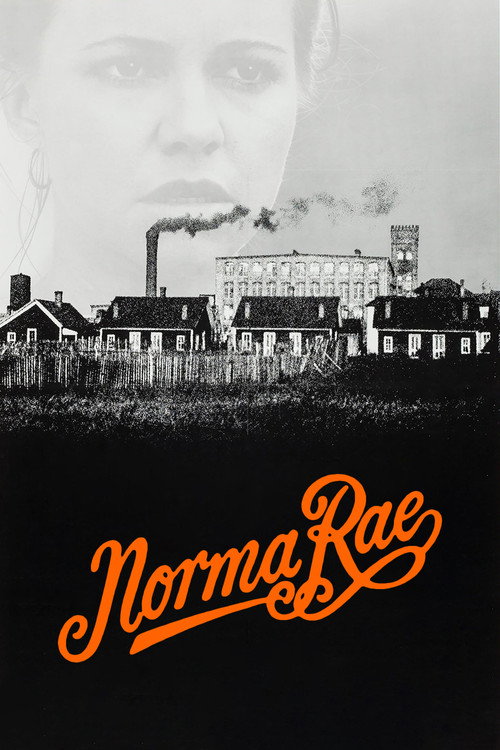
Norma Rae1979
Sally Field's transformative performance anchors this story of a woman finding her voice through labor activism. Like Roe, it's about individuals catalyzing systemic change, but told through lived experience rather than courtroom drama.
But The pacing feels deliberate and slow by modern standards. Some may find the sentimentality around working-class struggle heavy-handed.
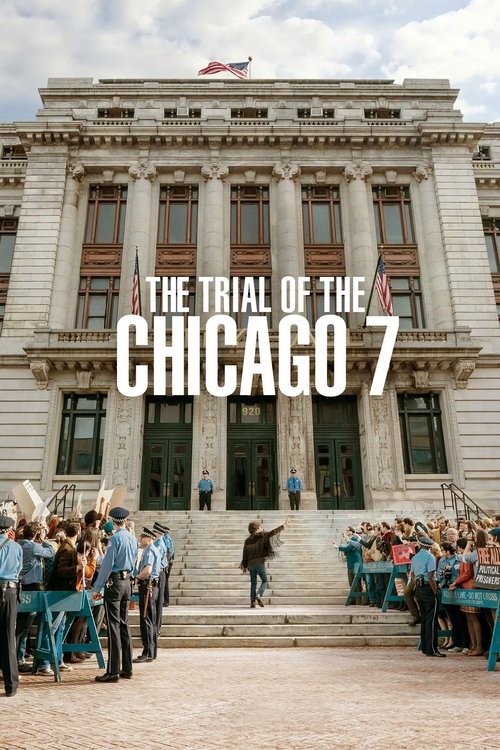
The Trial of the Chicago 72020
Aaron Sorkin's energetic courtroom drama about how political movements intersect with the justice system. Sharp dialogue and ensemble cast make the legal mechanics engaging, even when you know the outcome.
But It privileges the theatrical over the historical, compressing events and simplifying motives. Sorkin's style dominates everything.
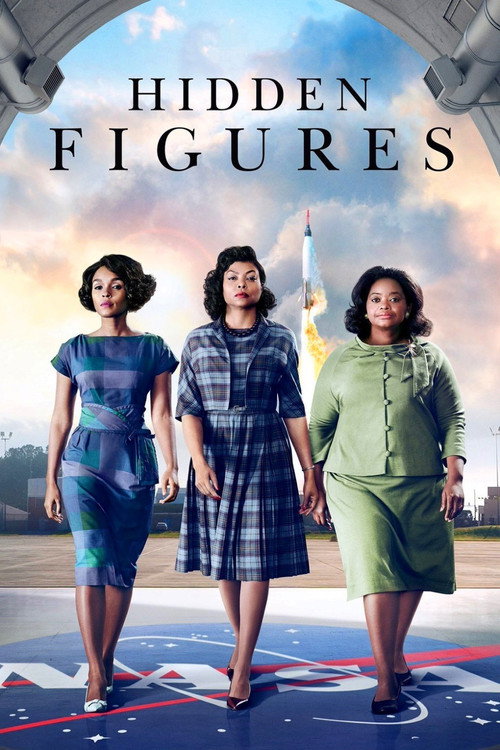
Hidden Figures2016
Celebrates overlooked figures whose contributions changed history. Strong performances and a narrative about marginalized people fighting systemic barriers will appeal to the same impulse as Roe's framing.
But Mainstream awards-bait can feel sanitized. Some find its approach to racism too comfortable for a white audience.
Not sure tonight? Get a pick in a minute, starting from Roe v. Wade
The wildcard
Something you would not have found on your own.
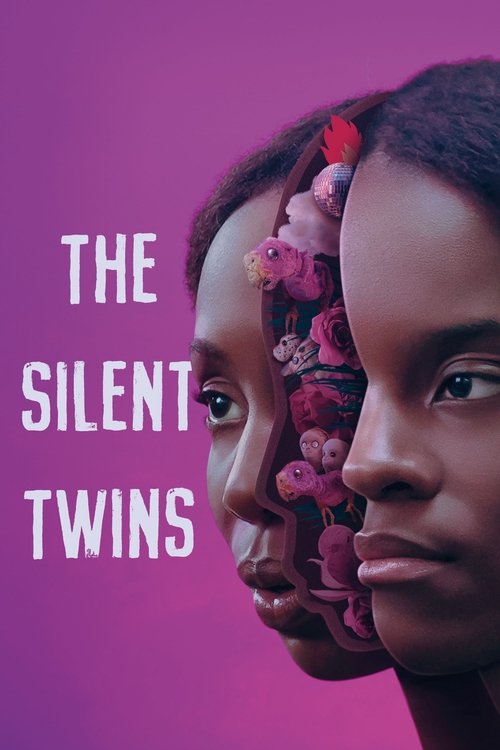
The Silent Twins2022
Both are fundamentally about legal and institutional fights over what people can do with their own bodies, but Silent Twins approaches it through psychological thriller rather than legal argument, centering voices Roe doesn't.
Explores how institutions constrain bodily autonomy and self-determination. Two Black women's right to their own minds and choices forms the emotional core—a different angle on the question of who controls what happens to your body.
But A lesser-known film with uneven execution. Some find the depiction of mental illness reductive and the ending unsatisfying.
More like this (8)
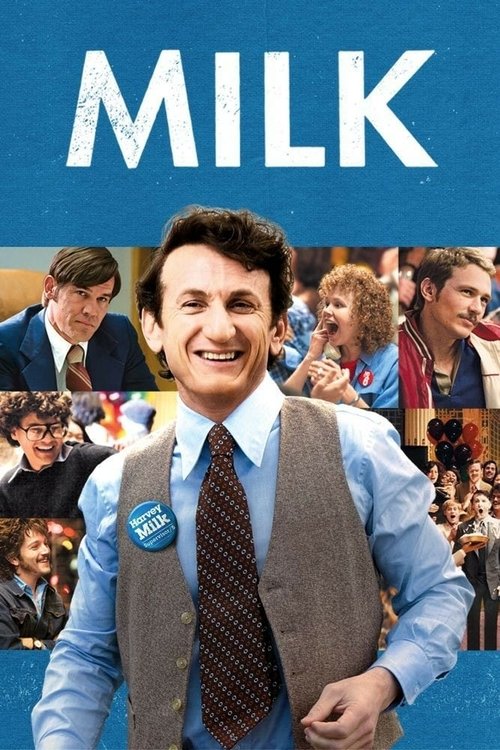
Milk2008
Sean Penn's Harvey Milk fights for rights through political organizing and legal strategy. It's another film about how change happens through determined individuals willing to stake everything.
But The subject matter—gay rights in the 1970s—may feel distant if you're looking for contemporary resonance. Gus Van Sant's direction is contemplative rather than propulsive.
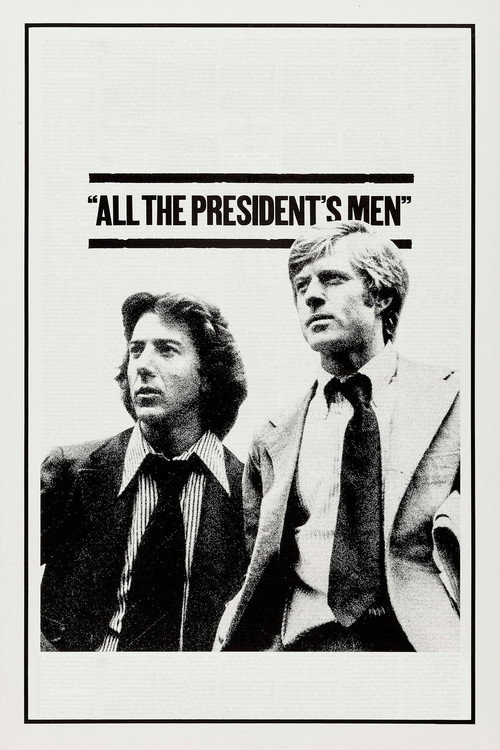
All the President's Men1976
Woodward and Bernstein uncover systemic corruption through meticulous investigation. It captures how institutions resist accountability, a theme that runs through any narrative about legal precedent.
But Two-and-a-half hours of journalism and phone calls. If you want drama over process, this will feel procedural and slow.
Spotlight2015
Boston Globe journalists excavate institutional cover-up and abuse. The film is about how truth emerges through collective effort and institutional pressure—relevant to any story about how systems are challenged.
But Deliberately restrained tone. The moral clarity might feel underdone if you prefer more explicit judgment or emotional catharsis.

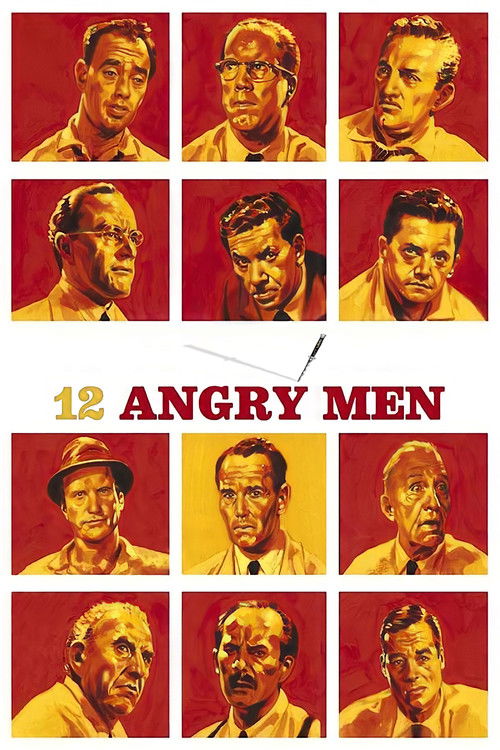
12 Angry Men1957
Sidney Lumet's masterpiece about jury deliberation shows how individuals change minds through argument and moral persuasion. It's fundamentally about the justice system as a battleground for competing values.
But Exclusively interior, one room, twelve men. If you need visual variety or contemporary sensibility, it will feel claustrophobic and dated.
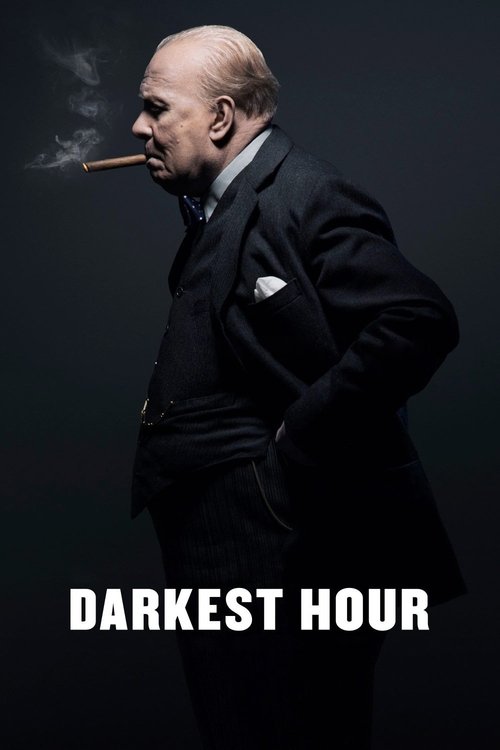
Darkest Hour2017
Gary Oldman as Churchill during a moment when one person's conviction shapes history. It's another film about an individual believing they're right when institutions doubt them.
But Prestige biopic formula. Some find it more interested in Oldman's performance than in Churchill's actual moral complexity.
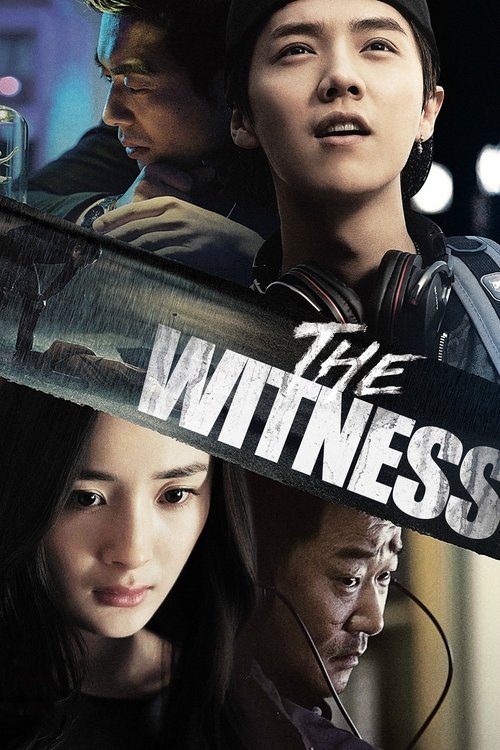
The Witness2015
Documentary about Kitty Genovese's murder and how narrative shapes public understanding of events. Explores how competing versions of truth become historical record—central to any contested historical event.
But Metafilmic and self-aware in ways that undercut dramatic tension. The subject matter is grim and the approach is deliberately unglamorous.
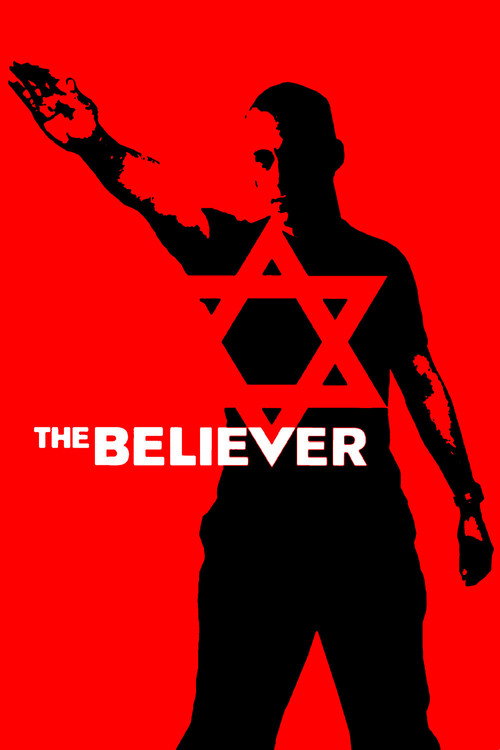
The Believer2001
Like Roe, it's interested in how intelligent people arrive at different moral conclusions. But where Roe assumes positions are fixed and oppositional, Believer shows conviction as something fluid and dangerous—a more unsettling angle on the same territory.
Ryan Gosling as a Jewish white-supremacist investigates radicalization and the possibility of changing fundamental convictions. Philosophically restless rather than didactic, asking hard questions about how people arrive at their beliefs.
But Deeply uncomfortable subject matter. The film refuses easy answers and its moral stance is genuinely ambiguous, which many find frustrating.
Winter Light1963
Both films are about individuals convinced they possess moral truth and the authority to act on it. Roe frames this as righteous victory; Winter Light questions whether moral certainty is even possible, offering no triumph or resolution—a sobering counterweight to the polemic.
Bergman's stark Swedish masterpiece about faith, doubt, and the inability to persuade others toward what you believe is right. A priest confronts the limits of his moral authority in the face of human suffering and indifference.
But Bleak, slow, and offered without the comfort of resolution. Shot in black-and-white in the early 1960s. Requires patience and tolerance for existential pessimism.

People
Cast
 Jon VoightJustice Burger
 Nick LoebDr. Bernard Nathanson
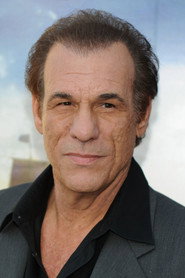 Robert DaviJustice Brennan
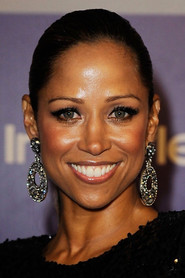 Stacey DashDr. Mildred Jefferson
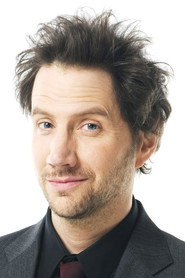 Jamie KennedyLarry Lader
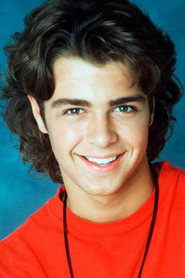 Joey LawrenceRobert Byrn
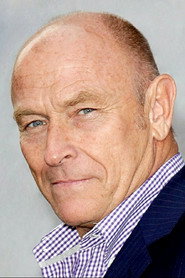 Corbin BernsenJustice Blackmun
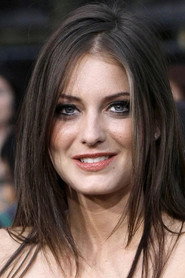 Justine WachsbergerLinda Coffee
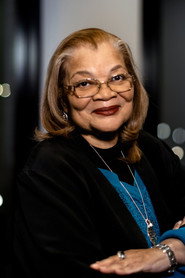 Alveda KingGuthrie Jefferson
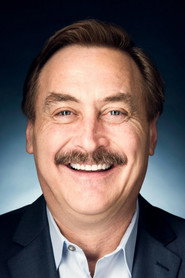 Mike LindellNews Anchor
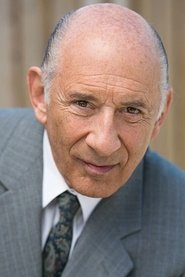 Richard PortnowJustice William Douglas
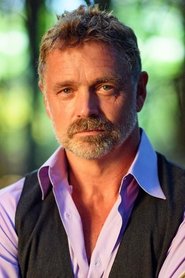 John SchneiderJustice Byron White
Directing
- Cathy AllynDirector
- Nick LoebDirector
Writing
- Cathy AllynWriter
- Nick LoebWriter
Production
- Dustin Cole BlackburnCasting
- Mindy RobinsonCo-Producer
- Alan PaoExecutive Producer
- Alveda KingExecutive Producer
- Andrew CottonExecutive Producer
- Blair HahnExecutive Producer
- Chérie BallingerExecutive Producer
- Diane HeavinExecutive Producer
- Gary HeavinExecutive Producer
- George HardyExecutive Producer
- James GarveyExecutive Producer
- Jean-Paul AfifExecutive Producer
- Jennifer Bini TaylorExecutive Producer
- Jim CorbettExecutive Producer
- Jordi RediuExecutive Producer
- Joseph C. CanizaroExecutive Producer
- Kurt FethkeExecutive Producer
- Kyle StallingsExecutive Producer
- Luke DanielsExecutive Producer
- Michael BassickExecutive Producer
- Michael BrickmanExecutive Producer
- Michael LaundonExecutive Producer
- Nick ByasseeExecutive Producer
- Octavius PrinceExecutive Producer
- Olivia Desiree SchulerExecutive Producer
- Raffi KhorozianExecutive Producer
- Ralph SchmidtExecutive Producer
- Scott GieselmanExecutive Producer
- Scott MexicExecutive Producer
- Sue Ellen CanizaroExecutive Producer
- Travis McCoyExecutive Producer
- Troy DuhonExecutive Producer
- Warren OstergardExecutive Producer
- Gary M. LittleLocation Assistant