
Film
Sanshiro Sugata
Kurosawa's directorial debut follows a hot-headed youth who transforms through judo training in 1880s Japan, learning that true strength lies in discipline and spirit rather than raw power. It's a coming-of-age story shot with striking visual clarity, combining martial arts spectacle with genuine emotional depth. For anyone drawn to character transformation, classical cinema, or the roots of martial arts film.
Should you watch it?
Watch it if you love films about a stubborn student slowly learning that discipline matters more than winning, told with the patient framing of a wartime-era period piece.
Skip it if you want fights to dominate the runtime, since the martial action is spread thin across long stretches of training and moral instruction.
What it asks of you: A brisk ninety-seven minutes with a steady, earnest rhythm; it asks you to sit through long quiet scenes of teaching and reflection and to accept its sincere, unironic tone.
Not sure? Find tonight's pick in a minute.
If you liked this
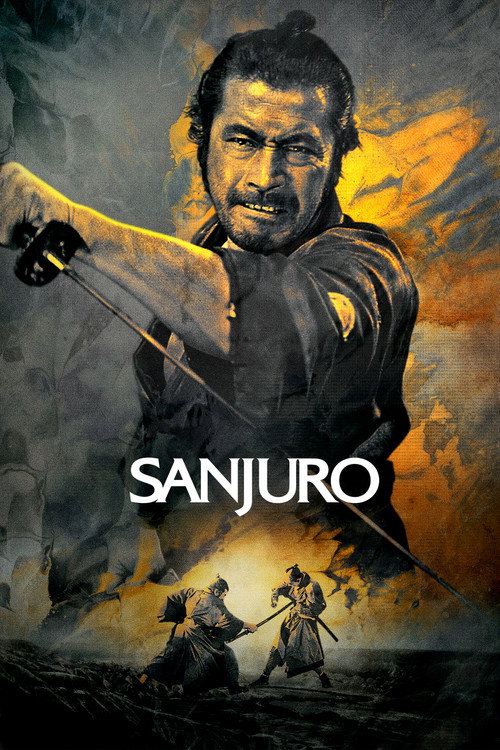
Sanjuro1962
Kurosawa's late samurai film explores honor and betrayal with the same moral complexity that defines Sanshiro, asking what happens when tradition collides with brutal reality.
But It's considerably more violent and cynical than Sanshiro, and the ending will unsettle you in ways Kurosawa clearly intended.
Harakiri1962
A masterpiece about samurai code and personal conviction that matches Sanshiro's thematic depth—how do we define honor when the system around us is corrupt?
But It's a slow, meditative chamber piece about failure and sacrifice, not the rousing victory you might expect from a martial arts film.

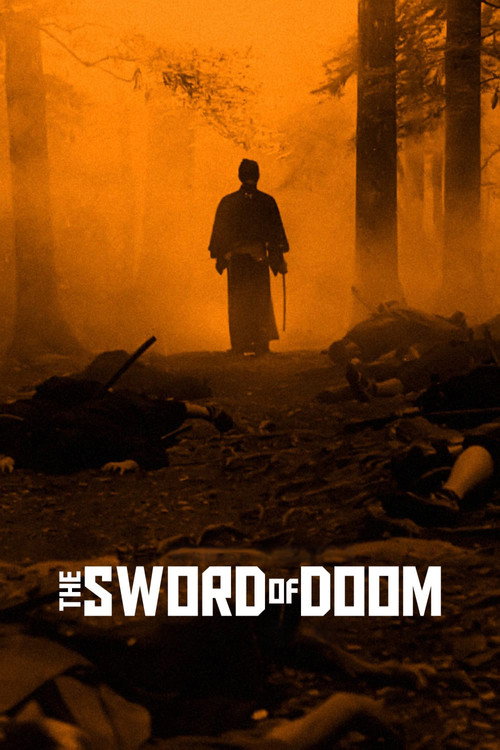
The Sword of Doom1966
Tatsuya Nakadai gives a mesmerizing performance as a swordsman haunted by his own nature, exploring darkness where Sanshiro found light—same era, opposite moral trajectory.
But It's bleak, philosophically abstract, and deliberately ugly in ways that make traditional beauty feel like a luxury.
Not sure tonight? Get a pick in a minute, starting from Sanshiro Sugata
The wildcard
Something you would not have found on your own.
Tokyo Story1953
Both are post-war Japanese films about transformation through acceptance rather than conquest, using composition and silence as their primary language.
Ozu's masterpiece sits in the exact same historical moment and shares Sanshiro's faith in quiet discipline and emotional honesty—both find profundity in restraint and acceptance.
But There is no plot in the conventional sense, no conflict to resolve, and almost no music. If you're coming for action, you'll be confused.

More like this (7)
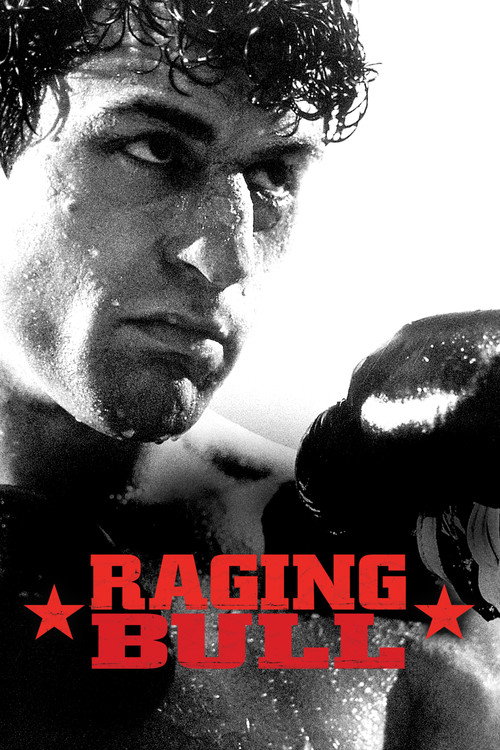
Raging Bull1980
Scorsese's boxer film echoes Sanshiro's structure—a man learning discipline through combat—but charts a messier, more psychologically fractured journey toward self-knowledge.
But It's a brutal character study that treats its protagonist's ugliness as honest, not redeemable. The black-and-white cinematography takes getting used to.
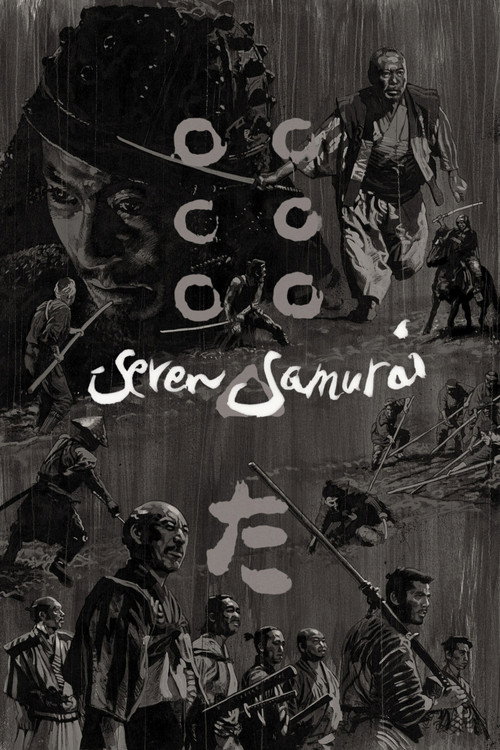
Seven Samurai1954
Kurosawa's epic returns to similar themes of humble warriors discovering their purpose through action, with gorgeous compositions and that same moral clarity about what matters.
But At three and a half hours, it demands patience, and the battle sequences, while thrilling, are extended and sometimes slow by modern standards.
Ikiru1952
Kurosawa's meditation on purpose and dignity in ordinary life shares Sanshiro's belief that transformation comes through commitment to something larger than yourself.
But It's profoundly melancholic, built around the knowledge of approaching death, and offers no martial arts excitement whatsoever—pure internal drama.

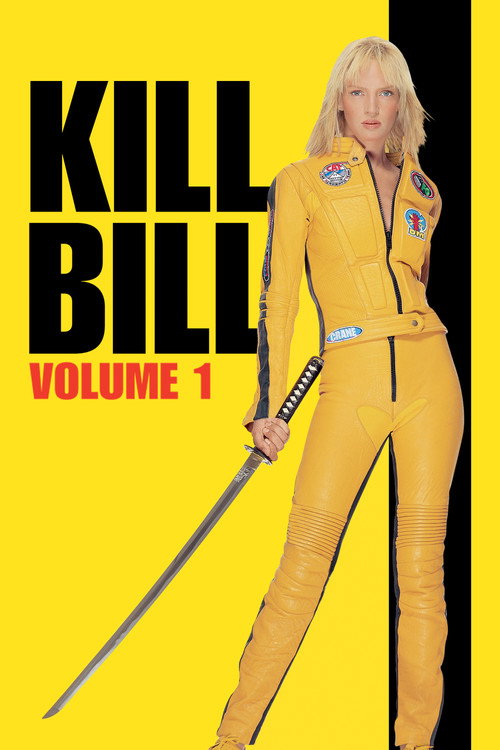
Kill Bill: Vol. 12003
Tarantino's love letter to martial arts cinema, including explicit homage to Kurosawa's compositions and pacing—a way to see how Sanshiro's visual language influenced decades of filmmaking.
But It's extremely stylized violence with tongue planted firmly in cheek; if you're watching Sanshiro for spiritual depth, this will feel deliberately trashy.
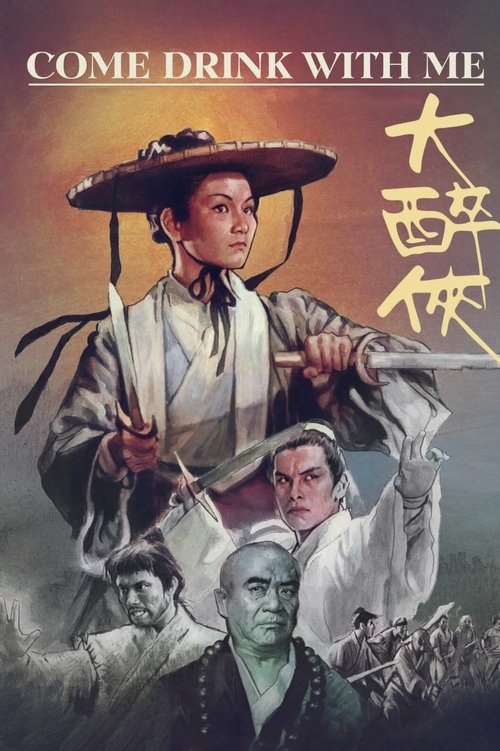
Come Drink with Me1966
King Hu's wuxia masterpiece echoes Sanshiro's balance of martial spectacle and character development, showing how the form evolved in Hong Kong cinema.
But The theatrical subtitles and wire-work aesthetic feel dated if you're accustomed to modern action, and the pacing is contemplative rather than kinetic.
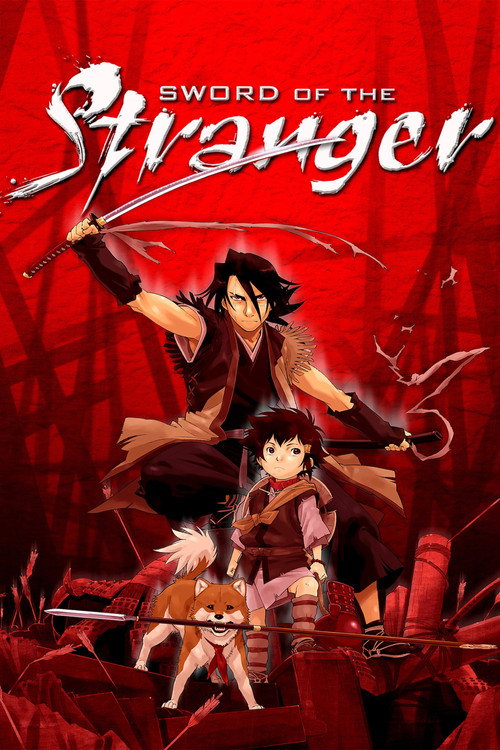
Sword of the Stranger2007
Both use martial combat as a path to spiritual clarity, and both believe that the highest form of martial skill is knowing when not to fight.
This anime film distills Sanshiro's entire thesis—the journey from violence to purpose—into 100 minutes of breathtaking action and genuine emotional stakes that feel earned.
But It's anime, which means some will dismiss it immediately. The final battle is almost unbearably intense; if you're watching for contemplation, the climax is overwhelming.
The Seventh Seal1957
Both believe transformation comes through acceptance of limitation rather than conquest of it; both use a single protagonist's journey to ask what a life should mean.
Bergman's meditation on mortality and meaning uses a medieval knight where Kurosawa uses a judoka, but both are fundamentally about how we become ourselves through confrontation with something larger.
But It's Swedish, philosophical, shot in black-and-white, and moves at the speed of thought rather than plot. It will feel remote if you're not prepared to sit with it.

People
Cast
 Denjirō ŌkōchiShogoro Yano
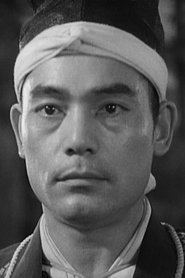 Susumu FujitaSanshiro Sugata
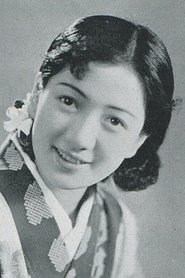 Yukiko TodorokiSayo Murai
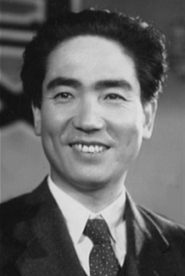 Ryūnosuke TsukigataGennosuke Higaki
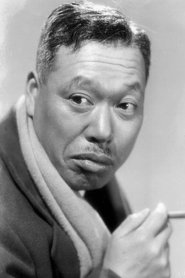 Takashi ShimuraHansuke Murai, Sayo's father
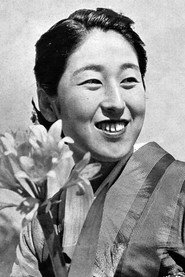 Ranko HanaiOsumi Kodana
- Sugisaku AoyamaTsunetami Iimura
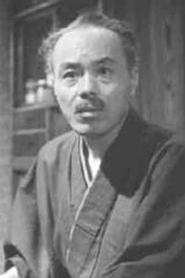 Ichirō SugaiPolice Chief Mishima
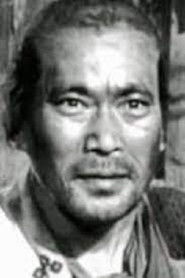 Yoshio KosugiMaster Saburo Kodama
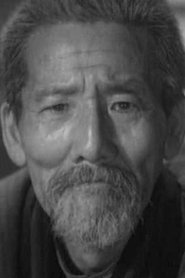 Kokuten KōdōBuddhist Priest
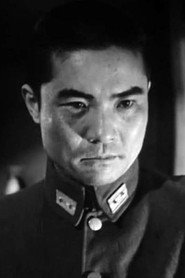 Akitake KōnoYoshima Dan
Directing
- Seki NakamuraAssistant Director
- Akira KurosawaDirector
Writing
- Tsuneo TomitaNovel
- Akira KurosawaScreenplay
Production
- Keiji MatsuzakiProducer