
Film
Martial Arts of Shaolin
A 1986 martial arts film where Jet Li's character trains at the legendary Northern Shaolin temple to avenge his father's death. It's energetic and straightforward—the kind of film that trusts you to show up for fighting and doesn't apologize for it. A window into how action cinema worked before everything got complicated.
Should you watch it?
Watch it if you love Jet Li's early kung fu films for their brisk, practical fighting and a light comic streak running alongside the revenge plot.
Skip it if you want a slow build or deep character work; at under ninety-five minutes it moves quickly and leans on set-piece brawls over emotional texture.
What it asks of you: Settle in for a short, brisk ride with little downtime, where the rhythm is set by training montages, bouts and quick jokes rather than long quiet stretches.
Not sure? Find tonight's pick in a minute.
If you liked this
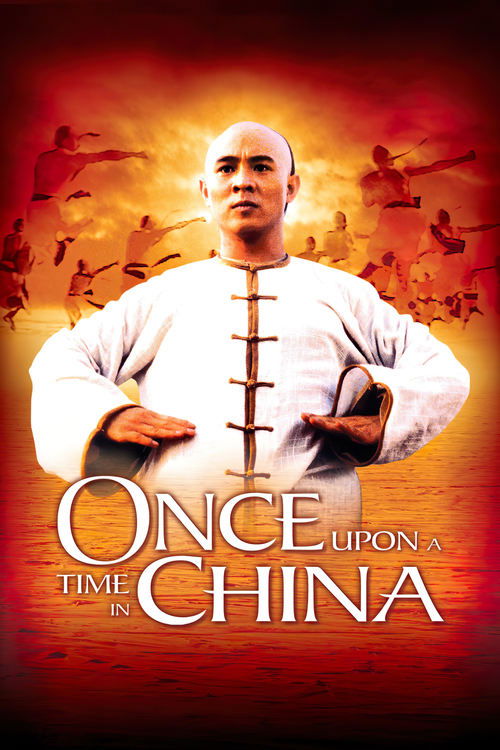
Once Upon a Time in China1991
Jet Li plays Wong Fei-hung with genuine charisma, and the action choreography is inventive and beautiful. Tsui Hark directs with style that feels effortless. It's the film that made Li an international star for good reason.
But The plot lurches between melodrama and historical lesson. If you need a tight narrative, this will frustrate you.
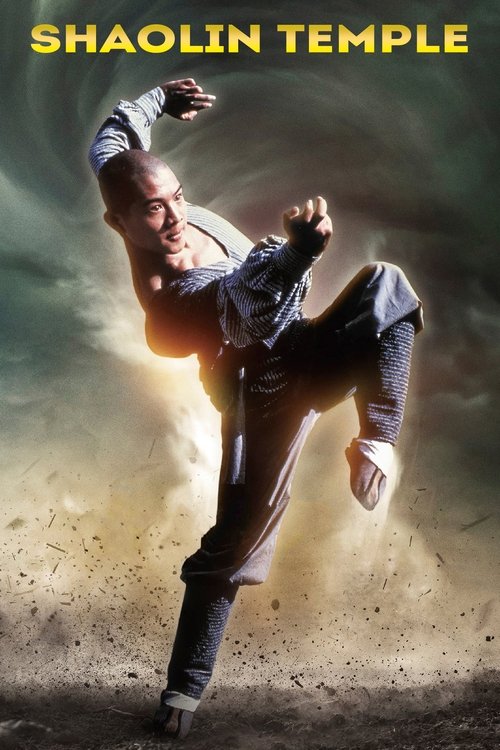
Shaolin Temple1982
The film that started the Shaolin temple boom and introduced Jet Li to cinema itself. Wonderfully earnest, with training sequences that still hold up. Essential context for understanding 1980s action filmmaking in Hong Kong and China.
But It's even more plot-light than Martial Arts of Shaolin. The dubbing is distinctly of its era. Plot coherence is not the point.
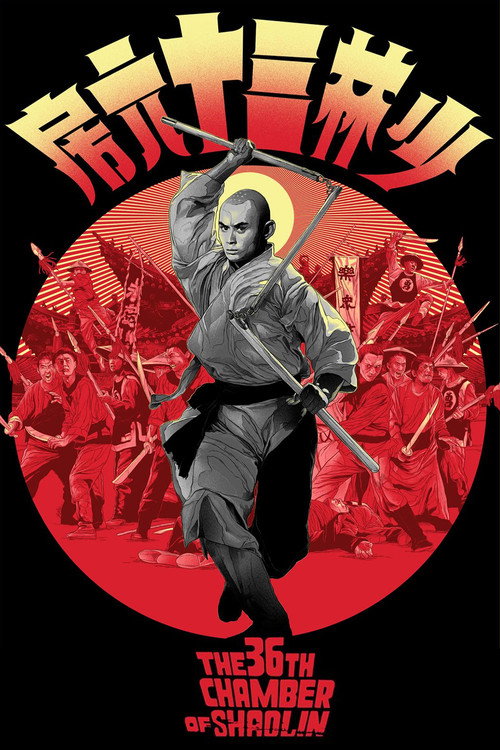
The 36th Chamber of Shaolin1978
Gordon Liu learns kung fu across 36 training chambers in a film that influenced everyone who came after. It's beautifully paced, funny without trying too hard, and the action is clear and inventive. Pure cinema.
But It's deliberate and slow by modern standards. Patience is a prerequisite. Some viewers find the training sequences repetitive rather than meditative.
Not sure tonight? Get a pick in a minute, starting from Martial Arts of Shaolin
The wildcard
Something you would not have found on your own.
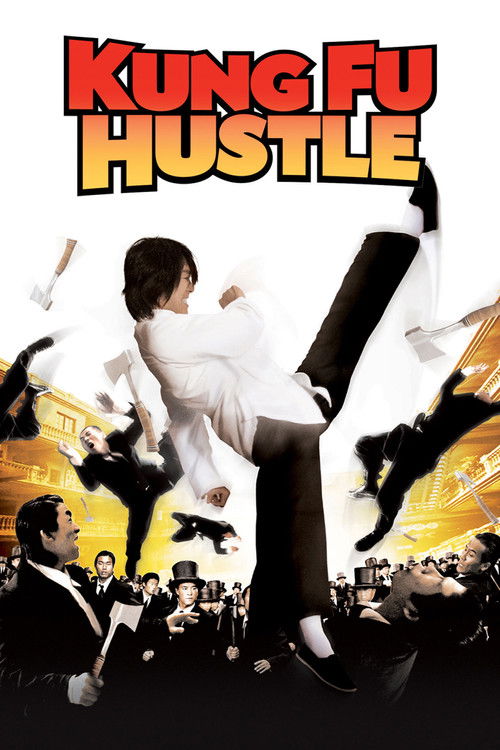
Kung Fu Hustle2004
Both are Shaolin-adjacent films about training and revenge, but Chow weaponizes comedy to create genuine emotion where Martial Arts of Shaolin kept things simple. One is earnest, one is ironic, but both understand that the body tells stories words cannot.
Stephen Chow directs and stars in a film that reverses the genre: the underdog is a small-time crook, and the masters are strange residents of a run-down apartment. It's hilarious, melancholic, and the action is stunning. Chow loves the form enough to transform it.
But The tone is deliberately unstable—it careens between slapstick, genuine danger, and pathos. Viewers who want consistency will find it jarring. The humor is specifically Hong Kong in sensibility.
More like this (8)
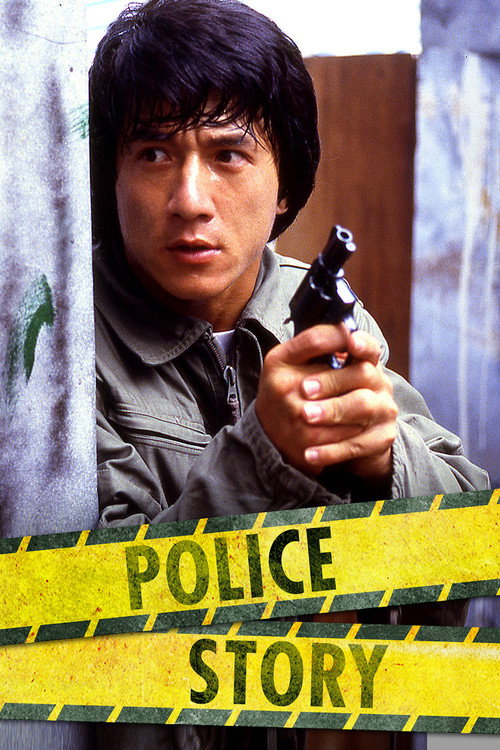
Police Story1985
Jackie Chan's masterpiece: a cop action-comedy where the stunts are real and the humour lands without undercutting the stakes. It has everything—wit, heart, danger, and a finale that still astonishes.
But The pacing is frenetic and can feel scattershot. If you prefer coherent plots, the story is threadbare.
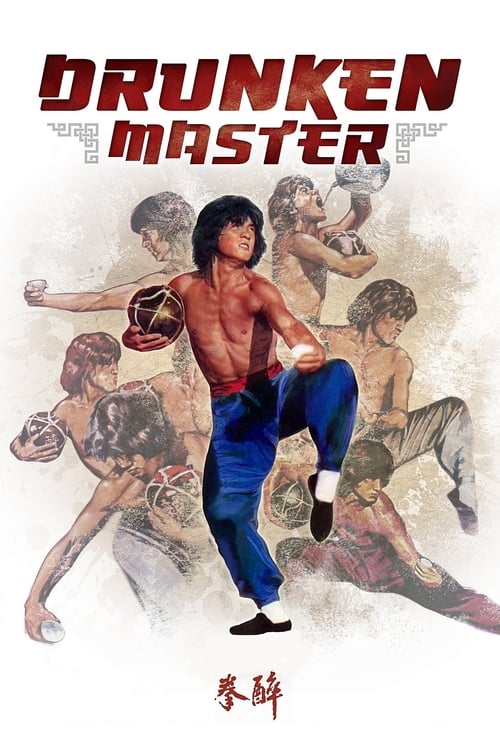
Drunken Master1978
Jackie Chan and Yuen Woo-ping create pure joy. Chan's physical comedy and the fighting are perfectly matched. It's the blueprint for action-comedy that actually works because both elements earn their space.
But The plot is paper-thin and the dubbing dated. The humor is broad and sometimes crude. It's almost pure spectacle—if that bothers you, don't bother.
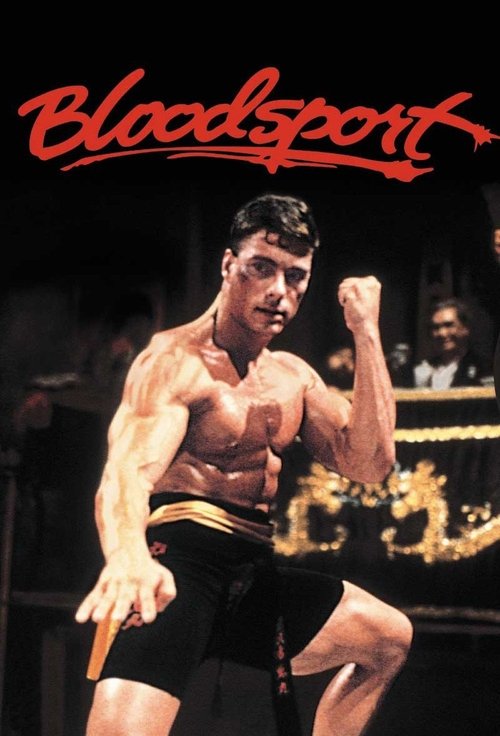
Bloodsport1988
Jean-Claude Van Damme in a tournament film that's unexpectedly earnest about honor and discipline. The fights are varied and well-shot. It's pulp with a beating heart.
But The dialogue and framing device are clunky. Van Damme's acting isn't subtle. The film moves awkwardly between dramatic weight and low melodrama.
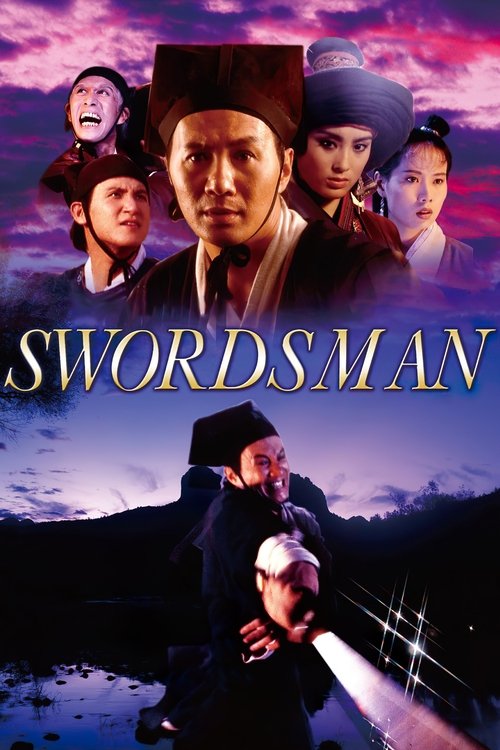
Swordsman1990
Jet Li returns with Tsui Hark, now even more confident in the blend of wire work and traditional choreography. The swordplay is intricate and the film knows when to joke about itself.
But The plot becomes genuinely convoluted by the third act. Some of the CGI hasn't aged well. It's a sequel that mostly works as a standalone but carries some baggage.
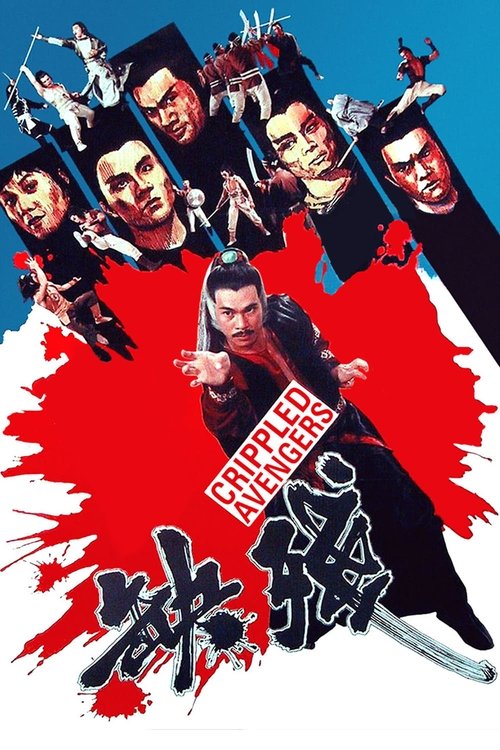
Crippled Avengers1978
Chang Cheh directs five masked fighters with distinct styles in a mystery that respects your intelligence. Each character's martial art is visually distinct and narratively purposeful. Lean and satisfying.
But It's slower than modern action films and deliberately measured. The twist ending requires attention and rewards it unevenly. Some plot threads feel undercooked.
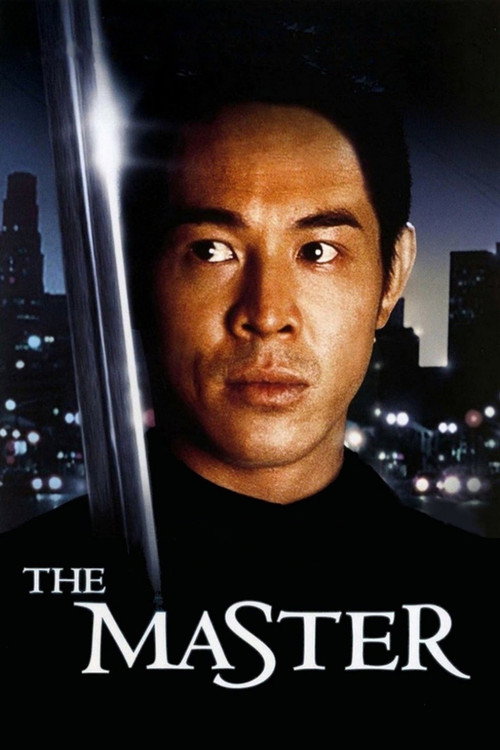
The Master1992
Jet Li plays a character seeking redemption through martial skill, directed with style. There's genuine melancholy underneath the action. It's a film that takes its hero's burden seriously.
But It's been overshadowed by Li's other work for a reason—it doesn't quite land the balance between weight and entertainment. Some action sequences feel perfunctory.
Harakiri1962
Both films are about training and honor within systems, but Harakiri asks if those systems deserve loyalty. Martial Arts of Shaolin celebrates the temple; Harakiri condemns the structures that demand sacrifice. One affirms the journey, one questions why we make it.
Masaki Kobayashi's film about ritual suicide and the Samurai code is formally beautiful and deeply pessimistic. It's a critique of honor dressed as a period piece. The swordplay is sparse and devastating—every moment counts.
But It's slow, bleak, and philosophically distant. There's no triumph here, only the machinery of systems grinding people to dust. If you watch martial arts films for catharsis, this will leave you hollow.

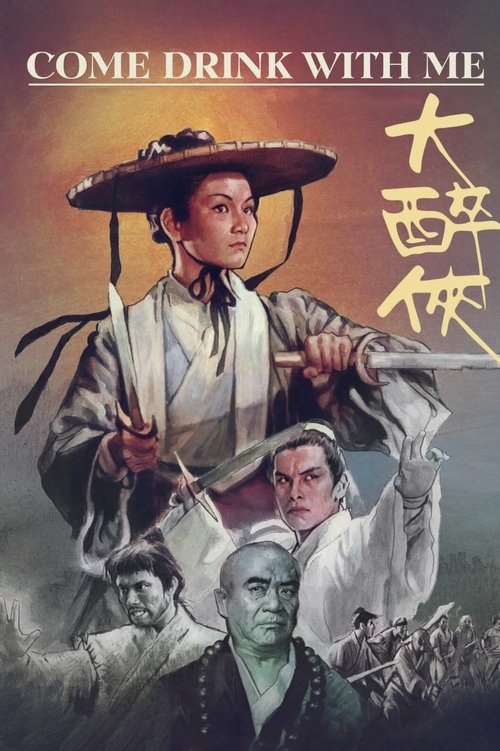
Come Drink with Me1966
Where Martial Arts of Shaolin is a product of its era's action boom, Come Drink with Me is the ancestor—it established that movement could carry meaning and that stillness could be as powerful as spectacle. One follows the blueprint, one invented it.
King Hu's debut is a wuxia film that invented the visual language later films would copy. Cheng Pei-pei moves through frames with balletic grace. It's hypnotic—long takes, minimal dialogue, and action that feels like dance. Pure cinema.
But Almost nothing happens by plot standards. It's paced like poetry, not narrative. If you need story momentum, this film will feel like watching someone else's meditation.
People
Cast
 Jet LiLin Zhi Ming
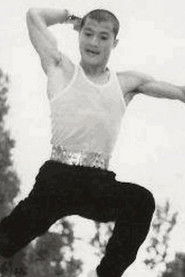 Hu Jian-QiangChao Wei
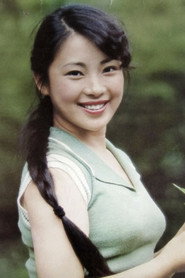 Huang QiuyanSima Yan
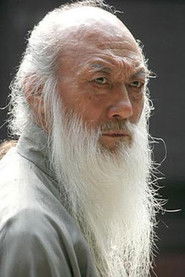 Yu ChenghuiLord He Suo
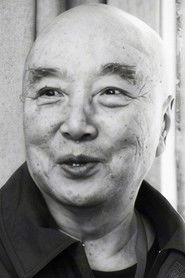 Yu HaiMaster Shi Ren
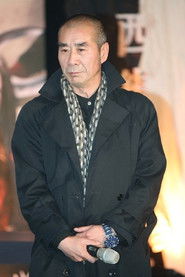 Sun JiankuiLord He's Bodyguard
- Liu Huai-LiangLord He's Bodyguard
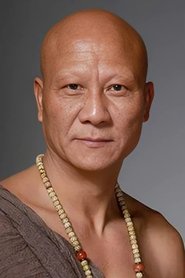 Ji ChunhuaLord He's Bodyguard
 Mak Wai-CheungWei Fang
- Yan Di-HuaMaster Wu Lou
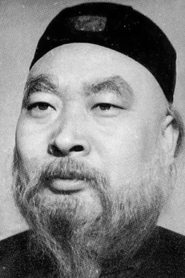 Cao ZengyinSima Cheukyin
Directing
- Lau Chaw-ChauAssistant Director
- Sze Yeung-PingAssistant Director
- Lau Kar-leungDirector
- Yu Lai-YinScript Supervisor
Writing
- Sze Yeung-PingScreenplay
Production
- Fu ChiProducer
- Lu Yin-PeiProduction Manager
- Stephen Lam Bing-KwanProduction Manager
Recommended by
Legend of the Fist: The Return of Chen Zhen, The Butterfly Murders