
Film
The Magic Garden of Stanley Sweetheart
A 1970 film following a Columbia dropout navigating the sexual revolution, identity, and the counterculture moment. It's a genuine period artifact—messy, earnest, sometimes awkward, capturing what it felt like to be young and adrift when the old rules were crumbling. For viewers curious about how 70s cinema actually portrayed sexual awakening and generational rebellion, not the sanitised version.
If you liked this
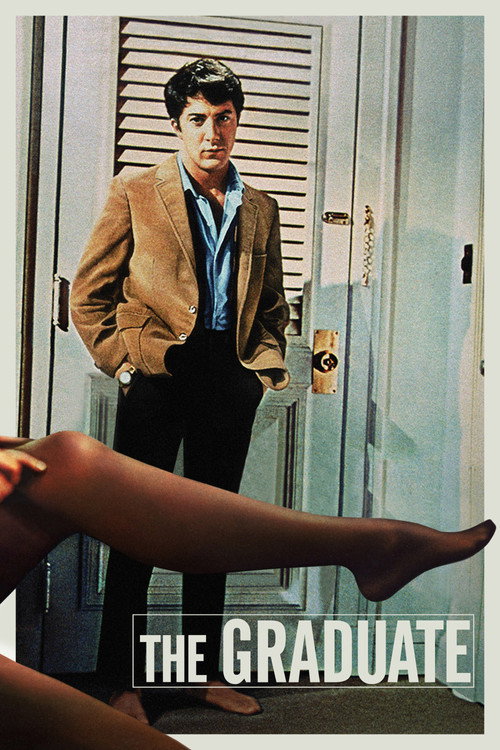
The Graduate1967
The obvious predecessor: a young man adrift, sex, parental pressure, and the suffocation of post-war American expectations. Dustin Hoffman's confusion is the blueprint for every uncertain protagonist that follows.
But It's been culturally digested to death. The cynicism has calcified into cliché, and seeing it now can feel like watching a photocopy.
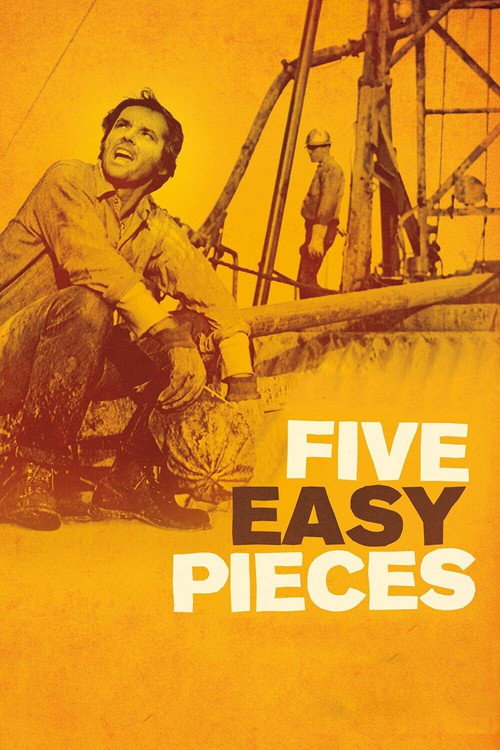
Five Easy Pieces1970
Jack Nicholson as a drifter refusing to fit anywhere. Raw, frustrated masculinity and the impossibility of going home again. Released the same year and capturing the same restless energy from a different angle.
But It's slower and stranger than you'd expect. The payoff is behavioural, not narrative—some find that unsatisfying.
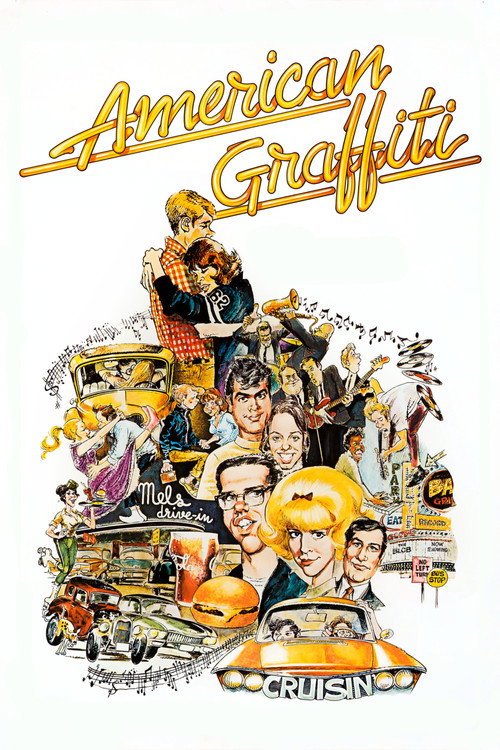
American Graffiti1973
Young men on the eve of change, one last night before the future arrives. It's warmer than Stanley Sweetheart but shares the bittersweet nostalgia for a world that's already disappearing.
But The ensemble structure means no character gets deep exploration. It's more mood than psychology.
Not sure tonight? Get a pick in a minute, starting from The Magic Garden of Stanley Sweetheart
The wildcard
Something you would not have found on your own.
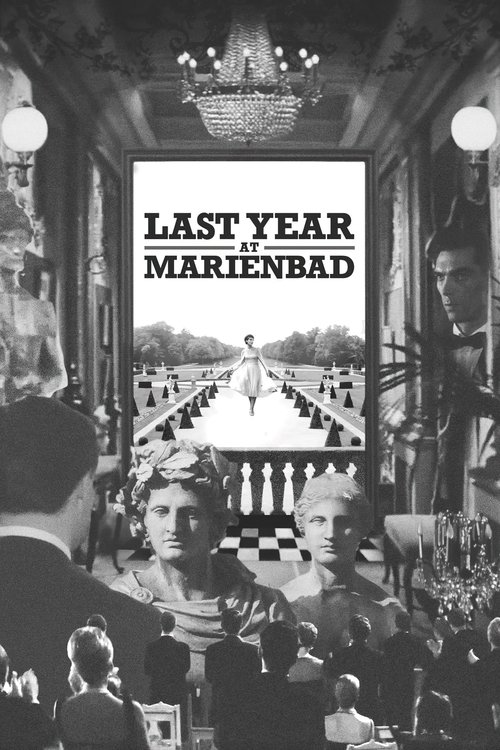
Last Year at Marienbad1961
Both films are philosophically interested in whether identity is discovered or invented, and both use seduction and conversation as the engine for exploring that.
Alain Resnais' fractured memory-film about identity and seduction at a resort. If Stanley Sweetheart is about seeking identity in the present moment, Marienbad suggests identity might not exist at all—just the stories we tell about ourselves.
But It's formally complex and deliberately resists narrative clarity. You cannot solve it; you have to surrender to the experience.
More like this (8)
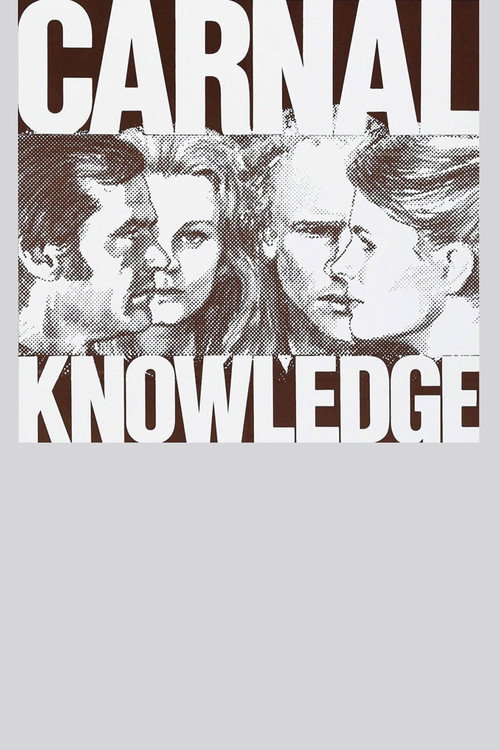
Carnal Knowledge1971
Mike Nichols' unflinching portrait of sexual entitlement across decades. Two men and their relationships with women—it's uncomfortable and angry in ways that feel urgent even now.
But It's genuinely bleak and the women are largely objects in the men's stories. The critique doesn't always feel equal to the discomfort.
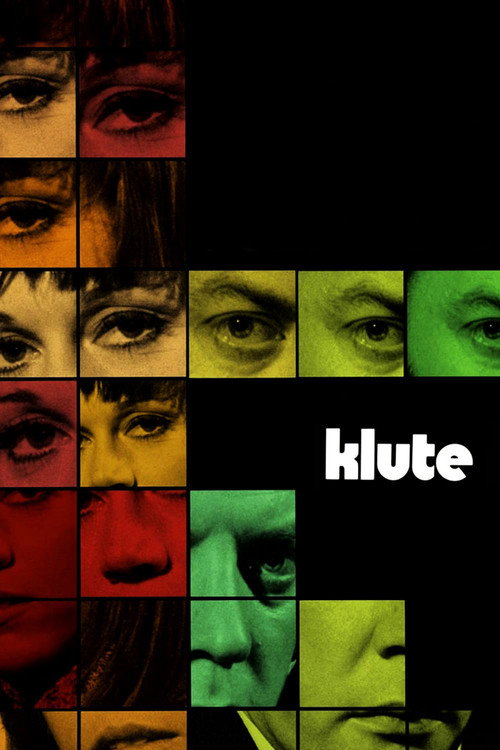
Klute1971
A woman finding agency in the margins of men's narratives. Jane Fonda's Bree is vivid and self-aware in ways that feel ahead of its moment, a counterpoint to the male drift narratives.
But It's a thriller first, which means character sometimes bends to plot. The mystery element can overshadow the psychological exploration.
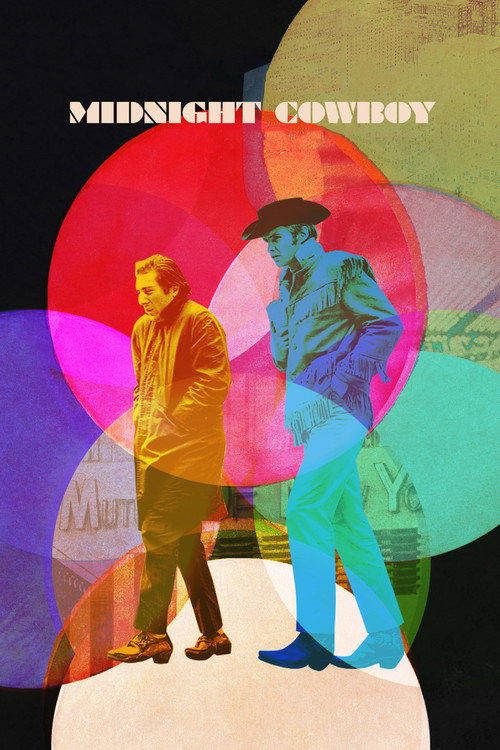
Midnight Cowboy1969
A deeper, darker version of young male displacement. Jon Voight's Joe Buck is searching for identity in the city's underbelly. It's brutal about what happens when adrift meets desperate.
But It's genuinely grim and sexually exploitative in its subject matter, not just its themes. Viscerally uncomfortable viewing.
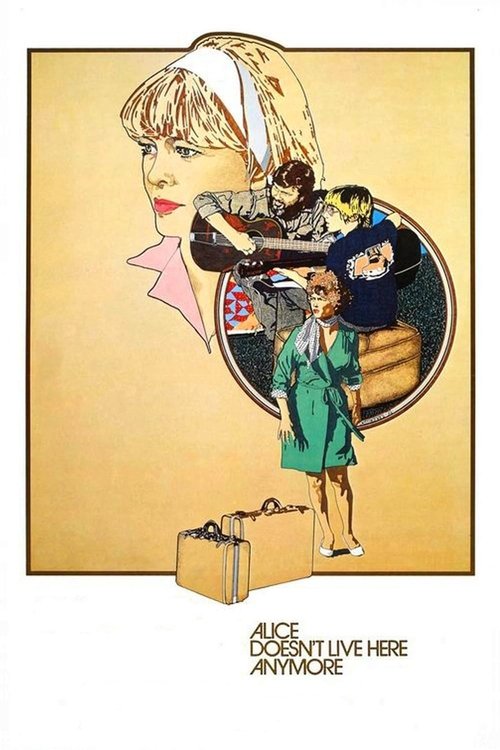
Alice Doesn't Live Here Anymore1974
Ellen Burstyn as a widow reinventing herself after her husband's death. It's about the same search for identity but from a woman who has to rebuild everything. Scorsese's only film centered on female agency.
But It's quieter than expected, more character study than story. Some find the pacing meandering.
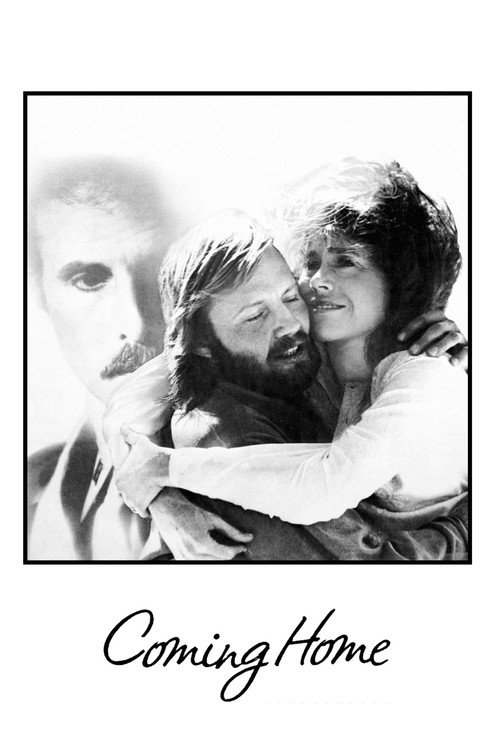
Coming Home1978
The sexual revolution colliding with Vietnam. Jon Voight and Jane Fonda in a story about desire, duty, and how the war fractured American identity at every level. More emotionally coherent than Stanley Sweetheart but working similar territory.
But The political dimensions sometimes feel schematic. It can play like a problem-solving drama rather than lived experience.
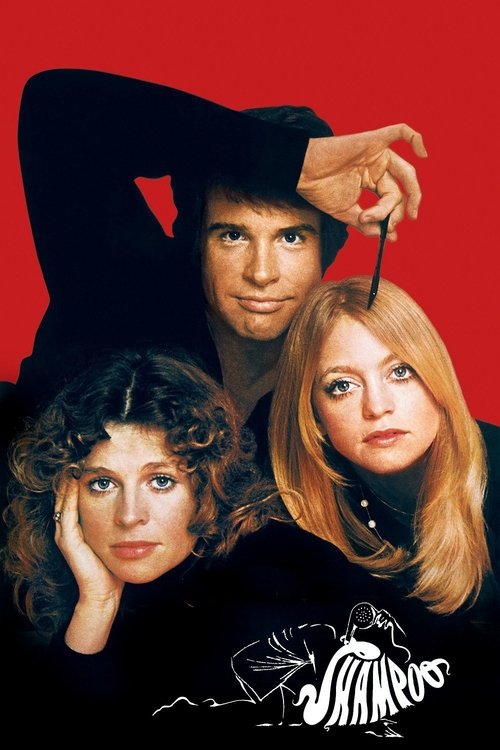
Shampoo1975
Warren Beatty as a hairdresser drifting through Los Angeles, seducing women, avoiding commitment. Funny and sad about male narcissism wrapped in the period's sexual liberation. An indirect mirror of Stanley's aimlessness.
But It's cynical about sex in ways that now read as misogynistic. The women are conquests in a man's game, and that game is the whole point, which gets thin.
Harakiri1962
Both trace a young man's impossible search for identity when the social world he inherits has already rejected the terms of his becoming.
A Japanese samurai confronting a world that no longer values what he was trained for. Visually stunning and spiritually devastating. It's about obsolescence and the cost of finding meaning in a system that's already dead.
But It's bleak, formally severe, and deeply tragic. Not an escape; a philosophical reckoning.

Mulholland Drive2001
Both films use Los Angeles and seduction as the space where identity is performed, lost, and found again—but Lynch suggests that process is fundamentally illusory.
David Lynch's Los Angeles: identity fractured, reinvented, unmade. Two women's story told in fragments, desire and ambition warping into something unknowable. If Stanley Sweetheart is earnest about the sexual revolution, this is what happens when that earnestness cracks apart decades later.
But It's deliberately opaque and refuses closure. You'll argue about what it means, and Lynch won't help. Some find that exhilarating; others find it infuriating.

People
Cast
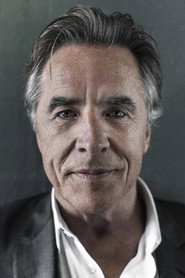 Don JohnsonStanley Sweetheart
 Linda GillenBarbara/Shayne
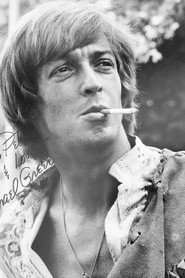 Michael GreerDanny
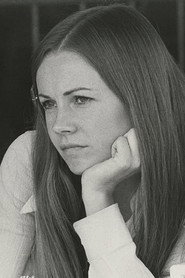 Dianne HullCathy
 Holly NearFran
 Victoria RacimoAndrea
 Candy DarlingHerself - Extra
Directing
- Leonard HornDirector
Writing
- Robert T. WestbrookNovel
- Robert T. WestbrookWriter
Production
- Robert T. WestbrookAssociate Producer
- Marion DoughertyCasting
- Vic RamosCasting
- Martin PollProducer