
Film
Ghost in the Shell: Arise - Border 3: Ghost Tears
Ghost in the Shell: Arise's third chapter deepens its reinvention of the franchise with a tighter, more intimate story. It's a meditative action film dressed as espionage thriller, exploring what consciousness means when you can abandon your body entirely. Visually stunning and philosophically restless, it's for fans who want their cyberpunk earned rather than explained.
If you liked this
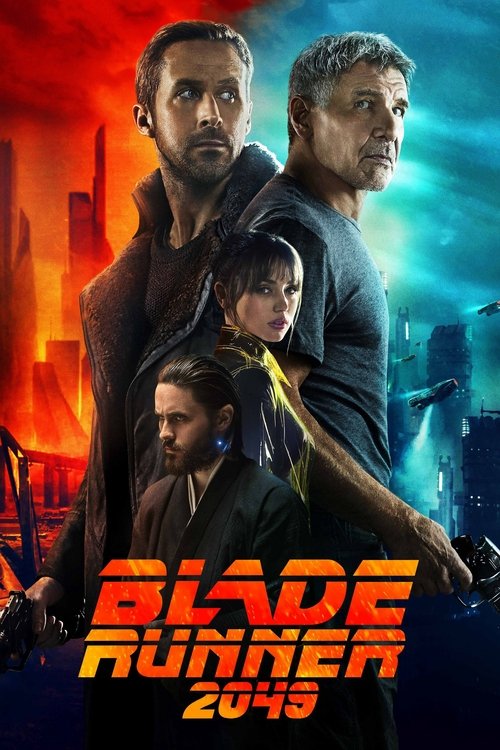
Blade Runner 20492017
A similarly meditative sci-fi film that trusts visual storytelling over exposition. Explores what it means to be human through a protagonist who isn't sure he is one. Gorgeously composed and patient with its ideas.
But Slower-paced than most action films, with long sequences of searching rather than fighting. Some find its deliberate rhythm distant rather than immersive.
Neon Genesis Evangelion1995
Another anime that uses giant robots and action as a framework for psychological and philosophical questions about identity and connection. Similarly willing to get weird and introspective in its final act.
But Older animation, deliberately abstract finale, and a bleak worldview that doesn't offer easy answers. Ends on a note many find unsatisfying rather than resonant.

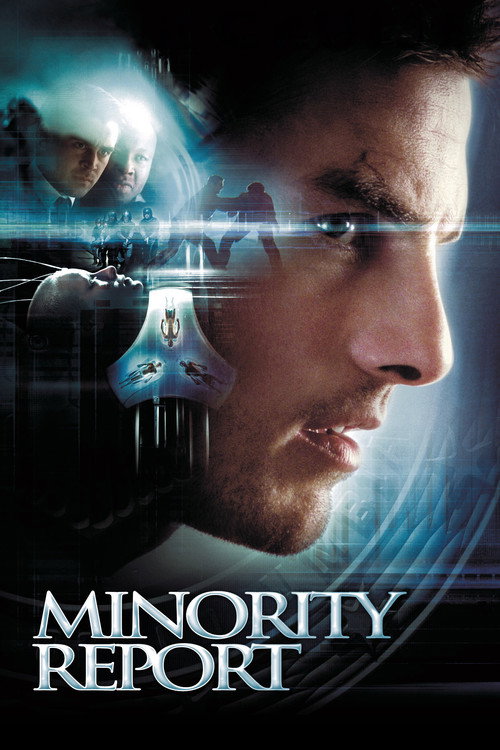
Minority Report2002
Another thriller built on the foundation of 'what if the technology we use to solve crimes could also be used to control us?' Shares Arise's fascination with surveillance, free will, and bodies that can be modified or manipulated.
But Spielberg's optimism about human connection clashes with its darker premise. More plot-driven thriller than philosophical meditation, which some find dilutes the ideas.
Not sure tonight? Get a pick in a minute, starting from Ghost in the Shell: Arise - Border 3: Ghost Tears
The wildcard
Something you would not have found on your own.
Perfect Blue1998
Both use technological alienation and the dissolution of identity as their true subject. Both trust visual language to communicate what words can't reach.
Satoshi Kon's masterpiece uses animation not for action but for fractured psychology: identity splintering across performance, surveillance, and obsession. Like Arise, it asks what remains of a self when everyone is performing a role.
But A psychological thriller about a stalked pop star; if you're watching for action, this will disappoint. Some sequences are genuinely disturbing rather than thrilling.

More like this (6)
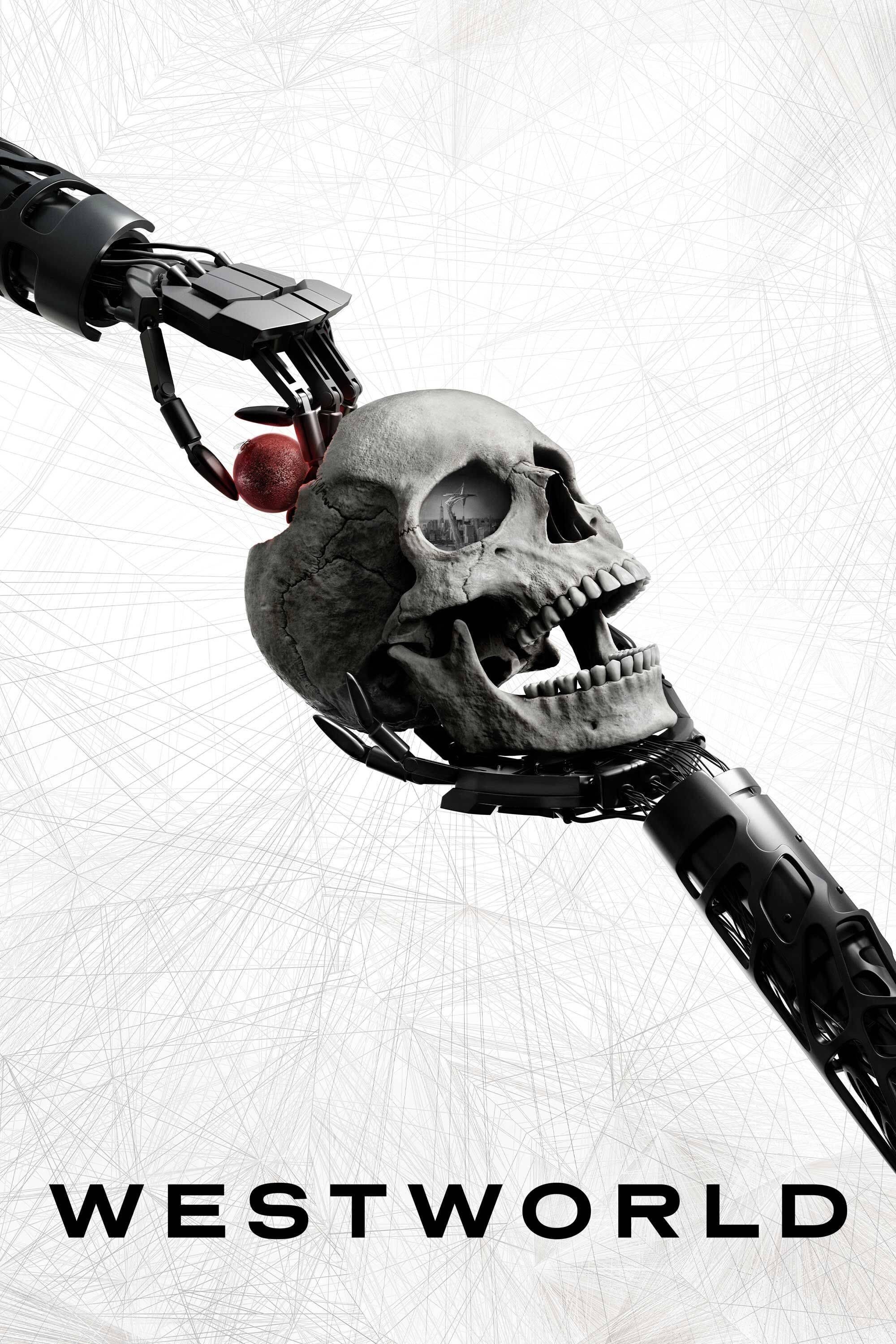
Westworld2016
A series obsessed with the same questions: What is consciousness? Can a host become more human than their creators? Uses spectacle and mystery-box plotting to explore genuine philosophical territory.
But Later seasons lost focus and became repetitive. The first season is exceptional, but the show's ambitions sometimes outpaced its storytelling discipline.
Psycho-Pass2012
Surveillance state thriller with the same intellectual energy as Arise: a system that claims to identify criminals before they commit crimes, and the moral problems lurking beneath that promise.
But Relies more heavily on plot twists and cliffhangers than philosophical depth. Some viewers find its attempts at profundity thinner than its premise suggests.

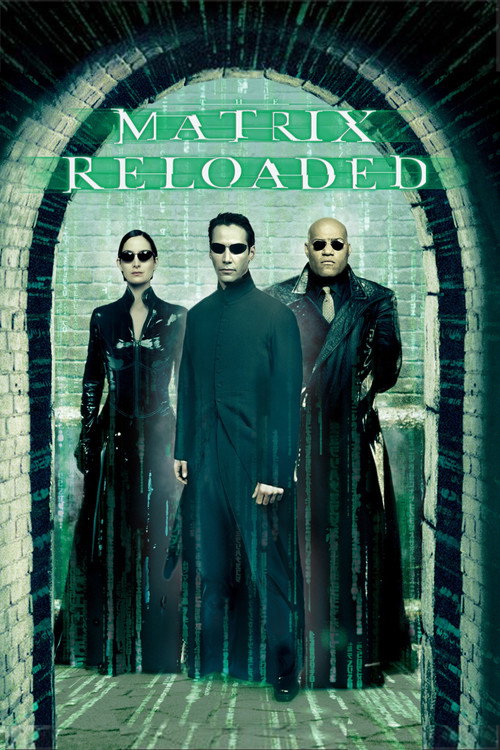
The Matrix Reloaded2003
Shares Arise's willingness to interrupt action sequences for extended philosophical conversations. Both treat technology and embodiment as sites of spiritual and practical struggle.
But Famously divisive for its focus on exposition and ideas over story momentum. If you value plot clarity, this and Arise will both test your patience.
Alita: Battle Angel2019
Cyberpunk action film about a cyborg rediscovering her identity and agency. Shares Arise's interest in bodies, consciousness, and what it means to choose your own path in a system designed to control you.
But Hollywood softens cyberpunk's philosophical edges into a more conventional hero's journey. If you want ideas over spectacle, this plays it safer than Arise does.

Harakiri1962
Both are films that use genre expectations—cyberpunk thriller, samurai ritual—to explore the spaces where systems fail humans. Both are ultimately about the cost of compliance.
A samurai film about ritual, performance, and the gap between what systems demand and what humans actually are. Visually extraordinary, morally complex, refusing easy answers about duty and death.
But Slow, meditative 1960s pacing. You will watch a man prepare to die for over two hours. It's serious, occasionally static, and demands patience.

Paprika2006
Both directors share an obsession with consciousness as fragile and permeable. Both use stunning animation to visualize internal states becoming external threat.
Satoshi Kon's final film: a kaleidoscopic thriller about technology invading consciousness, identity bleeding across dreams and reality. Visually more exuberant than Arise, but philosophically aligned: what happens when the boundary between self and other collapses?
But Deliberately chaotic and surreal, especially in its third act. If you need narrative clarity, this becomes increasingly abstract. Some viewers find it more style than substance.

People
Cast
 Maaya SakamotoMotoko Kusanagi (voice)
 Ikkyu JukuDaisuke Aramaki (voice)
 Kenichirou MatsudaBatou (voice)
 Kazuya NakaiBorma (voice)
 Tomoyuki DanIshikawa (voice)
 Shunsuke SakuyaIshikawa (voice)
 Miyuki SawashiroLogicoma (voice)
 Yoji UedaPaz (voice)
 Takuro NakakuniSaito (voice)
 Tarusuke ShingakiTogusa (voice)
Directing
- Kazuchika KiseDirector
Writing
- Shirow MasamuneComic Book
- Tow UbukataScreenplay
Production
- Koichi UeyamaExecutive Producer
- Mitsuhisa IshikawaExecutive Producer
- Shinjiro YokoyamaExecutive Producer
- Takuya MatsushitaExecutive Producer
- Kengo AbeProducer
- Tomoyasu NishimuraProducer