Television series
Kimi ga Nozomu Eien
Kimi ga Nozomu Eien is a 2003 romantic drama anime that charts the collision of young love, obligation, and devastating consequence. It's achingly sincere—no irony shield, no comedic relief to soften the blow. This is for people who want their romance gutted, who don't mind sitting with real pain, and who appreciate animation that trusts you to feel things deeply.
If you liked this
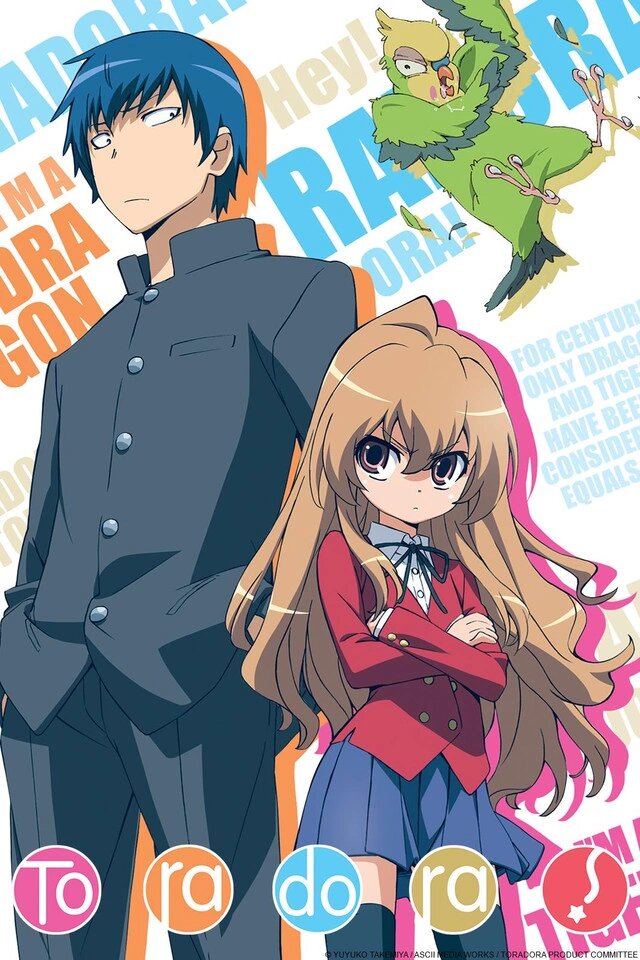
Toradora!2008
A high school romance that earns its emotional weight through character development and genuine vulnerability. The ensemble cast is warm and funny, but it never shies from real consequence when the story demands it.
But Lighter in tone than Kimi ga Nozomu Eien, with more comedy. If you're looking for unrelenting drama, this will feel like it's trying to cheer you up.
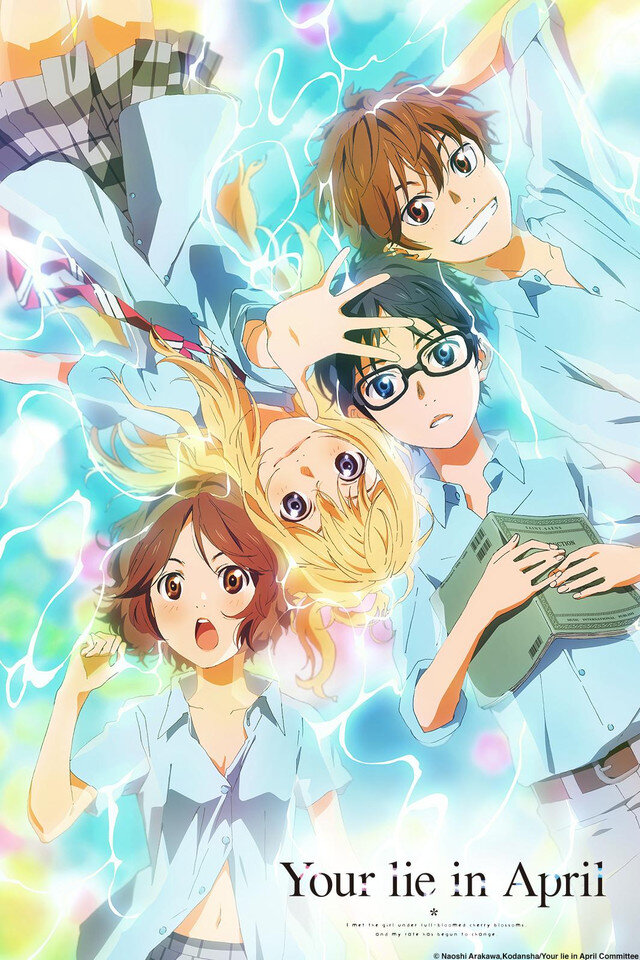
Shigatsu wa Kimi no Uso2014
A love story framed around classical music and grief. Stunningly animated, deeply moving, and unafraid to let sadness sit alongside beauty. The emotional stakes feel real and earned.
But Focuses heavily on music performance, which may feel alienating if you don't connect with that world. Also considerably more optimistic in its ultimate message.
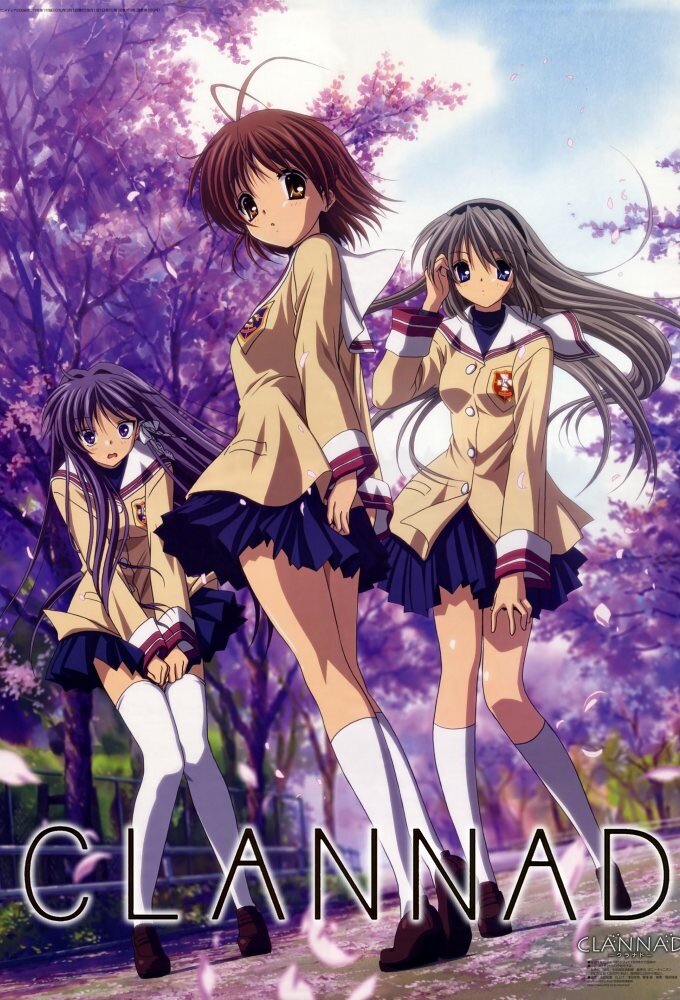
Clannad2007
This sequel explores what happens after the honeymoon ends—marriage, parenthood, and the weight of time. It goes places most anime won't, with a commitment to consequence that rivals Kimi ga Nozomu Eien itself.
But The first season is prerequisite viewing, and it's 23 episodes of setup. The later episodes are brutally heavy in ways that may feel manipulative if you're not ready.
Not sure tonight? Get a pick in a minute, starting from Kimi ga Nozomu Eien
The wildcard
Something you would not have found on your own.
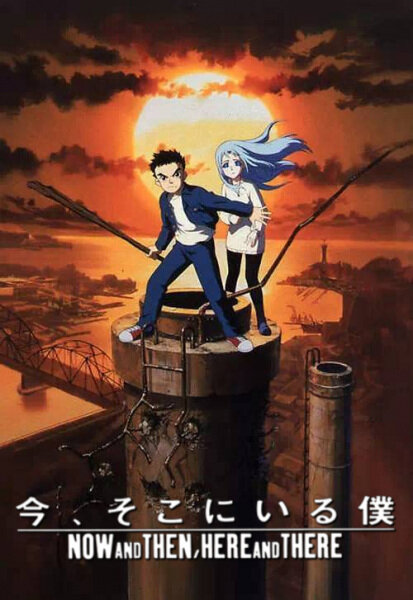
Ima, Soko ni Iru Boku1999
Both use a foundational romantic gesture—a confession, a chase—as the hinge upon which everything shatters. Both understand that love doesn't insulate you from consequence; it often accelerates it.
This is what happens when romance anime crashes into war and trauma. A boy chases a girl into a dystopian nightmare, and the show doesn't let either of them off easy for it. Structurally and thematically it's doing what Kimi ga Nozomu Eien does—using romantic intention as the thing that breaks people.
But Visually rough and genuinely difficult to watch. The bleakness may feel punishing rather than cathartic, and the pacing is intentionally grinding.
More like this (7)
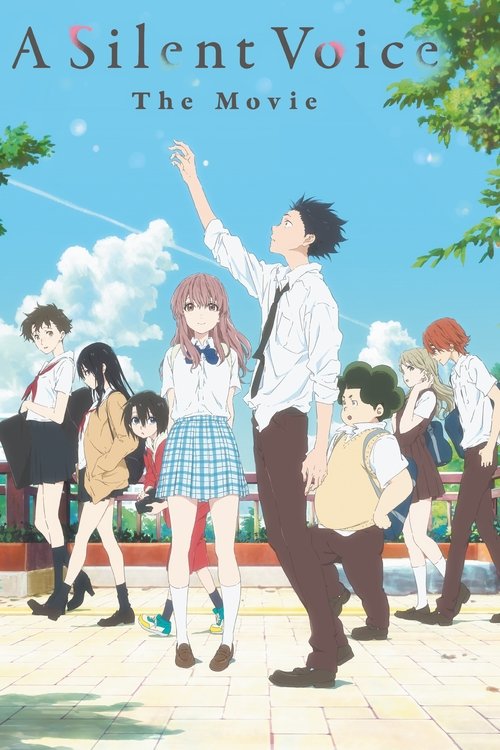
A Silent Voice: The Movie2016
A film about shame, forgiveness, and the possibility of connection after harm. Visually gorgeous and emotionally sophisticated, it earns every moment of catharsis.
But Primarily concerned with friendship and redemption rather than romantic love. Some viewers find the ending too neat for the damage depicted.
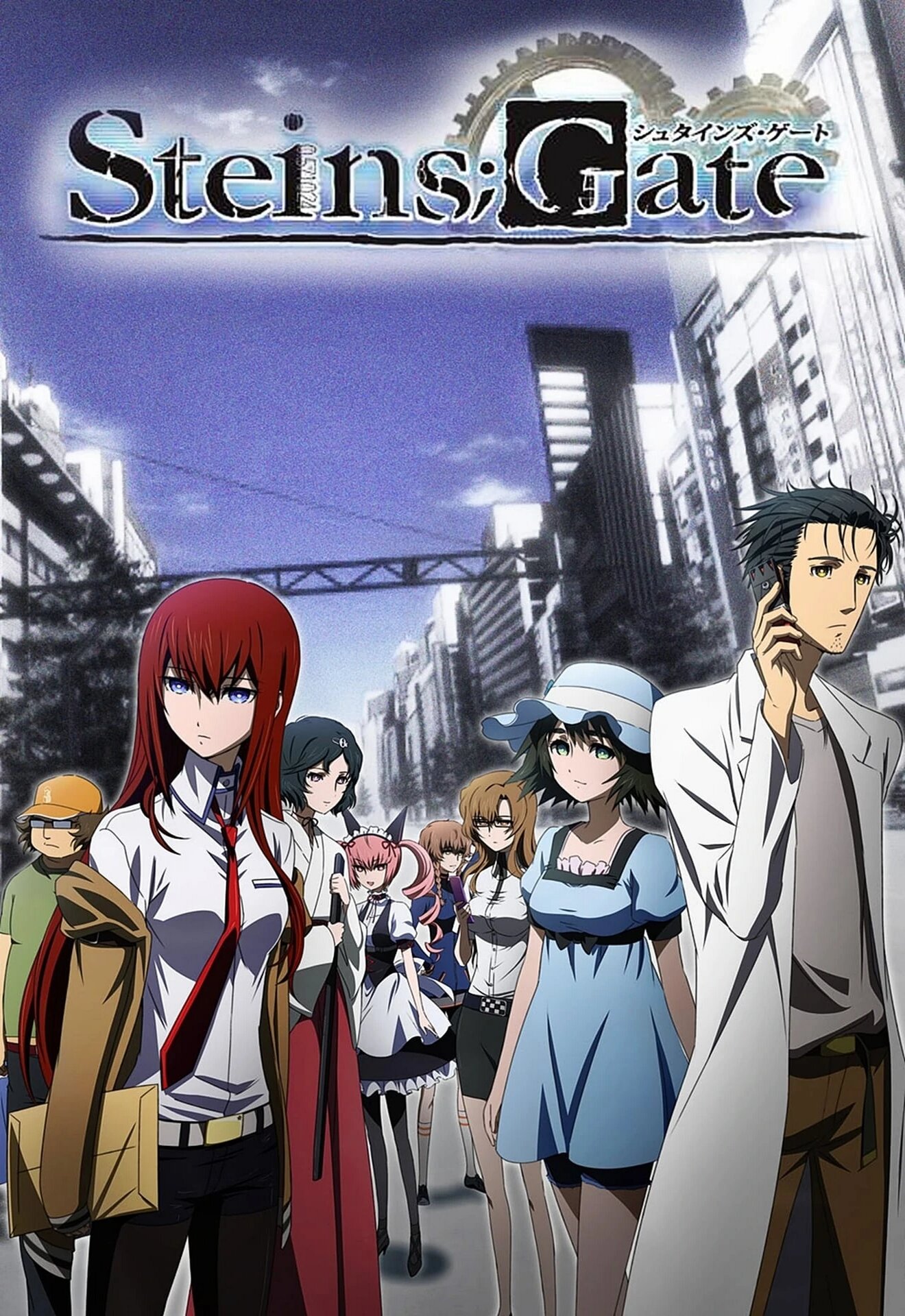
Steins;Gate2011
Time travel romance with genuine stakes. The protagonist's choices matter, consequences ripple, and the show respects your intelligence enough to let tragedy reshape the narrative.
But Slow to build—the first half is light and comedic. The sci-fi elements may feel like distraction from the emotional core you're seeking.
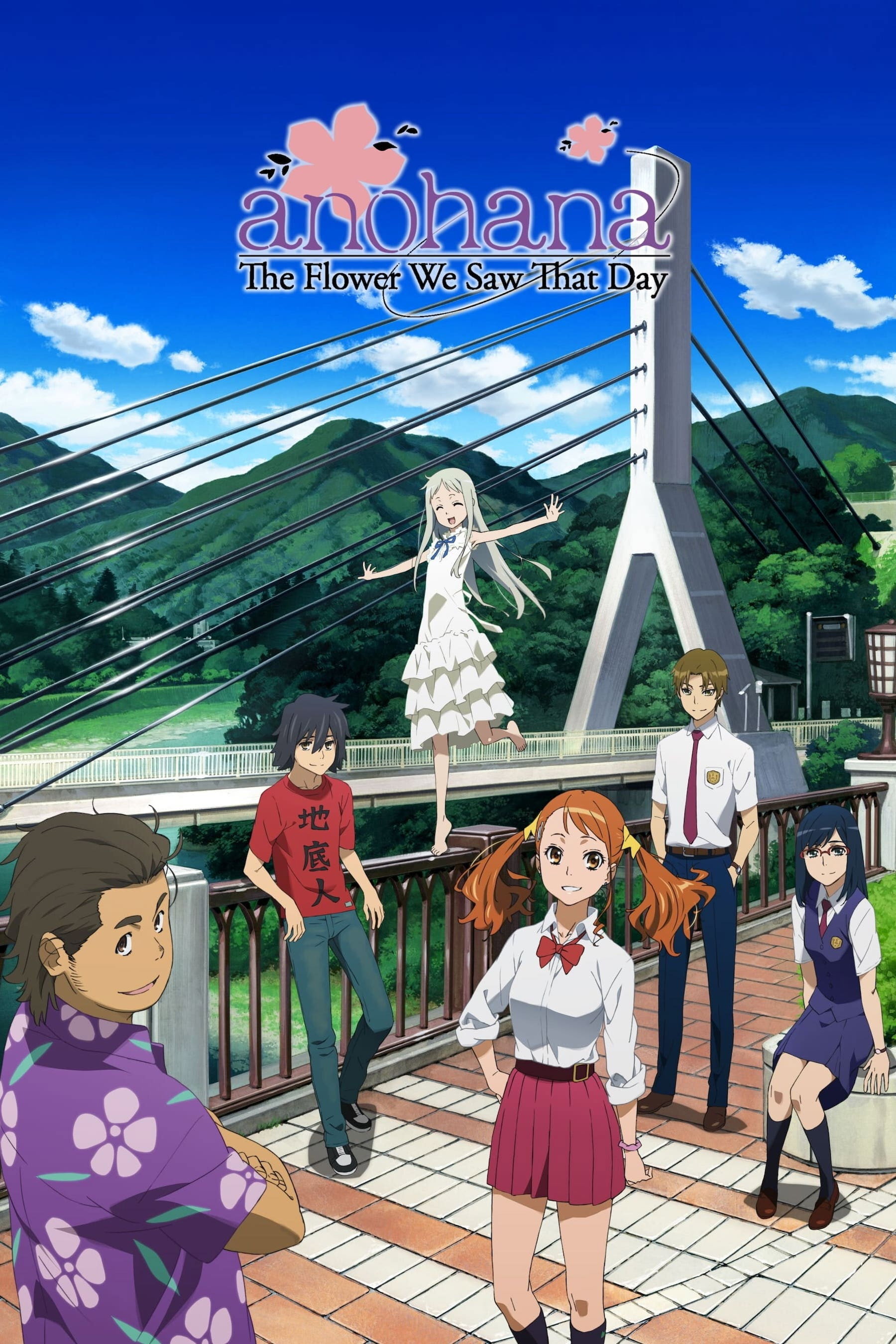
Anohana: The Flower We Saw That Day2011
Grief and unresolved feelings drive this story about a friend group haunted by loss. Each character's pain is specific and credible, and the ensemble dynamic feels lived-in.
But Only 11 episodes, so compressed. Some find the supernatural framing sentimental rather than affecting.
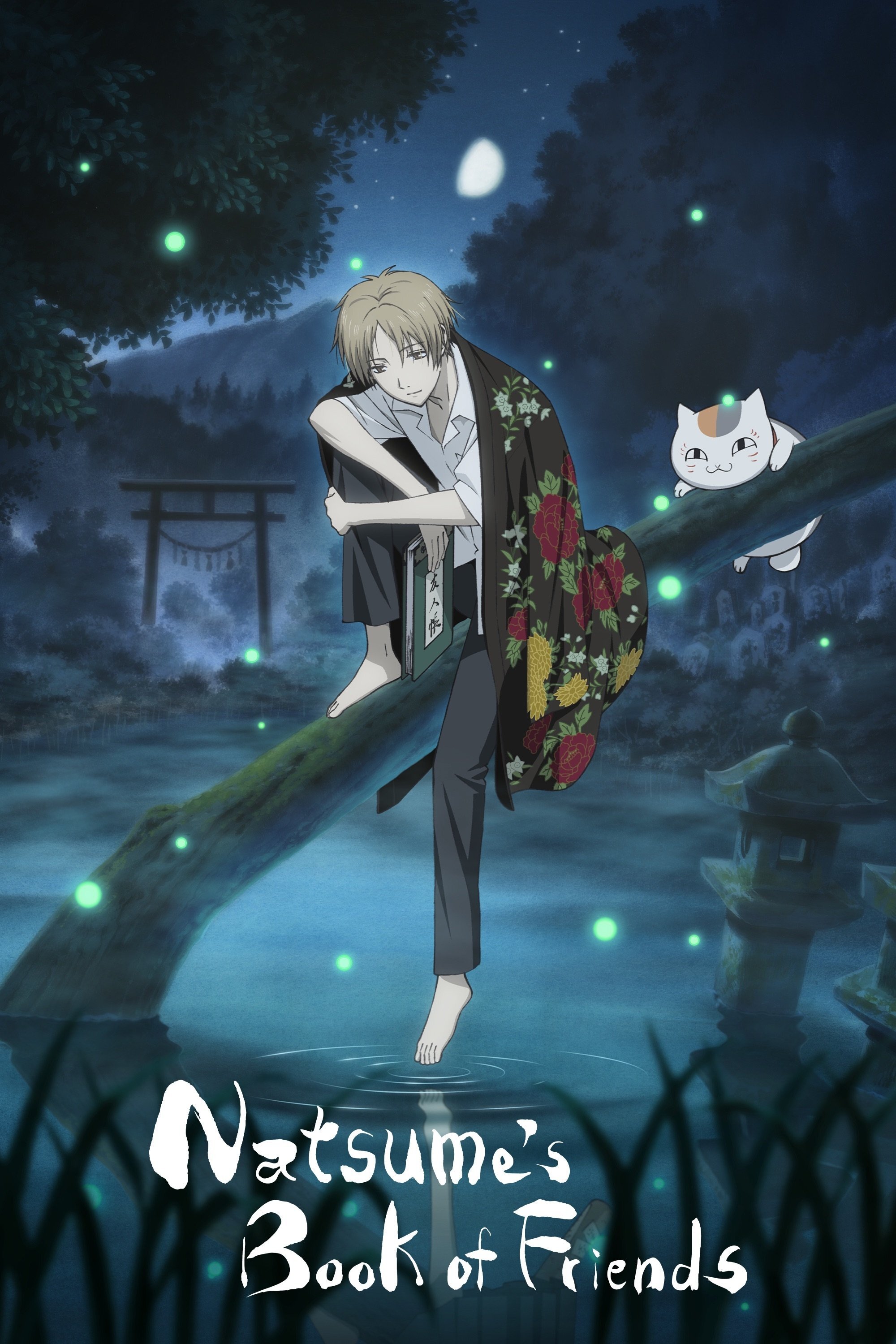
Natsume's Book of Friends2008
Not strictly a romance, but deeply engaged with loneliness, connection, and the cost of caring. Episodes often break your heart quietly. Gorgeous to watch, genuinely kind without being saccharine.
But Episodic structure means uneven emotional investment. The supernatural fantasy setting may feel like it's ducking real-world stakes.
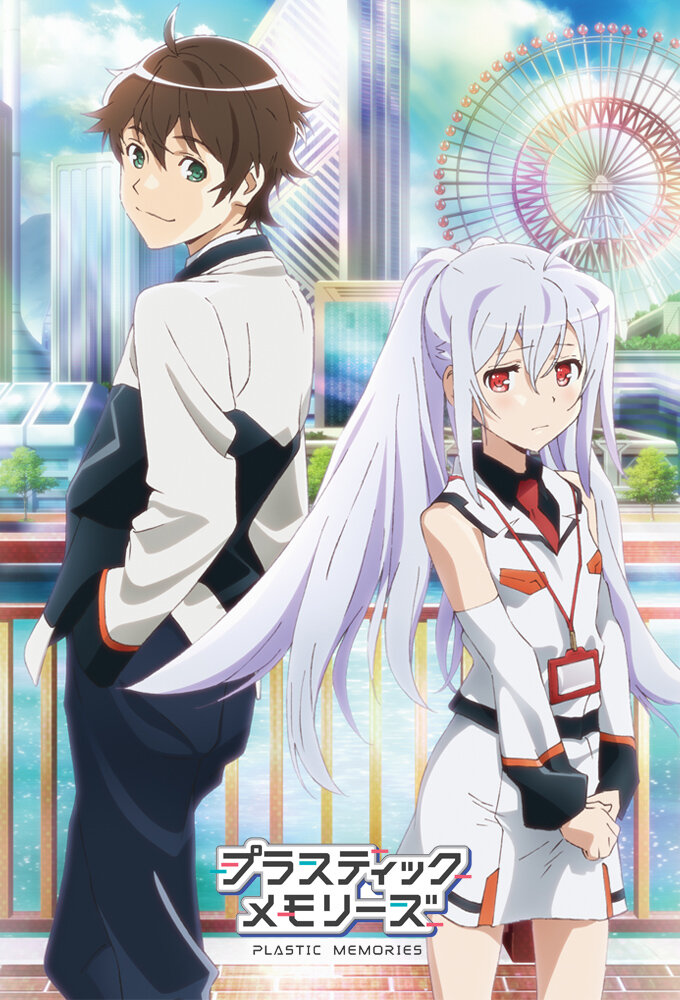
Plastic Memories2015
A speculative romance about androids that are programmed to have finite lifespans. It uses sci-fi as a direct metaphor for loss and impermanence. Delicate and deeply felt.
But The concept can feel gimmicky on paper. Some find the pacing slack, and it doesn't land with the weight of the best romance anime.
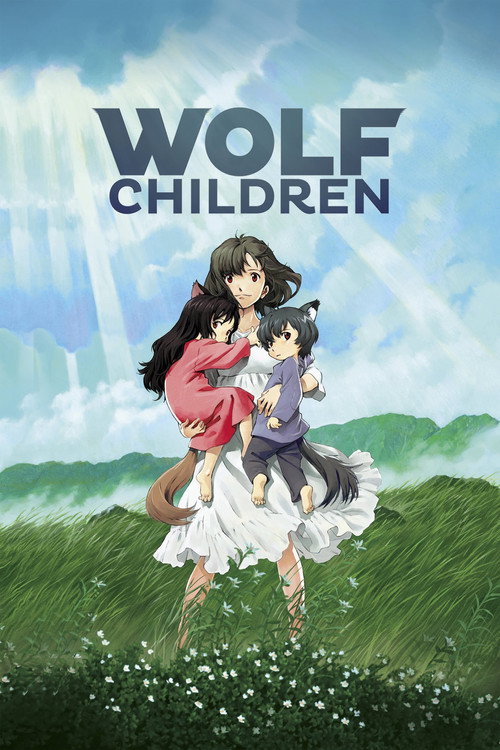
Wolf Children2012
Both films/series refuse the romantic comedy rhythm. Both understand that profound love often means sacrifice and isolation, and that happy endings and hard endings can look similar from a distance.
A film about a woman who falls in love with a werewolf and builds a life and family with him across a rural landscape. It's gorgeously rendered, structurally unconventional, and absolutely uninterested in neat endings. Romance is treated as something that transforms you, not completes you.
But Deliberately slow and meditative. The magical element is understated to the point where some viewers find it underdeveloped. Not a tragedy by design, but melancholic throughout.
Harakiri1962
Both are interested in how fate functions as character. Both present consequence as something that emerges not from moral failure but from circumstance, obligation, and the collision of desire with the world. Both are uncompromising about the cost.
A samurai film about ritual suicide and class rigidity. No romance plot, but it's obsessed with the same thing—how systems and circumstances crush individuals, how loyalty and love can lead directly to destruction, how there's no escape hatch.
But Entirely in Japanese cinema tradition, formally very different from anime. Emotionally relentless and offers no comfort whatsoever. The pacing is deliberate to the point of harshness.