
Film
School Ties
A 1950s prep-school drama about a Jewish football star hiding his identity to fit in at an elite institution. When discovered, he faces the casual cruelty of adolescent conformity and institutional indifference. It's a portrait of assimilation anxiety and moral cowardice, populated by recognizable types performing their worst selves. For anyone who's ever felt the pressure to disappear.
Should you watch it?
Watch it if you like a period drama built on moral pressure, where the slow dread of a hidden secret matters more than big set pieces, and you want a film that takes its prejudice seriously.
Skip it if you came for football and locker-room bravado, since the game is mostly a backdrop to a heavier, talkier study of prejudice.
What it asks of you: Expect a steady, unhurried runtime of 106 minutes, with long scenes of tension that simmer rather than burst.
Not sure? Find tonight's pick in a minute.
If you liked this
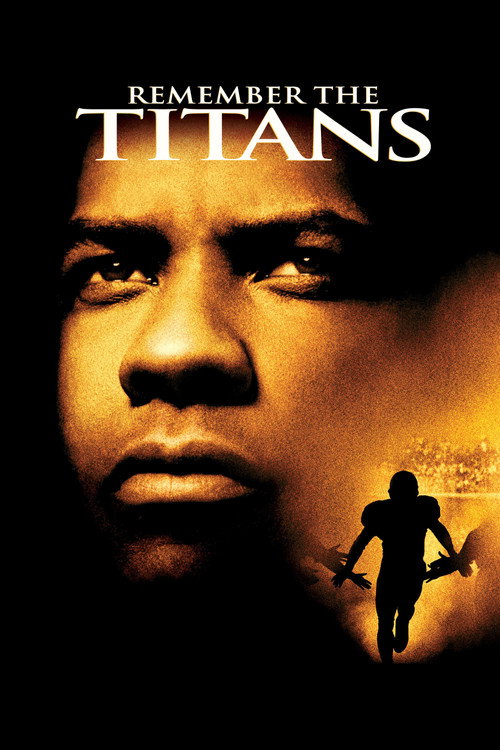
Remember the Titans2000
Sports as the vehicle for examining prejudice and brotherhood, with a coach who actually changes hearts. Denzel Washington carries the moral weight; the football sequences are thrilling and the stakes feel real.
But The uplifting resolution is more tidy than life usually allows. If you prefer your racial dramas unresolved and uncomfortable, this will feel too neat.
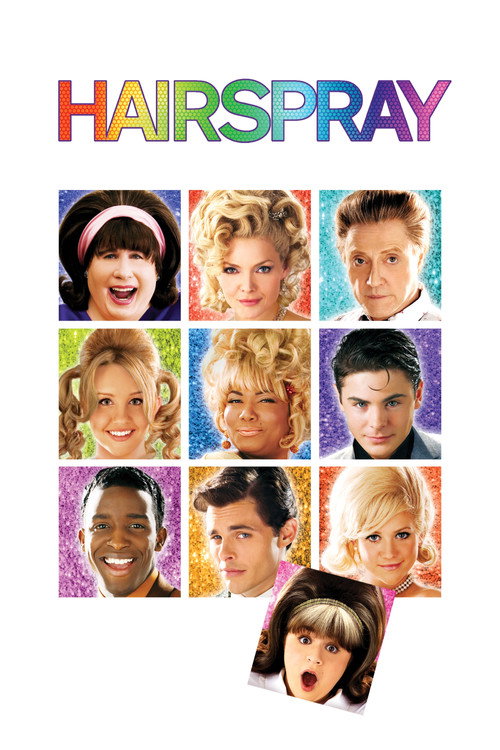
Hairspray2007
Another ensemble about outsiders crashing a closed social world, but through 1960s Baltimore dance culture. It's funny, urgent about segregation, and everyone's having the time of their lives making it.
But The musical numbers and camp tone might feel at odds with how serious you want your prejudice drama to be. Not every scene earns its song.
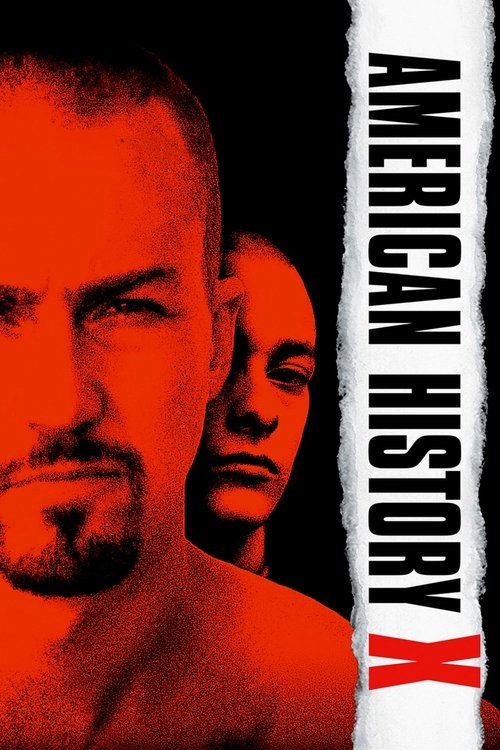
American History X1998
Brutal examination of how hatred is learned and how difficult genuine change is. Edward Norton delivers a performance of terrifying conviction, and the film doesn't look away from the violence or the shame.
But Genuinely hard to watch. The violence is not stylized; it's meant to repel you. Some viewers find it exploitative rather than clarifying.
Not sure tonight? Get a pick in a minute, starting from School Ties
The wildcard
Something you would not have found on your own.
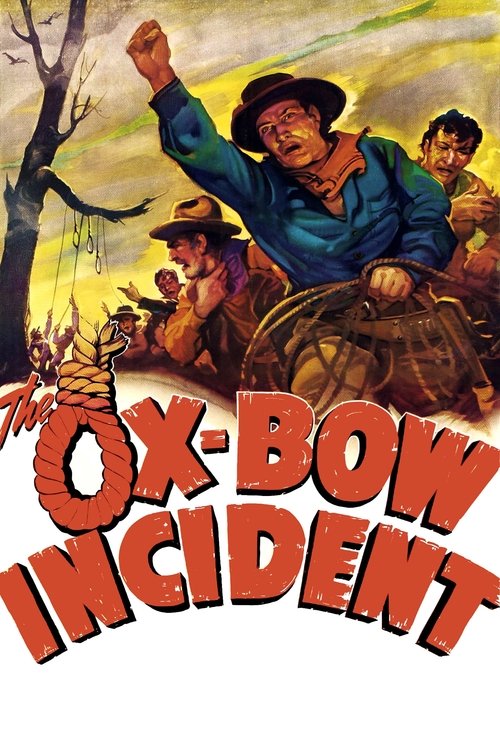
The Ox-Bow Incident1943
Both watch ordinary people discover they're capable of cruelty when the pressure to conform is applied. Both suggest that institutions—whether schools or towns—are only as decent as the people willing to resist.
A lynch mob forms with terrifying speed in a Nevada town, and the film watches good men become complicit through silence and cowardice. It's an anatomy of how communities fail their own members, framed as a Western.
But Black-and-white, deeply pessimistic, and it doesn't offer catharsis—it offers understanding of how easily it happens. Long stretches are talk, not action.
More like this (7)
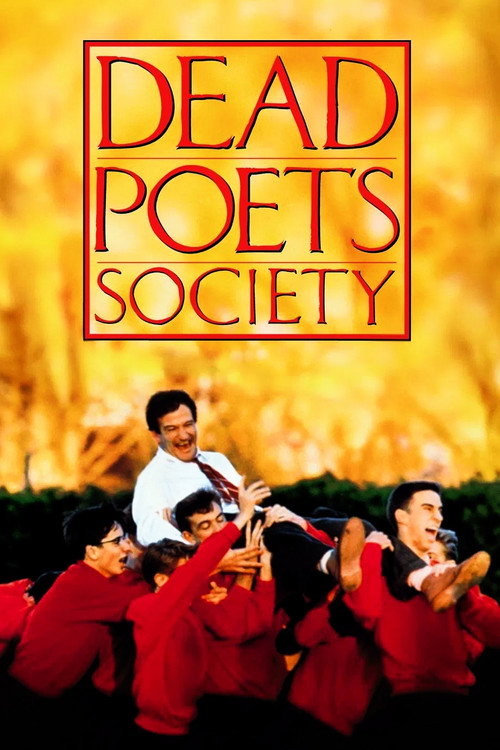
Dead Poets Society1989
Prep school, nonconformity, the weight of institutional expectation—a different angle on the same world. Robin Williams as a teacher who matters, and the film asks what you're willing to sacrifice to be yourself.
But The sentimentality builds as it goes. If you can't bear a film that believes strongly in its own emotional moments, this won't work for you.
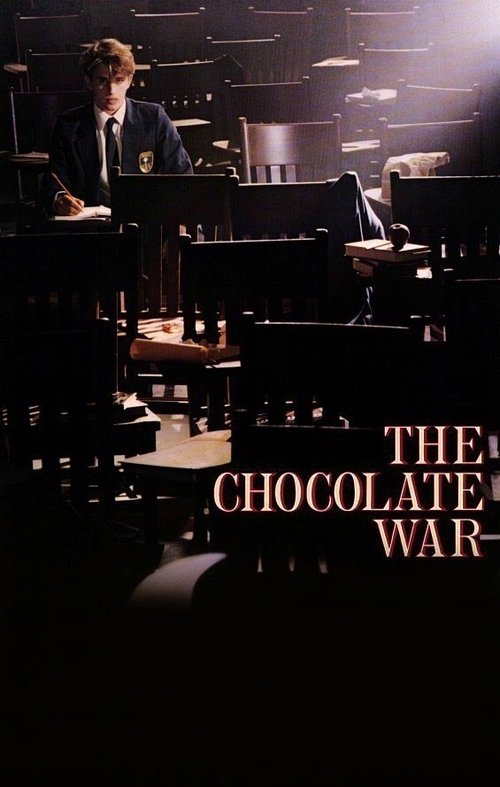
The Chocolate War1988
Catholic boys' school, power structures, one kid who refuses to play along. It's about the machinery of conformity and what happens when you jam it. Quietly devastating.
But Released direct to video in the US and for good reason—it's small and bleak. Don't expect polish or a satisfying arc.
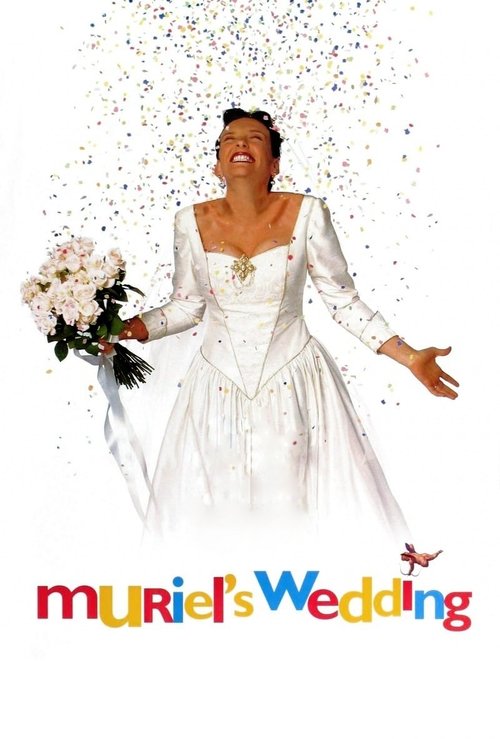
Muriel's Wedding1994
Australian comedy-drama about a woman escaping small-town expectations. Toni Collette is radiant, the film is warm without being soft, and it understands aspiration and shame.
But It's not really about the prejudice of institutions, so the comparison stretches. And if you want darkness, the brightness might feel evasive.
Whip It2009
Ellen Page discovering roller derby as an escape from parental and small-town pressure. It's genuinely fun and specific about the small rebellions that save you.
But Much lighter than *School Ties*, with less institutional villainy. The stakes are personal rather than systemic.

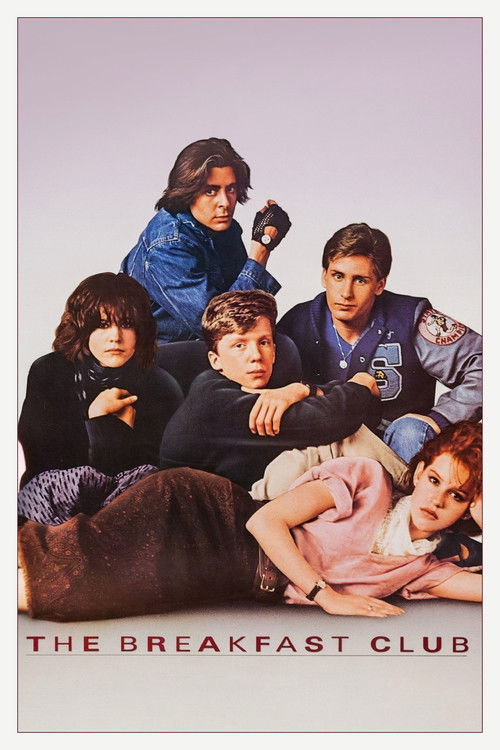
The Breakfast Club1985
Five students, Saturday detention, the slow cracking open of each other's armor. It's a masterpiece of adolescent specificity and class resentment.
But The film is interested in individual wounds rather than structural injustice. Some viewers find its cynicism about institutions toothless.
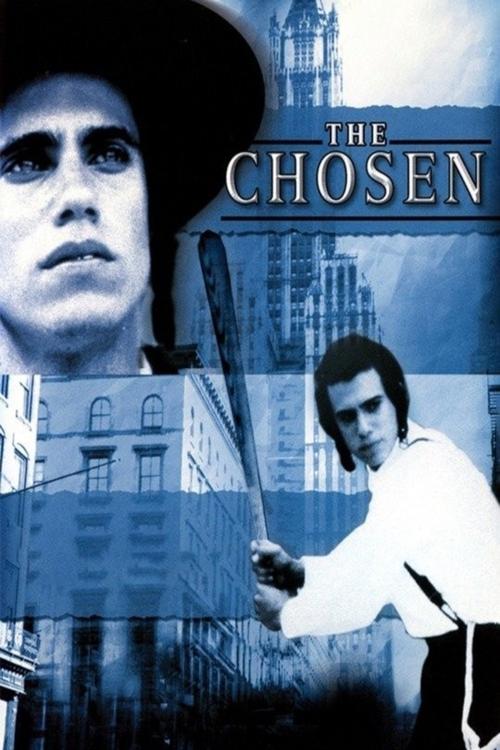
The Chosen1981
Same era, same question: How Jewish should you be, and to whom do you owe that identity? But *The Chosen* is from inside the community, asking Jews what assimilation costs them, while *School Ties* watches from outside the pressure.
Two Jewish boys in 1940s Brooklyn from radically different worlds—one Hasidic, one secular—and their friendship tested by loyalty to community and family. Intimate, specific, achingly human.
But The pacing is deliberate and the conflicts are internal. If you need plot momentum, this film moves like a novel. The Brooklyn setting is period-authentic but somewhat airless.
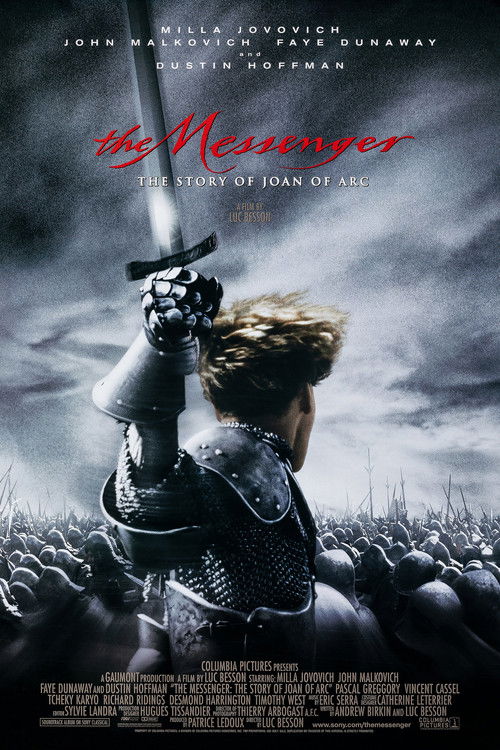
The Messenger: The Story of Joan of Arc1999
Both feature isolated figures refusing to hide who they are within rigid hierarchical institutions, and both ask whether integrity or survival comes first. But Joan pays the ultimate price, and the film never flinches from that equation.
Milla Jovovich as Joan, confronting institutional power—the Church, the military, gender expectations—all at once. Luc Besson makes it visionary and visceral, not saintly. The violence is real and the isolation is complete.
But The film is operatic and sometimes baffling. Besson's direction can feel baroque, and some scenes seem to be in his own language. Historical accuracy is not the priority.
People
Cast
 Brendan FraserDavid Greene
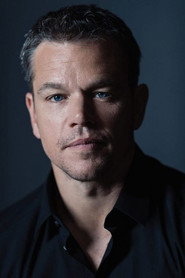 Matt DamonCharlie Dillon
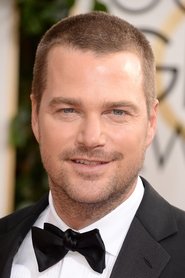 Chris O'DonnellChris Reece
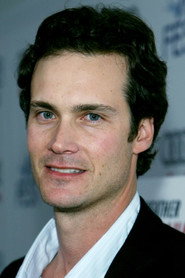 Randall BatinkoffRip Van Kelt
 Andrew LoweryMcGivern
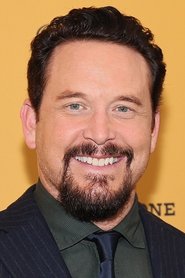 Cole HauserJack Connors
 Ben AffleckChesty Smith
 Anthony RappMcGoo
 Amy LocaneSally Wheeler
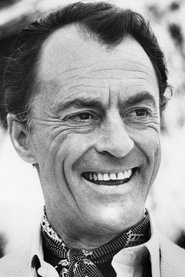 Peter DonatHeadmaster Bartram
 Željko IvanekMr. Cleary
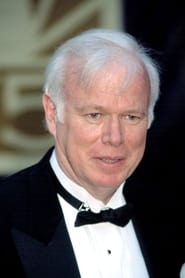 Kevin TigheCoach McDevitt
Directing
- Robert MandelDirector
- Buddy Joe HookerSecond Unit Director
Writing
- Darryl PonicsanScreenplay
- Dick WolfScreenplay
- Dick WolfStory
Production
- Lisa BeachCasting
- Patricia McCorkleCasting
- Sherry LansingProducer
- Stanley R. JaffeProducer