
Film
The Chocolate War
- Coming-of-age
- Very dark
A Catholic prep school erupts when a freshman's quiet defiance of a chocolate fundraiser becomes a battle between individual conscience and institutional power. Bleak, tense, and unsentimental about adolescent cruelty, it's a portrait of coercion masquerading as community. For anyone who recognizes school as a site of real moral stakes, not nostalgia.
If you liked this
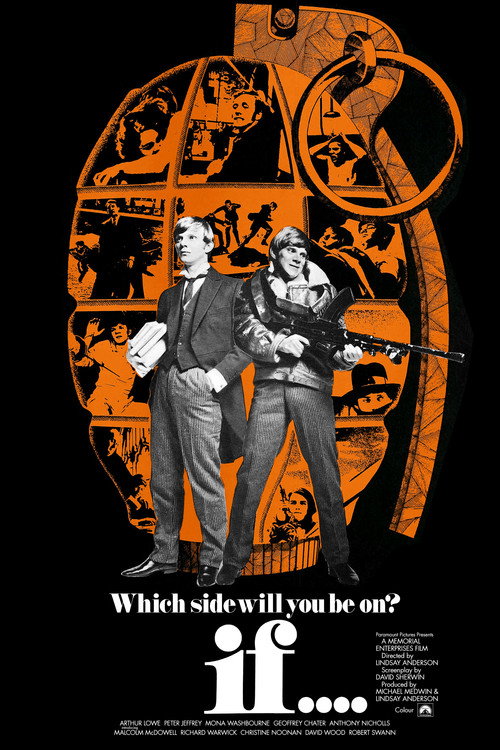
if....1968
Lindsey Anderson's anarchic vision of boarding school rebellion—surreal, savage, and exhilarating. It shares The Chocolate War's rage at institutional authority but explodes into poetry and gunfire instead of quiet refusal.
But The tonal shifts between realism and fantasy will feel jarring. Some find it pretentious rather than prophetic.
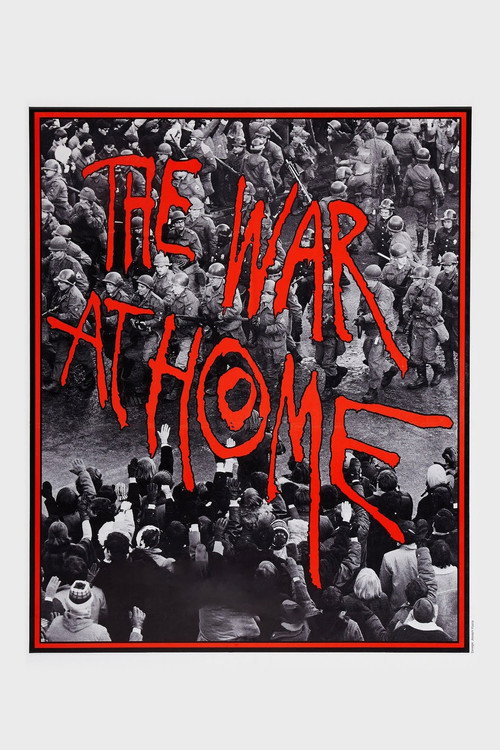
The War at Home1979
Documentary about the Wisconsin protests against the Vietnam War that captures the same collision between authority and dissent, institutions and individuals. Real stakes, real footage, genuinely disturbing.
But It's a documentary, so no narrative momentum. Long stretches of archival material and talking heads.
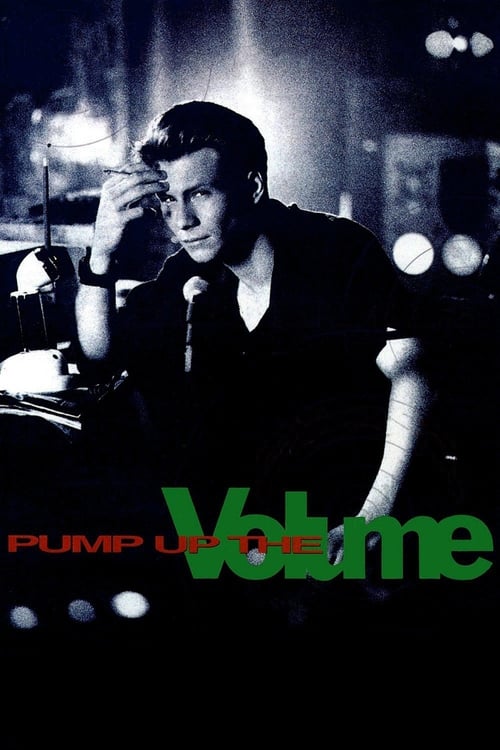
Pump Up the Volume1990
A teenager's pirate radio station becomes his tool against school hypocrisy and adult corruption. It shares The Chocolate War's theme of how institutions silence the young, with better energy and an actual '90s soundtrack.
But Much glossier and more upbeat—it ends on hope rather than ambiguity. Also, Christian Slater can feel occasionally shallow.
Not sure tonight? Get a pick in a minute, starting from The Chocolate War
The wildcard
Something you would not have found on your own.
Waves2019
Both are about how systems (school, family) use collective pressure to enforce compliance, and what fractures when one person refuses. But Waves internalizes the conflict where Chocolate War externalizes it—the violence is psychological rather than social.
A teenager's life shatters when family expectation and peer judgment collide. Like Chocolate War, it's about institutional and social pressure turning inward—but here the institution is family, and the explosion comes from within. Shot with gorgeous, unsettling intimacy.
But The first half is tense and propulsive; the second half pivots into grief and forgiveness, which some experience as the film breaking its own engine. Divisive.

More like this (7)
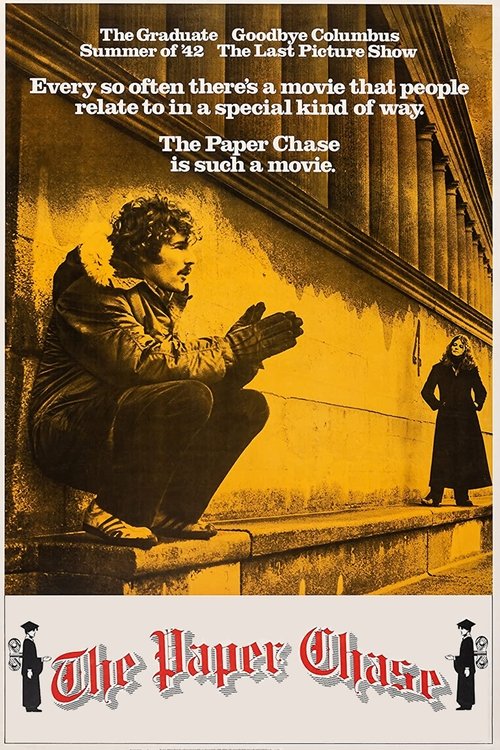
The Paper Chase1973
Harvard Law School as a pressure cooker where ambition, tradition, and power corrupt. It's the intellectual flipside of Chocolate War—older students, higher stakes, but the same anatomy of coercion.
But Very '70s in tone and style. Some of the gender dynamics have aged badly. Talky in places.
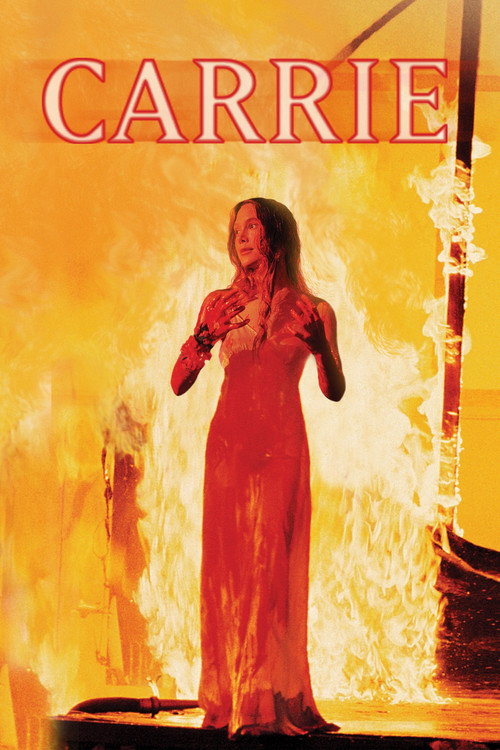
Carrie1976
De Palma's masterpiece about a teenager destroyed by collective cruelty and institutional indifference. Like Chocolate War, it's about what happens when a system turns against one person who refuses to bend.
But The ending is violent and supernatural—totally different register. Also, it's so famous that the power has worn smooth.
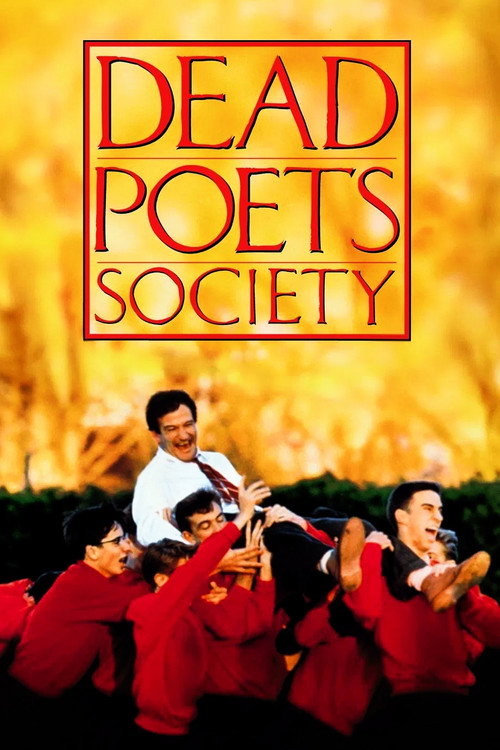
Dead Poets Society1989
Another prep school drama about authority and individuality, released the year after Chocolate War. It's more idealistic about what teachers can do, which makes it a worthwhile counterargument.
But Sentimentality creeps in by the ending. Robin Williams' inspirational energy softens the moral complexity that makes Chocolate War bracing.
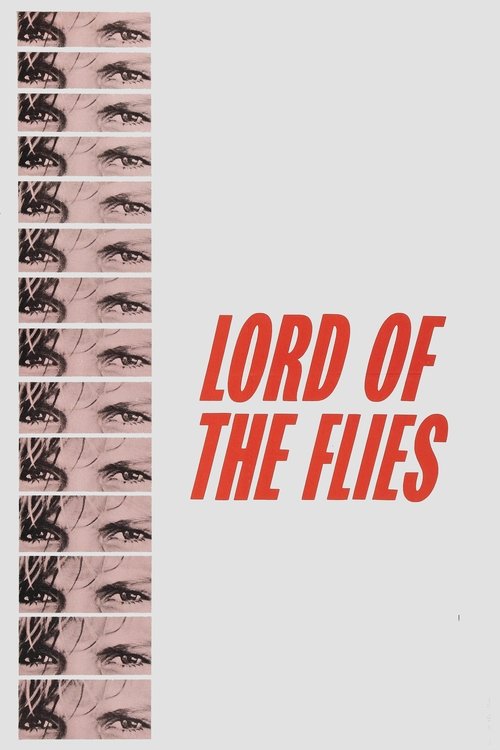
Lord of the Flies1963
Peter Brook's savage adaptation of Golding's novel shows how quickly institution and order collapse into tribalism and violence. Chocolate War in microcosm: authority, peer pressure, the brutal math of belonging.
But The pacing is glacial and the child actors are uneven. Black and white, no music. Requires patience.
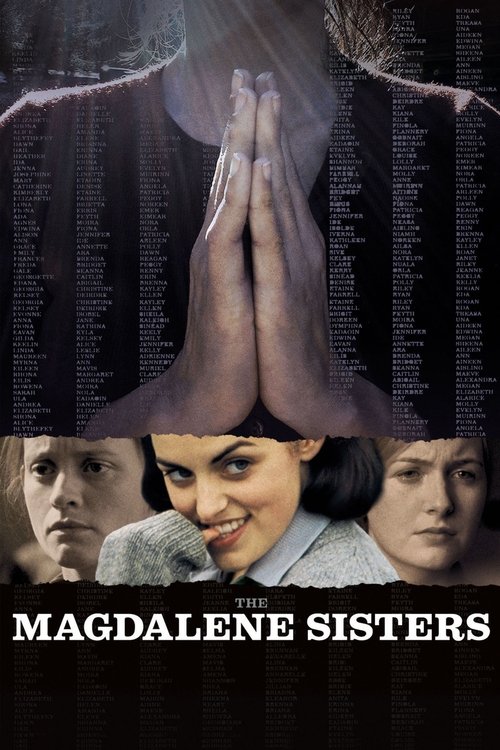
The Magdalene Sisters2002
Peter Mullan's fierce drama about girls imprisoned in an Irish convent laundry. It shares Chocolate War's interest in how institutions use shame and collective pressure to enforce obedience.
But Deeply, deliberately bleak. Based on real abuse, and it doesn't offer catharsis. Some find it punishing rather than enlightening.
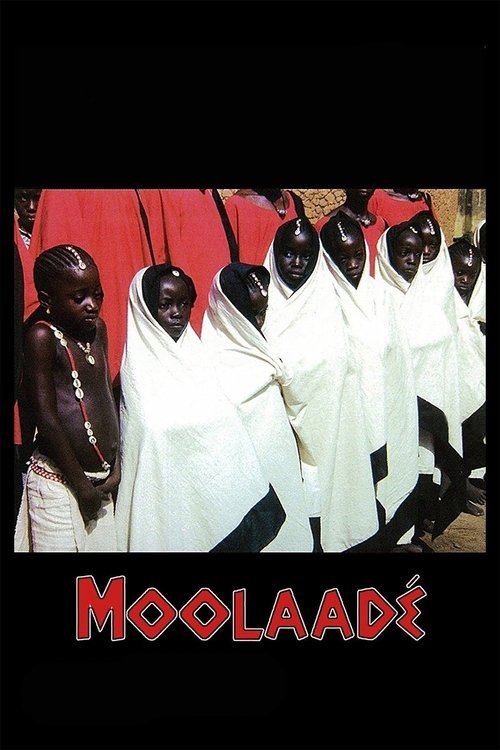
Moolaadé2004
Both films trust their audiences to understand that quiet refusal is the most dangerous form of resistance. Both show a community united against one person's conscience, and neither blinks away the cost.
Ousmane Sembène's Senegalese masterpiece about a woman who defies tradition by protecting girls from genital cutting. She's Jerry: quiet, steadfast, alone against a community convinced it acts in everyone's interest. A different geography, but the same moral architecture.
But Subtitled. The pacing is contemplative, almost ceremonial. Western audiences sometimes find it slow until the conflict crystallizes.
Singin' in the Rain1952
Both are about refusal—Jerry refuses the chocolate sale; Gene Kelly's character refuses to be erased. Both show what it costs to insist on your own reality when an institution has other plans. One is bleak; one is joyful. Both are true about the same thing.
Utterly surprising choice: Gene Kelly and Donald O'Connor in a musical about ego, ambition, and the machinery of Hollywood. The 'Gotta Dance' number shows someone choosing self over system. It's actually about institutional power and individual will, just in tap shoes and Technicolor.
But It's a musical from 1952. If you hate musicals, this won't convert you. The moral themes are buried under joy, which some will find evasive.

People
Cast
 John GloverBrother Leon
 Ilan Mitchell-SmithJerry
 Wallace LanghamArchie
 Doug HutchisonObie
- Corey GunnestadGoober
 Brent David FraserEmile Janza (as Brent Fraser)
- Robert DavenportBrian Cochran
 Jenny WrightLisa
 Bud CortBrother Jacques
 Adam BaldwinCarter
 Ethan SandlerCaroni
- Wayne YoungGregory Bailey
Directing
- Keith GordonDirector
Writing
- Robert CormierNovel
- Keith GordonWriter