
Film
Journey's End
Other titles called Journey's End: the 1930 film.
- War drama
- Very dark
- Slow-burning
A WWI chamber piece set in a trench dugout in 1918's final days. Tense, claustrophobic, dialogue-heavy—less about combat than the psychological fracture of men under unbearable strain. For viewers drawn to intimate character studies of systems that grind people down.
Should you watch it?
Watch it if you like war stories that stay in one cramped room and let tension build through talk, where character matters more than battlefield spectacle.
Skip it if you need trench warfare set-pieces or fast cutting, since almost everything happens in a single dugout and the pace is deliberate, nearly stagey.
What it asks of you: Around two hours of close, slow-burning dialogue in cramped quarters, with dread accumulating gradually; it rewards steady attention rather than offering frequent relief.
Not sure? Find tonight's pick in a minute.
If you liked this
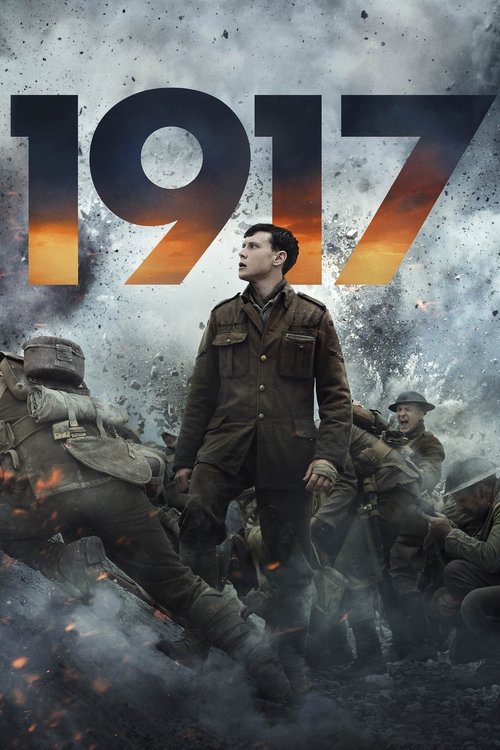
19172019
A technical marvel about two soldiers crossing no-man's-land in real time. Shares Journey's End's unflinching look at WWI's horror and the impossible choices soldiers face, but renders it through astonishing continuous cinematography.
But The technical ambition can overshadow character depth. If you want psychology over spectacle, this tilts the opposite direction.
Come and See1985
A Soviet film following a boy conscript into apocalyptic violence. Shares Journey's End's refusal to romanticize war and its focus on psychological disintegration. One of cinema's most devastatingly honest war films.
But Deeply disturbing imagery. Not a watch-lightly film; it demands emotional readiness and leaves marks.

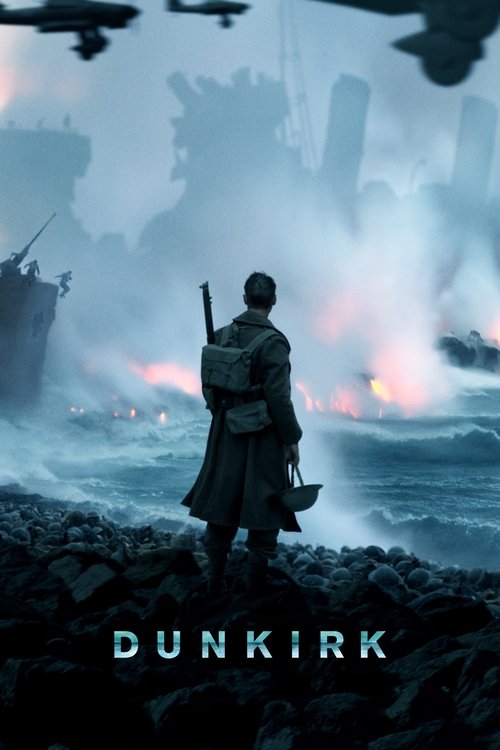
Dunkirk2017
Christopher Nolan's fractured narrative of soldiers under extreme pressure with nowhere to go. Like Journey's End, it finds the tension in confinement and the grinding impossibility of escape.
But The non-linear structure frustrates some viewers. If you prefer straightforward storytelling, the jumping timeline can feel gimmicky.
Not sure tonight? Get a pick in a minute, starting from Journey's End
The wildcard
Something you would not have found on your own.
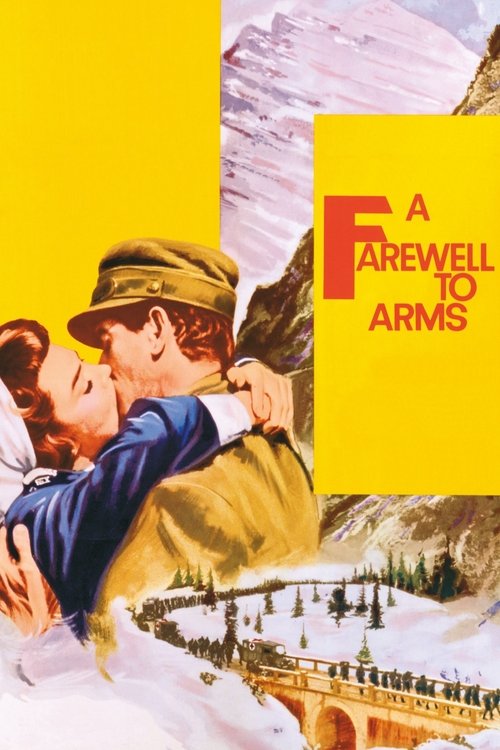
A Farewell to Arms1957
Both are period pieces about WWI in which love or intimacy serves as the counterweight to institutional collapse and senseless orders.
Selznick's Hemingway adaptation about an American ambulance driver and British nurse during WWI. It's a love story, not a war study—a radical tonal contrast to Journey's End's dugout psychology. Yet both capture the same era's underlying truth: that personal connection is the only real resistance to the machinery consuming you.
But Melodramatic by modern standards, and the romance can feel saccharine. Visually and emotionally it belongs to another Hollywood era.
More like this (7)
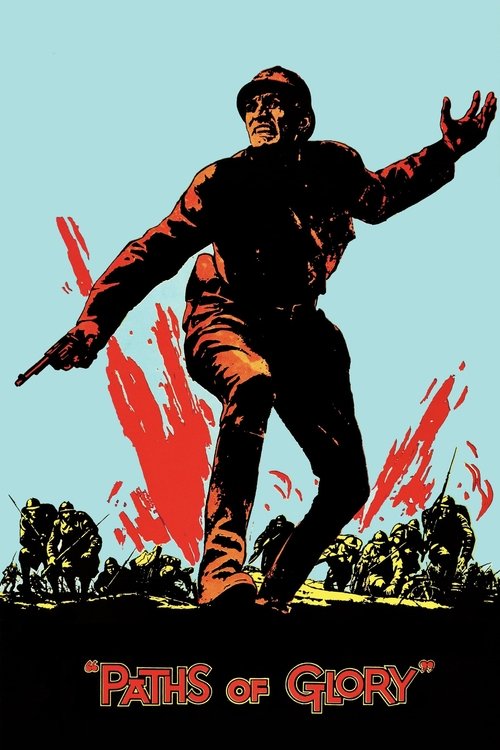
Paths of Glory1957
Kubrick's savage critique of military hierarchy and senseless WWI slaughter. Thematically aligned with Journey's End—officers trapped by orders, men trapped by obedience, everyone trapped by the machine.
But Made in 1957 on a smaller budget; the battle scenes lack modern scale. The pacing is deliberate, which some find slow.
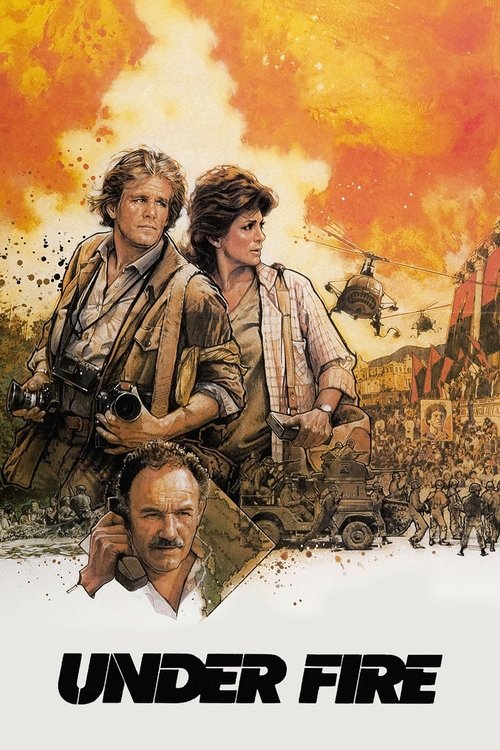
Under Fire1983
War correspondents witnessing the Nicaraguan revolution. Shifts the lens from soldiers to witnesses, but shares the same suffocating atmosphere of men pressed into impossible moral positions with no good options.
But Less well-known and harder to find. The political context requires some homework, and the narrative is deliberately ambiguous.
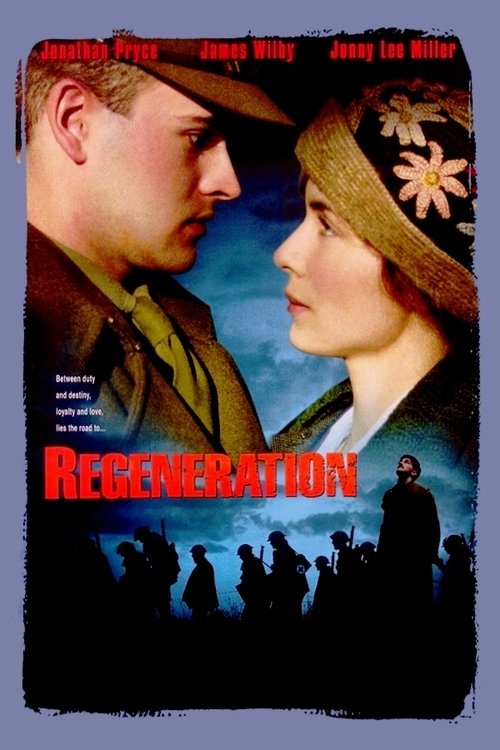
Regeneration1997
Based on Pat Barker's novel, it follows shell-shocked officers in a military hospital. Like Journey's End, it's about the psychological wounds of war and men speaking to the unspeakable across class and rank.
But Slower and more introspective than you might expect. If you came for action, you'll be disappointed by the therapeutic focus.
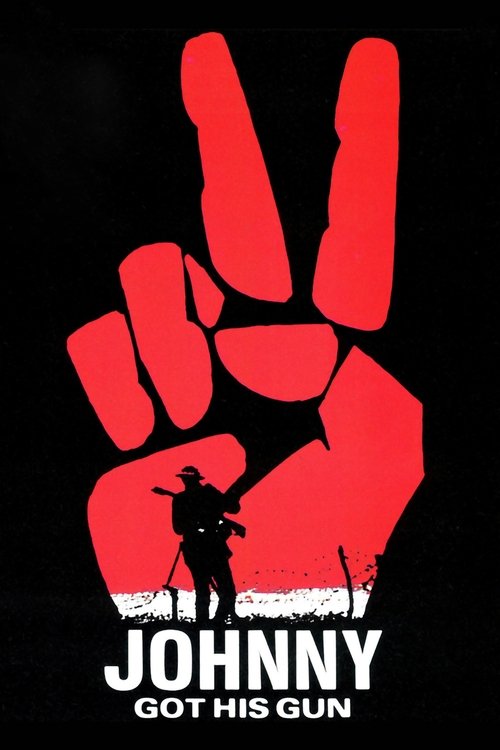
Johnny Got His Gun1971
Dalton Trumbo's adaptation of his own novel: a soldier survives but is completely paralyzed, conscious but trapped. The ultimate study in helplessness and psychological imprisonment. Haunting.
But Deeply uncomfortable viewing. Some scenes are difficult to sit with, and the 1970s aesthetic feels distant from the narrative's urgency.
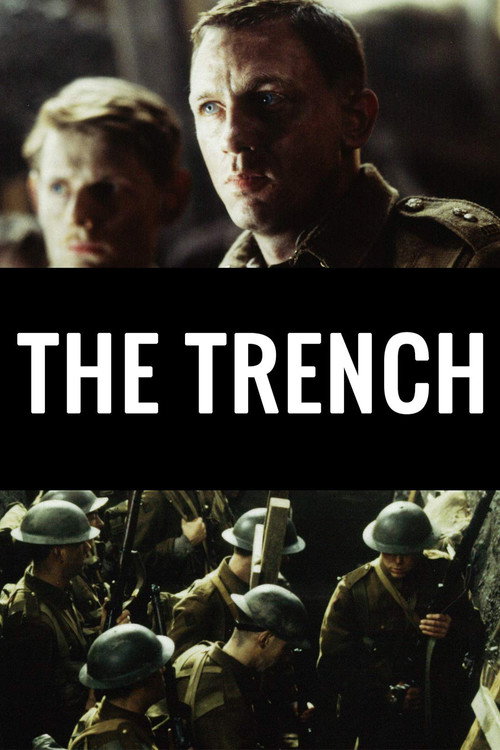
The Trench1999
A modest, character-focused WWI film about soldiers awaiting an attack. Direct peer to Journey's End in scope and tone—intimate, actor-driven, focused on how men speak to each other before the end.
But Made on a tight budget with limited scope. Feels like a TV film at times, and some performances are uneven.
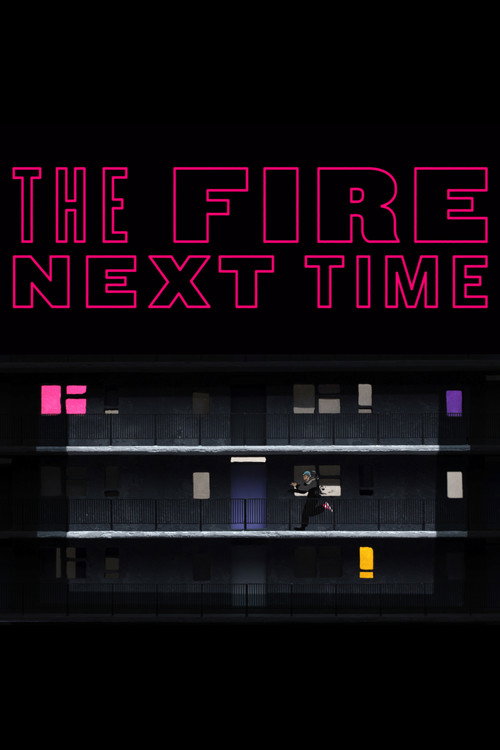
The Fire Next Time2020
Both films trap characters in confined spaces where the real struggle is psychological collapse and the erosion of humanity under institutional pressure.
A South African series about apartheid security police in a cell, psychologically tormenting a prisoner. It shifts the power dynamic—these are the oppressors, not the oppressed—but mirrors Journey's End's claustrophobic focus on men cracking under extreme moral pressure in a confined space, and how authority corrodes the soul.
But Difficult subject matter. The psychological torture is unflinching, and moral ambiguity is absolute—no one is sympathetic.
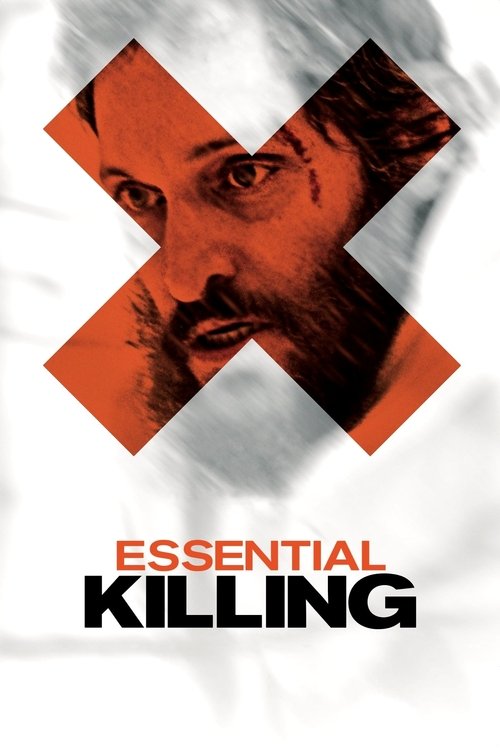
Essential Killing2010
Both reduce soldiers to their basest psychological state—trapped, dehumanized, stripped of agency—but this film shows it through a body and landscape, not a psychological chamber.
A Polish film following a captured Afghan militant fleeing across Europe in winter. Told almost without dialogue, it's visceral and sensory rather than intellectual. The thematic mirror to Journey's End: two films about soldiers reduced to animal survival, stripped of meaning by systems larger than themselves.
But Minimalist dialogue-free narrative. If you need plot clarity and conventional story structure, this will frustrate you deeply.
People
Cast
 Asa ButterfieldRaleigh
 Sam ClaflinCaptain Stanhope
 Paul BettanyOsborne
 Tom SturridgeHibbert
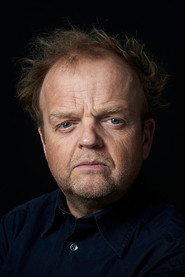 Toby JonesMason
 Stephen GrahamTrotter
 Robert GlenisterThe Colonel
 Theo Barklem-BiggsWatson
 Miles JuppHardy
 Oliver DimsdaleAdjutant
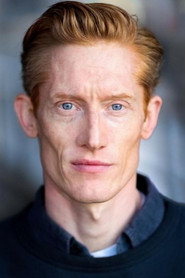 Jake CurranHammond
 Andy GathergoodSergeant Major C Troup
Directing
- Saul DibbDirector
- David StaffordFirst Assistant Director
- Ana GarridoScript Supervisor
- Michael CurtisSecond Assistant Director
- Kingsley HoskinsThird Assistant Director
Writing
- R.C. SherriffNovel
- Vernon BartlettNovel
- Simon ReadeScreenplay
- R.C. SherriffTheatre Play
Production
- Jessica Elise EvansAssistant Production Coordinator
- Lisa LloydAssistant Production Coordinator
- John HubbardCasting
- Ros HubbardCasting
- Sophie PearsonCasting Assistant
- Aaron HartleyExecutive Producer
- Adrian PolitowskiExecutive Producer
- Bastien SirodotExecutive Producer
- Charles AutyExecutive Producer
- Christian EisenbeissExecutive Producer
- David GrindleyExecutive Producer
- Gilles WaterkeynExecutive Producer
- Ivan DunleavyExecutive Producer
- Mary BurkeExecutive Producer
- Natalie BrennerExecutive Producer
- Robert NorrisExecutive Producer
- Sam ParkerExecutive Producer
- Steve MilneExecutive Producer
- Sue de BeauvoirExecutive Producer
- Will MachinExecutive Producer
- Marshall LevitenLine Producer
- Guy de BeaujeuProducer
- Simon ReadeProducer
- Geraldine DitanoProduction Accountant
- Aneta ChalasProduction Coordinator
- Andrew BonnerProduction Manager
Recommended by
1917, They Shall Not Grow Old, Oh! What a Lovely War, Tolkien