
Film
No Man's Land
- War drama
- Very dark
A Bosnian and Serbian soldier become trapped together in a trench during the 1990s war, their shared predicament becoming a dark comedy about the absurdity of conflict. Darkly funny and bitterly humane, it finds laughter in despair without ever letting you forget the stakes. A film that makes you angry and keeps you thinking long after.
Should you watch it?
Watch it if you like war stories that treat the enemy as a frightened, stubborn man rather than a target, and you enjoy bitter comedy that curdles as the stakes tighten.
Skip it if you want rousing battle scenes, because this is talky, cramped and mostly stuck in one trench, and its patience can feel like being stuck there too.
What it asks of you: Settle in for just under ninety-eight minutes of tight, dialogue-heavy scenes where tension builds slowly and the darkness arrives gradually, with your attention doing most of the work.
Not sure? Find tonight's pick in a minute.
If you liked this
Joyeux Noel2005
A Christmas truce during WWI lets enemies briefly see each other as human. Like No Man's Land, it finds grace and dark humour in the spaces between opposing sides, asking whether kindness can survive in war.
But Some find it too sentimental, and the schmaltz builds unevenly. The emotional manipulation can feel at odds with the film's earnest message.
Come and See1985
Soviet filmmaker Elem Klimov shows war's true cost through the eyes of a young boy. Brutally honest about suffering, it shares No Man's Land's refusal to glorify combat or clean it up for the audience.
But This is bleak to the point of being difficult. It's not entertainment; it's an ordeal. Watching it requires emotional reserves you may not have on the night.

Under Fire1983
Photojournalists navigate Nicaragua's civil war, caught between sides and morality. It has the same trapped-observer quality as No Man's Land, asking what happens when you're inside a conflict you didn't start.
But The politics date it a little, and the love subplot can feel grafted on. Some sequences meander when the war stuff is gripping.
Not sure tonight? Get a pick in a minute, starting from No Man's Land
The wildcard
Something you would not have found on your own.
The Revengers' Comedies1998
Both films trap enemies in a confined space where proximity becomes philosophy—you cannot hate someone whose breathing you hear.
A Rwandan and a Burundian woman must share a small space after genocide has destroyed everything. Like No Man's Land, it's about enemies forced into intimacy, discovering humanity in the person you were taught to hate.
But It's a low-budget African film rarely seen outside festival circuits. The pacing is slow and the emotional register uncompromising. You won't find it on any streaming service easily.
More like this (8)
The Battle of Algiers1966
A documentary-style account of urban terrorism and counterinsurgency during Algeria's independence war. It's a masterclass in depicting conflict without propaganda, finding complexity where others see only good and evil.
But The style is austere and the pacing deliberate. You need to be patient with silence and long takes. It's cinema as argument, not entertainment.

Johnny Got His Gun1971
A war widow searches for her lost son during WWI. Like No Man's Land, it's grotesque and angry about what war does, refusing to let you feel okay about human collateral damage.
But It can feel heavy-handed and the symbolism isn't subtle. The emotional register is relentless, which some find exhausting rather than moving.
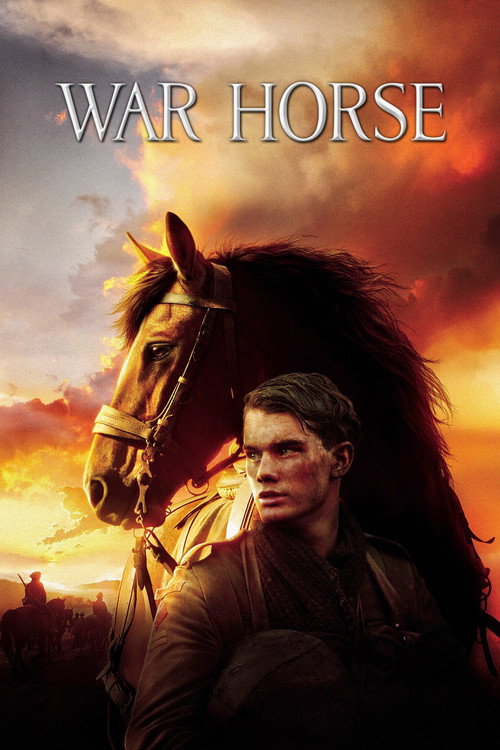
War Horse2011
Spielberg follows a horse through WWI from both sides of the lines, literalizing the idea of being trapped between enemies. It shares No Man's Land's perspective of two sides as equally human and equally trapped.
But Spielberg's sentimentality can override the material's toughness. The film often feels more melodrama than the grimness of actual trench warfare demands.
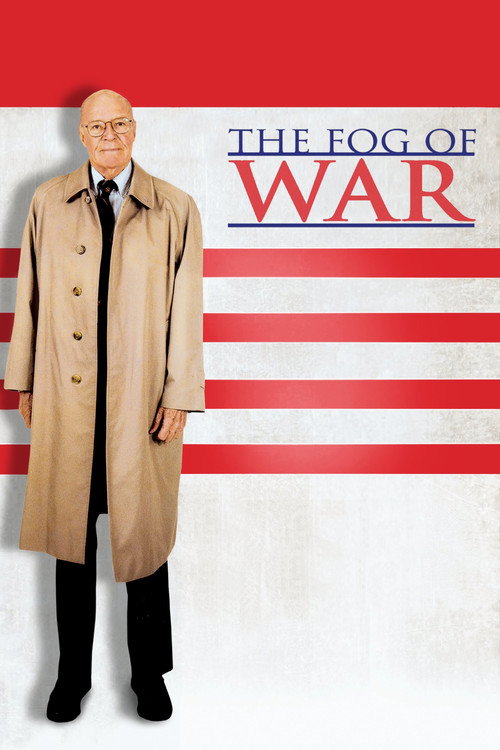
The Fog of War2003
Errol Morris's documentary of Robert McNamara reveals how good people commit atrocities through bureaucracy and miscommunication. It explains the logic of No Man's Land—how enemies stay enemies despite shared ground.
But It's a talking-head documentary with no action sequences. If you need movement and spectacle, the slowness will test you. Some find McNamara unreliable as a narrator of his own sins.
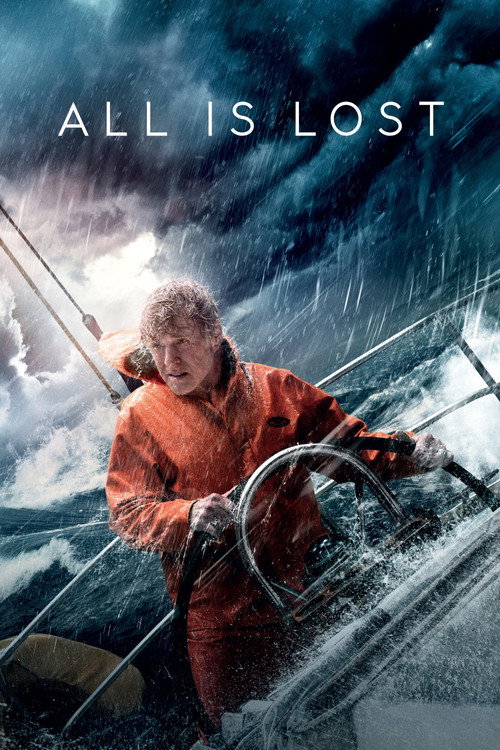
All Is Lost2013
A man alone against the sea with minimal dialogue, forced to solve impossible problems. No Man's Land shares its lean efficiency and refusal to tell you what to feel; you discover meaning in the details.
But There is almost no dialogue and the emotional journey is interior. If you need words and explanation, you'll find it frustrating and cold.
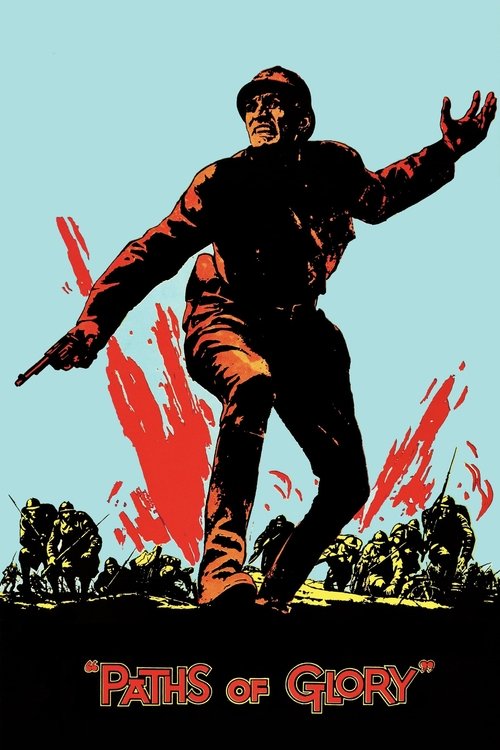
Paths of Glory1957
Kubrick's WWI film exposes the machinery that grinds up soldiers for the vanity of officers. It has No Man's Land's dark anger about how war wastes human beings in service of abstract ideas.
But The structure is relentless and bleak with no redemption. The court martial sequence drags, and some find the ending unbearably cynical.
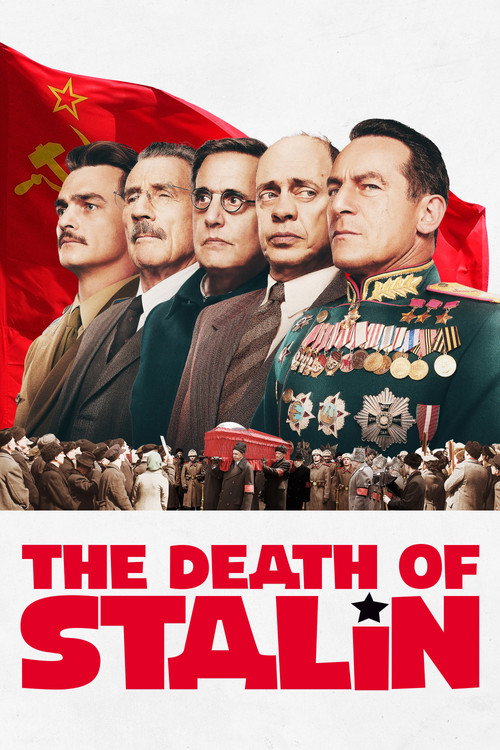
The Death of Stalin2017
Both use dark comedy to expose how bureaucracy and tribal loyalty turn regular people into agents of absurdity, making monstrosity procedural rather than passionate.
Armando Iannucci's pitch-black comedy about Soviet bureaucrats fighting for power after Stalin dies. It finds absurdist humour in political machinery, the same dark comedy No Man's Land mines from military institutional idiocy.
But The satire is dense and literary; you need to follow Byzantine politics. British humor about Soviet history won't land for everyone, and the bleakness can feel flippant about real suffering.
The Act of Killing2012
No Man's Land asks if enemies can see each other's humanity; this asks if perpetrators of atrocity ever can. Both probe whether proximity and confrontation change consciousness, or whether some damage is permanent.
A documentary where Indonesian death-squad leaders reenact their own atrocities for the camera. It's a radical interrogation of how perpetrators justify evil, and whether confrontation can generate conscience. Essential and nauseating.
But It's genuinely disturbing—watching killers laugh about murder is its own kind of violence. You cannot unsee it, and the lack of justice can feel morally suffocating. Not entertainment; an ordeal.

People
Cast
 Branko ĐurićCiki
 Rene BitorajacNino
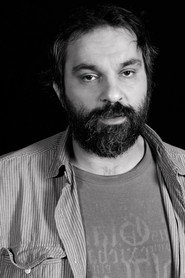 Filip ŠovagovićCera
 Georges SiatidisSergeant Marchand
 Sacha KremerMichel
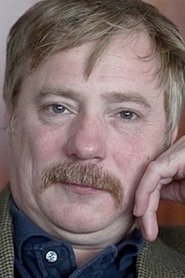 Alain EloyPierre
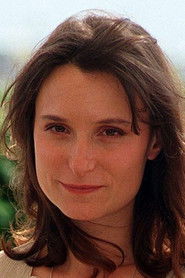 Katrin CartlidgeJane Livingstone
 Serge-Henri ValckeCaptain Dubois
 Simon CallowColonel Soft
 Tanja RibičMartha
 Branko ZavršanDeminer
 Bogdan DiklićSerbian Officer
Directing
- Danis TanovićDirector
Writing
- Danis TanovićWriter
Production
- Cat VilliersCo-Producer
- Dunja KlemencCo-Producer
- Igor PedicekCo-Producer
- Judy CounihanCo-Producer
- Marco MuellerCo-Producer
- Marion HänselCo-Producer
- Čédomir KolarProducer
- Frédérique Dumas-ZajdelaProducer
- Marc BaschetProducer
Recommended by
A Fistful of Dollars, Passport to Pimlico, A Private War, In the Land of Blood and Honey