
Film
Make Way for Tomorrow
Leo McCarey's quietest heartbreak: a Depression-era couple lose their house and get split between grown children who each take one parent in, neither willing to take both. There's no villain, just polite excuses piling up into cruelty. Orson Welles said it would make a stone cry. Watch it for the restraint, not for comfort.
If you liked this
Tokyo Story1953
Ozu's own answer to McCarey's film — he saw it, admired it, then built his masterpiece on the same quiet cruelty of children too busy for their aging parents. Same devastation, different culture, same restraint.
But Slow, static, formal Japanese pacing; if you found this one hard to sit with, that patience only intensifies here.
The Father2020
Told from inside a father's collapsing perception, it turns the family's failure to cope into a disorienting formal trick — you feel his confusion rather than just watching it.
But The subjective camera trickery and fractured timeline can feel more like an ordeal than a drama; some find it exhausting rather than moving.
Amour2012
An elderly Parisian couple face decline with the same unflinching clarity — no music cues telling you how to feel, just two extraordinary performances and a director who refuses to look away.
But Haneke's clinical distance can feel cold, and the ending offers even less comfort than McCarey's.
The wildcard
Something you would not have found on your own.
Up2009
Same emotional engine — a long marriage, aging, loneliness, being left behind — smuggled into the least expected genre: a G-rated animated adventure.
The wordless opening montage of Carl and Ellie's marriage — dreams deferred, growing old, one partner left alone — compresses everything McCarey took ninety minutes to say into about four devastating minutes, before turning into a kids' adventure.
But It's still a Pixar movie with a talking dog and a villain in a blimp; the tonal whiplash after that opening might feel like betrayal rather than relief.

More like this (8)
The Savages2007
Adult siblings forced to actually deal with a failing father they'd rather not think about — funnier and messier than McCarey's film, but asking the exact same uncomfortable question about obligation.
But The dark comedy softens the blow; if you want pure gut-punch, this pulls back more than you might expect.
The Trip to Bountiful1985no page yet
An elderly widow, unwanted in her son's cramped apartment, escapes on one last journey home — gentler than McCarey's film but built from the same ache of being in the way.
But More sentimental and hopeful than Make Way for Tomorrow; the ending offers a mercy these characters never got.
On Golden Pond1981no page yet
A long marriage facing its final chapters, with visiting children who don't quite know how to be around their aging parents — warmer and funnier, but honest about mortality underneath.
But Considerably cosier and more resolved than McCarey's film; don't expect the same clear-eyed bleakness.
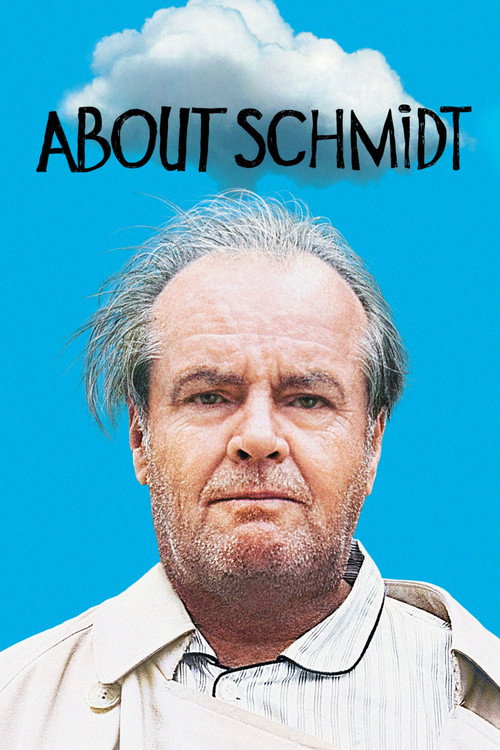
About Schmidt2002
A newly retired man discovers his children barely need him and his life has quietly closed around him — funny, sad, and squirmingly recognisable as a portrait of being surplus to requirements.
But Nicholson's comic register and the road-trip structure make this a much lighter, wryer film than the one you just watched.
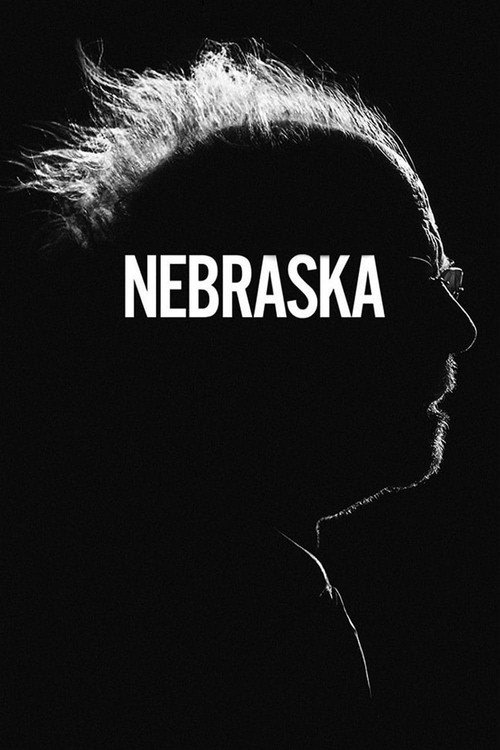
Nebraska2013
A father's stubborn quest and his son's reluctant company reveal decades of family disappointment in black-and-white — melancholy comedy that shares McCarey's interest in what families don't say out loud.
But The deadpan Payne humour and rural detours are a very different mood from the quiet tragedy you've just sat through.
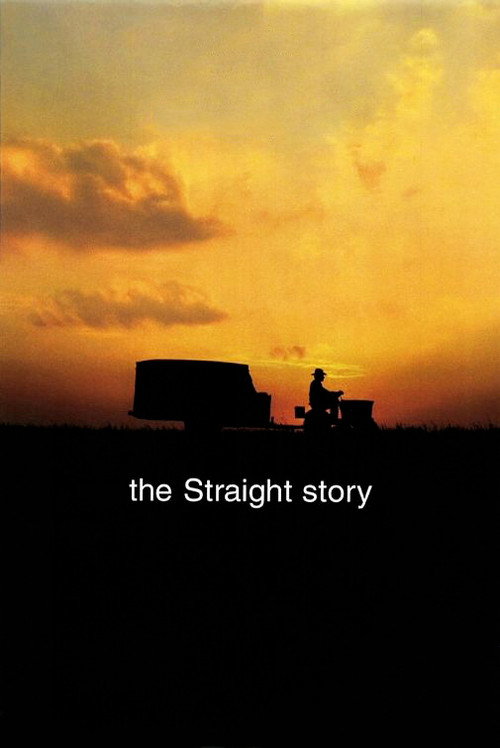
The Straight Story1999
An elderly man drives a lawnmower across states to reconcile with his estranged brother — David Lynch's gentlest film, patient and tender about what age takes from us and what still matters.
But Almost defiantly slow and uneventful; if you need more incident or family conflict on screen, this may feel too quiet even now.
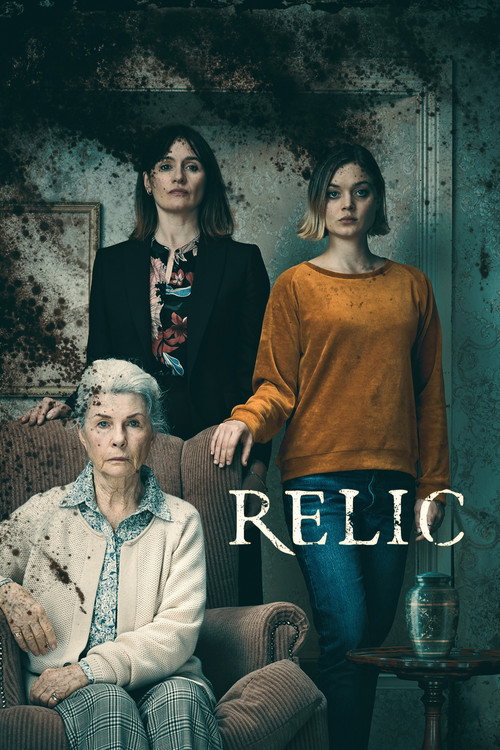
Relic2020
Takes the same subject — children unable to cope with what their aging parent has become — and plays it as horror instead of restrained domestic drama, the dread made literal instead of implied.
A grandmother's decline is literalised as something rotting and spreading through the family house, turning the guilt, fear and helplessness of watching a parent fail into full-blown horror-movie dread.
But It's a genre film with jump scares and a monster-movie climax; if you want realism rather than metaphor, this may feel like a cheat.
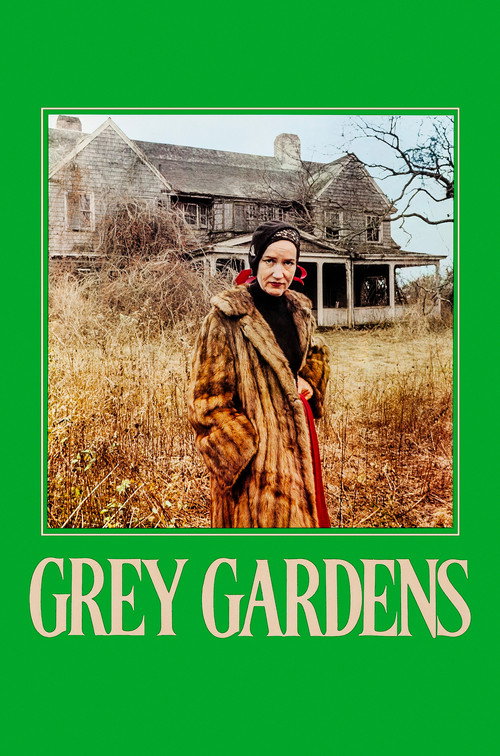
Grey Gardens1976
The direct documentary inverse — instead of a family failing to keep two elderly people together, here's one that never let go at all, filmed as unvarnished reality rather than fiction.
A real mother and daughter, once-glamorous and now isolated together in a decaying East Hampton mansion, filmed with no narration and no judgment — a documentary about what happens when a family simply never does the separating McCarey's did.
But It's eccentric and voyeuristic rather than sorrowful; some viewers find the Beales' theatricality more darkly comic than moving.
People
Cast
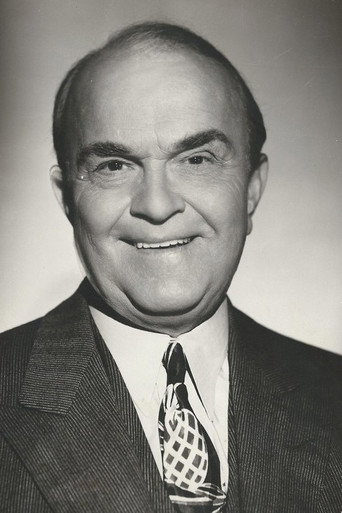 Victor MooreBarkley Cooper
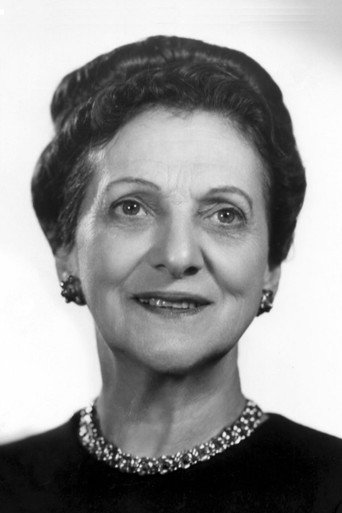 Beulah BondiLucy Cooper
 Fay BainterAnita Cooper
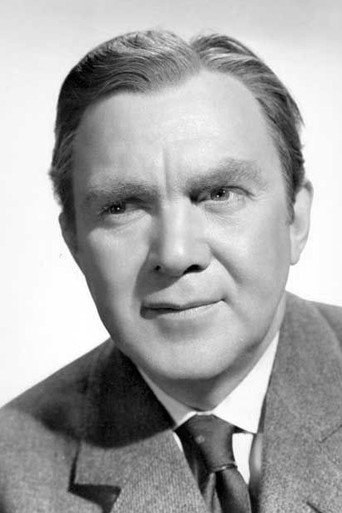 Thomas MitchellGeorge Cooper
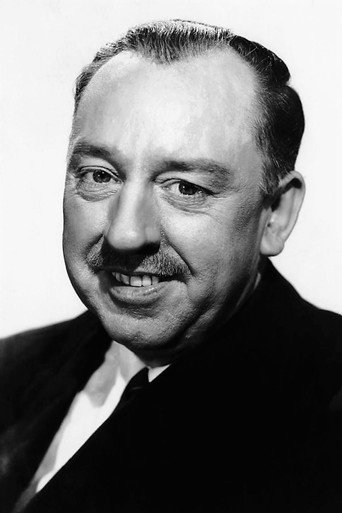 Porter HallHarvey Chase
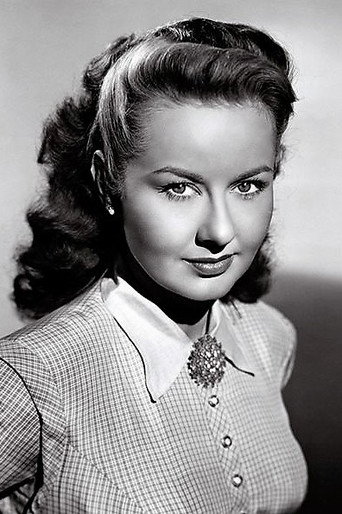 Barbara ReadRhoda Cooper
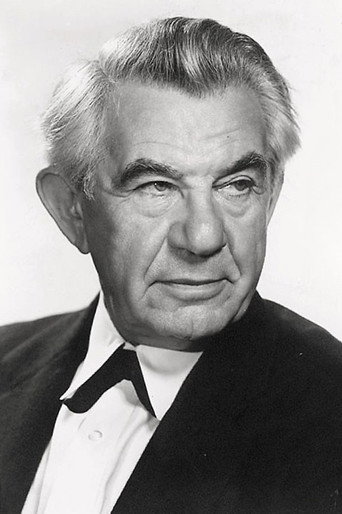 Maurice MoscovitchMax Rubens
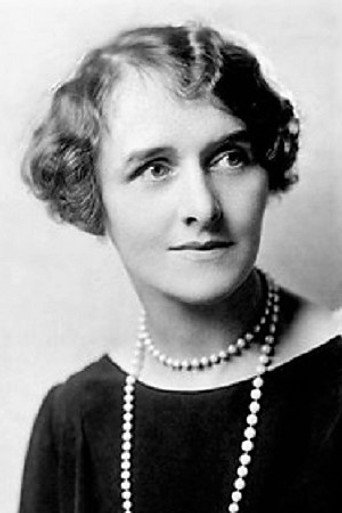 Elisabeth RisdonCora Payne
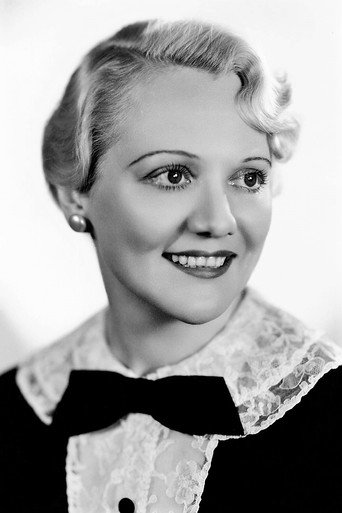 Minna GombellNellie Chase
- Louise BeaversMamie
- Ray MayerRobert Cooper
- Ralph RemleyBill Payne
Directing
- Leo McCareyDirector
Writing
- Josephine LawrenceNovel
- Viña DelmarScreenplay
- Helen LearyTheatre Play
- Nolan LearyTheatre Play
Production
- Adolph ZukorProducer
- Leo McCareyProducer
Recommended by
Parenthood, This Is Us, The Straight Story, Tokyo Story, Away from Her, Late Spring, A Year in the Life, Umberto D., An Autumn Afternoon