
Film
Gideon's Day
A Scotland Yard inspector's single day unfolds across multiple cases—bribery, murder, robbery—as Gideon juggles the chaos of police work with domestic life. Directed by John Ford in London, it's a procedural that finds humour and humanity in routine drudgery. For anyone who loves the texture of institutional life and British stoicism punctured by comedy.
If you liked this
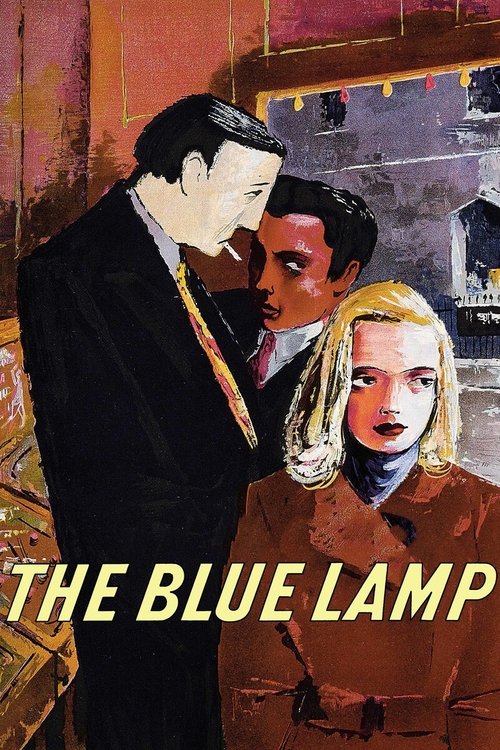
The Blue Lamp1950
A foundational British police procedural that established the genre's tone. Jack Warner is magnificent as a veteran constable, and the film treats routine detective work as genuinely dramatic and moral. Direct ancestor to everything that followed.
But It moves deliberately—this isn't action cinema. Some will find the pacing stately to the point of inertia, and the social attitudes are firmly of the 1950s.
Serpico1973
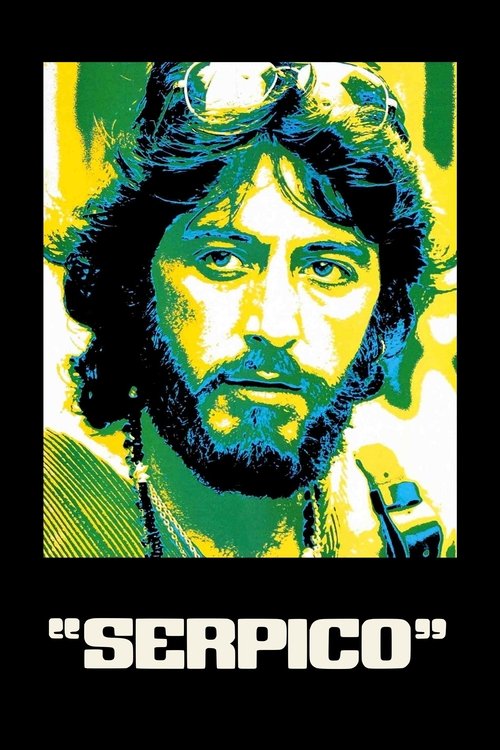
Al Pacino as a cop fighting institutional corruption from inside the NYPD. Like Gideon's Day, it's fascinated by how the system chews up good people. Grittier and angrier, but the same moral anatomy.
But It's a full-bore corruption thriller, not a day-in-the-life vignette. The tone is relentlessly serious and bleak in ways Gideon never approaches.
The Killing1956
Kubrick's racetrack heist film told from multiple angles in a single, fractured day. Like Gideon's Day, it's fascinated by how different people's orbits intersect and collide. Sharp and cool and structurally inventive.
But It's much more stylized and cynical. Gideon has warmth and decency; The Killing has none. It can feel remote and chilly.

Not sure tonight? Get a pick in a minute, starting from Gideon's Day
The wildcard
Something you would not have found on your own.
M1931
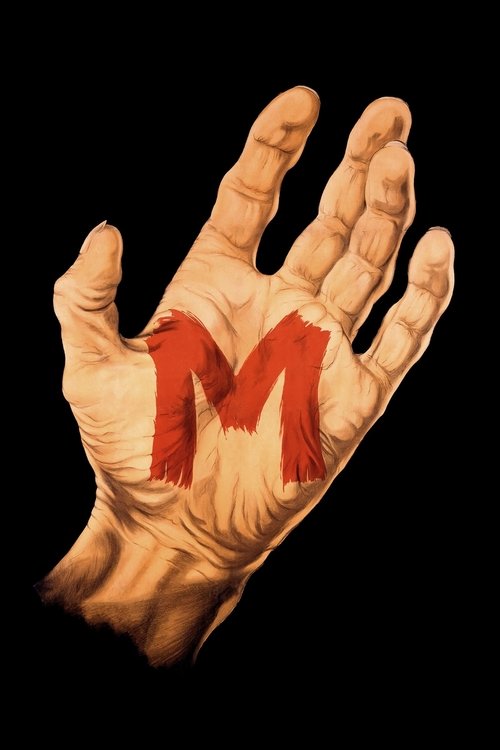
Both films understand that a crime is not an isolated event but a disturbance in a social order. Both are fascinated by how institutions—police, underworld, ordinary citizens—respond to that disturbance. Lang invented the visual language; Ford applied it to a day at Scotland Yard.
Fritz Lang's masterpiece about a city hunted by a child-killer and the parallel pursuit by police and criminal underworld. Like Gideon's Day, it's about how a single crime sends ripples across an entire social structure. Structurally prophetic—this is the template all procedurals follow.
But It's German Expressionist cinema from 1931. The style is extreme and the pacing is glacial by modern standards. It's also deeply dark—this is not entertainment, it's an anatomy of evil and institutional failure.
More like this (8)
Pickup on South Street1953
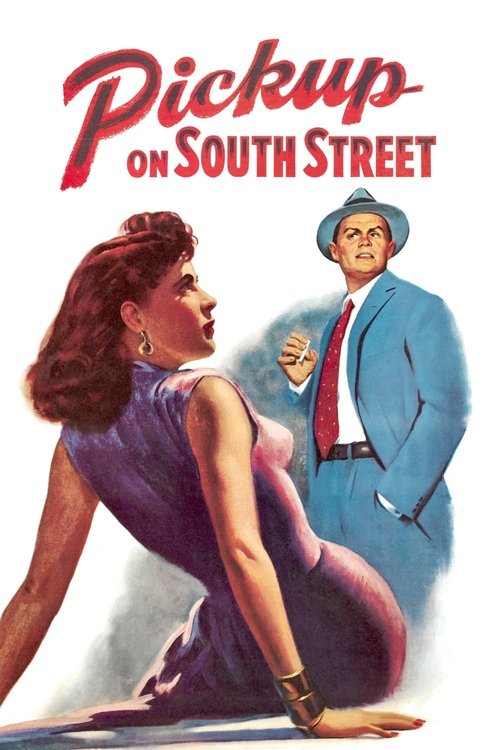
Sam Fuller's scrappy New York noir about informants and double-crosses. It's got the same lived-in sense of a city's underworld, and the same fascination with how crime and law enforcement are two sides of one coin.
But Fuller's style is much rougher and more expressionistic. The emotional register is harder, the morality murkier. It's not cosy.
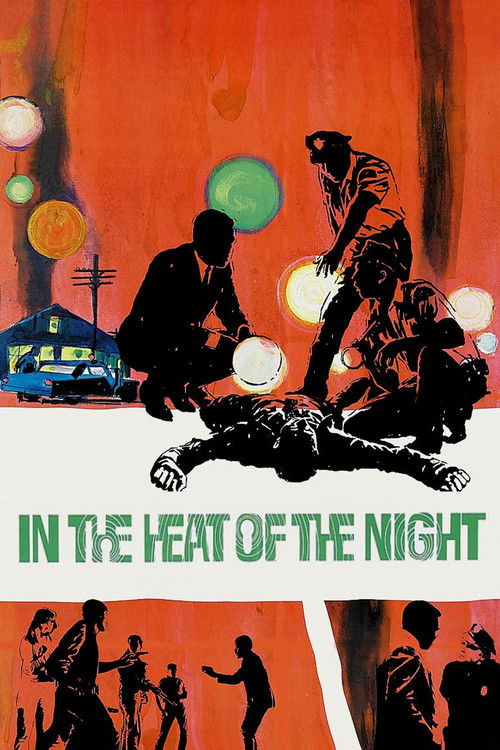
In the Heat of the Night1967
A procedural about two detectives—one Black, one white—solving a murder in the segregated South. Like Gideon's Day, it uses the investigation as a frame for exploring character, duty, and what it costs to do the job right.
But It's genuinely angry about racism in ways Gideon's Day never is. The tone is tense and confrontational, not the amiable British muddle of Ford's film.
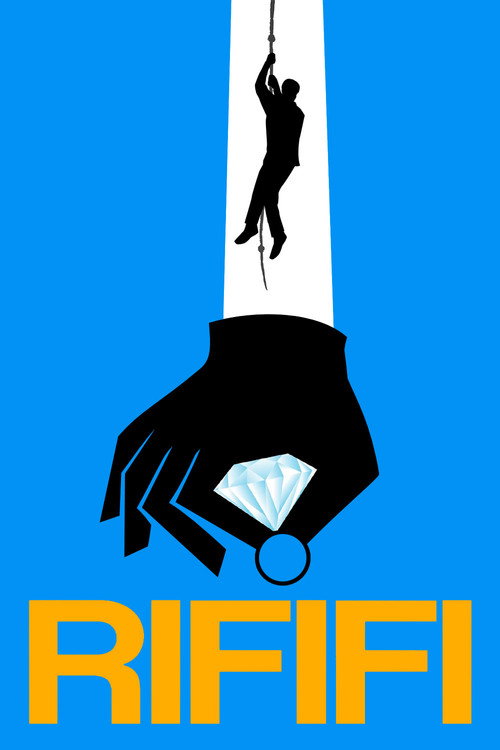
Rififi1955
A French heist film with a famous silent robbery sequence. It shares Gideon's Day's interest in how crime ripples outward, affecting ordinary people trying to do ordinary jobs. Stylish and suspenseful.
But It's in French, and it's a heist film first—more glamorous and less interested in procedure than Gideon's Day. Some find the black-and-white photography beautiful; others find it austere.
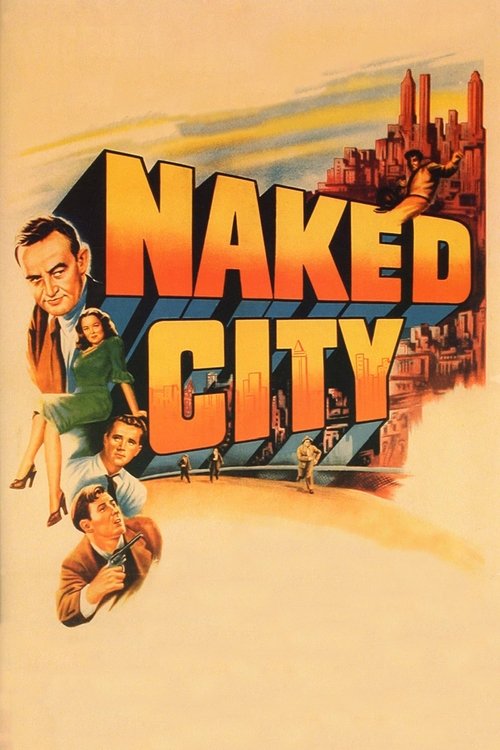
The Naked City1948
A New York police procedural that invented half the genre's vocabulary. A detective hunts a murderer through the city's boroughs. Like Gideon's Day, it treats the city itself as a character and finds drama in routine investigative work.
But It's a product of 1948—the pacing and attitudes feel distant now. Some scenes don't age well. It's also quite long and episodic.
The Asphalt Jungle1950
Huston's heist film from the criminal's point of view. It shares Gideon's Day's interest in how a single crime affects multiple lives and forces them into collision. Influential, taut, deeply human.
But It's told from the criminals' side, not the cops'. If you want identification with the police work itself, you won't find it here.

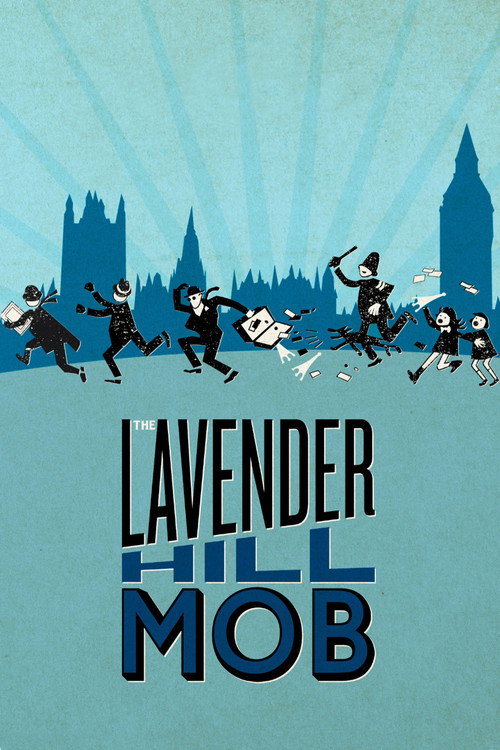
The Lavender Hill Mob1951
A British comedy-heist about a timid bank clerk and a gold bullion robbery. It's lighter and funnier than Gideon's Day, but shares the same affection for ordinary British types and their small rebellions against routine.
But It's a comedy first, a heist second. If you're looking for police procedure and institutional drama, this won't scratch that itch.
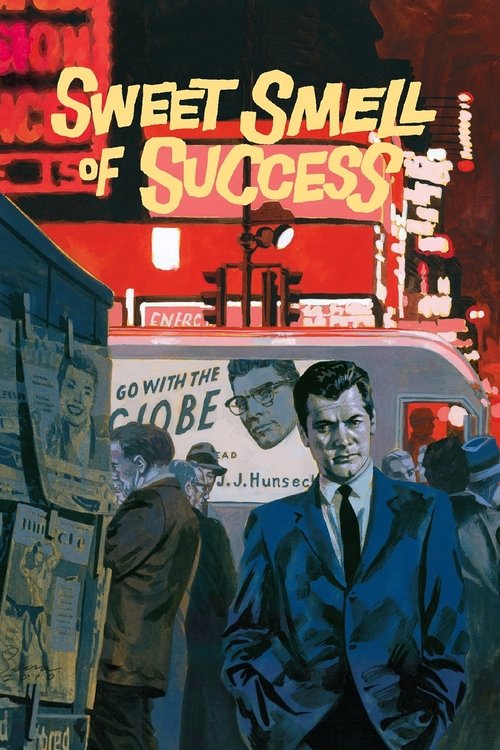
Sweet Smell of Success1957
Both are procedurals told with affection for detail and character. But where Gideon's Day finds humanity in routine, Sweet Smell finds degradation in ambition. Same structure, opposite moral temperature.
Mackendrick's acid portrait of New York fixers and gossip columnists. Like Gideon's Day, it's a procedural—someone gets the job done—but it's also a savage comedy about people trying to navigate systems that corrupt them. The dialogue is the sharpest ever written for film.
But It's nihilistic and vicious in ways Gideon's Day never approaches. There are no decent people here, only degrees of compromise. The style is mannered and the emotion is cold.
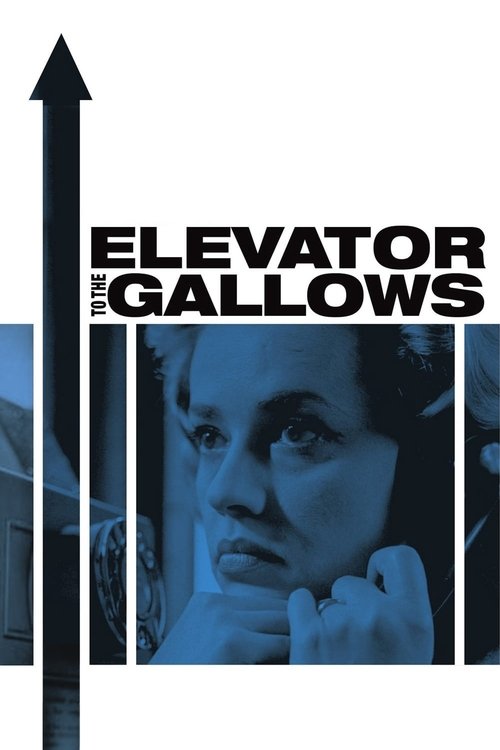
Elevator to the Gallows1958
Both compress a substantial story into a tight timeframe and use that compression to show how lives collide. Both find black comedy in proximity. But where Ford is warm and procedural, Melville is cool and fatalistic—the same formal idea, opposite emotional weather.
Melville's French thriller about an escaped prisoner and the night that follows. A chamber piece, almost—it unfolds in real time across Paris. Like Gideon's Day, it's interested in how a single night contains multiple intersecting lives, comedy and tragedy pressing against each other.
But It's a French New Wave film, self-conscious and poetic. The pacing is deliberate. The score—Miles Davis—is hypnotic but can feel intrusive. It's elegiac, not cosy.
People
Cast
 Jack HawkinsInsp. George Gideon
 Anna LeeMrs. Kate Gideon
 Anna MasseySally Gideon
 Andrew RayPC Simon Farnaby-Green
 Dianne FosterJoanna Delafield
 Cyril CusackHerbert 'Birdie' Sparrow
 James HayterRobert Mason
 Derek BondDet. Sgt. Eric Kirby
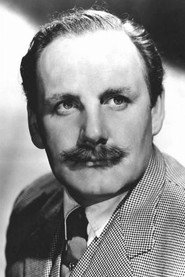 Howard Marion-CrawfordThe Chief
 John LoderPonsford 'The Duke'
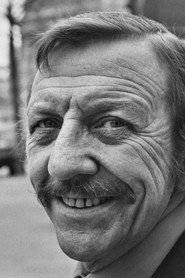 Barry KeeganRiley
 Frank LawtonDet. Sgt. Liggot
Directing
- John FordDirector
Writing
- John CreaseyNovel
- T. E. B. ClarkeScreenplay
Production
- Wingate SmithAssociate Producer
- Michael KillaninProducer
- Bill KirbyProduction Supervisor