
Film
Plunder Road
A taut 1957 heist film where a meticulously planned gold robbery crumbles under paranoia and pressure as the gang scatters across America. Shot in stark black-and-white, it moves with economic efficiency—no wasted scenes, no padding. For fans of lean crime narratives that trust their audience to keep up.
Should you watch it?
Watch it if you like lean, hard-edged heist films where the planning and the friction inside the crew count for more than polish, and you enjoy seeing character actors carry the weight.
Skip it if its modest studio polish and brisk seventy-two-minute running time leave little room for atmosphere, so if you want gloss or slow-burn mood, look elsewhere.
What it asks of you: A short, brisk sitting: scenes cut quickly, the mood stays hard and clipped, and you mostly just need to keep track of who wants what from whom.
Not sure? Find tonight's pick in a minute.
If you liked this
The Killing1956
Kubrick's racetrack heist masterpiece—a fractured, interlocking narrative about a robbery that collapses through human weakness. Shares Plunder Road's focus on execution over spectacle and its cold, fatalistic view of criminal ambition.
But The film jumps around in time deliberately, which can feel confusing on first viewing. Some find its detached tone emotionally distant.

The Asphalt Jungle1950
The template for every heist film that followed: meticulous planning, diverse crew, everything goes wrong. Huston's original is leaner and more morally complex than most of its descendants, with a genuine sense of doom.
But It's fifty minutes into a seventy-two-minute film before the actual heist happens. The pacing is deliberate, not propulsive.

The Killing of a Chinese Bookie1976
Cassavetes charts a small-time hustler's unraveling after a botched job forces him on the run. Like Plunder Road, it's fascinated by the psychological toll of crime and the paranoia that eats away at criminals in hiding.
But It's deliberately rough-hewn and improvisational. Some scenes feel repetitive, and the narrative doesn't move in straight lines.

Not sure tonight? Get a pick in a minute, starting from Plunder Road
The wildcard
Something you would not have found on your own.
Rififi1955
Both are tight, unglamorous heists that understand crime as a job and criminals as professionals driven by circumstance rather than morality. Both trust the audience to follow without exposition.
A French heist film that influenced everything after it, including Plunder Road: a silent, thirty-minute heist sequence, a crew united by honor in a dishonorable world, and the certainty that everything falls apart. Dassin's direction is surgical.
But The first half is setup heavy, and subtitled French dialogue requires engagement. The film assumes you care about small details.

More like this (7)
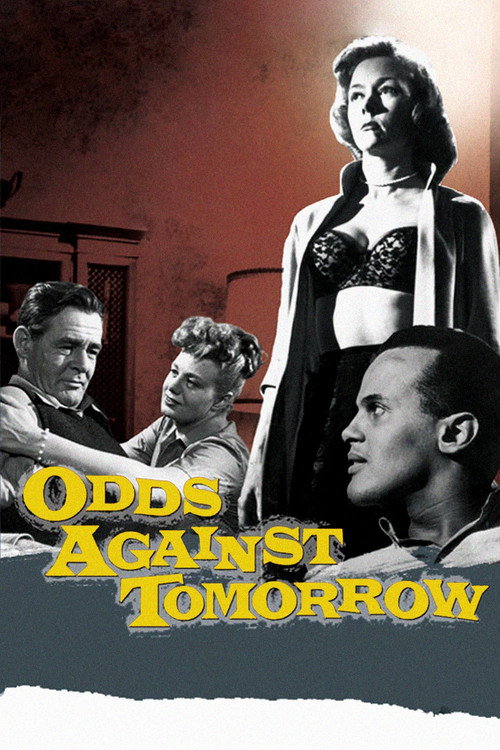
Odds Against Tomorrow1959
A heist gone wrong, but what makes it special is the racial and class tensions that sabotage the crew from within. Beautifully shot and morally serious in ways that elevate it above standard crime procedural.
But The social commentary is heavy-handed by modern standards, and some supporting performances feel theatrical rather than naturalistic.
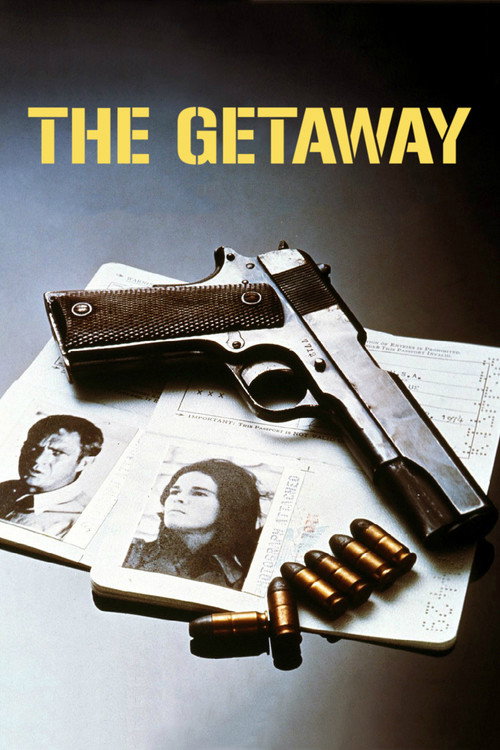
The Getaway1972
Peckinpah's taut adaptation of Jim Thompson's novel: a robbery, a double-cross, a couple on the run. It has the paranoia and moral corruption of Plunder Road but with Peckinpah's stylistic violence layered on top.
But Contains some of Peckinpah's more extreme violence. The pacing can feel lurching—beautiful moments interrupted by sudden brutality.
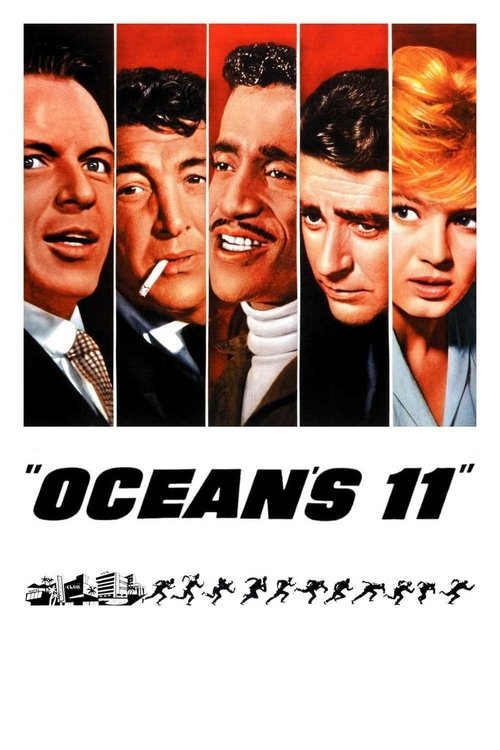
Ocean's Eleven1960
Rat Pack cool meets Vegas heist: a crew hits a casino and barely breaks a sweat. It's lighter than Plunder Road but shares its focus on the crew dynamic and the careful logistics of the job itself.
But The tone is breezy and self-satisfied. If you want genuine tension or consequences, this trades both for style and charisma.
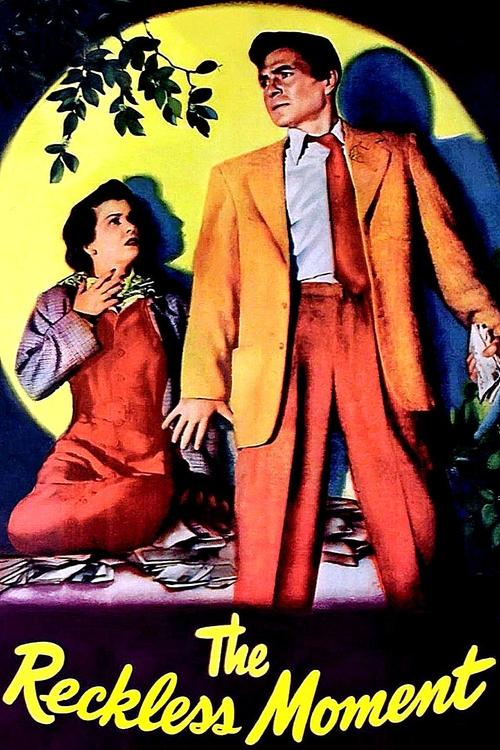
The Reckless Moment1949
Ophüls' psychological noir about a woman caught in a web of blackmail and crime. Shares Plunder Road's interest in ordinary people driven to desperation and the paranoia that follows poor choices.
But It's a melodrama first, a crime story second. The emotional extremes may feel overwrought if you're in a restrained mood.
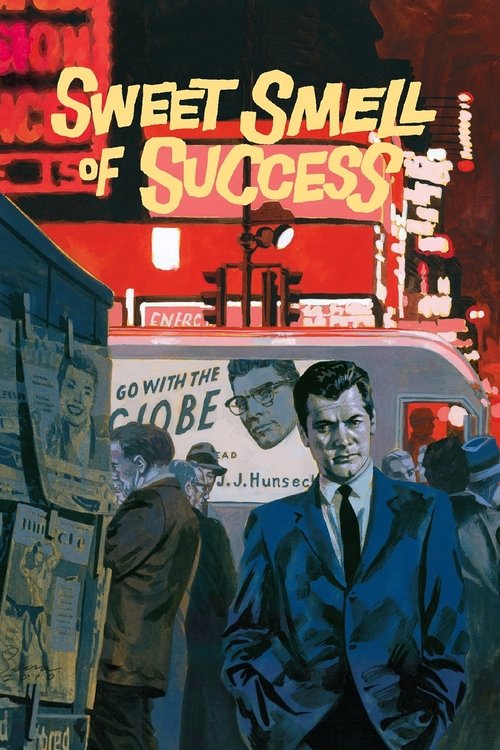
Sweet Smell of Success1957
Released the same year as Plunder Road, it's a different kind of crime film—all corruption and betrayal in the New York nightclub scene. The dialogue is baroque, the moral rot is total, and nothing you expect to happen does.
But The screenplay is deliberately labyrinthine. It requires attention and rewards it, but it's not comfortable viewing.
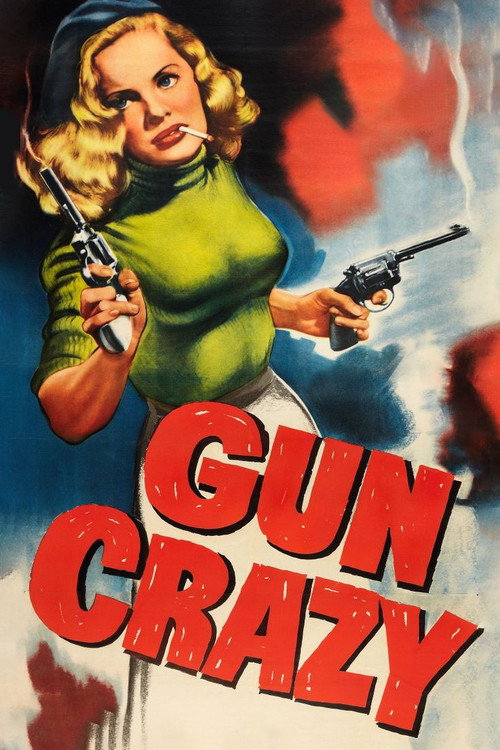
Gun Crazy1950
A couple on a crime spree: intimate, violent, and more interested in the psychology of transgression than the logistics of the job. Predates Bonnie and Clyde and hits similarly on the seduction of crime and speed.
But It's uneven in tone. Some scenes play as romance, others as horror, and the tonal shifts can feel jarring rather than intentional.
The Janitor2003
Both understand crime as contamination rather than adventure. Both are interested in the toll it takes on ordinary men who had other plans. Both refuse to make criminals sympathetic.
A Mexican crime film (in Spanish) about a man forced into murder and robbery to survive. It's blunt, unglamorous, and focused entirely on the psychological damage of criminal acts. Shot with neorealist clarity and moral seriousness.
But It's in Spanish with no major stars. The pacing is slow, and there are long passages without dialogue. The subject matter is unsparing and sometimes difficult.
People
Cast
 Gene RaymondEddie Harris
 Jeanne CooperFran Werner
 Wayne MorrisCommando Munson
 Elisha Cook Jr.Skeets Jonas
 Stafford ReppRoly Adams
 Steven RitchFrankie Chardo
 Harry TylerGas station attendant


Directing
- Louis BrandtAssistant Director
- Nat MermanAssistant Director
- Hubert CornfieldDirector
Writing
- Steven RitchScreenplay
- Jack CharneyStory
- Steven RitchStory
Production
- Laurence StewartProducer
- Leon ChooluckProducer