
Television series
How Art Made the World
Nigel Spivey traces how artistic techniques and visual ideas from ancient civilizations shaped everything we see today. Across ten episodes, he travels five continents to show that modern art didn't emerge from nowhere—it evolved from innovations made thousands of years ago. Smart, visually generous, for anyone curious about where culture actually comes from.
If you liked this
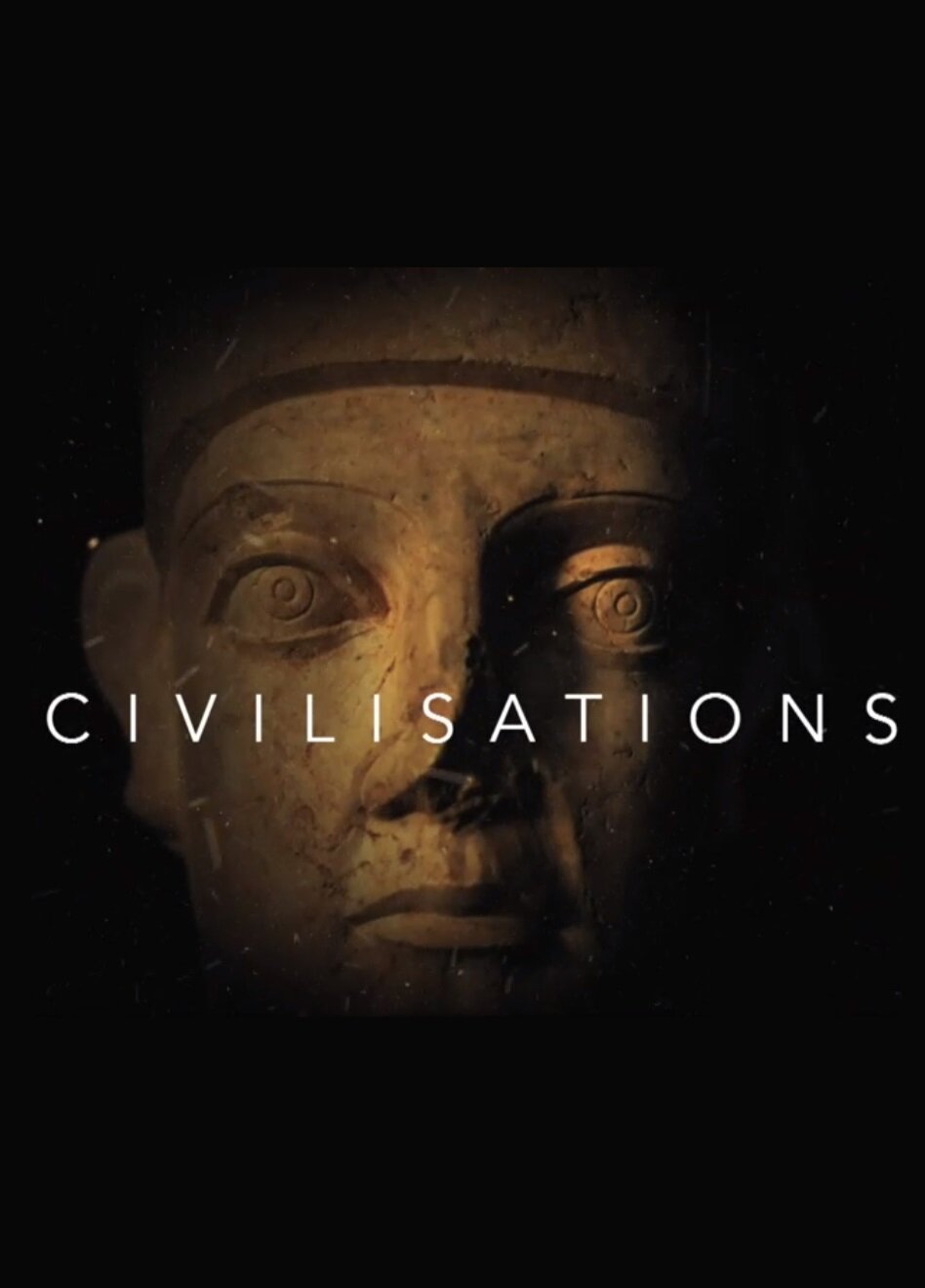
Civilisations2018
David Attenborough guides you through art history with the same sense of wonder he brings to nature documentaries. Sweeping, beautifully shot, and genuinely moving about what humans create and why it matters.
But It's long and somewhat reverential; if you prefer a more critical eye or faster pace, it can feel occasionally slow.
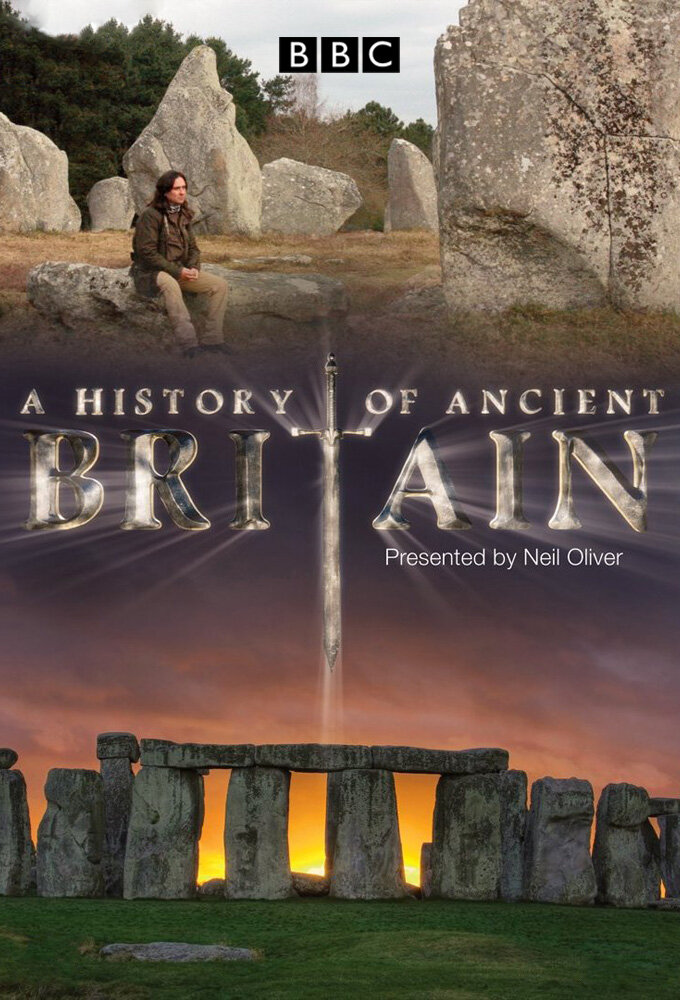
A History of Ancient Britain2011
Neil Oliver makes prehistory feel urgent and alive, following material evidence across landscapes to tell stories we thought were lost. You'll see how objects reveal entire civilizations.
But Oliver's romantic tone isn't for everyone, and some prefer a drier scholarly approach to the material.
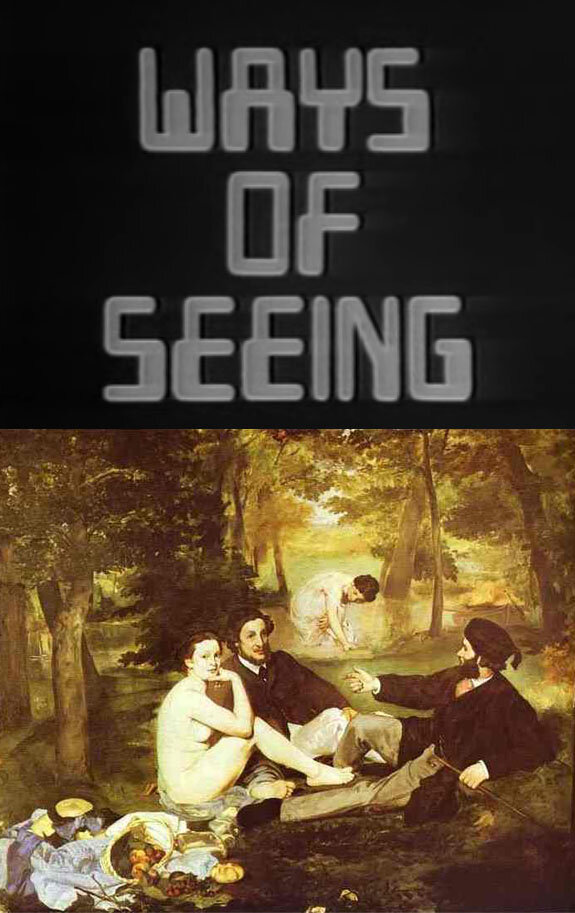
Ways of Seeing1972
John Berger's six episodes fundamentally changed how people think about images. It's short, dense, and will rewire how you look at everything afterward. Still radical fifty years later.
But It's quite theoretical and 1970s in presentation; modern viewers sometimes find the pacing and format dated.
Not sure tonight? Get a pick in a minute, starting from How Art Made the World
The wildcard
Something you would not have found on your own.
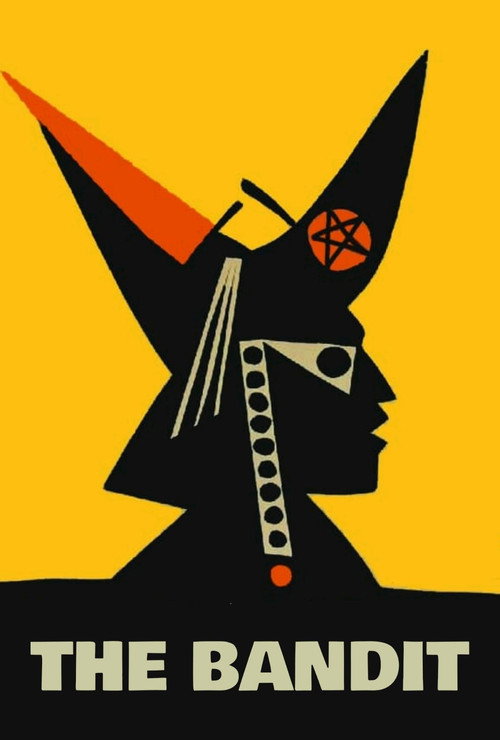
The Bandit1953
Both examine how visual techniques emerge from specific places and times, then spread and transform. This film IS that process—it created images that the world copied.
A Brazilian bandit film that invented visual language for anti-colonial storytelling decades before it became common in world cinema. Stunning black-and-white cinematography and a narrative structure that influenced generations of filmmakers.
But It's a 1950s Portuguese-language film with minimal restoration; the print quality is rough and the pacing is deliberate in ways modern audiences find slow.
More like this (3)
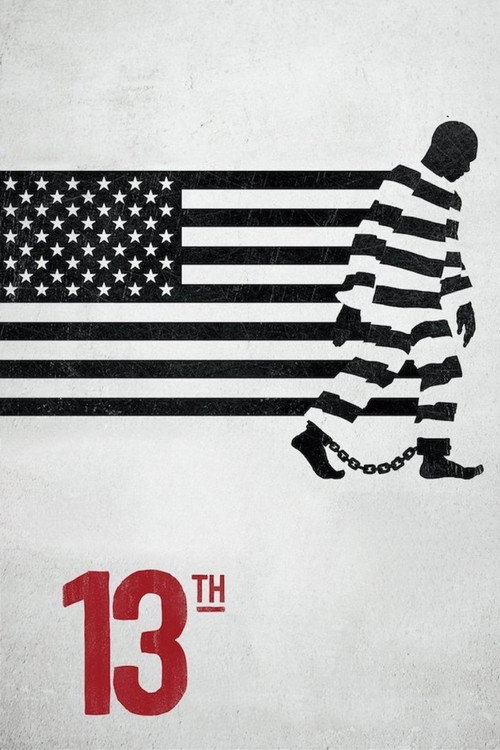
13th2016
Ava DuVernay's documentary traces how images and symbols have been weaponized to justify racism from slavery to mass incarceration. Visually sophisticated and morally urgent.
But It's heavy, angry, and relentless; the subject matter is brutal and the film doesn't offer comfort or easy answers.
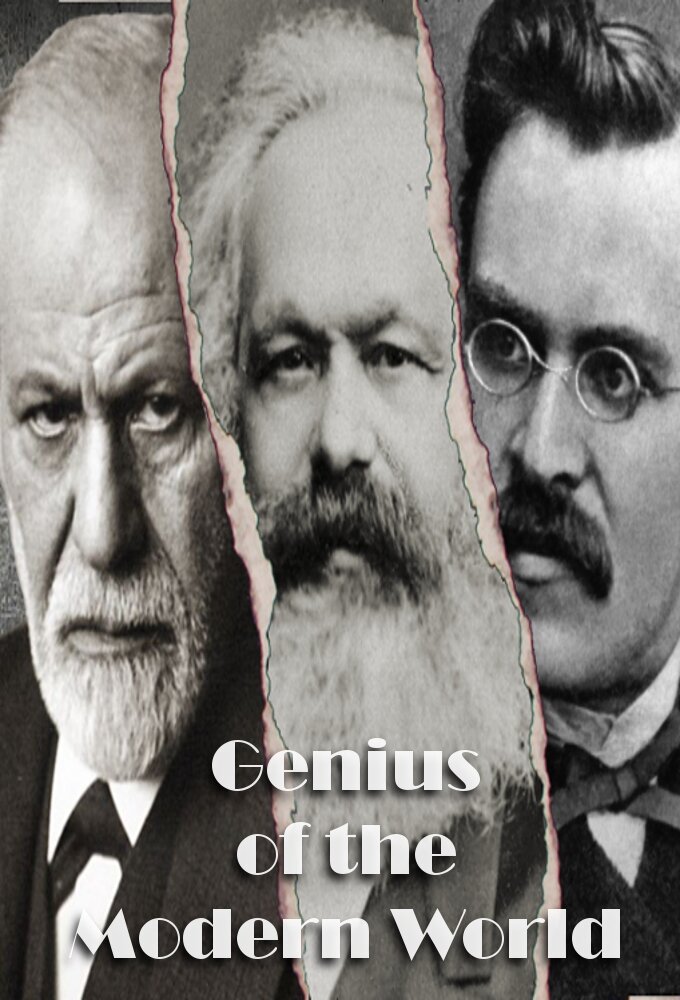
Genius of the Modern World2016
Bettany Hughes explores how Marx, Nietzsche, and Freud changed how humans understand themselves and society. Intellectual but alive, connecting ideas to the world we actually live in.
But Philosophy documentaries can feel abstract; if you need concrete storytelling, this might frustrate you.
The Act of Killing2012
It's about how images shape reality and how power flows through visual representation. The ultimate argument for why art history matters—because images don't just reflect the world, they make it.
Joshua Oppenheimer asks Indonesian death-squad leaders to restage their killings as art—as film, as dance, as performance. Deeply strange and profoundly moral, forcing you to think about what images do and who controls meaning-making.
But It's extremely disturbing, morally vertiginous, and occasionally nearly unwatchable. Not entertainment; something much harder and more necessary.

People
Cast
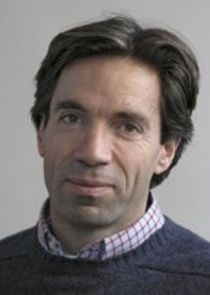 Nigel SpiveyPresenter