
Film
Drowning by Numbers
Peter Greenaway's formally audacious film follows three generations of women named Cissie Colpitts who drown their husbands with increasing casualness, enlisting a complicit coroner to cover their tracks. It's a dark comedy that uses numerical games, visual wit, and theatrical staging to explore female rage without sentiment. For viewers who relish cinema as puzzle and provocation.
Should you watch it?
Watch it if you enjoy deadpan, painterly films where counting games, numbered titles and formal symmetry carry the joke, and you don't mind a tale that treats a death as a parlour game.
Skip it if you want a plot that moves forward, since this one is more interested in ritual and mood than momentum, and its dark comedy can feel cold and deliberately mannered.
What it asks of you: Roughly two hours of patience, with long static compositions, a flat deadpan delivery, and a shape that repeats its ideas rather than tightening into a neat arc.
Not sure? Find tonight's pick in a minute.
If you liked this
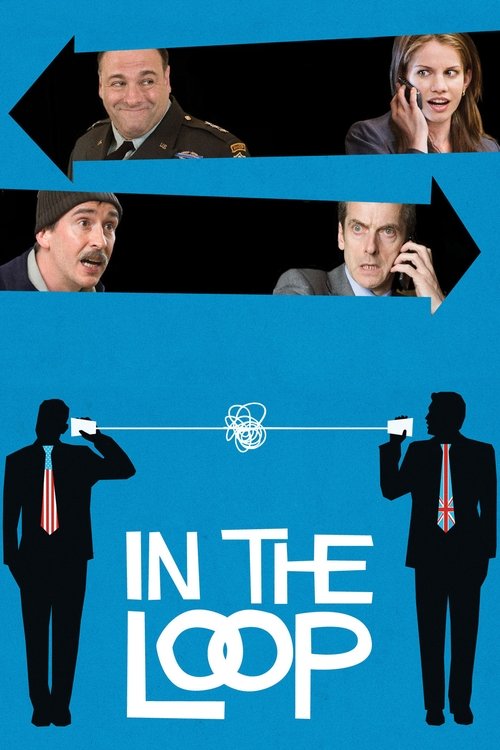
In the Loop2009
Armando Iannucci's scathing political satire shares Drowning's delight in profanity as punctuation and its willingness to make you laugh at genuinely repugnant behavior. It's furious and funny in equal measure.
But The comedy is so sharp and so relentless it can feel exhausting rather than exhilarating. Not a comfort watch.
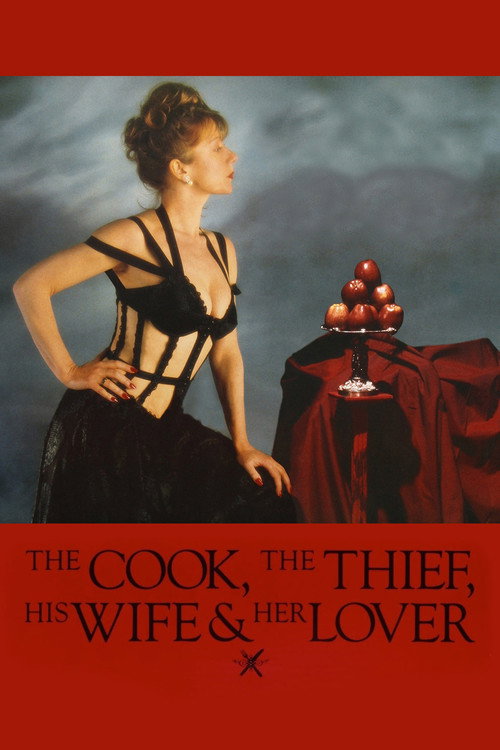
The Cook, the Thief, His Wife & Her Lover1989
Greenaway's companion piece of baroque excess and transgression. Same formal playfulness, same appetite for sexual and violent spectacle, same refusal to provide moral comfort. Essential viewing if Drowning captivates you.
But It's genuinely difficult to watch—visceral, grotesque, and designed to repel as much as fascinate. Long too.
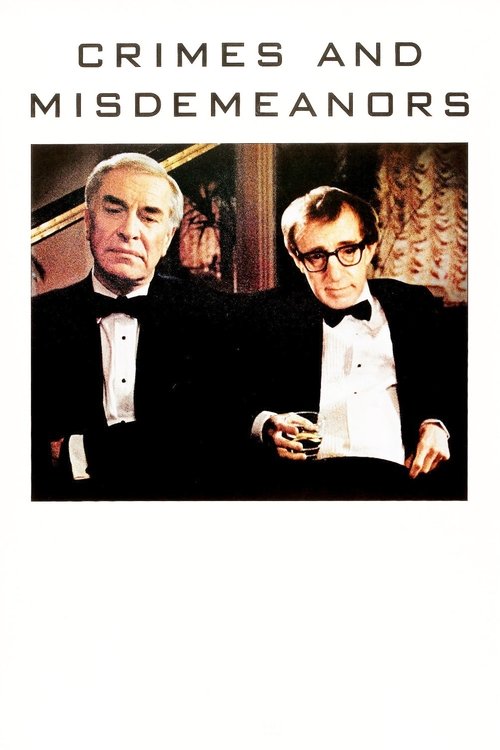
Crimes and Misdemeanors1989
Woody Allen also explores murder as moral problem and comic possibility, with philosophers and philosophers-in-denial wrestling with consequence. Tonally lighter but thematically kinship.
But Allen's philosophical ambivalence will feel sentimental compared to Greenaway's cold eye. Less formally inventive.
Not sure tonight? Get a pick in a minute, starting from Drowning by Numbers
The wildcard
Something you would not have found on your own.
The Killing1956
Both are formally elaborate crime narratives where structure becomes the subject; plot serves cinema, not vice versa.
Kubrick's debut fragments a heist chronologically, letting viewers assemble meaning like a puzzle. Where Drowning uses numbers and game logic, this pioneer uses temporal scramble. Both make plot secondary to form.
But The black-and-white cinematography and 1950s pacing feel distant. Narrative opacity without contemporary stylistic flourish can read as slow.

More like this (8)
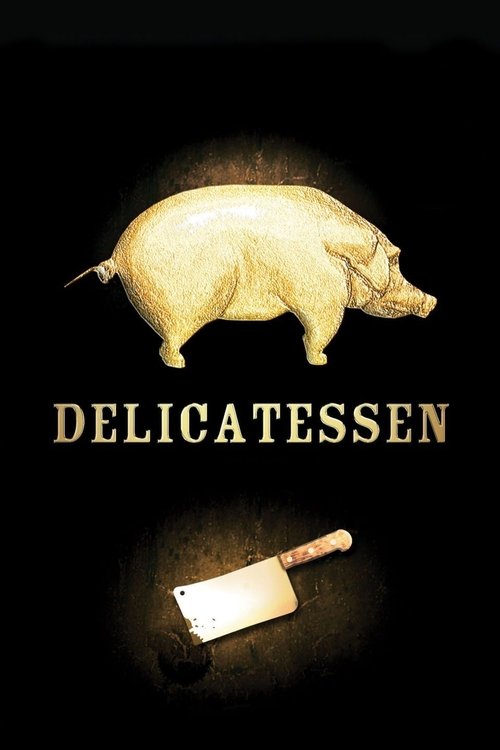
Delicatessen1991
Jeunet and Caro's surrealist dark comedy about cannibalism and tenement life shares Drowning's gallows humor, grotesque staging, and refusal to shy from human appetite. Visually gorgeous and morally slippery.
But The whimsy can feel cloying. It wants you to find it charming in a way Greenaway never does.
A Prophet2009
Jacques Audiard's prison thriller builds its moral darkness incrementally, watching a man compromise himself repeatedly until complicity becomes identity. The slow erosion mirrors Madgett's trajectory.
But It's bleak in a straightforward way. No formal games or theatrical distance to cushion the bleakness.

Fargo1996
The Coens find comedy in murder and cover-up while respecting the weight of consequence. Frances McDormand's decency provides the moral anchor Drowning deliberately withholds.
But It's warmer and more humanist than Drowning. You might find it too comforting if you're hungry for the film's coldness.
Contempt1963
Godard's meditation on performance, adultery, and the corrosion of desire plays formal games with narrative and image. Different register but same appetite for cinema as artifice and commentary.
But It's more austere than Drowning and less interested in plot. Can feel like work.

Sexy Beast2001
Jonathan Glazer's debut about retirement, desire, and intrusion features surrealist sequences and Ben Kingsley's volcanic menace. Formally daring and deeply uncomfortable.
But Long stretches of beauty and stillness punctuated by shocking violence. The tonal whiplash isn't for everyone.
A Clockwork Orange1971
Kubrick's controversial provocation shares Drowning's refusal to distance the audience from transgression or provide moral scaffolding. Both use formal control to make chaos legible.
But The misogyny and sexual violence haven't aged well. Many find it morally irresponsible rather than illuminating.
Toni Erdmann2016
Both examine complicity and role-play; both understand that laughter and pain occupy the same space. Both are formally aware without showing off.
Maren Ade's three-hour tragicomedy about a father, daughter, and performance. It shares Drowning's fascination with how people collude in deception and the masks we wear. Comedy that deepens into something unbearably sad.
But The runtime demands patience. Its emotional register is opposite Drowning's—tender where Greenaway is cold—and the shift might feel tonal rather than earned.

Synecdoche, New York2008
Both are theatrical films about self-deception and the gulf between knowing what we're doing and admitting it; both use formal complexity to enact psychological complexity.
Kaufman's baroque meditation on mortality and artistic obsession uses theatrical staging and nested realities to examine how we hide from death. Like Drowning, it's formally audacious, darkly funny, and deeply concerned with performance as survival.
But It's obscure and demands interpretation. The three-hour runtime and emotional numbness can feel pretentious. Easier to admire than to love.

People
Cast
 Joan PlowrightCissie Colpitts
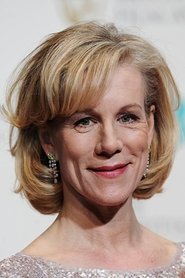 Juliet StevensonCissie Colpitts (Daughter)
 Joely RichardsonCissie Colpitts (Granddaughter)
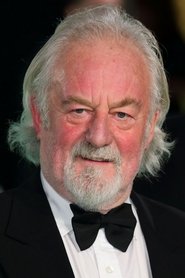 Bernard HillHenry Madgett
- Jason EdwardsSmut
 Bryan PringleJake
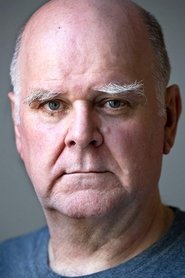 Trevor CooperHardy
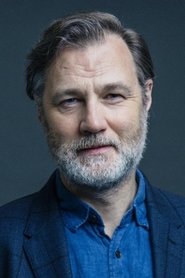 David MorrisseyBellamy
 John RoganGregory
- Paul MooneyTeigan
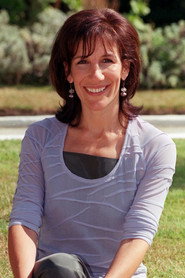 Jane GurnettNancy
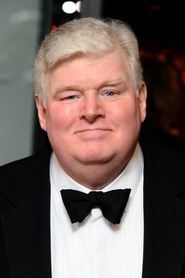 Kenny IrelandJonah Bognor
Directing
- Peter GreenawayDirector
Writing
- Peter GreenawayWriter
Production
- Sharon Howard-FieldCasting
- Peter JaquesLine Producer
- Denis WigmanProducer
- Kees KasanderProducer
- Evelien JansenProduction Manager
Recommended by
Handsome: A Netflix Mystery Movie, A Zed & Two Noughts, An American Pickle