
Film
Titus
- Period drama
- Very dark
Julie Taymor's 1999 *Titus* is a visually intoxicating, almost operatic adaptation of Shakespeare's bloodiest tragedy. It's maximalist theatre for the screen—stylized violence, bold colour, and ancient-modern hybridity colliding at full tilt. For those who want Shakespeare to feel dangerous, contemporary, and uncompromisingly theatrical rather than safe.
Should you watch it?
Watch it if you love Shakespeare pushed into feverish, blood-soaked spectacle, where the costumes, sets and sheer audacity of the staging matter as much as the verse.
Skip it if you want a tidy, restrained period drama; this is a 162-minute film of relentless brutality and operatic excess that may feel more punishing than rewarding.
What it asks of you: Settle in for a long, heavy sitting with little relief, and be ready to stay with cruelty and grief rather than being given room to breathe between the big set pieces.
Not sure? Find tonight's pick in a minute.
If you liked this
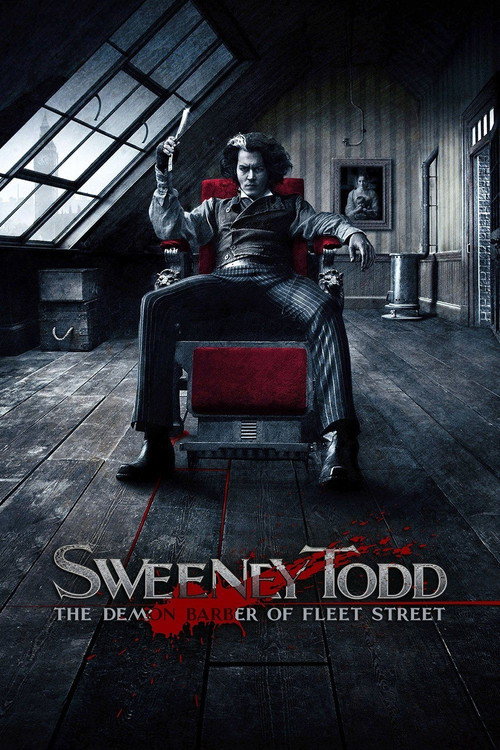
Sweeney Todd: The Demon Barber of Fleet Street2007
Tim Burton's equally baroque take on revenge and mutilation, with comparable visual invention and a composer (Stephen Sondheim) matching Shakespeare's compression of horror and melody into formal perfection.
But If you want restraint or subtlety, this will feel like being shouted at for two hours. The stylization never stops.
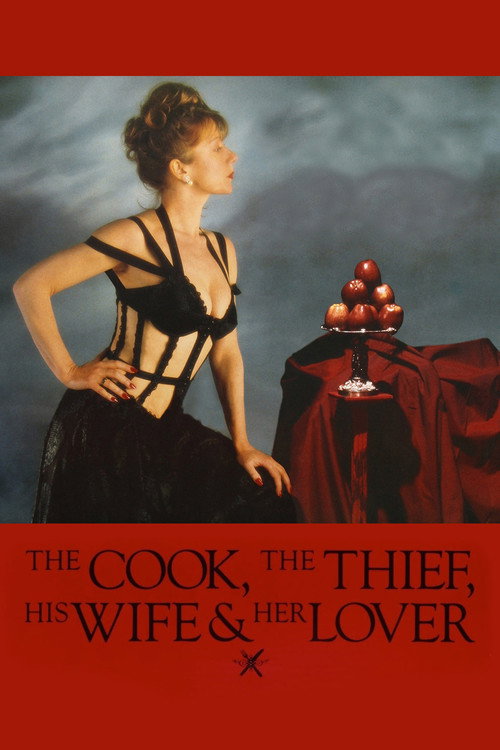
The Cook, the Thief, His Wife & Her Lover1989
Peter Greenaway orchestrates violence, sexuality, and colour with the same deliberate artificiality and formal beauty. Both films weaponize production design against your comfort.
But This is deliberately obscene and perverse. It's not interested in your approval, only in its own logic.
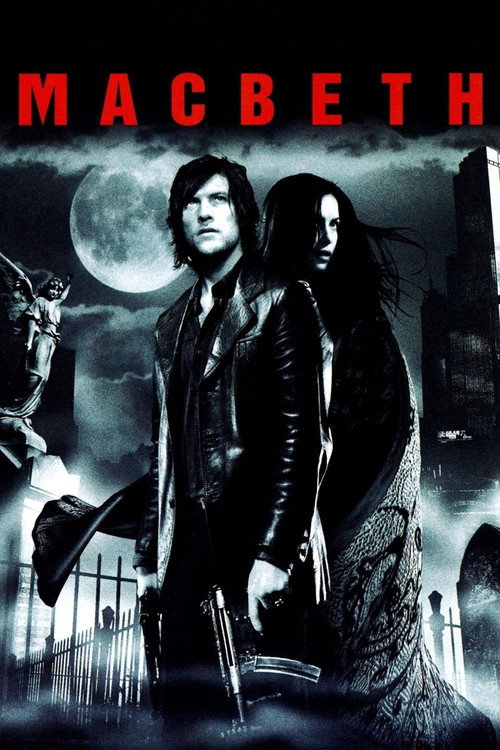
Macbeth2006
Geoffrey Wright's Australian noir version proves that radical formal reinvention of Shakespeare works when you commit fully. Contemporary setting, same ruthlessness about blood and consequence.
But It's grittier and bleaker than *Titus*—less theatrical, more exhaustingly violent. Some find it joyless.
Not sure tonight? Get a pick in a minute, starting from Titus
The wildcard
Something you would not have found on your own.
Martyrs2008
Both are formally inventive meditations on cycles of violence that refuse to offer moral comfort or narrative resolution.
Pascal Laugier's French extreme horror film mirrors *Titus*'s structural arc—escalating brutality as theological inquiry, with no escape and no redemption offered. Both treat suffering as a formal problem, not a plot point.
But This is one of the most deliberately punishing films ever made. It's designed to wound. Not cathartic, not triumphant—genuinely bleak.

More like this (7)
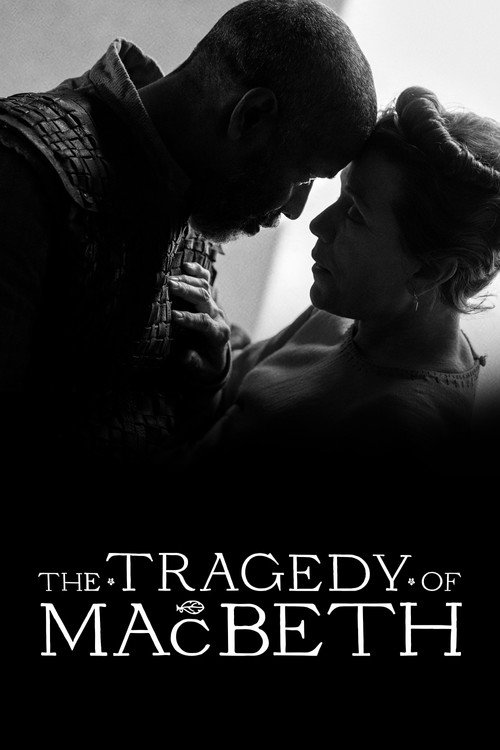
The Tragedy of Macbeth2021
Joel Coen's black-and-white, stage-bound film shows another way to make Shakespeare physically strange. Formal precision, witchcraft as real threat, every frame deliberate.
But Its monochromatic austerity will feel cold if you want colour and spectacle. Very slow, very controlled.
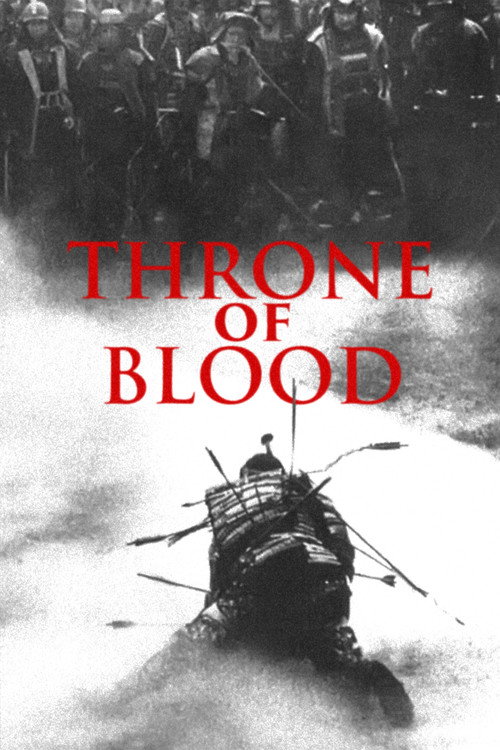
Throne of Blood1957
Kurosawa's *Macbeth* in feudal Japan proves that Shakespeare's tragedy structure transcends language and culture. Visually stunning, mythically potent, utterly committed to its reinvention.
But It's in Japanese with subtitles, and the pacing is meditative rather than propulsive. Some find it remote.
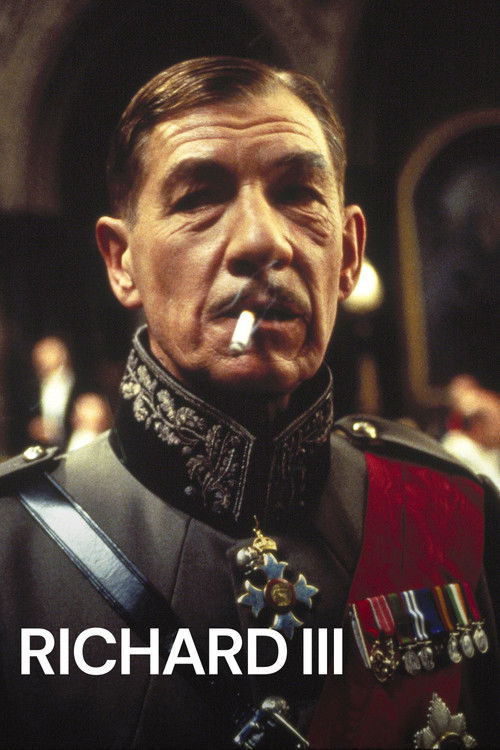
Richard III1995
Richard Loncraine's fascist-Britain *Richard* has similar energy to *Titus*—anachronistic, theatrical, Ian McKellen making malevolence magnetic. Political horror rendered as spectacle.
But It's more fun than genuinely unsettling, and sometimes that fun feels like it's dodging the play's darker implications.
The Lion King1994
David Michôd's muddy, brutal *Henry V* prioritizes visceral medieval warfare and court dysfunction over noble speeches. Shakespeare as dynastic horror rather than poetry.
But Timothée Chalamet's Henry is a cipher, and the film grinds rather than soars. It's intentionally unglamorous, which some find punishing.
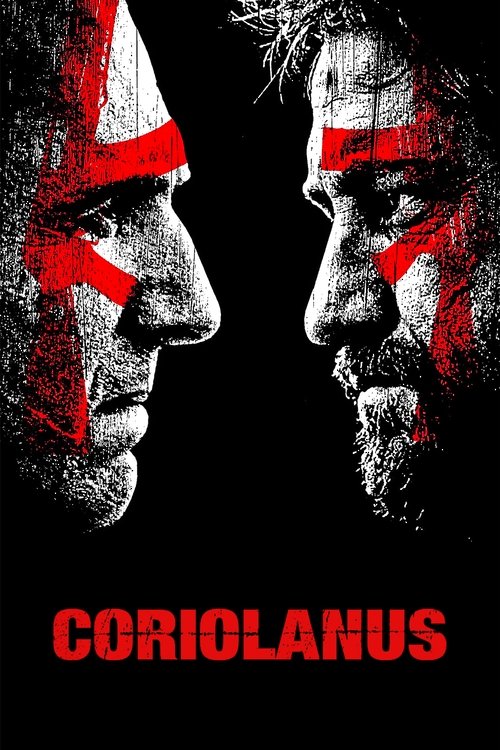
Coriolanus2011
Ralph Fiennes directs and stars in a militaristic, almost fascistic reading of Shakespeare in a contemporary warzone. Political violence rendered as personal tragedy, without sentimentality.
But It's deliberately bleak and political rather than entertaining. The nihilism never softens.
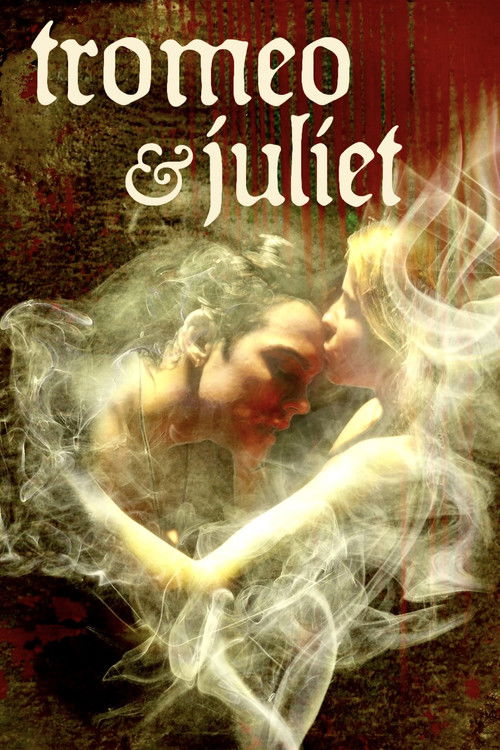
Tromeo & Juliet1996
Troma's anarchic, transgressive *Romeo and Juliet* shares *Titus*'s instinct to weaponize Shakespeare's text against expectations. Shocking, funny, utterly committed to its own excess.
But It's deliberately cheap, gross, and stupid. If you want artistry, this is the wrong turn. High tolerance for trash essential.
Come and See1985
Both refuse to aestheticize suffering into manageable tragedy; both insist that witnessing violence changes the witness permanently.
Elem Klimov's Soviet WWII film about a boy conscripted into horror achieves what *Titus* only gestures at—the complete psychological annihilation of watching violence as historical reality. Incomparably devastating and formally inventive.
But This is not entertainment. It's a document of atrocity that never looks away. Many people cannot finish it, and that's the point.

People
Cast
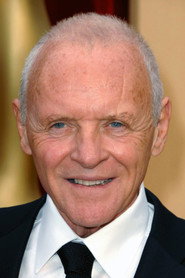 Anthony HopkinsTitus Andronicus
 Jessica LangeTamora
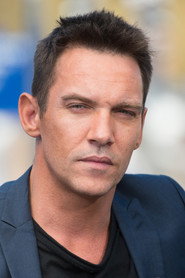 Jonathan Rhys MeyersChiron
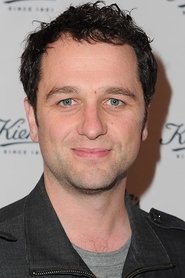 Matthew RhysDemetrius
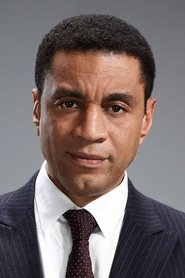 Harry LennixAaron
 Angus MacfadyenLucius
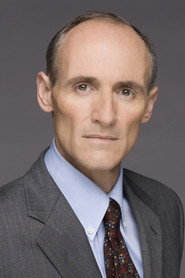 Colm FeoreMarcus Andronicus
 Alan CummingSaturninus
 Laura FraserLavinia
 Raz DeganAlarbus
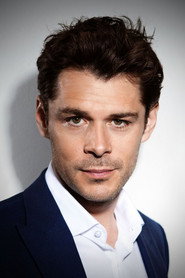 Kenny DoughtyQuintus
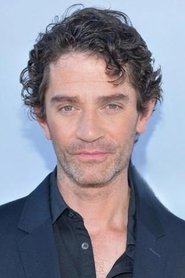 James FrainBassianus
Directing
- Julie TaymorDirector
Writing
- Julie TaymorScreenplay
- William ShakespeareTheatre Play
Production
- Steve BannonCo-Executive Producer
- Paul G. AllenExecutive Producer
- Conchita AiroldiProducer
- Jody PattonProducer
- Julie TaymorProducer
Recommended by
The Cook, the Thief, His Wife & Her Lover, King Lear, Hamlet, Borgia