
Film
Tromeo & Juliet
Lloyd Kaufman's 1996 punk-rock recasting of Romeo and Juliet as a Manhattan underground odyssey. Unapologetically trashy, sexually explicit, gleefully anarchic—it treats Shakespeare as a template for maximum chaos rather than sacred text. For viewers who want their classics defaced, their sensibilities challenged, and their cinema as far from respectable as possible.
If you liked this
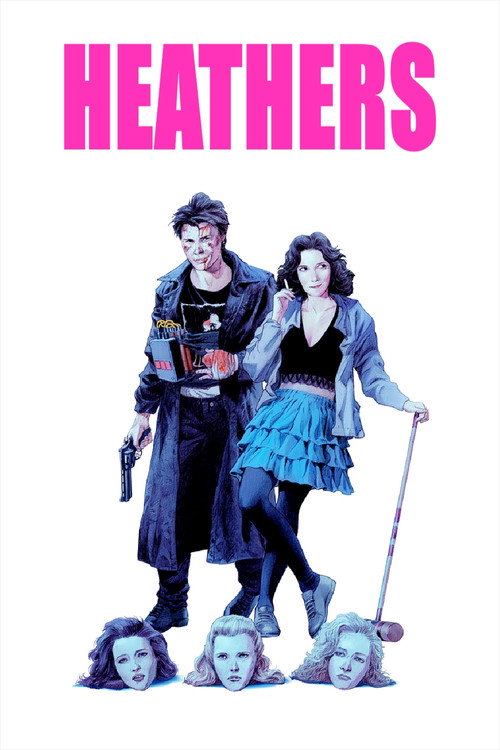
Heathers1989
Dark teen comedy that similarly uses a beloved source (high school culture) as a launch pad for savage satire. Sharp, quotable, and genuinely twisted in ways that feel earned rather than gratuitous.
But The 80s production design has aged in specific ways, and the satire can feel laboured if you're not in the mood for that particular frequency of snark.
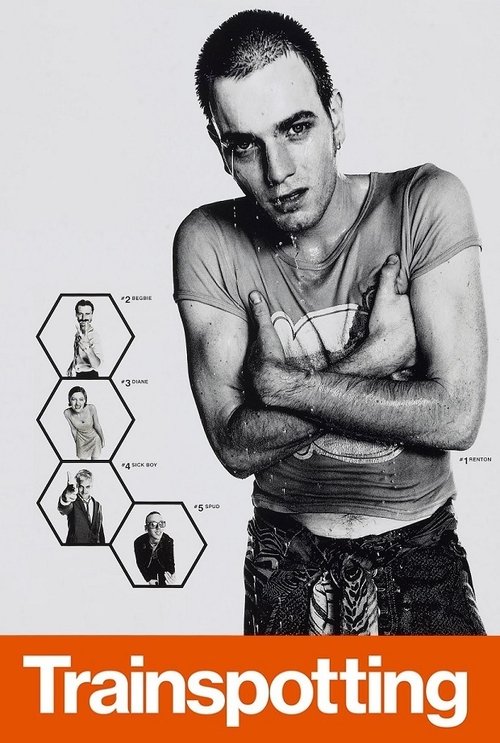
Trainspotting1996
Released the same year and equally committed to revelling in transgression without apology. Fast, stylish, anarchic, and uninterested in whether you're comfortable—it's cinema as a middle finger.
But The subject matter (heroin addiction) is infinitely darker and sadder than Tromeo's carnival of trash. The tonal registers don't match, and that matters.
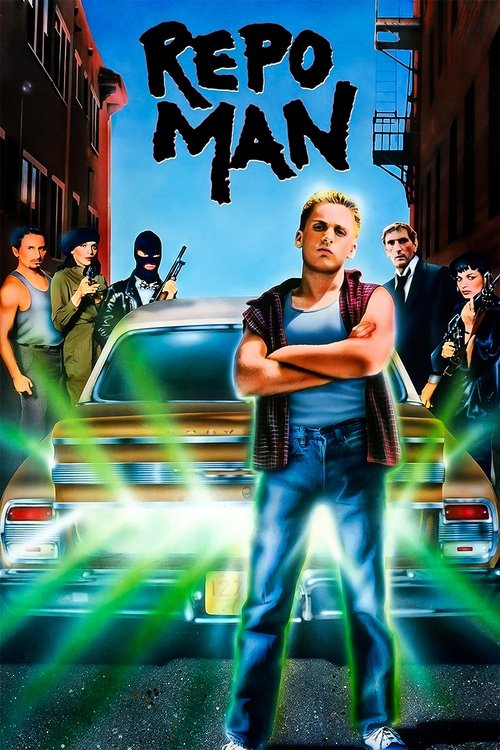
Repo Man1984
Alex Cox's punk-cinema classic where form and content fuse completely. Absurdist, acidic, formally inventive, and treats American culture like a diseased organism worth mocking.
But It's genuinely weird in structural ways that make it harder to follow than Tromeo. The alienation is real and uncut, not played for laughs.
Not sure tonight? Get a pick in a minute, starting from Tromeo & Juliet
The wildcard
Something you would not have found on your own.
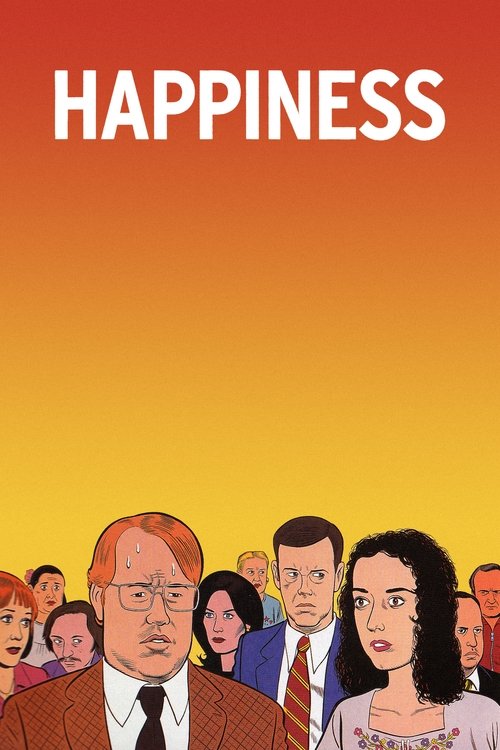
Happiness1998
Both view American culture and sexuality with contempt, but Solondz weaponizes that contempt toward genuine pathos while Kaufman aims for laughter. Same target, opposite weapons.
Todd Solondz's suburban nightmare plays the same game as Tromeo—demolishing American myths and middle-class propriety through transgression—but achieves devastating emotional weight rather than camp release. Same anarchic impulse, radically different register.
But It's genuinely depressing in ways Tromeo never attempts. The obscenity here is earned through character and consequence, not spectacle, and it cuts deeper than shock value ever could.
More like this (8)
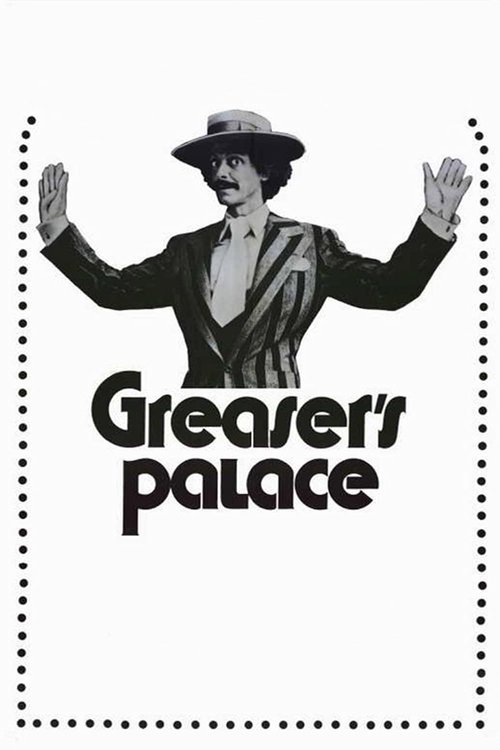
Greaser's Palace1972
Robert Downey Sr.'s unhinged biblical satire is the spiritual ancestor to everything Kaufman does—irreverent, sexually explicit, formally chaotic, and absolutely unapologetic about desecrating the sacred.
But It's even more visually garbled and structurally resistant than Tromeo. You may genuinely struggle to follow what's happening onscreen.
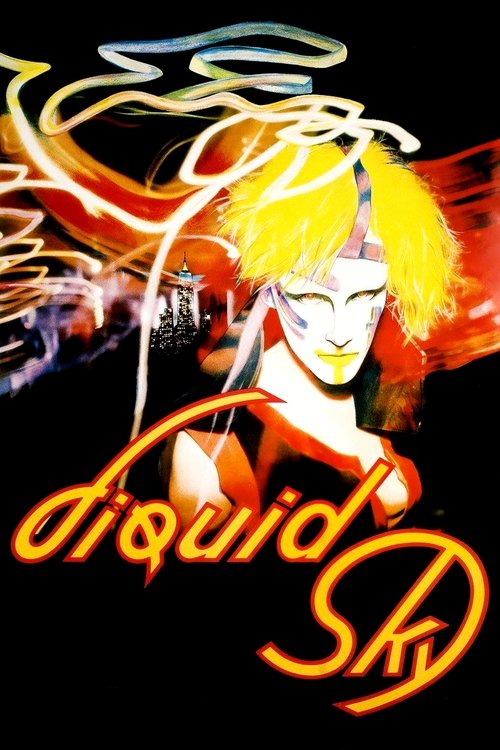
Liquid Sky1982
Soviet sci-fi about aliens attracted to the pleasure chemicals released during sex—deadpan, campy, visually strange, and completely indifferent to mainstream taste. Underground cinema as genuine artifact.
But The pacing is glacial, the sound design is deliberately alienating, and the narrative rewards patience you might not have. It's not fun in the way Tromeo is fun.
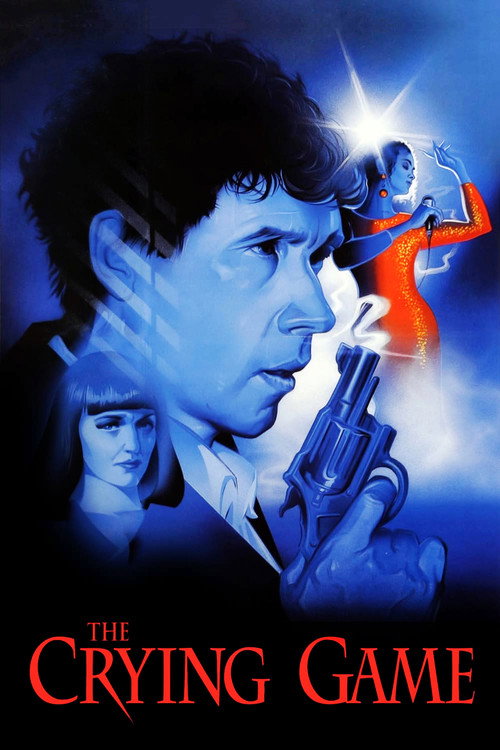
The Crying Game1992
Neil Jordan's gender-bending political thriller shares Tromeo's interest in upending expectations about bodies and desire, but channels it through genuine suspense and moral complexity rather than shock value.
But It's a conventional thriller at heart, so if you're seeking maximum chaos and formal experimentation, this will feel restrained and almost tasteful.
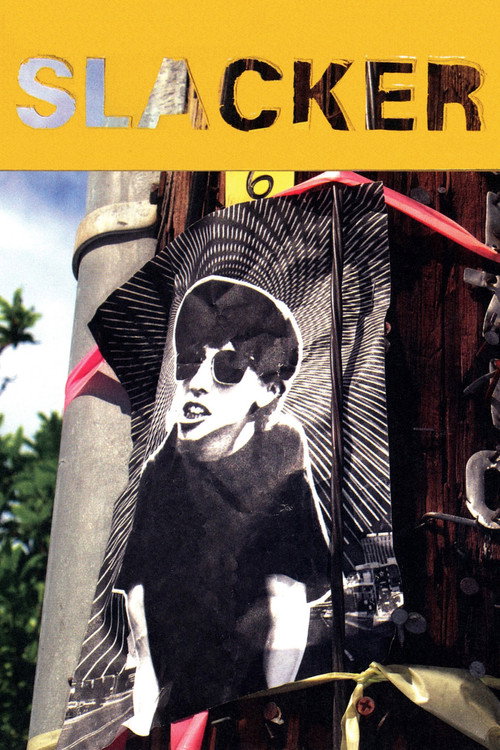
Slacker1990
Richard Linklater's Austin romp captures the same spirit of underground youthful anarchism and contempt for the mainstream, but through apathy rather than aggression. Loose, funny, genuinely weird.
But There's almost no plot and minimal dramatic stakes. If you want narrative momentum, this evaporates within ten minutes.
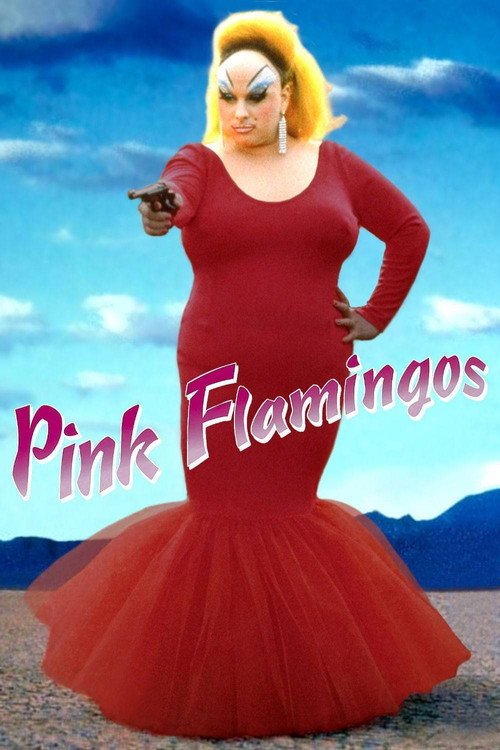
Pink Flamingos1972
John Waters's masterpiece of trash cinema—transgressive, obscene, formally ambitious, and genuinely hilarious. The template for everything Kaufman learned about using extreme content as formal language.
But It's genuinely disgusting in ways designed to alienate rather than entertain. The queasy-ness isn't background texture; it's the entire point, and it lands harder than anything in Tromeo.
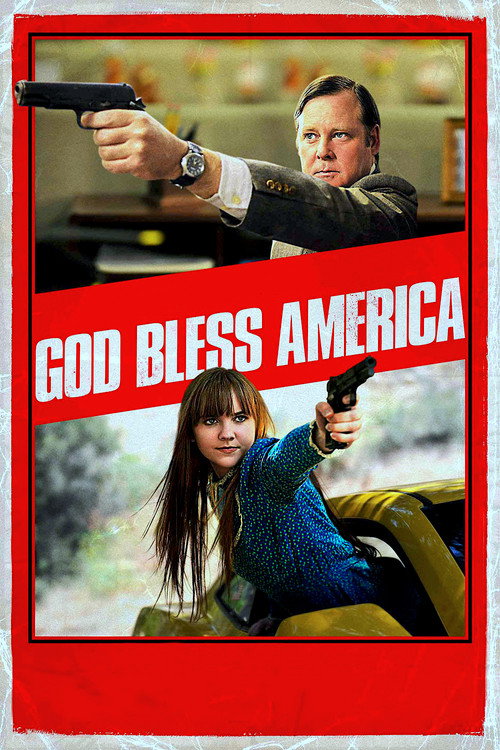
God Bless America2012
Bobcat Goldthwait's rage-fuelled riff on American cultural decay shares Tromeo's contempt for mainstream entertainment, though here the violence becomes genuinely uncomfortable rather than cartoonish.
But The satire turns angry in ways that feel less playful than Tromeo. The film demands agreement with its misanthropic worldview, which can feel exhausting or reactionary.
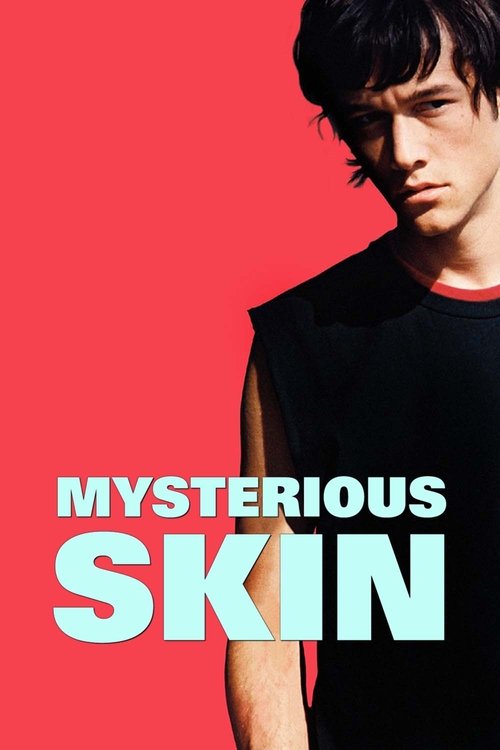
Mysterious Skin2005
Both deploy formal chaos, extreme imagery, and sexual content as grammar rather than decoration. Tromeo says 'look what you can do with cinema'; Araki says 'look what cinema can make you feel.'
Gregg Araki's formally innovative account of trauma and desire uses similar visual language and sexual explicitness to Tromeo, but as a vehicle for real tenderness and grief. The camera style is deliberately fractured; the emotional stakes are enormous.
But It's a film about child sexual abuse and its aftermath. The transgression is not performed for kicks; it documents genuine devastation. You will not leave it energized.
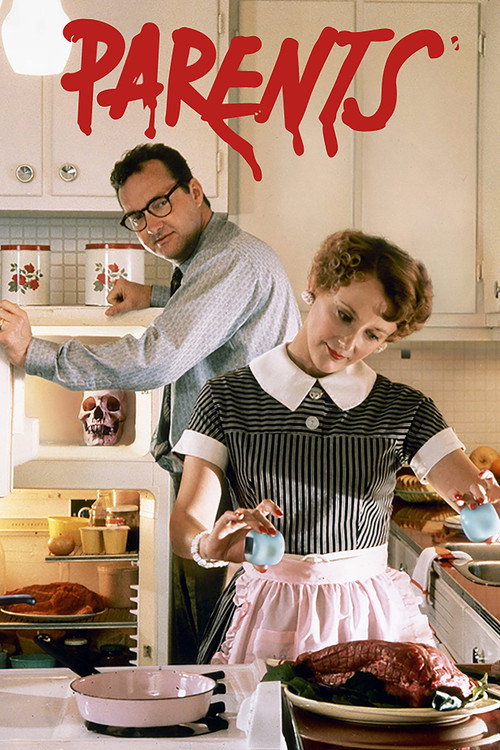
Parents1989
Both use genre (horror for Parents, comedy for Tromeo) to critique the American nuclear family and sexual hypocrisy, but from opposite emotional polarities—one creates dread, the other creates glee.
Jonathan Demme's cannibalistic horror-comedy about suburban conformity is formally daring and visually ornate in ways few mainstream films dare. Same critique of American family lies and repression, but built through unease rather than trash.
But It's genuinely creepy and withholding. The horror elements are taken seriously, and the film refuses to break tension for easy catharsis. More Twilight Zone than punk rock.
People
Cast
 Jane JensenJuliet Capulet
 Will KeenanTromeo Que
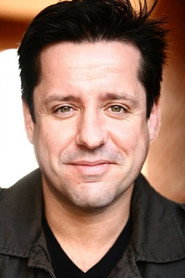 Valentine MieleMurray Martini
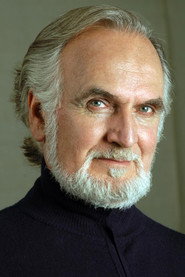 William BeckwithCappy Capulet
- Steve GibbonsLondon Arbuckle
 Sean GunnSammy Capulet
 Debbie RochonNess
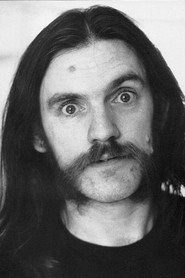 Lemmy KilmisterNarrator
 Stephen BlackehartBenny Que
- Flip BrownFather Lawrence
- Earl McKoyMonty Que
- Gene TerinoniDetective Ernie Scalus
Directing
- James GunnAssistant Director
- Lloyd KaufmanDirector
- Robert BauerFirst Assistant Director
- Lisa MolinaroScript Supervisor
- Liz IpSecond Assistant Director
- Anne PrattSecond Second Assistant Director
- Dan WilkinsonSecond Second Assistant Director
- Jon NissenbaumSecond Second Assistant Director
Writing
- James GunnScreenplay
- Lloyd KaufmanScreenplay
- William ShakespeareTheatre Play
Production
- Andrew WeinerAssociate Producer
- Andrew WeinerCasting
- Lauren YatesCasting Associate
- Jonathan FosterCo-Producer
- Robert HersovCo-Producer
- James GunnExecutive In Charge Of Production
- Daniel LaikindExecutive Producer
- Grant QuashaExecutive Producer
- Robert SchillerExecutive Producer
- Harrison FreedExtras Casting
- Franny BaldwinLine Producer
- Michelle RoaLocation Manager
- Lloyd KaufmanProducer
- Michael HerzProducer
- Franny BaldwinUnit Production Manager