
Film
The Crooked Way
A film noir about a war veteran returned to Los Angeles with amnesia, unsure whether he's the man he's become or the criminal he was. It's a tight, paranoid 90 minutes—black-and-white post-war unease, with the streets and the past both closing in. For anyone drawn to noir's moral fog and identity crises.
If you liked this
The Killers1946
A man wakes up knowing he's going to die—killed by mysterious assailants—and spends his last days trying to understand why. Taut, brilliant, and built on the same engine: a man trapped by his own past.
But At 103 minutes it's a touch longer, and the narrative circles can feel deliberately obscure rather than gripping on first watch.

In a Lonely Place1950
Humphrey Bogart as a volatile Hollywood screenwriter wrongly suspected of murder, watching suspicion corrode everything around him. Claustrophobic, psychologically sharp, the same paranoid question: who are you really?
But It's bleak in ways that don't resolve tidily. The ending divides people—some find it honest, others punishing.

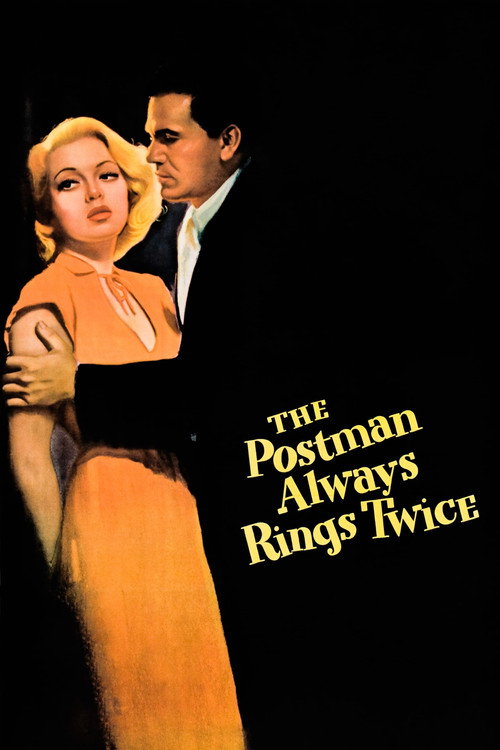
The Postman Always Rings Twice1946
A drifter returns to a small town and gets tangled in murder and passion. Lana Turner smoulders, the setup crackles, and like The Crooked Way it asks whether a man can escape his own nature.
But It's more of a straight noir-thriller than a mystery. If you want psychological depth over plot momentum, you'll feel it's surface.
Not sure tonight? Get a pick in a minute, starting from The Crooked Way
The wildcard
Something you would not have found on your own.
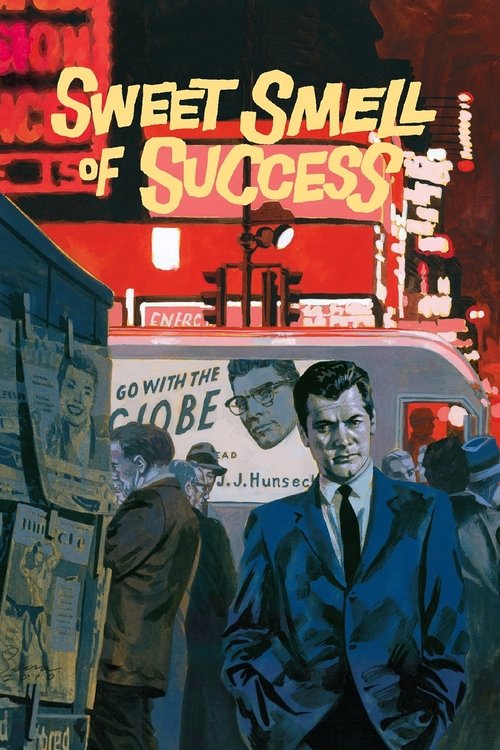
Sweet Smell of Success1957
Both films present identity as unstable and corrupted by the past. Sweet Smell goes further—it asks whether a man can ever be anything but his worst self.
The most vicious, quotable noir ever made. Every frame drips with corruption and self-loathing. A man's past—his cruelty, his compromises—is weaponized against him. Same moral trap, same suffocating city.
But It's denser and more dialogue-heavy than 1949 noir. The cynicism is relentless and the pacing is deliberately slow-burn.
More like this (8)
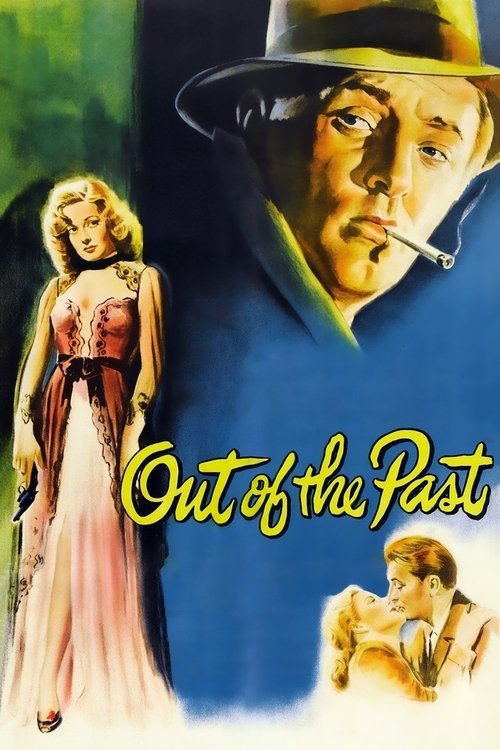
Out of the Past1947
Robert Mitchum as a man dragged back into crime by his past. The cinematography is gorgeous, the femme fatale is lethal, and the fatalism hits different. Essential noir, perfect and dark.
But It's a bit more leisurely than The Crooked Way—longer scenes, more mood than urgency. Some find it slow.
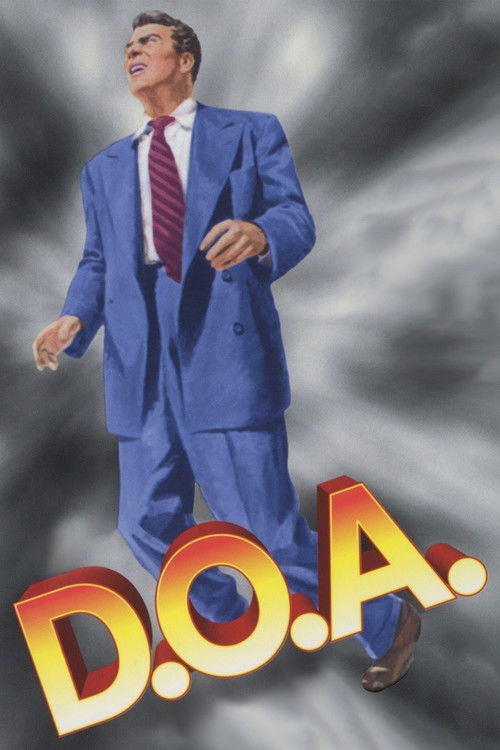
D.O.A.1949
A man is poisoned and has only days to find out who did it before he dies. High-concept premise executed with real style and momentum. Shares that paranoid race against time and identity.
But The premise is stronger than the payoff. It all unravels a bit toward the end, and some plot threads feel arbitrary.
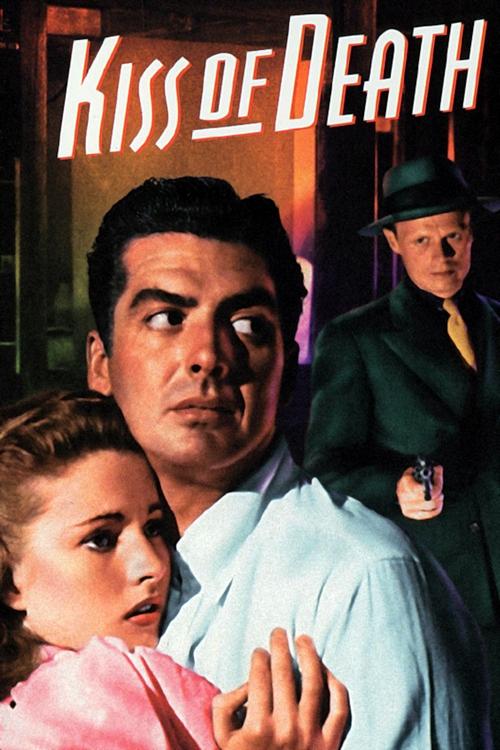
Kiss of Death1947
A career criminal tries to go straight after prison, but the underworld won't let him. Visceral, raw, with a supporting performance so unnervingly good it steals the film. Shares the suffocating pull of the past.
But The tonal shifts are strange—it lurches between documentary realism and melodrama. Not everyone finds that tonal mix convincing.
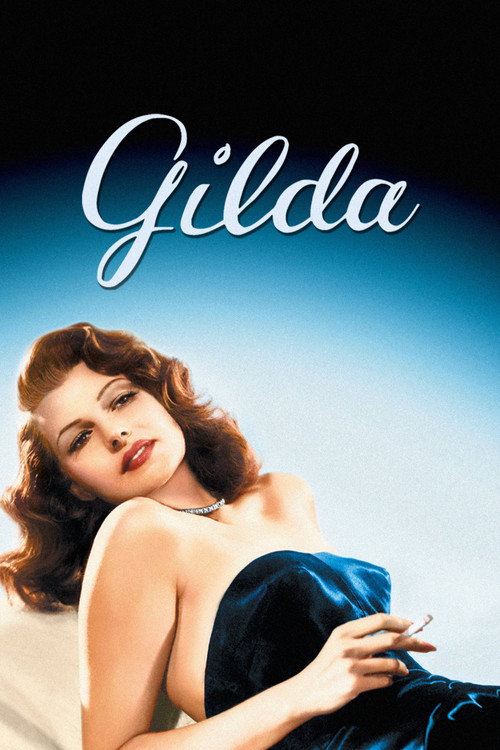
Gilda1946
A man returns from the war to find his past entangled with a woman he can't resist. Rita Hayworth is magnificent, the atmosphere is thick with resentment and desire. Noir through a different lens, but equally corrosive.
But It's more a film about sexual obsession than about crime or plot. If you want thriller mechanics, the actual story is thin.
The Asphalt Jungle1950
A tightly plotted heist noir about a criminal operation coming apart. No amnesia, no identity crisis—just a clear-eyed look at how crimes fall apart and people betray each other. Pure noir craft.
But It's more procedural than psychological. The Crooked Way's internal torment is replaced by external mechanics.

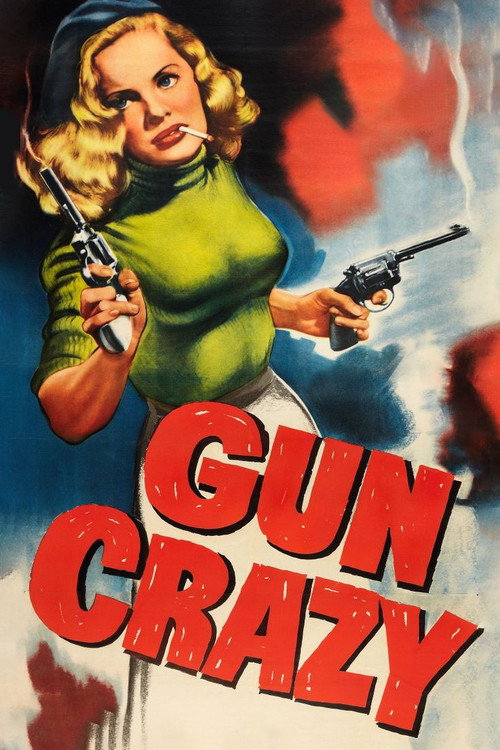
Gun Crazy1950
A man and woman spiral into crime together, love and violence inseparable. Shot with real energy, it influenced everything that came after. A different take on how the past and present collide.
But It's more romantic tragedy than mystery. The gun-obsessed couple angle might feel like a secondary concern if you want noir paranoia.
The Killing1956
Both films structure themselves around a man trying to understand or escape his own nature. The Killing makes form do the work—the fragmented timeline mirrors the protagonist's fractured identity.
Kubrick's debut about a racetrack heist told through fractured timelines. A man tries to pull off one last score and escape his circumstances. Restless, inventive, morally claustrophobic.
But The narrative structure is challenging—deliberately disorienting. You have to pay close attention or you'll lose track of who's who and when things happen.

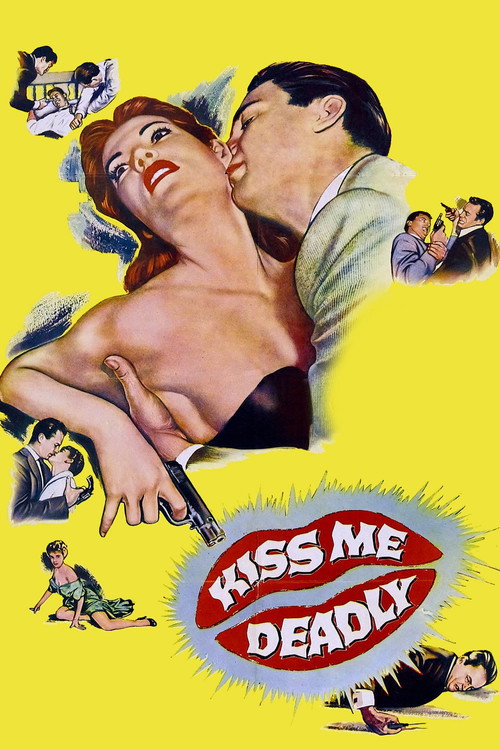
Kiss Me Deadly1955
Both pivot on a man's inability to trust his own judgment about who he is. Kiss Me Deadly extends this into Cold War paranoia—the past doesn't just trap you, it might destroy everything.
Aldrich's apocalyptic take on Chandler, with Mike Hammer as a thug stumbling into nuclear-age paranoia. Brutal, weird, the city is more sinister than any person in it. Noir past its expiration date, and better for it.
But It's violent in ways that can feel casually misogynistic. The tone swings from hard-boiled tough to surreal dread. It's not trying to be likeable.
People
Cast
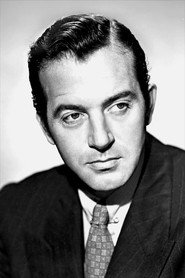 John PayneEddie Rice / Eddie Riccardi
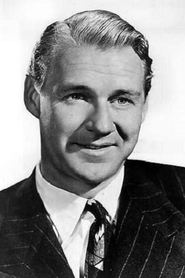 Sonny TuftsVince Alexander
 Ellen DrewNina Martin
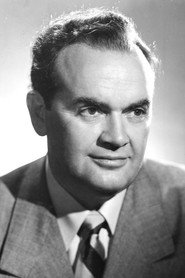 Rhys WilliamsLieutenant Joe Williams
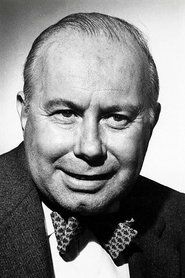 Percy HeltonPetey
 John DoucetteSgt. Barrett
 Charles EvansCaptain Anderson (as Charlie Evans)
 Greta GranstedtHazel Downs
 Raymond LargayArthur Stacey, M.D.
- Harry BronsonDanny
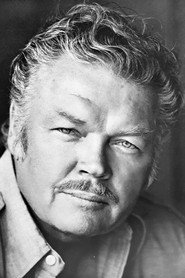 Hal BaylorCoke (as Hal Fieberling)
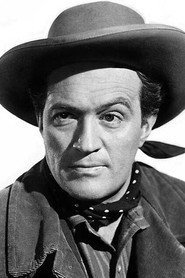 Don HaggertyHood