
Film
The Moonshine War
A 1970 crime-comedy about a federal agent scheming to steal his army buddy's hidden whiskey fortune before Prohibition ends. It's a period romp with McGoohan and Widmark sparring over moonshine, bourbon-soaked plotting, and the kind of opportunistic chaos that emerges when Prohibition's days are numbered. For anyone who loves caper films with a historical twist and actors who commit fully to absurdity.
Should you watch it?
Watch it if you enjoy a sly, dusty caper where greed and grudges wobble in the Kentucky heat, and you like comic crime stories played straight-faced by actors who know exactly how seriously to take themselves.
Skip it if you need brisk plotting or constant laughs, since this 1970 Depression-era caper ambles, and its humor is dry enough that some viewers will find it slow going.
What it asks of you: About a hundred minutes of unhurried scenes, with a leisurely rhythm, a light touch on the mood and a willingness to let the jokes arrive quietly rather than all at once.
Not sure? Find tonight's pick in a minute.
If you liked this
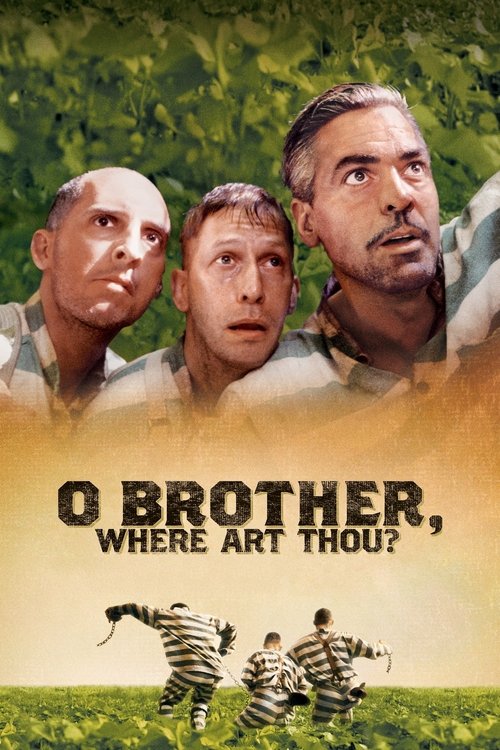
O Brother, Where Art Thou?2000
Coen Brothers Prohibition-era adventure with the same lovable-criminal energy, period texture, and willingness to let comedy and crime sit comfortably together. Sweeping, inventive, and endlessly rewatchable.
But If you want a tighter plot, the wandering structure and folk-song framing can feel self-indulgent. Some find the Coen's affectation wearing.
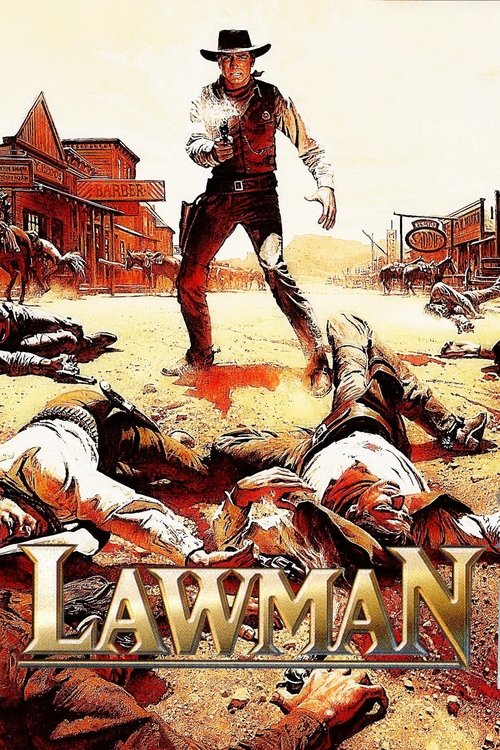
Lawman1971
Another crime-Western with McGoohan and Widmark in their element—tough, morally compromised men in conflict. Raw 70s filmmaking with real weight behind the gunplay and double-dealing.
But It's considerably darker than *Moonshine War*, with less humor and more blood. The pacing can drag if you're not invested in the slow accumulation of grievance.
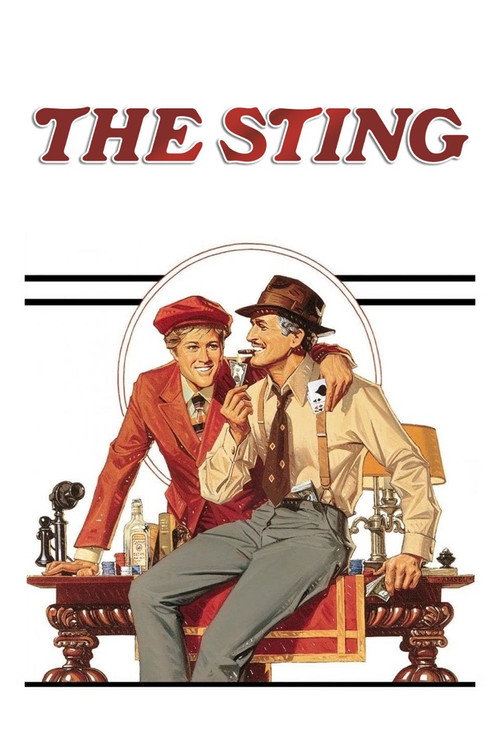
The Sting1973
The gold standard for period capers: two men plotting an elaborate con with charm, style, and real stakes. It's funny without being silly, and the period detail is immaculate. Hugely satisfying.
But Everybody knows it, and repeated viewing can make the mechanics feel more clever than surprising. Some find it overrated in retrospect.
Not sure tonight? Get a pick in a minute, starting from The Moonshine War
The wildcard
Something you would not have found on your own.
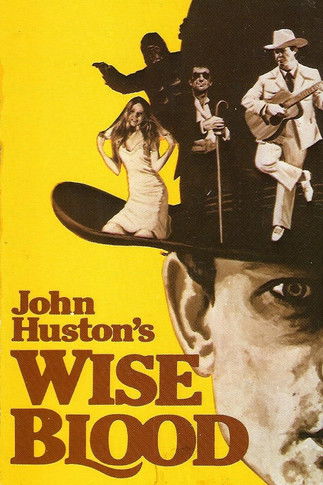
Wise Blood1979
Both are 1970s American films about scheming men trying to profit from systems they despise, narrated by moral rot dressed up as opportunism. Both treat their criminals with unexpected tenderness.
John Huston directing Flannery O'Connor's violent, hallucinatory novel about a con-man preacher in the American South. It's grotesque and funny and absolutely singular—a spiritual cousin to *Moonshine War*'s hustlers and hustle, but transcendent.
But It's deeply strange and frequently repulsive. The humor is cruel and the worldview is bleak. If you want entertainment, this is a chore; if you want art, it's unforgettable.
More like this (8)
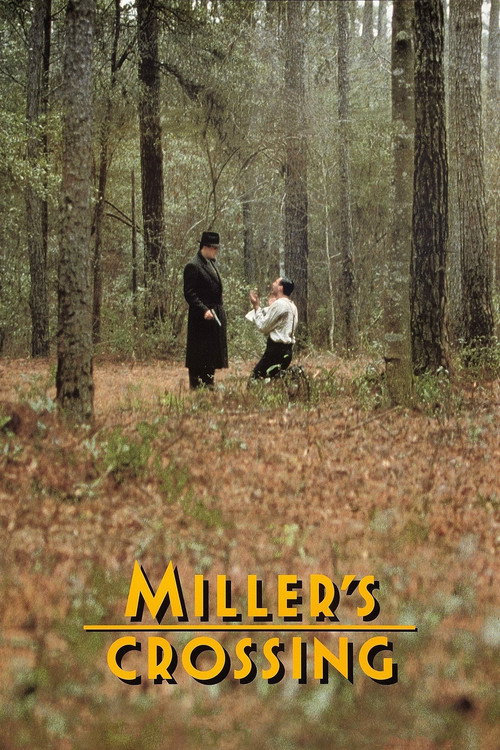
Miller's Crossing1990
A Prohibition-era crime film that treats gangsters as Shakespearean figures—scheming, honorable, ridiculous, deadly. Every scene crackles with dialogue and moral contradiction.
But It's deliberately stylized in a way that can feel mannered. If you want gritty realism, the theatrical artifice will keep you at arm's length.
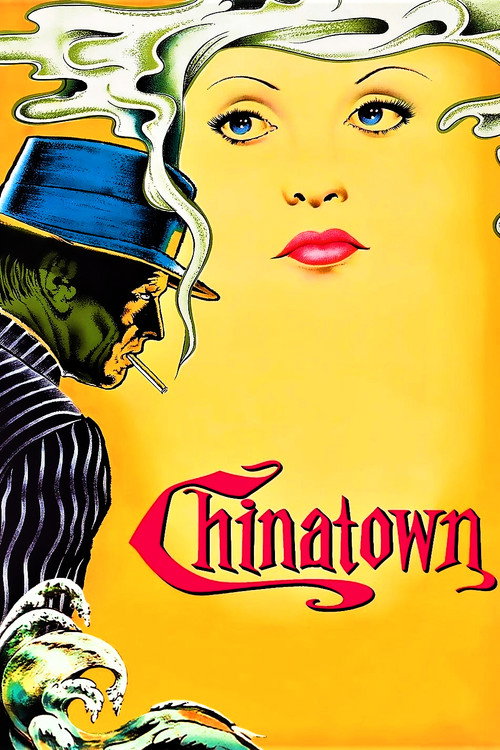
Chinatown1974
Nicholson and Huston in a masterclass of crime, corruption, and a detective being slowly undone by a system rigged against him. Every frame is composed perfection; the script is airtight.
But It's bleak and cynical to the bone, with no redemptive humor or hope. The ending is devastating in a way that can leave you hollowed out rather than entertained.
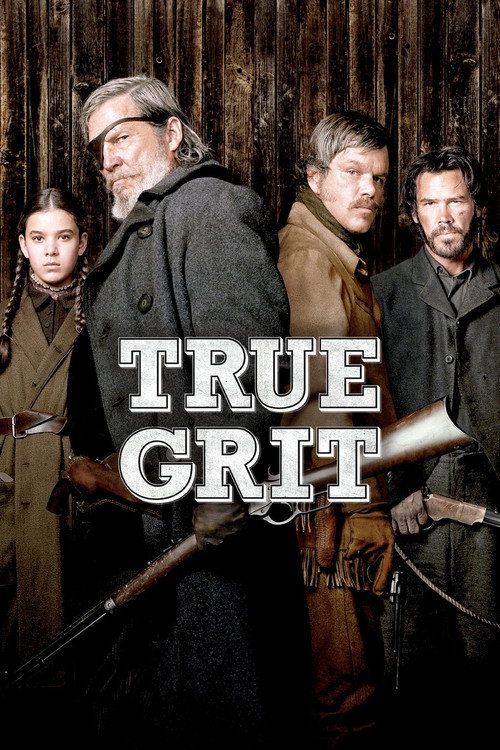
True Grit2010
Coen Brothers Western with Jeff Bridges as a dissolute U.S. Marshal. It's got the same period flavor, moral ambiguity, and the pleasure of watching experienced actors inhabit flawed men.
But It's slow and meditative rather than caper-like. If you want propulsive plotting and quick laughs, this will feel more interested in character study than story.
The Killers1946
Siodmak's noir about two hitmen tracking down why their mark won't run. Burt Lancaster and Ava Gardner crackle with danger. It's the template for every crime caper that followed.
But The black-and-white cinematography and period dialogue can feel dated. The plot, by modern standards, is remarkably straightforward.

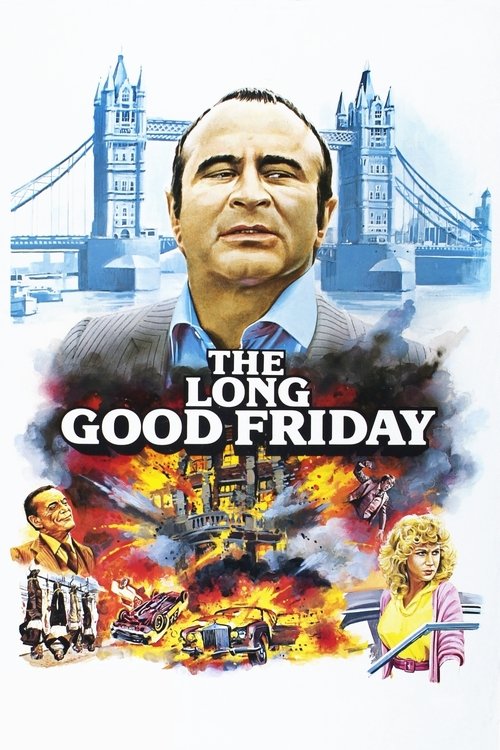
The Long Good Friday1980
Bob Hoskins as a London gangster watching his empire crumble in a single night. Tense, witty, brutal—a masterclass in how quickly chaos erupts when the rules aren't what you thought.
But It's a British crime film with a very different sensibility. If you want American swagger and period color, the setting and tone will feel alien.
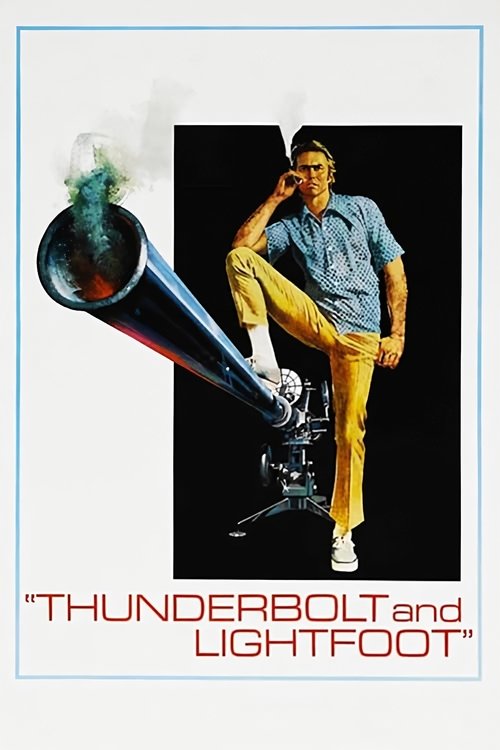
Thunderbolt and Lightfoot1974
Eastwood and Bridges in a quirky, funny crime film about a bank heist crew. It's lighter than most Eastwood, with genuine warmth and unexpected vulnerability between the leads.
But The humor is scattered and uneven. The crime plot takes a backseat to character—if you want a tightly constructed heist film, you'll be disappointed.
The Ballad of Little Jo1993
Both are period films about people gaming systems and identities to survive poverty and exploitation. Both understand that the con is often the only honest thing available in a rigged world.
A woman in 1870s Wyoming disguises herself as a man and builds a life in the frontier wilderness. It's a Western, a con, a love story, and a radical rethinking of survival and identity—quiet, beautifully shot, deeply moving.
But It's not a romp. The pacing is deliberate and introspective, and the ending refuses catharsis. If you want action and clear resolution, you'll find it slow and difficult.

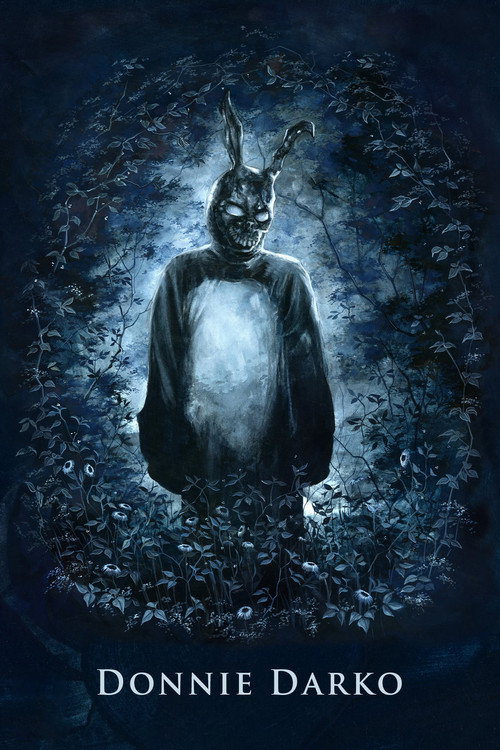
Donnie Darko2001
Both center on morally compromised schemes and cons, but *Donnie Darko* explodes outward into metaphysics—it asks what happens when your con runs up against forces you can't control or predict. Same atmosphere of accelerating chaos, very different scale.
A troubled teenager navigates a paranoid 1980s suburbia haunted by a cosmic countdown. It's criminal in its ambition—genre-hopping, philosophically restless, visually inventive, and genuinely funny without losing its edge.
But It's deliberately elliptical and requires active interpretation. The ending refuses to explain itself. If you want clarity and resolution, you'll find it frustrating and pretentious.
People
Cast
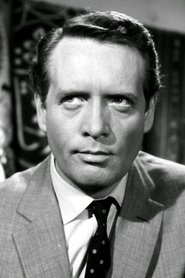 Patrick McGoohanFrank Long
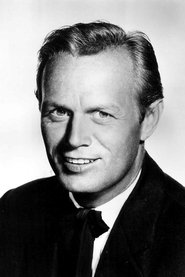 Richard WidmarkDr. Emmett Taulbee
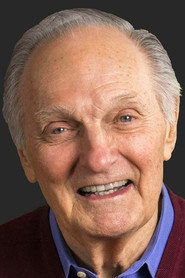 Alan AldaJohn W. (Son) Martin
 Melodie JohnsonLizann Simpson
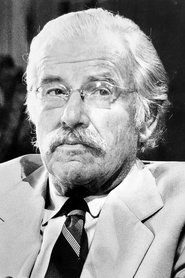 Will GeerMr. Baylor
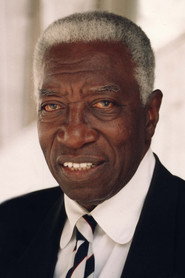 Joe WilliamsAaron
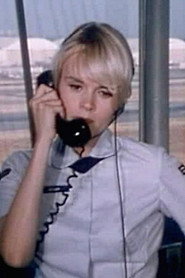 Susanne ZenorMiley Mitchell
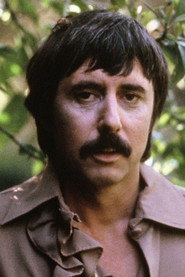 Lee HazlewoodDual Metters
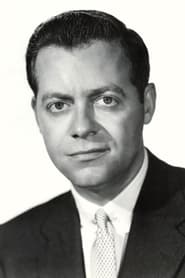 Max ShowalterMr. Worthman
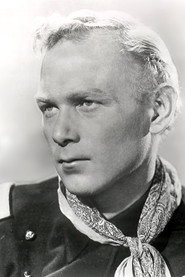 Harry Carey Jr.Arley Stamper
 Tom NolanLowell
- Dick PeabodyBoyd Caswell
Directing
- Richard QuineDirector
Writing
- Elmore LeonardScreenplay
Production
- James C. PrattAssociate Producer
- Leonard BlairAssociate Producer
- Leonard MurphyCasting
- Martin RansohoffProducer