
Film
Raw Deal
Other titles called Raw Deal: the 1986 film.
A taut 1948 noir about a convict sprung from prison by a mobster who expects him dead, then must navigate betrayal, revenge, and the competing loyalties of two women. Raw Deal is lean, cynical, and propelled by genuine moral confusion—nobody here is clean, but some are worse than others. For noir purists and anyone who likes their crime stories ambiguous.
Should you watch it?
Watch it if you love lean, hard-edged noir where a doomed man's stubborn nerve matters more than the plot's twists, and where the shadows, smoke and bruised romance do most of the talking.
Skip it if you want a brisk, polished crime caper with a satisfying mystery to solve; this is a gritty studio programmer, rougher and more theatrical than its reputation suggests, with stiff spots in the acting.
What it asks of you: It runs about eighty minutes and moves quickly, so you need to stay alert through the escape sequences, and it stays dark and heavy for most of its length.
Not sure? Find tonight's pick in a minute.
If you liked this
In a Lonely Place1950
Humphrey Bogart as a volatile screenwriter suspected of murder. Like Raw Deal, it's a noir that doesn't trust easy judgments about guilt and innocence, building dread from character rather than plot.
But The pacing is deliberate and the ending is genuinely bleak. If you want action or comfort, this will feel slow and punishing.

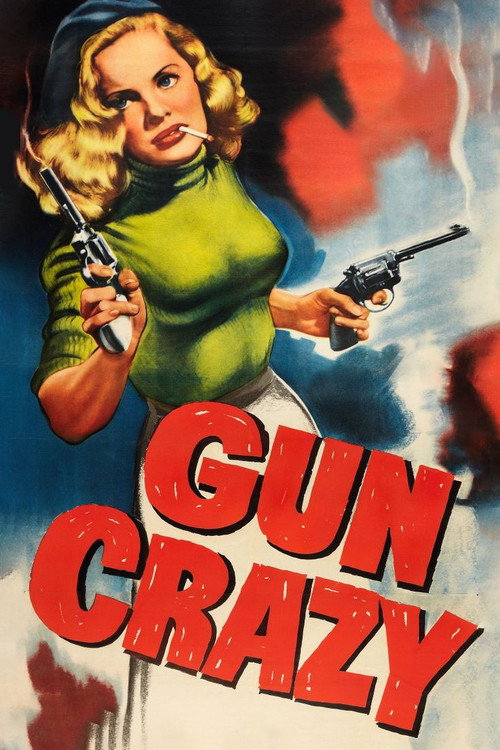
Gun Crazy1950
A lovers-on-the-run crime film with the same restless energy and moral rot that Raw Deal has. Made by the same cinematographer; visually it's a cousin, thematically it's a blood relative.
But The female lead has almost no agency beyond her devotion to the man. The film doesn't seem aware of this, which will bother some viewers.
The Killing1956
Kubrick's heist noir, told out of sequence, about a racetrack robbery where every conspirator is flawed and doomed. The same sense that the plan was never going to work, and that trust is a luxury nobody here can afford.
But The non-linear structure can feel mannered now, and the femme fatale role is thin. It's more interested in being clever than in the characters' actual stakes.

Not sure tonight? Get a pick in a minute, starting from Raw Deal
The wildcard
Something you would not have found on your own.
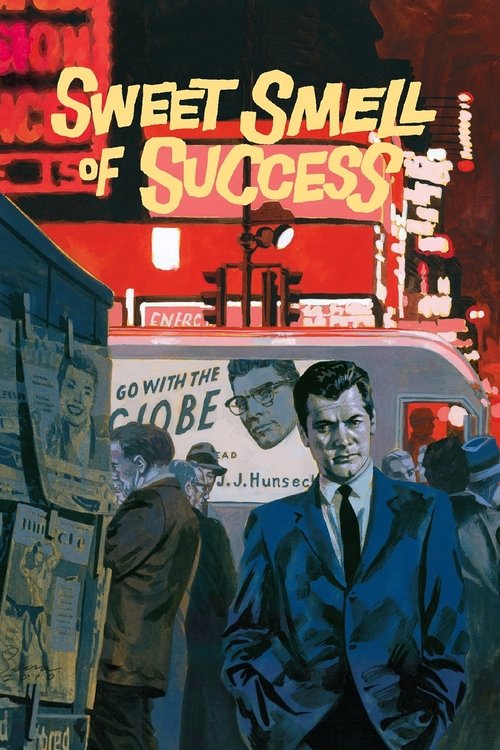
Sweet Smell of Success1957
Both are about men trapped by obligations to worse men, unable to trust anyone close to them. Both understand that the moral center can collapse entirely and still feel right to the person doing the collapsing.
A columnist and a fixer orbit each other in Manhattan's underworld, each thinking they're using the other. The dialogue is Shakespearean and poisoned; every word is a weapon. It's what happens when you give the noir form to someone who actually cares about language.
But The plot is secondary to the atmosphere and the talk. If you want something to happen, this will feel like drowning in words.
More like this (7)
The Asphalt Jungle1950
The template for all heist noirs. A meticulous crime gone wrong, told from inside the gang rather than outside it. Every conspirator has a reason, and every reason destroys them.
But It's foundational, which means you've probably seen its DNA everywhere else. Watching it can feel like watching a Xerox of a Xerox.

The Killers1946
Two hitmen arrive to kill a man, and the film rewinds to ask why. Burt Lancaster and Ava Gardner are hypnotic, and the structure—flashbacks within flashbacks—was radical for its time.
But The plot is baroque and sometimes hard to follow. You need to pay close attention, and it doesn't always reward you for doing so.

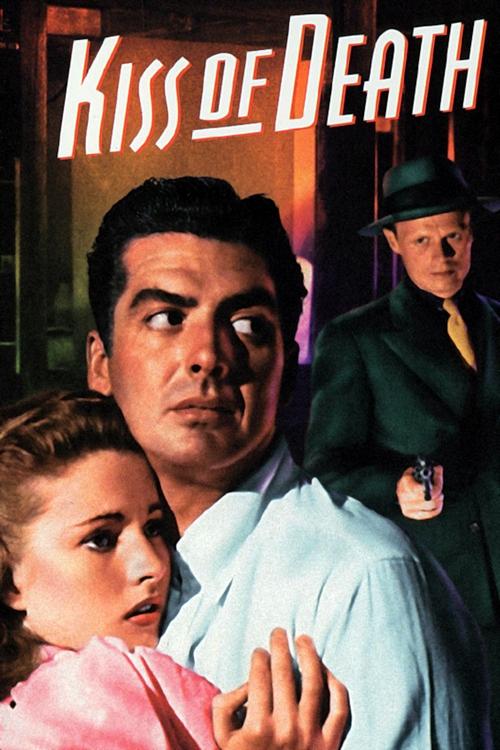
Kiss of Death1947
Richard Widmark's debut as a psychotic killer is genuinely unsettling. The film noir about a squealer caught between the mob and the law has teeth and doesn't look away from ugliness.
But Widmark's performance can overshadow everything else. Once he leaves the screen, the film sags a little.
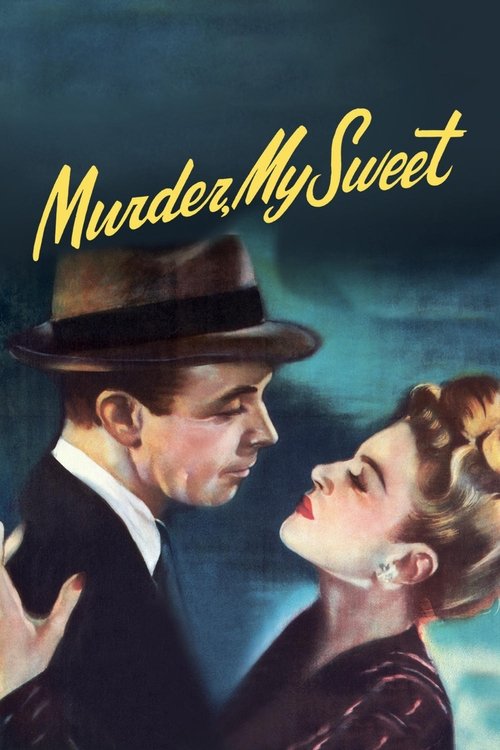
Murder, My Sweet1944
Dick Powell—yes, that Dick Powell—in a complex noir about a private detective drowning in femme fatales and double-crosses. It's baroque and paranoid and exactly what noir should feel like.
But It's 95 minutes of plot twists, some of which don't quite land. By the end you might not care what happened, only that it's over.
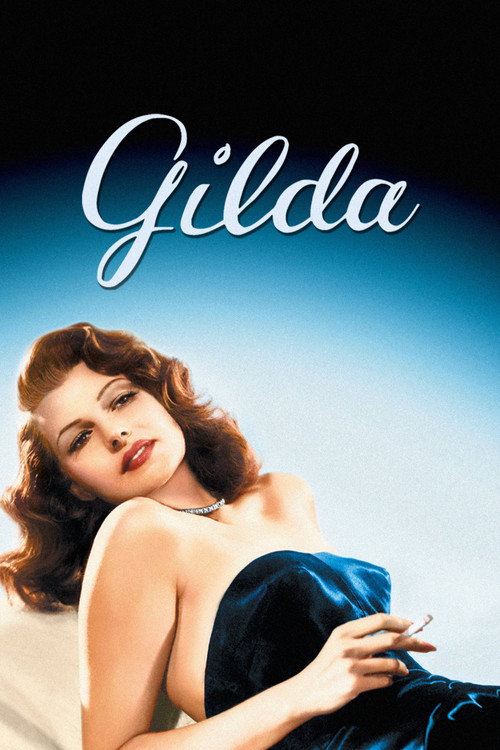
Gilda1946
Rita Hayworth in the role that defined the femme fatale. The love triangle between two men and one woman has the same bitter, claustrophobic energy as Raw Deal.
But Hayworth's character exists to be desired and betrayed, not to be understood. The film is aware of this, but that doesn't make it less uncomfortable to watch.
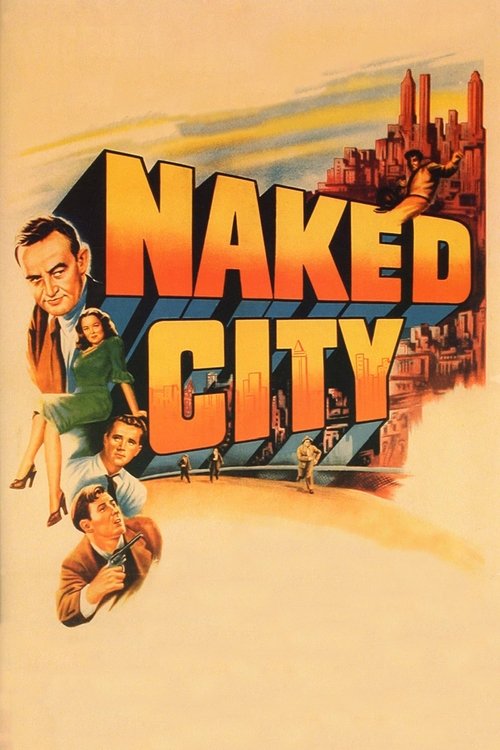
The Naked City1948
Both use noir form to document a moment—the immediate postwar city, the way crime moves through it, the way good people and bad people look exactly the same under neon and daylight.
A semi-documentary crime film shot on the streets of New York in 1948, the same year as Raw Deal. The visual texture is almost documentary—real locations, real light, real exhaustion. It's a murder investigation that feels like a newspaper becoming a photograph.
But The plot is thin and the dialogue is functional. You're watching for the city itself, not for plot turns. Some viewers find that deliberately anti-climactic.
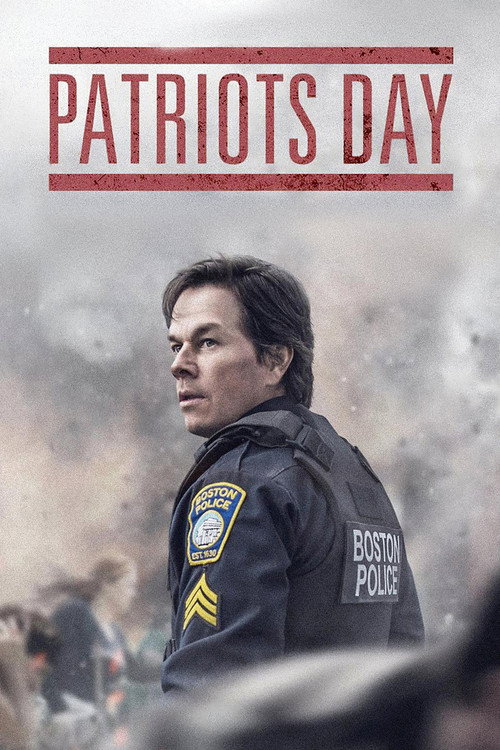
Patriots Day2016
Same template, same year pattern of release, same sense that crime and desperation corrupt not just the criminals but everyone around them. Raw Deal improves on it, but Gun Men has the same DNA.
A forgotten Warner Bros. crime film from before the noir label existed, about criminals on the run and the relationships that destroy them. It's a direct ancestor of Raw Deal, made when the form was still being invented.
But It's obscure for a reason—the pacing is uneven and some scenes feel clumsy. You might feel like you're watching a rough draft of what noir would become.
People
Cast
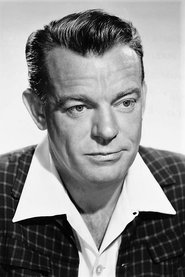 Dennis O'KeefeJoe Sullivan
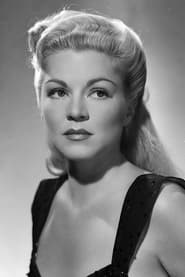 Claire TrevorPat Cameron
 Marsha HuntAnn Martin
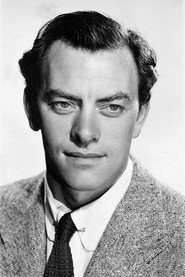 John IrelandFantail
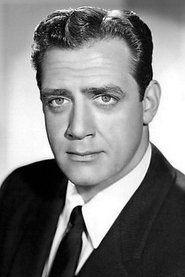 Raymond BurrRick Coyle
 Curt ConwaySpider
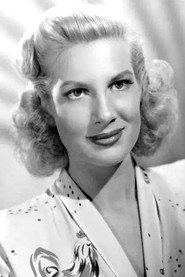 Chili WilliamsMarcy
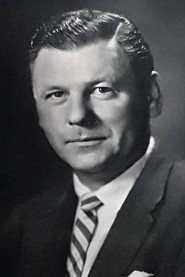 Richard FraserFields
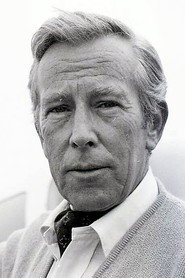 Whit BissellMurderer
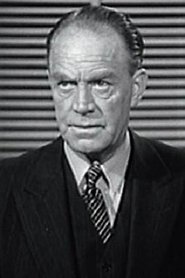 Cliff ClarkGates
Directing
- Ridgeway CallowAssistant Director
- Anthony MannDirector
Writing
- John C. HigginsScreenplay
- Leopold AtlasScreenplay
Production
- Edward SmallProducer
- James T. VaughnProduction Supervisor