
Film
Sherlock Holmes and the Voice of Terror
Basil Rathbone's Holmes tackles Nazi propaganda and genuine sabotage in wartime Britain, a briskly efficient 65-minute thriller that transplants the detective into the 1940s. It's playful rather than dark, energetic rather than complex, and feels like a good-natured puzzle box designed to entertain quickly. Made during World War Two, it channels period anxiety into a fast-moving mystery that rewards attention without demanding it.
Should you watch it?
Watch it if you like a tight, old-fashioned whodunit where Rathbone's Holmes gets to be crisp and cerebral, and you don't mind the wartime patriotism baked into the plot.
Skip it if you want modern pacing or psychological depth; at barely an hour it moves briskly, with broad-stroke characters and a mystery that rewards nostalgia more than close scrutiny.
What it asks of you: Expect a brisk sixty-five minutes of dialogue-led detective work, with little time spent on atmosphere and a light touch on suspense rather than sustained dread.
Not sure? Find tonight's pick in a minute.
If you liked this
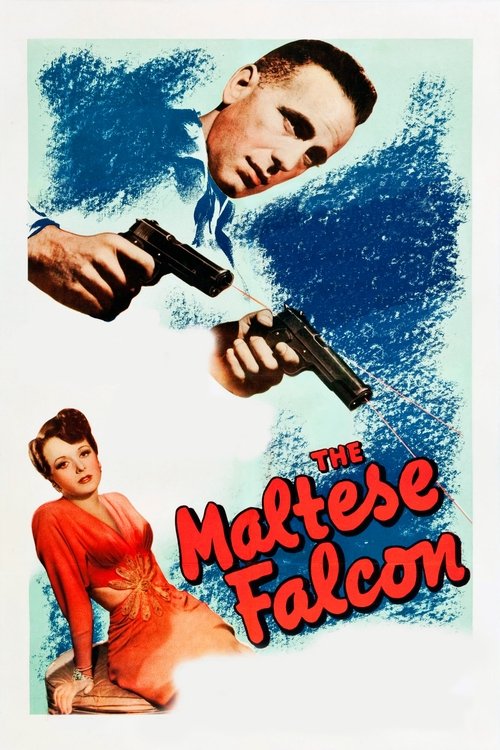
The Maltese Falcon1941
Humphrey Bogart's turn as Spade has the same rapid-fire dialogue and moral ambiguity that makes Holmes fun to watch. A mystery where the solution matters less than the people chasing it, driven by chemistry between leads.
But It's slightly slower than you'd expect, and the plot can feel like a vehicle for atmosphere rather than the reverse. Patience required.
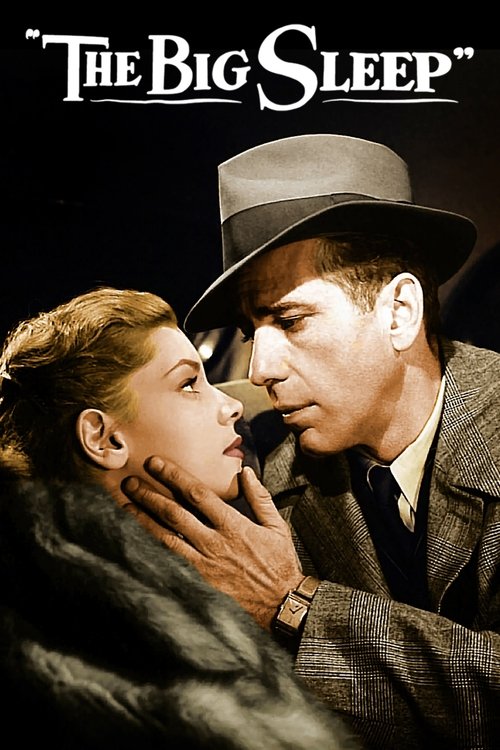
The Big Sleep1946
Bogart and Bacall in a Raymond Chandler adaptation with a plot so knotted it barely makes sense—but the ride is irresistible, and the banter has real sting. Mystery as an excuse for witty people to spend time together.
But The plot is genuinely difficult to follow, even on repeated viewings. Some find that frustrating rather than charming.
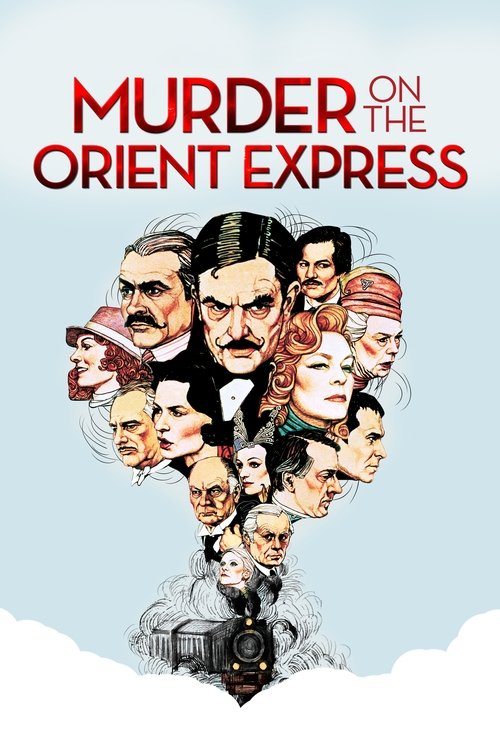
Murder on the Orient Express1974
Agatha Christie's locked-room puzzle elevated by Sidney Lumet's direction and an enormous ensemble cast. The satisfaction of a mystery where everything clicks into place, with style and elegance to spare.
But It's more about solving the puzzle than character depth. The resolution is tidy in a way that modern audiences sometimes find unsatisfying.
Not sure tonight? Get a pick in a minute, starting from Sherlock Holmes and the Voice of Terror
The wildcard
Something you would not have found on your own.
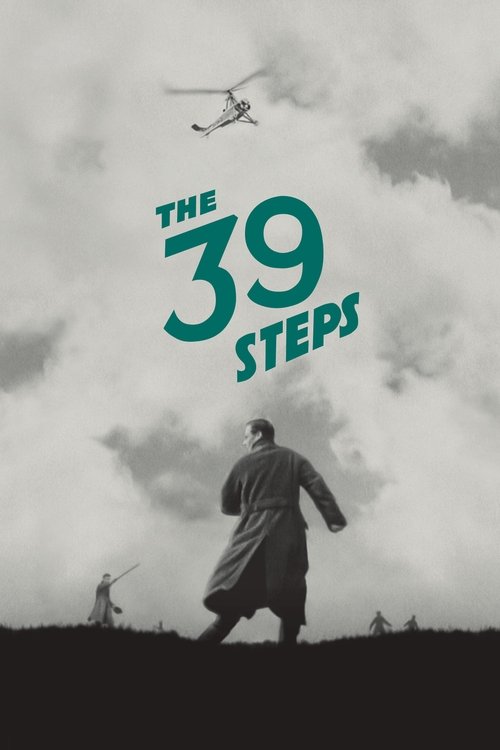
The 39 Steps1935
Both are wartime anxieties channeled through chase logic: innocent lives disrupted by forces larger than themselves, solved by observation and wit under pressure.
Hitchcock's spy thriller features a man wrongly accused fleeing across Scotland while actual enemies close in. It has the same nervous energy as Holmes—the relentless pacing, the mix of danger and humor, the trust-nobody paranoia—but as pure suspense rather than puzzle-solving.
But It's less about deduction and more about luck and timing. Some find Hitchcock's heroes frustratingly passive compared to Holmes's logic.
More like this (8)
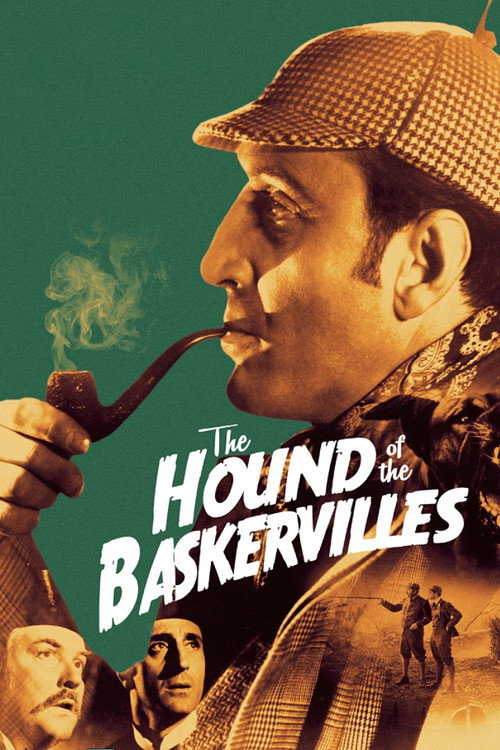
The Hound of the Baskervilles1939
Another Rathbone-Bruce pairing, closer to the mood of the original story. It has atmosphere, genuine suspense, and proves their chemistry worked across multiple outings. A more gothic, less war-bound Holmes.
But The pacing is gentler and the stakes feel smaller than the Nazi wartime angle. Might feel like a step backward if you prefer the topical edge.
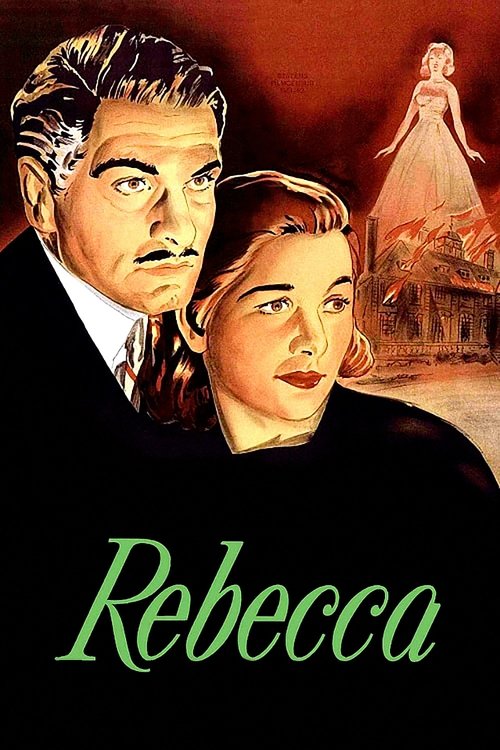
Rebecca1940
Hitchcock's masterclass in suspense and misdirection, where the real mystery isn't who did what but why anyone would. Moody, immaculately constructed, with a lead performance that understands vulnerability.
But It's much darker and more psychologically wounded than a wartime spy puzzle. The pace is deliberate; it does not rush.
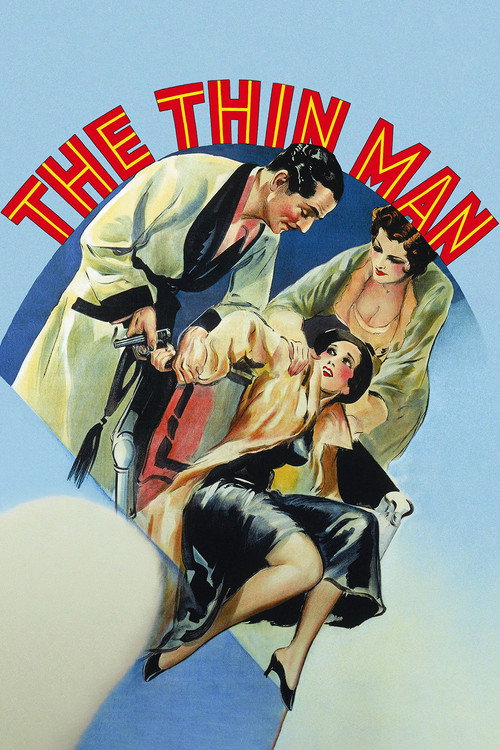
The Thin Man1934
William Powell and Myrna Loy as a married couple solving a murder while getting gloriously drunk. Mystery as an excuse for charm, wit, and the pleasure of watching two people who genuinely like each other.
But The plot is an afterthought to the banter. If you need a substantive mystery, this will frustrate you.
The Asphalt Jungle1950
John Huston's heist procedural, tightly constructed and alive with character detail. Every scene does work; every line lands. The prototype for how to make a straightforward crime story absorbing.
But It's noir-dark and takes itself seriously. No lightness, no charm, no romantic flourishes. Very different tone.

The Killers1946
Siodmak's expressionistic noir, based on a Hemingway short story, with Burt Lancaster's debut and a plot that unfolds in fractured pieces. Visually ambitious and morally complex in ways most mysteries aren't.
But The fragmented narrative can feel pretentious, and the darkness is unrelenting. Nothing like the lighter touch of wartime Holmes.

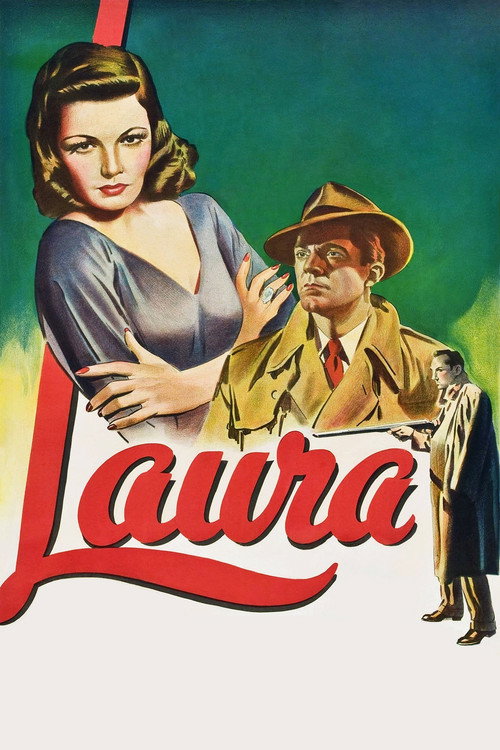
Laura1944
Otto Preminger's elegant, psychologically astute mystery about obsession and false identity. A detective story that's actually interested in why people love the wrong people and believe convenient lies.
But The detective work is secondary to the emotional puzzle. If you want plot mechanics, this won't provide them.
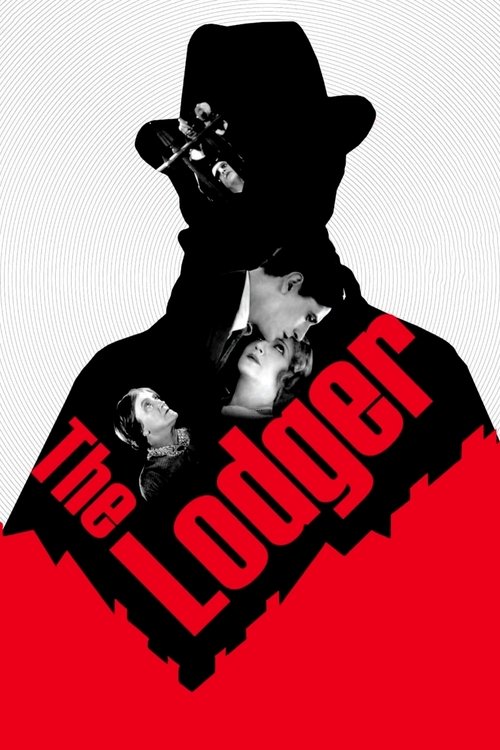
The Lodger: A Story of the London Fog1927
Both treat mystery as a form of social reading: how to know whom to trust when everything is performance. Both were made in moments of collective fear.
Hitchcock's silent debut about a landlady suspicious of her mysterious new tenant during a serial killer panic. It has Holmes's method—watching patterns, reading behavior, the thrill of deduction—but applied to domestic paranoia and class anxiety, rendered entirely through visual storytelling.
But It's silent, from 1927, and visually experimental. The pacing is glacial by modern standards. Requires adjustment.
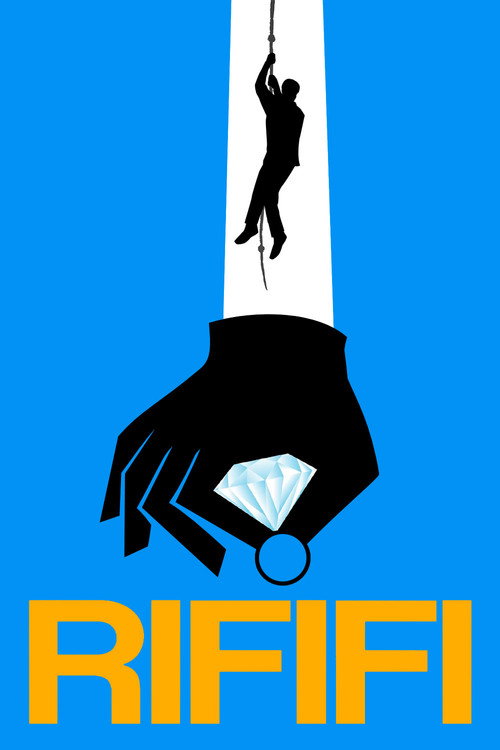
Rififi1955
Both are about the seductive intelligence of meticulous planning, and the curious pleasure of watching someone think their way through a problem, regardless of whose side they're on.
Jules Dassin's heist masterpiece built on the logic of a perfect plan being executed perfectly, with a famous wordless 30-minute jewel-theft sequence. It has Holmes's satisfaction of watching a mind work—the pleasure of seeing someone do something brilliantly difficult—but applied to a crime rather than its solution.
But It's a French film noir in which the criminals are the protagonists. Morally murkier than Holmes, and the payoff is failure rather than truth.
People
Cast
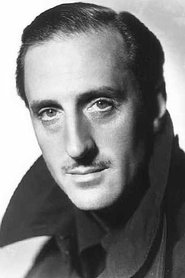 Basil RathboneSherlock Holmes
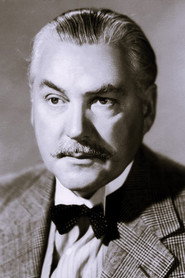 Nigel BruceDoctor Watson
 Evelyn AnkersKitty
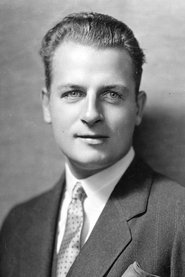 Reginald DennySir Evan Barham
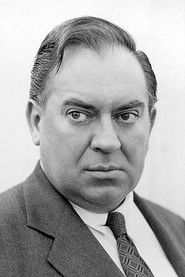 Thomas GomezR.F. Meade
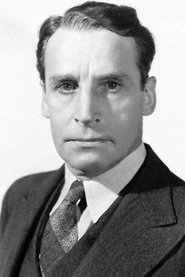 Henry DaniellSir Anthony Lloyd
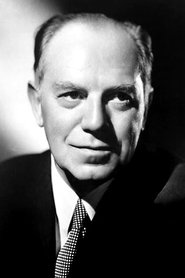 Montagu LoveGeneral Jerome Lawford
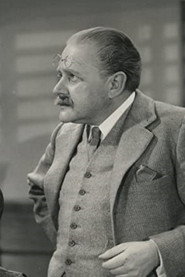 Olaf HyttenAdmiral Sir John Fabian Prentiss
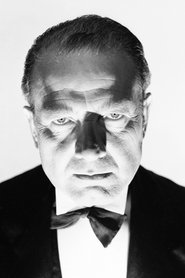 Leyland HodgsonCaptain Roland Shore
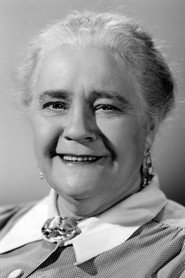 Mary GordonMrs. Hudson
 Hillary BrookeJill Grandis
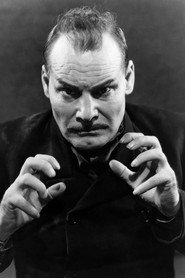 Harry CordingCamberwell
Directing
- John RawlinsDirector
Writing
- John BrightScreenplay
- Lynn RiggsScreenplay
- Arthur Conan DoyleStory
Production
- Howard BenedictAssociate Producer