
Film
Dark Passage
A fugitive escapes prison to find the real murderer of his wife, aided by a mysterious woman with her own secrets. This 1947 noir uses subjective camera—you see through the protagonist's eyes for much of it—to trap you in his paranoia and desperation. For fans of wrongful conviction thrillers and atmospheric Hollywood craftmanship.
If you liked this
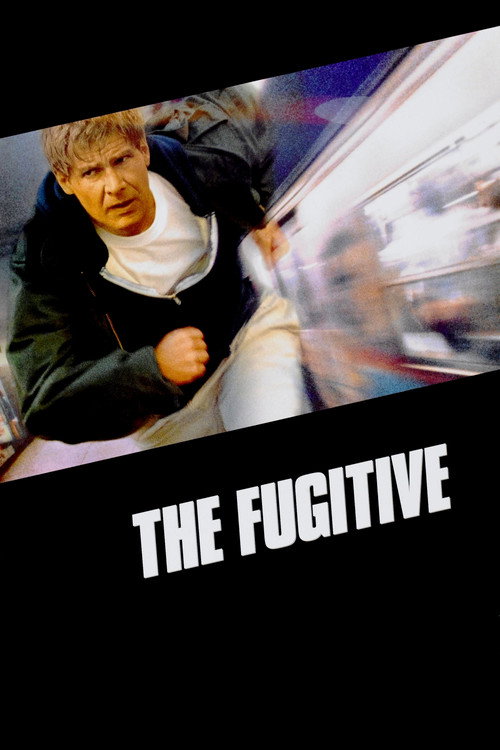
The Fugitive1993
Harrison Ford as a man hunted for a crime he didn't commit, tearing through the country to find the real killer. Propulsive, beautifully shot, and it knows exactly when to let tension breathe.
But The plot hits familiar beats and the villain reveal is signposted. If you need surprises, this plays it fairly straight.
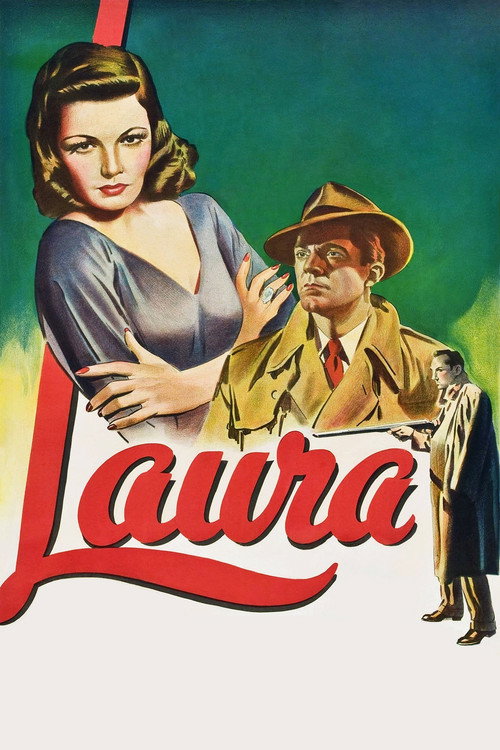
Laura1944
Otto Preminger's masterpiece: a detective falls in love with a dead woman's portrait while solving her murder. Stylish, witty, and the twist lands like a punch. Essential noir.
But It moves at a 1944 pace. Some viewers find the middle section talky, and the romance feels weightless by modern standards.
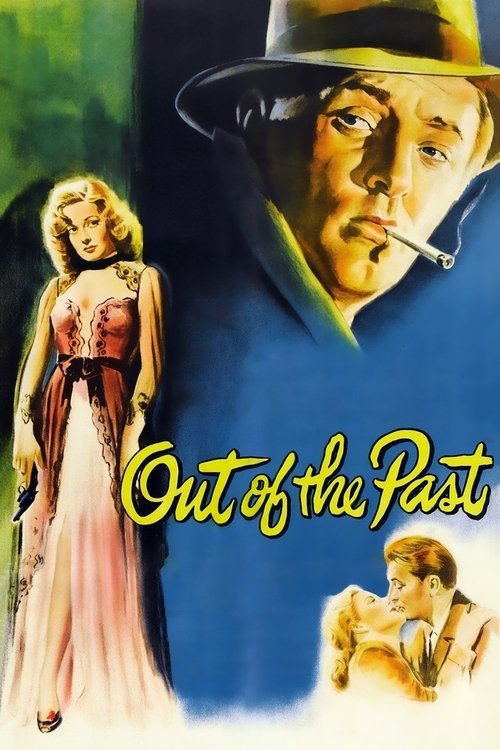
Out of the Past1947
Robert Mitchum trapped between a femme fatale and a dangerous past, shot through with fatalism and betrayal. Quintessential noir: corruption, desire, and no good choices.
But It's bleak and circular. If you need hope or forward momentum, this will feel like treading water.
Not sure tonight? Get a pick in a minute, starting from Dark Passage
The wildcard
Something you would not have found on your own.
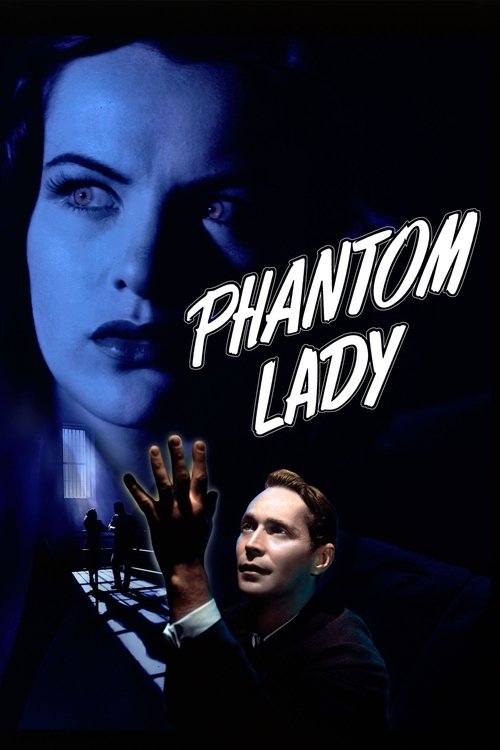
Phantom Lady1944
Both use the camera itself to collapse the viewer into the protagonist's unreliable perspective; both are about the desperation of proof when no one believes you.
A woman tries to prove her husband innocent by retracing the steps of a mysterious night. Uses subjective camera and psychological distortion as brilliantly as Dark Passage does, but from a woman's perspective—and it's more visually inventive, almost experimental for 1944.
But It's obscure, and print quality on older copies can be poor. Some plot points hinge on contrivances even noir fans notice.
More like this (8)
The Killers1946
Burt Lancaster's debut: a boxer knows he's marked for death and doesn't run. Siodmak directs with surgical control, dissecting why a man accepts his fate. Hypnotic.
But The pacing is deliberate, almost dreamlike. It rewards patience but won't grab you by the throat.

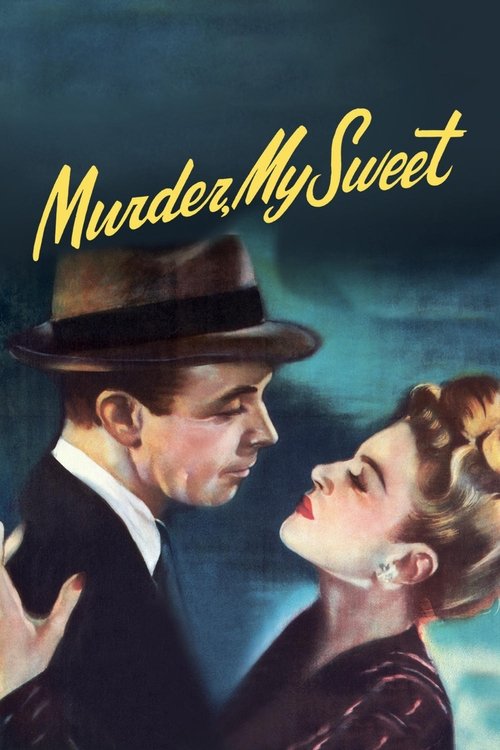
Murder, My Sweet1944
Dick Powell—a song-and-dance man—becomes a hard-boiled detective caught in a maze of deception. Brilliantly shot, genuinely confusing in the best way, and Powell's deadpan narration is perfect.
But The plot is genuinely convoluted. You need to pay attention; it won't hold your hand.
In a Lonely Place1950
Humphrey Bogart again, but playing a man whose guilt feels like a real possibility, even as the mystery unfolds. Boomer's best work, unsettling and intimate.
But It's as much character study as thriller. If you came for plot mechanics, it turns inward when you want it to turn outward.

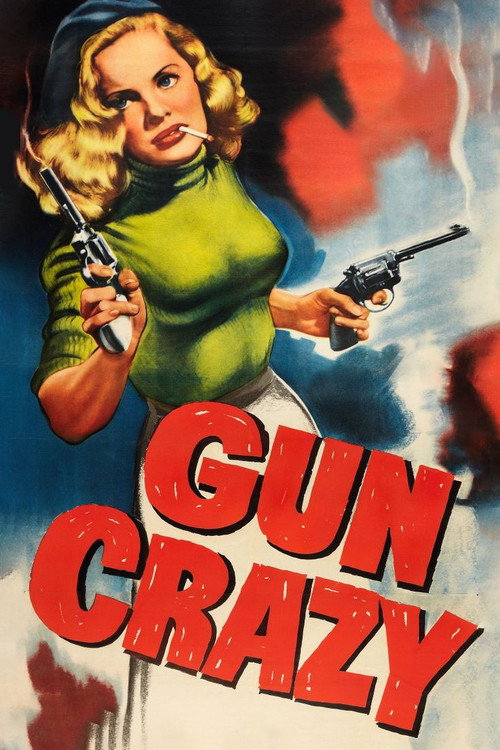
Gun Crazy1950
A penniless sharpshooter and a carny girl become lovers and criminals. Raw, energetic, and visually inventive—a direct ancestor of Bonnie and Clyde. Lean and hungry.
But It's slight on plot and heavy on mood. The ending is downbeat. Some will find it more style than substance.
The Asphalt Jungle1950
Huston's heist noir: a mastermind plans the perfect robbery and assembles a team. It's the template every heist film copies. Precise, tense, and full of character.
But It's more procedural than emotional. If you need to feel something, this is all craft.

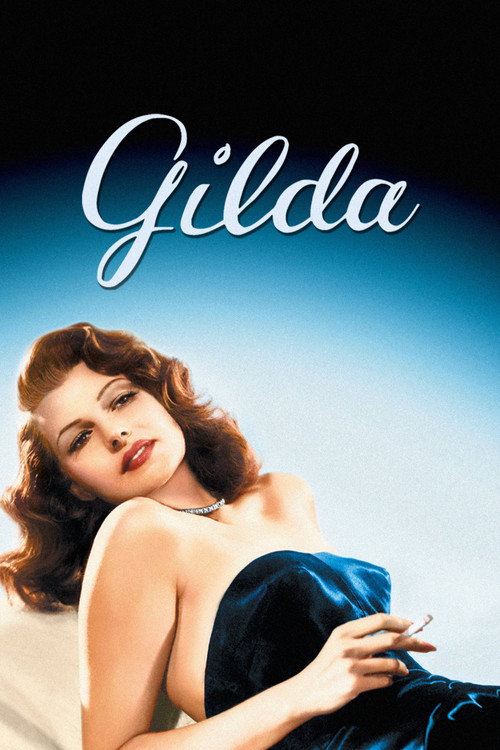
Gilda1946
Rita Hayworth as a woman of mystery and terrible power in post-war Argentina. Visually stunning, and Hayworth's charisma is overwhelming. A guilty pleasure done right.
But The plot is thin and the retrograde gender dynamics will grate. It works because Hayworth is magnetic, not because the story is complex.
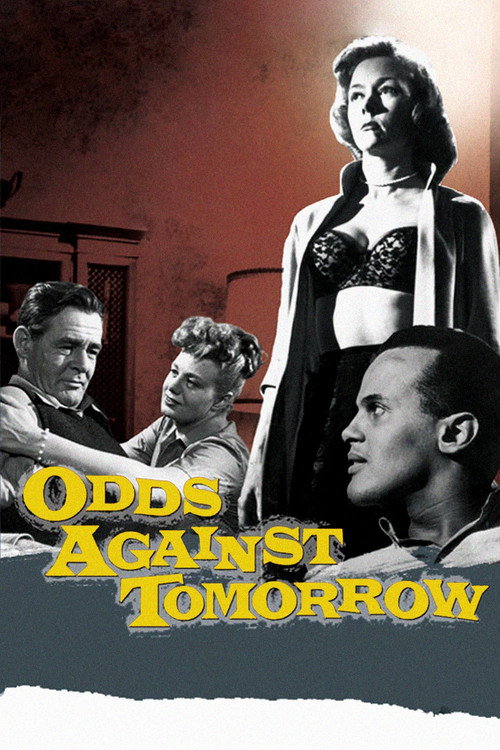
Odds Against Tomorrow1959
Both trap you inside a guilty man's head; both use the crime plot as a vehicle for examining how society marks certain men as disposable.
A noir heist film about three men planning a robbery, one of them Black, filmed in the late 1950s with unflinching attention to race and paranoia. Beautifully composed, morally complex, and bleaker than it has any right to be.
But It's slow-burn and literary. The heist itself is almost incidental to the character study. And the ending is devastating rather than cathartic.
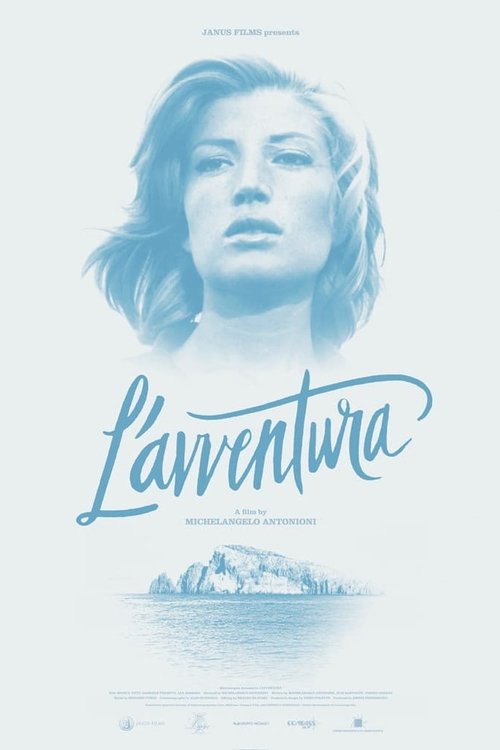
L'Avventura1960
Both are about a man marked by absence and guilt—but where Dark Passage chases proof, L'Avventura suggests that proof and closure might be illusions we create to comfort ourselves.
Michelangelo Antonioni: a woman vanishes from an island, and her fiancé and best friend search for her, but the film is less a mystery than a meditation on how quickly we stop looking for what matters. Long, strange, hypnotic.
But It rejects every convention of narrative you expect. There is no solution, no closure. If you need a mystery solved, this will infuriate you.
People
Cast
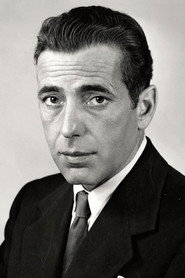 Humphrey BogartVincent Parry
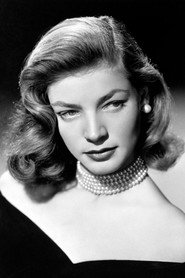 Lauren BacallIrene Jansen
 Agnes MooreheadMadge Rapf
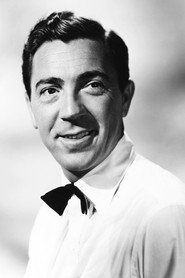 Tom D'AndreaCabby (Sam)
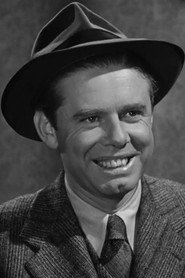 Clifton YoungBaker
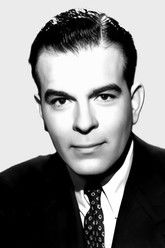 Douglas KennedyDetective Kennedy
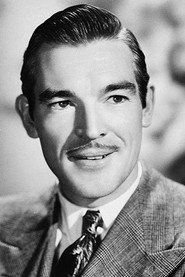 Rory MallinsonGeorge Fellsinger
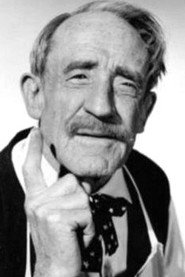 Houseley StevensonDr. Walter Coley
- Mary FieldAunt Mary at Bus Station (uncredited)
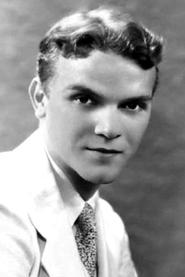 John ArledgeLonely Man at Bus Station (uncredited)
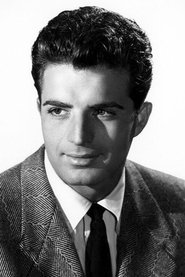 Vince EdwardsCop at Tollbooth (uncredited)
Directing
- Richard MayberyAssistant Director
- Delmer DavesDirector
Writing
- David GoodisNovel
- Delmer DavesScreenplay
Production
- Jack L. WarnerExecutive Producer
- Jerry WaldProducer