
Film
Hangover Square
A 1945 psychological thriller about a composer spiraling into obsession and violence. Laird Cregar delivers a haunting performance as a man losing grip on reality, drawn to a beautiful singer while his mind fragments. It's taut, darkly atmospheric, and genuinely unsettling—a film that understands how quickly charm becomes menace.
Should you watch it?
Watch it if you are drawn to psychological thrillers that live inside a troubled mind, where the Victorian London fog, a brooding score and a slow-building dread matter as much as the plot.
Skip it if you need brisk momentum or a clear, steady hero; the film lingers on moods and mental unrest, and its stagey melodrama can feel heavy and dated to modern eyes.
What it asks of you: At seventy-eight minutes it is compact, but it moves at a deliberate, brooding pace and asks you to sit with a man's unravelling rather than be pulled along by events.
Not sure? Find tonight's pick in a minute.
If you liked this
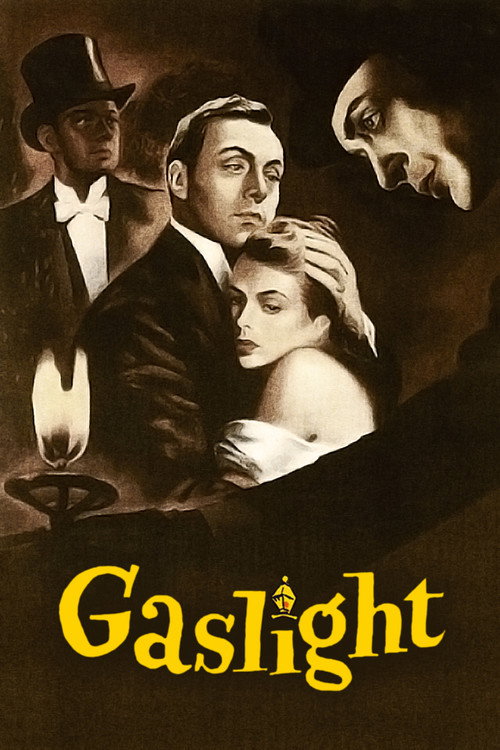
Gaslight1944
The psychological cat-and-mouse game mirrors Hangover Square's exploration of a fractured mind, but here the victim knows something's wrong. Both films excel at showing how easily reality becomes weaponized.
But It's slightly more famous and conventional in structure, which might feel safer than the raw unpredictability Hangover Square offers.
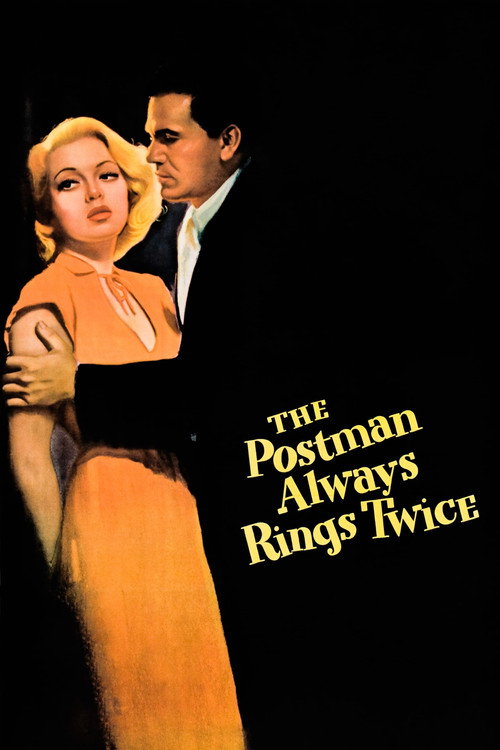
The Postman Always Rings Twice1946
Same era, same dangerous chemistry between beautiful woman and unraveling man. Lana Turner has the same magnetic pull that makes obsession credible. The fatalism is intoxicating.
But It's a noir about infidelity and murder-for-profit, not mental illness—different moral landscape entirely, which might dilute what drew you to Bone's vulnerability.
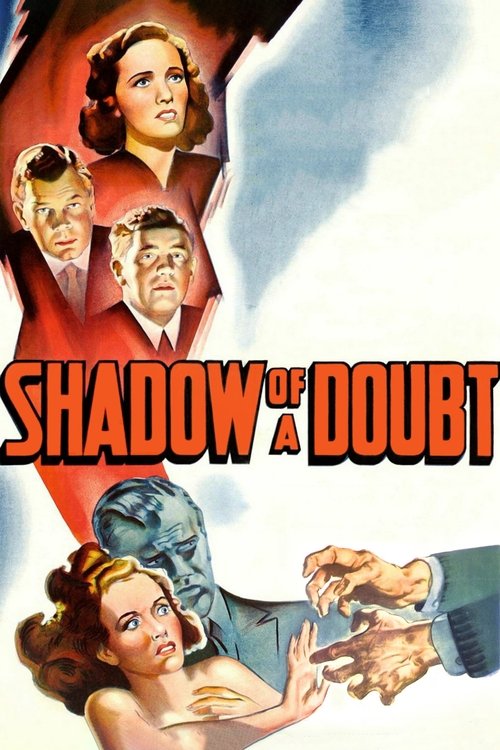
Shadow of a Doubt1943
Hitchcock's masterpiece about how evil wears a beautiful face. The same creeping dread as Hangover Square, the same sense of a charming person concealing something monstrous underneath.
But It's measured and sly rather than feverish; the horror emerges slowly, so if you want immediate psychological violence you might find it patient.
Not sure tonight? Get a pick in a minute, starting from Hangover Square
The wildcard
Something you would not have found on your own.
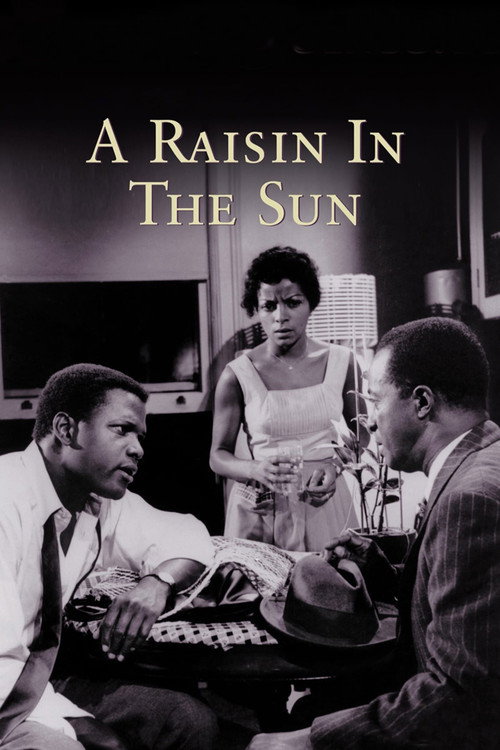
A Raisin in the Sun1961
Both films understand how obsession and loss of self-control can destroy a person from the inside, and both show how charisma masks psychological danger.
On the surface, nothing like Hangover Square—it's a family drama about a Black family in Chicago fighting for dignity and survival. But it shares an obsessive psychological depth: Walter Lee is consumed by dreams and resentment in ways that distort his reality and relationships, driving the same wedge of violence and desperation.
But It's a realist social drama, not a thriller; the violence is emotional and structural rather than physical, and the framework is entirely different—you have to meet it on its own terms.
More like this (6)
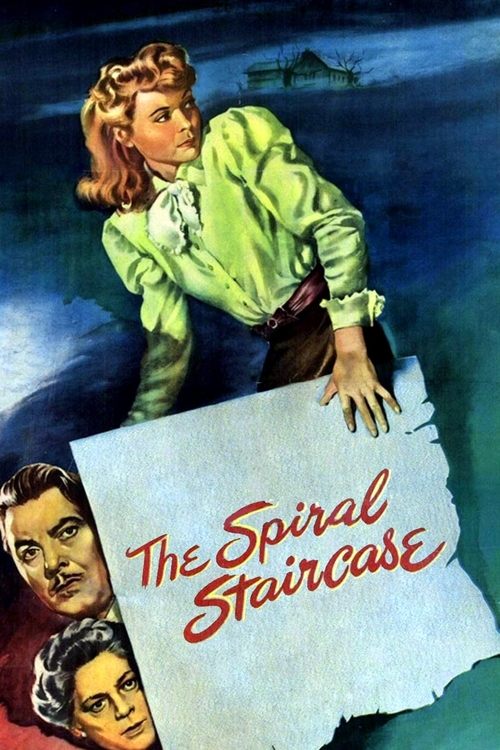
The Spiral Staircase1946
A taut Gothic thriller with genuine menace and a killer whose psychology feels genuinely fractured. It has Hangover Square's claustrophobic dread and its willingness to let violence feel real.
But The pacing is slower and it's built on suspense rather than character study, so you're waiting rather than inhabiting the killer's mind.
In a Lonely Place1950
Humphrey Bogart as a man suspected of murder, teetering on the edge of his own aggression. It's about how close violence lives inside us and how easily love curdles into possessiveness.
But It's a film noir with romantic elements that might feel less purely dark than what Hangover Square achieves; the femme fatale softens the misanthropy.

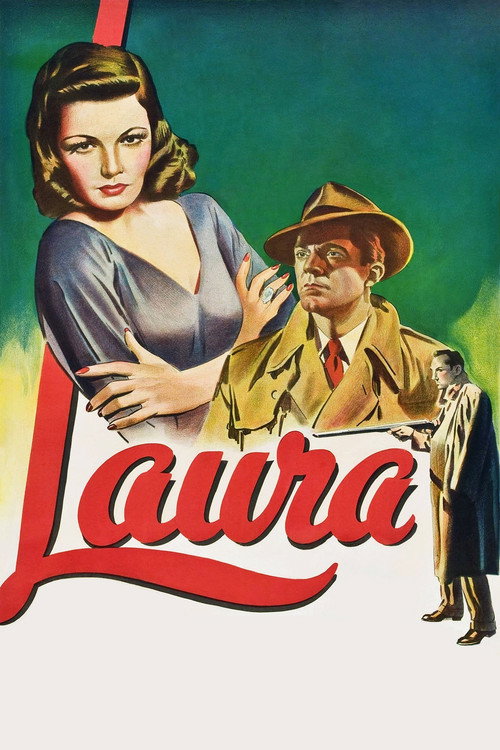
Laura1944
A murder mystery built on obsession—the detective becomes as fixated on a dead woman as Bone is on Netta. It has that same intoxicating quality where attraction becomes dangerous.
But It's stylish and witty in ways Hangover Square isn't; the mood is more urbane than claustrophobic, and the mystery matters more than psychology.
The Killers1946
Burt Lancaster and dark obsession; the film follows how a man becomes trapped by his own desires. It's a taut exploration of how love and violence are closer than we like to admit.
But The story unfolds through investigation and memory rather than direct immersion in the protagonist's fractured state, creating distance rather than claustrophobia.

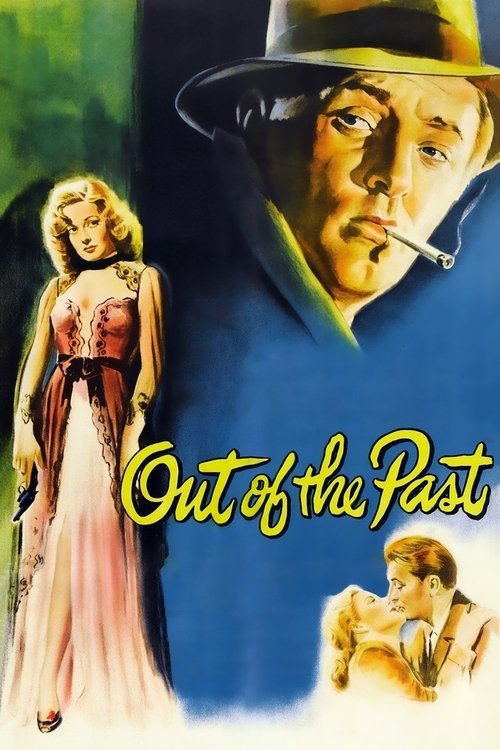
Out of the Past1947
Robert Mitchum caught between a beautiful woman and his own destruction. It has that same fatal pull, the same sense that attraction is a trap the protagonist walks into knowingly.
But It's supremely stylish and controlled; if you want the raw, unmoored psychological terror of Hangover Square, this is far too elegant.
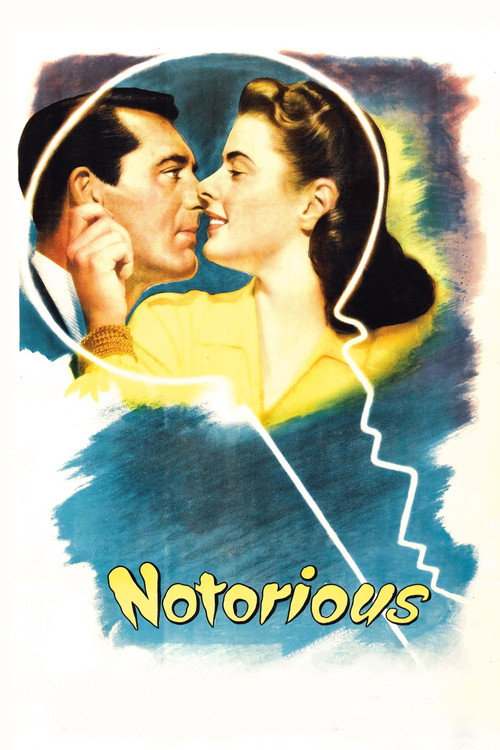
Notorious1946
Cary Grant's character is obsessed and controlling; Ingrid Bergman is the beautiful object of desire. The power dynamics and psychological manipulation have real teeth, and the drinking adds a layer of desperation.
But It's a spy thriller first and a character study second; the plot machinations might feel like they're pulling focus from the psychological breakdown you're after.
People
Cast
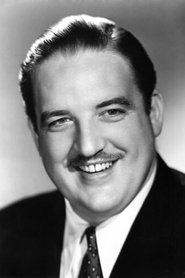 Laird CregarGeorge Harvey Bone
 Linda DarnellNetta Longdon
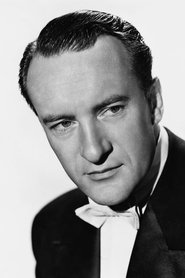 George SandersDr. Allan Middleton
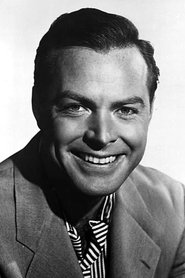 Glenn LanganEddie Carstairs
 Faye MarloweBarbara Chapman
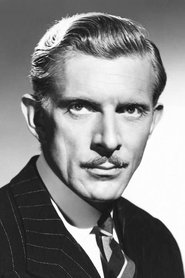 Alan NapierSir Henry Chapman
- J.W. AustinDet. Insp. King (uncredited)
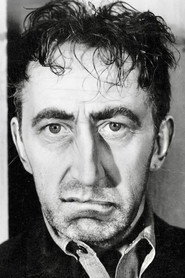 Ted BillingsPub Patron (uncredited)
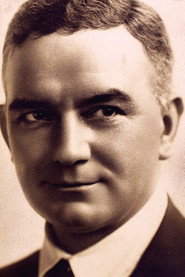 Clifford BrookeNight Watchman in Square
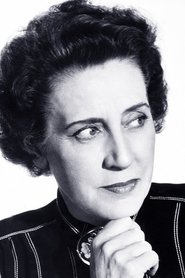 Ann CodeeNetta's Maid Yvette (uncredited)
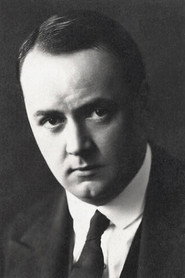 Charles ColemanMan at Bonfire (uncredited)
- Michael DyneMickey (uncredited)
Directing
- John BrahmDirector
Writing
- Patrick HamiltonNovel
- Barré LyndonScreenplay
Production
- Robert BasslerProducer
- Gertrude KingstonResearch Assistant
- Frances C. RichardsonResearcher