
Film
Black Angel
Other titles called Black Angel: the 2002 film.
A 1946 noir thriller where a desperate wife and a dissolute composer hunt for a real killer to save an innocent man from execution. Stylish, taut, and morally murky—it trades big names for genuine suspense and atmosphere. For noir devotees and anyone who loves crime stories where everyone's damaged and nobody's clean.
If you liked this
The Killers1946
Released the same year, this Siodmak noir has comparable elegance and a similar engine: ordinary people caught in a web of lies and violence. Burt Lancaster's debut is magnetic, and the structure is ingenious.
But The pacing is leisurely by modern standards, and the femme fatale trope may feel overly familiar now, even in its finest expression.

In a Lonely Place1950
Bogart as a volatile, possibly guilty man while the woman who loves him circles the truth. Ray's direction is supreme, and the ambiguity about who deserves saving cuts deeper than any verdict.
But It's bleak. There's no catharsis, no clear moral comfort. If you need your heroes redeemed, this will sting.

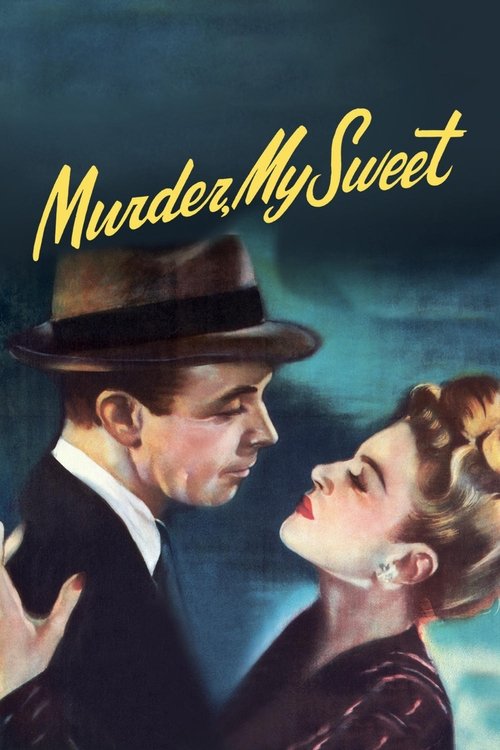
Murder, My Sweet1944
Dick Powell in noir, desperate and compromised, navigating a murder case where every clue leads further into the dark. Chandler's world, perfectly adapted. The cinematography is stunning.
But It's convoluted—the plot requires attention, and some threads tie up neater than others. A second watch helps, but you have to be willing to work.
Not sure tonight? Get a pick in a minute, starting from Black Angel
The wildcard
Something you would not have found on your own.
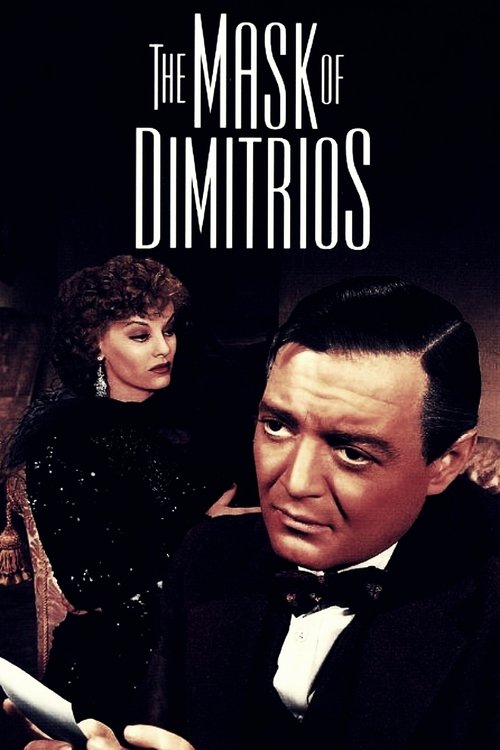
The Mask of Dimitrios1944
Both are compact noirs where a protagonist is drawn into moral compromise by proximity to crime, with Peter Lorre's presence anchoring the moral ambiguity.
A writer and a criminal cross paths, and the film becomes a nested mystery where layers of deception unfold through conversation and flashback. Like *Black Angel*, it trusts dialogue and atmosphere over spectacle, and Peter Lorre is exceptional.
But It's cerebral and oblique. Plot happens offscreen, and the pacing is contemplative. If you need action, you'll be disappointed.
More like this (8)
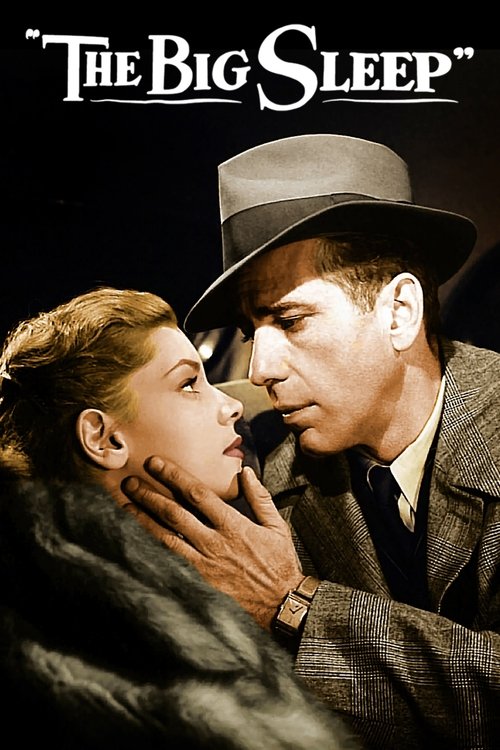
The Big Sleep1946
Bogart and Bacall, Hawks' direction, and a plot so tangled even the filmmakers weren't sure who killed whom. The chemistry is electric and the dialogue is unmatched.
But The narrative is genuinely hard to follow, and that won't charm everyone. If you need clarity, this will frustrate you.
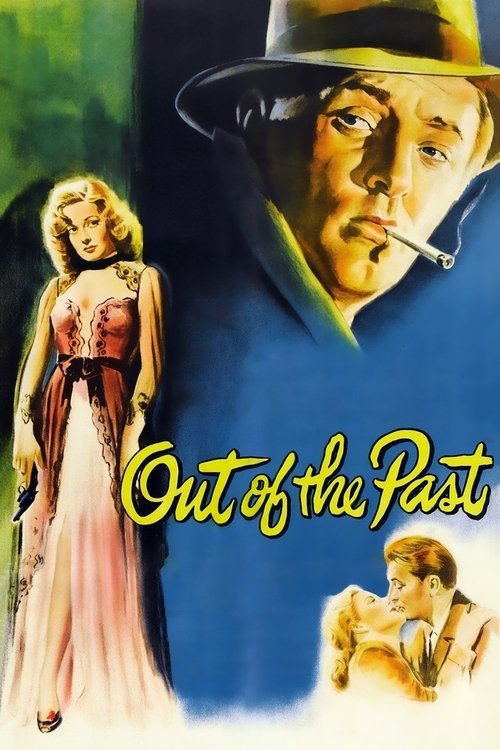
Out of the Past1947
Mitchum's fatalism, Greer's betrayal, and Tourneur's visual mastery. A man tries to escape his past and discovers he never had a chance. It's the platonic ideal of noir inevitability.
But It's slow-burn, and the ending is grim. Modern viewers often find the pacing and gender dynamics dated.
The Asphalt Jungle1950
Huston's heist template that rewrote crime cinema. Ensemble cast, meticulous planning, and a moral compass that spins wildly. Every frame is controlled and purposeful.
But There's no protagonist to root for—only degrees of desperation. Some find that liberating; others find it empty.

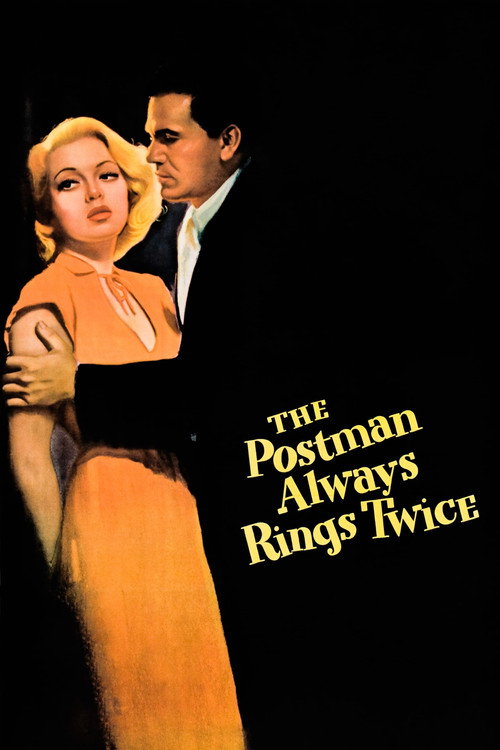
The Postman Always Rings Twice1946
Garfield and Turner in a steamy, brutal murder plot where desire and greed tangle fatally. Tay Garnett's direction is tense, and the chemistry is dangerous.
But The sexual content was shocking for 1946 and still reads as trashy. If you want subtlety, this flaunts its pulp.
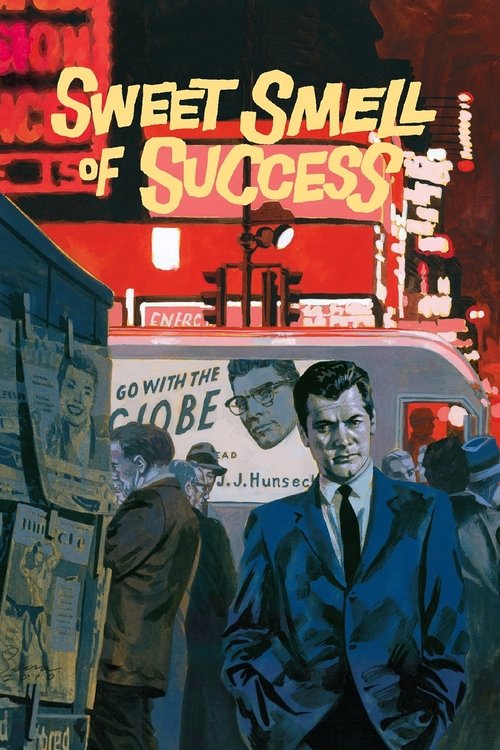
Sweet Smell of Success1957
Lehman's dialogue crackles like electricity. Two men destroy each other through manipulation and ambition in New York's nightclub underworld. The cynicism is absolute and exhilarating.
But It's all surface and corrosion—there's no heart to grab onto, and the misogyny is thick. The beauty of it can feel cold.
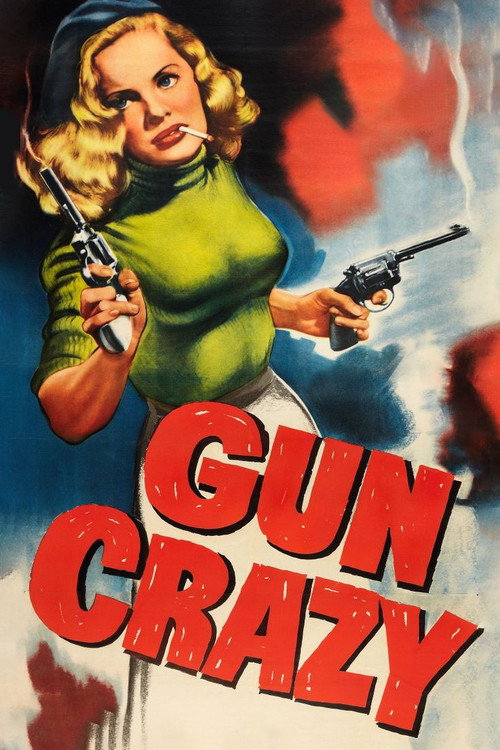
Gun Crazy1950
A bonnie-and-Clyde prototype with real energy and intimacy. It's ragged, low-budget, and genuinely felt—a couple drawn into crime by desire and circumstance.
But It's rough around the edges technically, and the romanticism of outlaws won't sit well if you're looking for moral clarity.
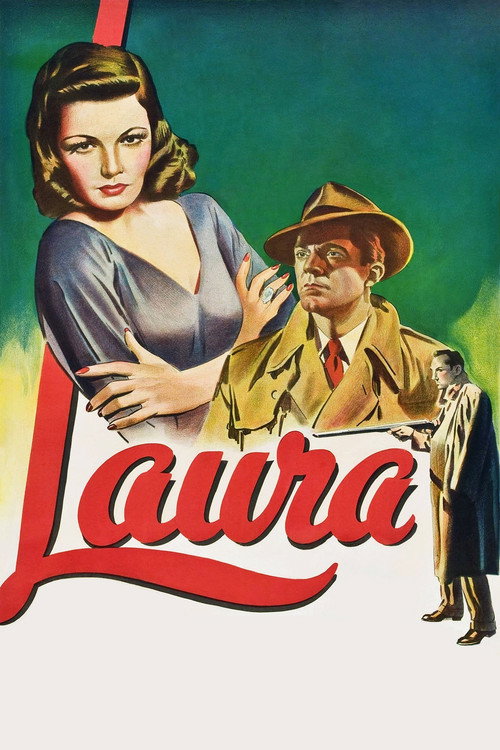
Laura1944
Both explore how investigation becomes entanglement, where seeking truth leads characters into emotional territory they didn't anticipate, and the real crime is often passion, not murder.
Preminger's masterpiece about obsession masquerading as investigation. A detective falls for a dead woman's portrait while solving her murder. The structure is elegant, the twist is earned, and Otto Preminger's control is absolute.
But It's a detective story that prioritizes mood over plot mechanics. The mystery takes a backseat to atmosphere and psychology.
The Third Man1949
Like *Black Angel*, it pivots on a search for the truth that becomes a journey into the protagonist's own culpability. Both suggest that finding answers doesn't redeem you—it just shows you how far you've fallen.
A man goes to Vienna to find his old friend and uncovers betrayal, corruption, and moral compromise at every turn. Carol Reed's direction, the zither score, the shadowed streets—it's the summit of postwar noir. Welles is unforgettable in eighteen minutes.
But It's slow, and the moral world is murky to the point of nihilism. If you need your protagonist to win, or even to be clearly right, you'll leave unsatisfied.

People
Cast
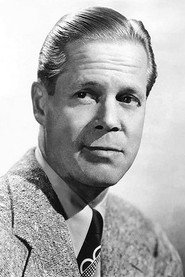 Dan DuryeaMartin Blair
 June VincentCatherine Bennett
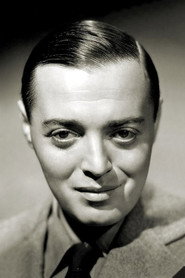 Peter LorreMarko
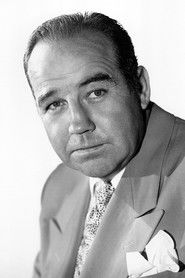 Broderick CrawfordCaptain Flood
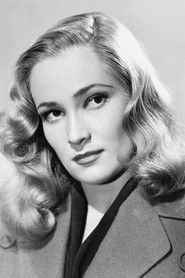 Constance DowlingMavis Marlowe
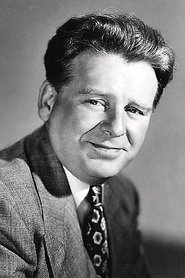 Wallace FordJoe
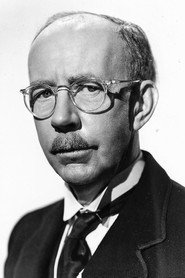 Hobart CavanaughJake
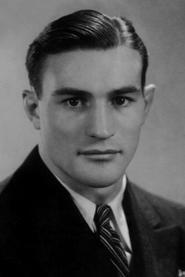 Freddie SteeleLucky, Manager of Rio's
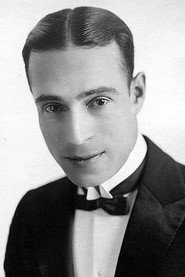 Ben BardBartender
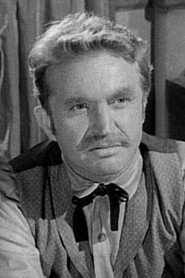 Junius MatthewsDr. Courtney
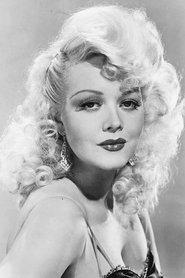 Marion MartinMillie
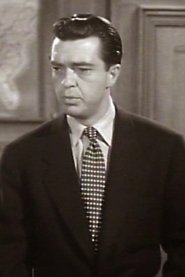 John PhillipsKirk Bennett
Directing
- Charles S. GouldAssistant Director
- Roy William NeillDirector
Writing
- Cornell WoolrichNovel
- Roy ChanslorScreenplay
Production
- Roy William NeillProducer
- Tom McKnightProducer