
Film
Hollow Triumph
A noir thriller about a fugitive criminal who assumes the identity of a psychiatrist to escape his past, only to become trapped in a web of mistaken identity and psychological games. It's a taut, low-budget B-picture that prioritizes atmosphere and moral ambiguity over spectacular set pieces—perfect for viewers who love the paranoia and claustrophobia of classic noir without the usual gloss.
Should you watch it?
Watch it if you love noir built on a cramped, claustrophobic scheme where a desperate man's clever plan keeps curdling, and you enjoy stylish 1940s talk and shadowed rooms more than big set pieces.
Skip it if you want fast, propulsive plotting, since this one moves at a deliberate pace and its shadowy cat-and-mouse stays talky and static for long stretches.
What it asks of you: Patience for a slow-building scheme and a lot of talk in close rooms, but at 83 minutes it's compact enough for one evening.
Not sure? Find tonight's pick in a minute.
If you liked this
The Third Man1949
Another postwar noir about fugitives and false identities in a corrupt world, but with Orson Welles at his most magnetic. Carol Reed's direction and Anton Karas's zither make it unforgettable.
But It's more deliberately paced and philosophical than *Hollow Triumph*; some find its meditations on morality and betrayal slow-burn rather than urgent.

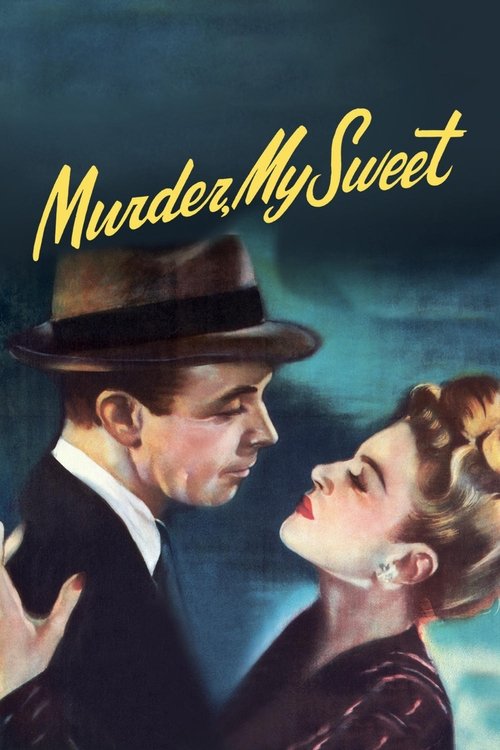
Murder, My Sweet1944
Dick Powell brings bruised vulnerability to a noir caught between genteel society and criminal underworld, with a plot that similarly hinges on deception and psychological manipulation unraveling a man's life.
But The femme fatale plot mechanics can feel dated, and Claire Trevor's character is more ornament than character by modern standards.
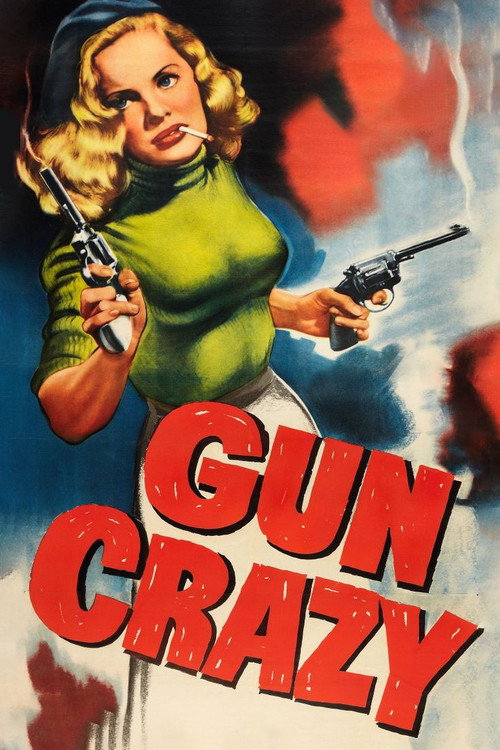
Gun Crazy1950
Like *Hollow Triumph*, it uses low budget and a small cast to generate claustrophobic dread. It's also about individuals defined by criminal impulse and the impossibility of escape or reinvention.
But It's bleaker and more sympathetic to its criminals than *Hollow Triumph* is; if you want moral clarity, this won't provide it.
Not sure tonight? Get a pick in a minute, starting from Hollow Triumph
The wildcard
Something you would not have found on your own.
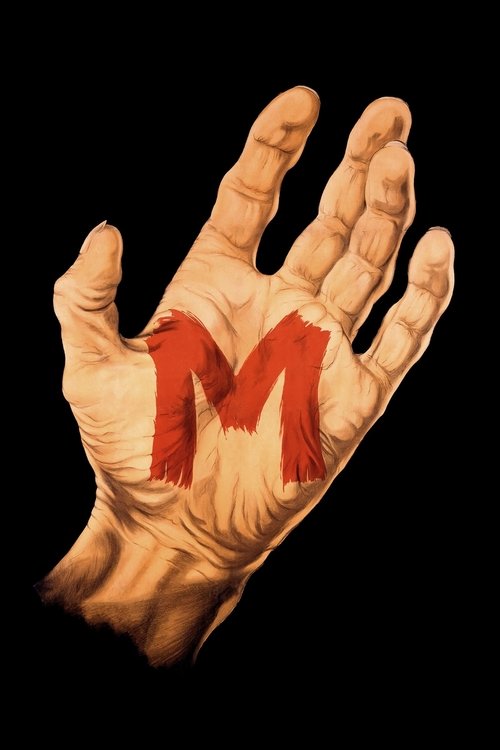
M1931
Both films stage psychological dramas about fugitives where the real threat is internal—not the authorities or criminals, but the self that cannot escape itself.
Fritz Lang's German masterpiece about a man hunted for a crime—but exploring the psychology of the hunted rather than the hunters. Like *Hollow Triumph*, it's about how society constructs and condemns identity, and how a man might try to escape it.
But It's 1931, in German with subtitles, and operates at a much higher level of formal ambition. Its pacing is deliberate by any standard.
More like this (7)
The Asphalt Jungle1950
John Huston's heist noir about men preparing a robbery and the lives that spiral out of control afterward. It shares *Hollow Triumph*'s interest in how identity and circumstance collide to trap people.
But It's an ensemble piece rather than a character study, so less focused on the psychological pressure Muller experiences.

In a Lonely Place1950
Ray's masterpiece about a man wrongly suspected of murder and the paranoia that accusation breeds. Like *Hollow Triumph*, it's about false identities and the impossibility of escape—but far more tragic.
But Bogart's performance is deliberately disagreeable; the film demands you sit with someone you may not like or trust.

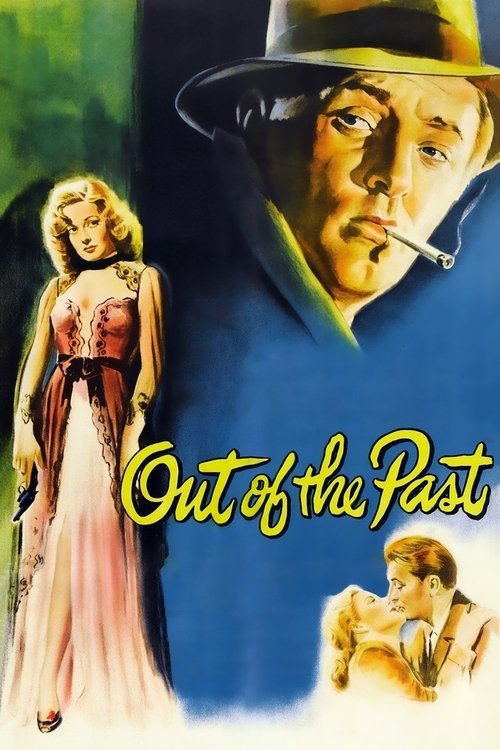
Out of the Past1947
Robert Mitchum as a man trying to outrun a criminal past finds his new identity unraveling. The definitive postwar noir about how the past refuses to stay buried, beautifully shot and ruthlessly plotted.
But It's much more celebrated and widely known; you may already have seen it or have preconceptions about it.
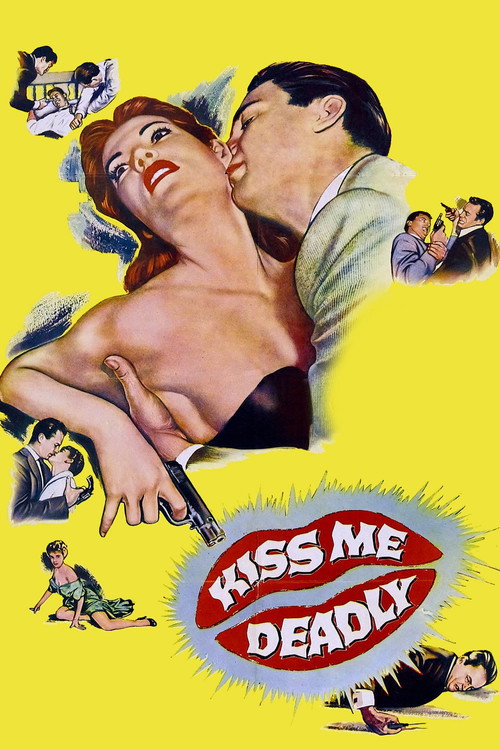
Kiss Me Deadly1955
Aldrich's paranoid late noir about a man who thinks he understands the world and is systematically proven wrong. It shares *Hollow Triumph*'s interest in identity as something constructed and fragile.
But It's more expressionist and violent than *Hollow Triumph*; its vision of the world is far harsher and more abstract.
The Killers1946
Siodmak's debut about a man running from his past who discovers he's already dead—another meditation on identity's illusion and the inescapability of criminal history.
But The episodic structure and heavy voiceover can feel dated, and Burt Lancaster is far more of a physical presence than Henreid's more psychological performance.

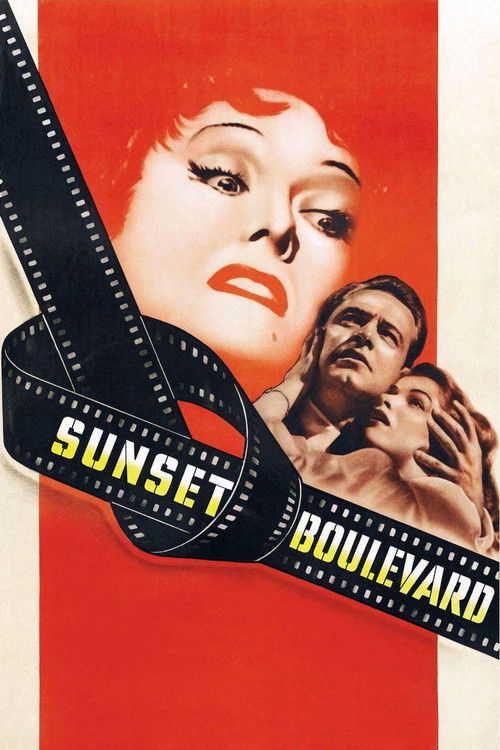
Sunset Boulevard1950
Both films use identity-switching as their central metaphor for moral collapse. In both, the false persona gradually becomes the true one, and the original self is what dies.
Billy Wilder's masterpiece about a failed screenwriter hired by a delusional film star. Like *Hollow Triumph*, it's about an act of assumed identity that becomes real—and the horror of discovering you've become the role.
But It's far more cynical about Hollywood and human nature; if you want any character to root for, you won't find one here.
Rififi1955
Both are B-pictures made lean by necessity, turning constraint into style. Both prove that noir works best when it trusts the audience and discards the excess.
Jules Dassin's diamond heist noir, filmed in Paris, is all shadow and silence. Like *Hollow Triumph*, it strips noir down to bare technique and paranoia—no dialogue where a glance will do, no music where dread will suffice.
But It's French, with a famous twenty-minute silent sequence. If you need constant narrative momentum, this will feel glacial.

People
Cast
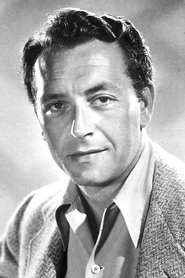 Paul HenreidJohn Muller / Dr. Bartok
 Joan BennettEvelyn Hahn
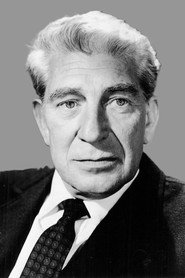 Eduard FranzFrederick Muller
 Leslie BrooksVirginia Taylor
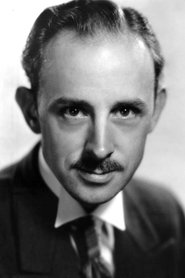 John QualenDr. Swangron
 Mabel PaigeCharwoman
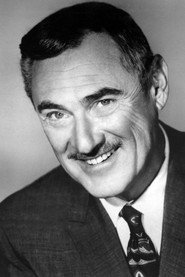 Herbert RudleyMarcy
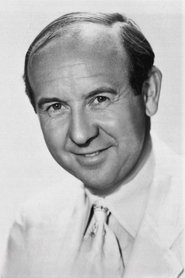 Charles ArntCoblenz
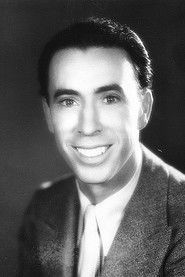 George ChandlerAubrey - Assistant
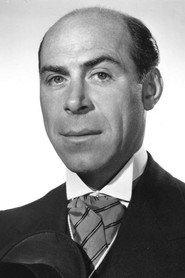 Sid TomackArtell - Manager
- Alvin HammerJerry
- Ann StauntonBlonde
Directing
- Emmett EmersonAssistant Director
- Steve SekelyDirector
- Arnold LavenScript Supervisor
Writing
- Murray ForbesNovel
- Daniel FuchsScreenplay
Production
- Bryan FoyExecutive In Charge Of Production
- Bryan FoyExecutive Producer
- Paul HenreidProducer
- James T. VaughnProduction Supervisor