
Film
Nob Hill
A Barbary Coast saloon owner schemes to marry into San Francisco high society in this 1945 musical drama. It's a glossy, energetic picture about ambition and class, set in the turn-of-the-century gold rush era. George Raft carries the film with his characteristic cool, while the supporting cast provides comedy and musical interludes. The plot is slight, but the atmosphere—bustling saloons, elaborate production numbers, period costumes—is what you're really here for.
If you liked this
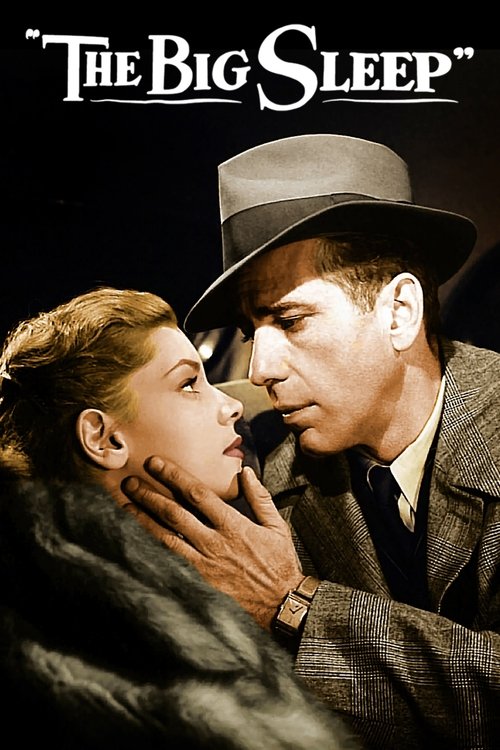
The Big Sleep1946
Lauren Bacall and Humphrey Bogart have such electric chemistry that the plot barely matters. Henry Hathaway's direction keeps the film moving even when the story gets tangled, and the dialogue sparkles with innuendo and wit.
But The plot is genuinely confusing—even William Faulkner couldn't follow it while writing. It's noir, so it can feel cold despite the chemistry between the leads.
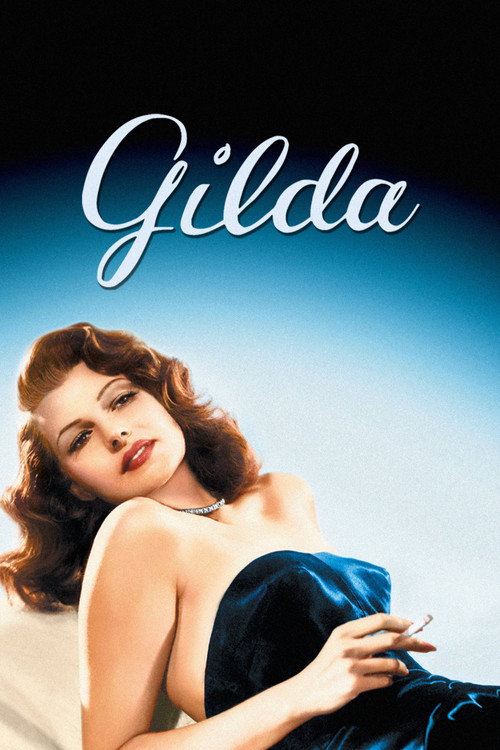
Gilda1946
Rita Hayworth is absolutely magnetic, and the film has the same intoxicating blend of glamour, music, and moral compromise that defines this era. Glenn Ford is perfectly cast as a man in over his head. The nightclub sequences are hypnotic.
But The plot hinges on some deeply uncomfortable gender dynamics and sexual jealousy. Hayworth's character is punished for her independence in ways that feel genuinely grim.
Leave Her to Heaven1945
Gene Tierney gives one of cinema's great toxic performances, and the Technicolor cinematography is stunning—lush and seductive and terrible all at once. It's a psychological thriller disguised as a melodrama, genuinely unsettling.
But It's extremely slow. The whole point is watching resentment curdle over ninety minutes, which is patient work. Tierney's character is so unpleasant that rooting for anyone becomes difficult.

Not sure tonight? Get a pick in a minute, starting from Nob Hill
The wildcard
Something you would not have found on your own.
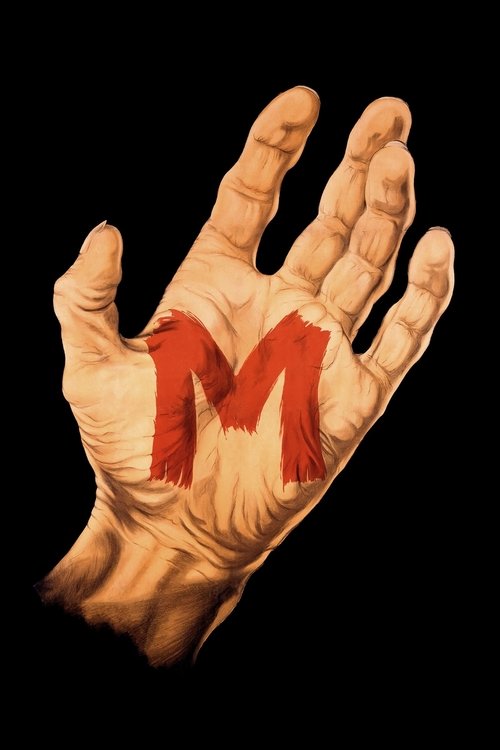
M1931
Both are about men climbing social hierarchies through ambition and charm, but Lang shows the rot underneath in ways Hathaway merely hints at. Where Nob Hill celebrates the rise, M examines what rises attract.
Fritz Lang's masterpiece about the hunt for a child murderer in Berlin. It's the ancestor of all procedural crime dramas, but it's also philosophically complex—about vigilantism, justice, and moral authority. Peter Lorre's performance is haunting.
But It's in German with subtitles, made in 1931, so the pacing is deliberate and the emotional temperature is cold. The subject matter—a predator hunting children—is deeply disturbing. It's not entertainment; it's an ordeal.
More like this (8)
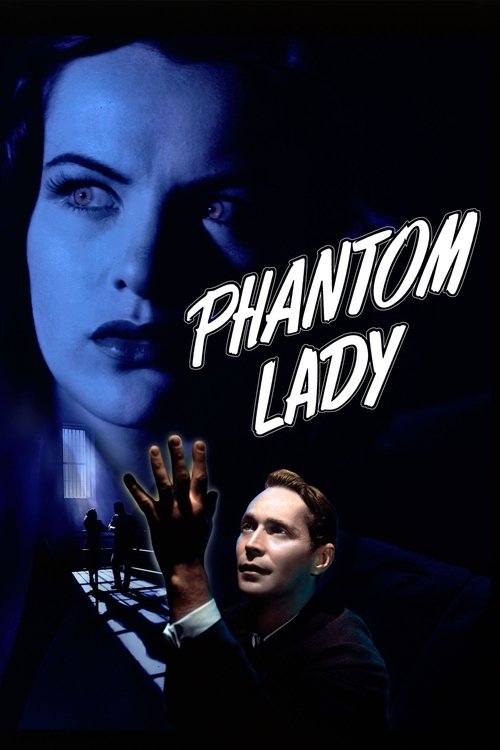
Phantom Lady1944
An innocent man accused of murder; a woman determined to prove him innocent. Robert Siodmak directs with real sophistication, and the suspense builds methodically. Ella Raines is excellent, and there's a genuinely disturbing percussion scene.
But The pacing sags in the middle, and the solution relies on plot mechanics that feel slightly clunky by modern standards. Some of the logic doesn't quite hold up.
The Killers1946
Robert Siodmak's direction is superb, the cast is perfect, and the nonlinear structure—told as a series of flashbacks investigating a murder—was still fairly novel. Burt Lancaster is magnetic, and there's real moral weight to the story.
But It can feel glacial. The investigation unfolds slowly, and if you're not invested in the mystery itself, the pace might test your patience. Some scenes lag noticeably.

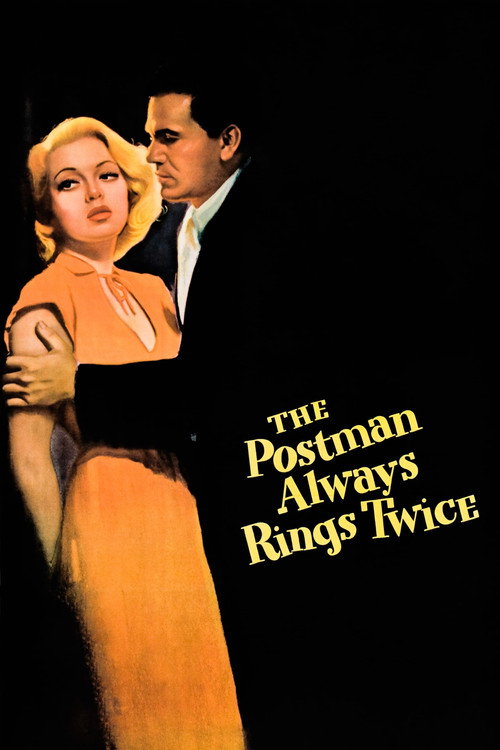
The Postman Always Rings Twice1946
Lana Turner and John Garfield crackle with sexual tension in this quintessential noir. Tay Garnett's direction makes the California diner claustrophobic and dangerous. It's about desperation and desire making people stupid.
But The plot is predictable once you see where it's heading. The censorship of the era means some of the book's edge is softened. It can feel a bit mechanical at times.
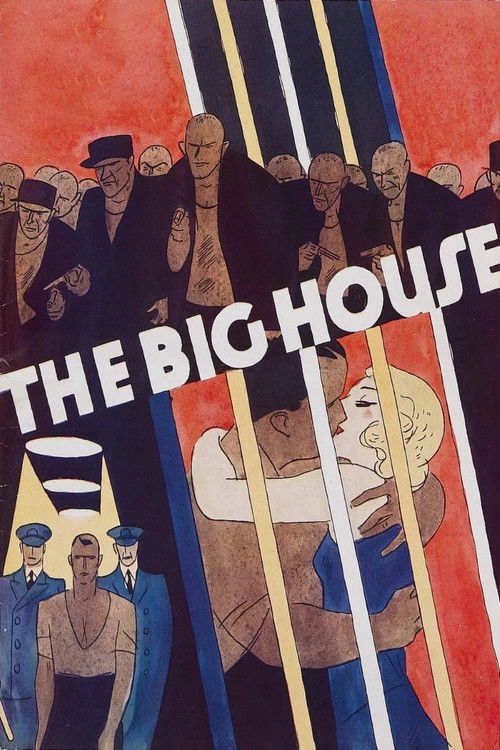
The Big House1930
An early prison drama that still holds up, with excellent ensemble work and a genuine sense of danger. The film doesn't shy away from violence and corruption, and the direction by George W. Hill moves with real authority.
But It's nearly a century old and shows it. The pacing is deliberate by modern standards, and some of the acting feels stagey. The dialogue lacks the snap of later 40s films.
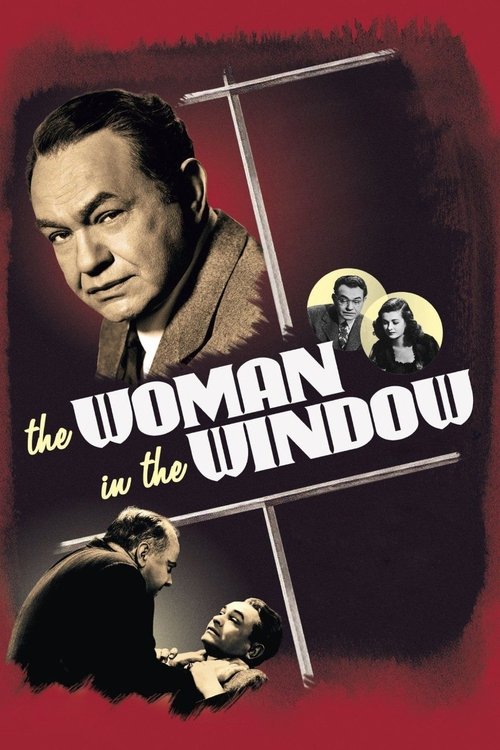
The Woman in the Window1944
Edward G. Robinson, Joan Bennett, and Dan Duryea in a noir about a man tempted into moral compromise. Fritz Lang directs with real atmosphere, and the cinematography is gorgeous. It's about how easily a good man can be drawn into darkness.
But The ending is divisive—some find it satisfying, others feel it undercuts everything that came before. There's a bittersweet sadness that might not satisfy if you want real stakes.
In a Lonely Place1950
Humphrey Bogart plays a volatile Hollywood screenwriter accused of murder. Nicholas Ray's direction is psychologically acute, and the film is genuinely about how suspicion corrodes trust. Bogart's performance is one of his finest—raw and sad.
But It's a downer. Bogart's character is unlikeable and gets more so as the film progresses. If you need optimism or likeable protagonists, this will frustrate you.

The Asphalt Jungle1950
Both are about the world of vice and ambition in American cities, but Huston looks at the hustlers and con artists without glamour. Nob Hill sells the dream; Asphalt Jungle shows you the bill.
John Huston's heist film is the template—carefully plotted, morally clear-eyed, with an ensemble of criminals you come to care about despite (or because of) their fundamental selfishness. The direction is lean and intelligent, and there's genuine tension.
But It's a slow burn. Most of the film is preparation and conversation rather than action. Huston is interested in character and motive, not spectacle. The ending might feel like a letdown if you're waiting for a climactic score.

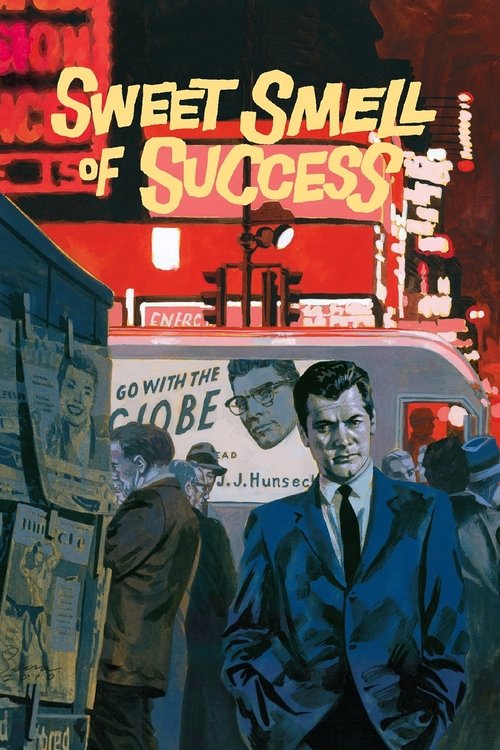
Sweet Smell of Success1957
Both are obsessed with social climbing and the underworld of American nightlife, but Mackendrick is interested in corruption and evil in ways Hathaway isn't. Nob Hill asks if you can marry up; Sweet Smell asks what you become trying.
A gossip columnist and a desperate press agent navigate New York's nightclub scene in this savage, sophisticated thriller. Alexander Mackendrick's direction is vicious, and the dialogue by Clifford Odets is the sharpest ever written for cinema. Tony Curtis and Burt Lancaster are both excellent.
But It's cynical to the point of bleakness. Every character is compromised and contemptible. The New York night-world it depicts is genuinely ugly. The ending offers no redemption or catharsis, just consequences. If you need to like someone, this will exhaust you.
People
Cast
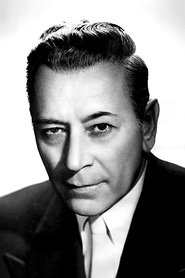 George RaftTony Angelo
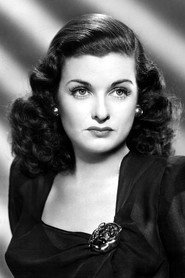 Joan BennettHarriet Carruthers
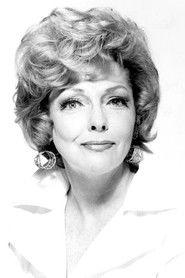 Vivian BlaineSally Templeton
 Peggy Ann GarnerKatie Flanagan
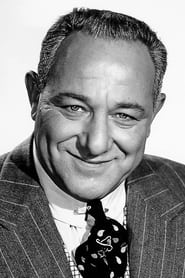 Alan ReedDapper Jack Harrigan
- B.S. PullyJoe the Bartender
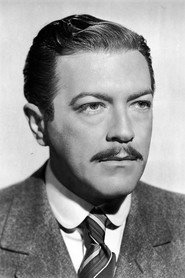 Edgar BarrierLash Carruthers
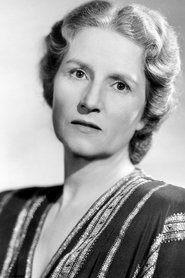 Olive BlakeneyCarruthers' Housekeeper
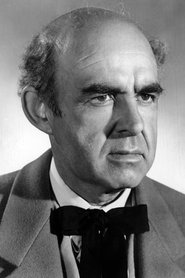 Nestor PaivaLuigi
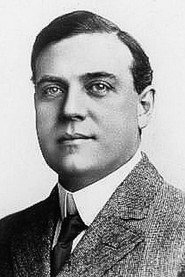 Paul EvertonUndetermined Role (uncredited)
- Emil ColemanPianist
 Joe SmithCharlie - a Waiter
Directing
- Gerald BraunAssistant Director
- Henry WeinbergerAssistant Director
- Henry HathawayDirector
Writing
- Gus KahnLyricist
- Harold AdamsonLyricist
- Howard JohnsonLyricist
- Joseph McCarthyLyricist
- Eleanore GriffinStory
- Norman Reilly RaineWriter
- Wanda TuchockWriter
Production
- André DavenProducer
- Raymond A. KluneProduction Manager
- Frances C. RichardsonResearcher