
Film
Cause for Alarm!
A 1951 paranoia thriller about a bedridden man convinced his wife and doctor are poisoning him. Tense, claustrophobic, economical—it wrings maximum dread from a single room and a man's unraveling certainty. For fans of psychological suspense who appreciate how much atmosphere a slim runtime can contain.
If you liked this
Gaslight1944
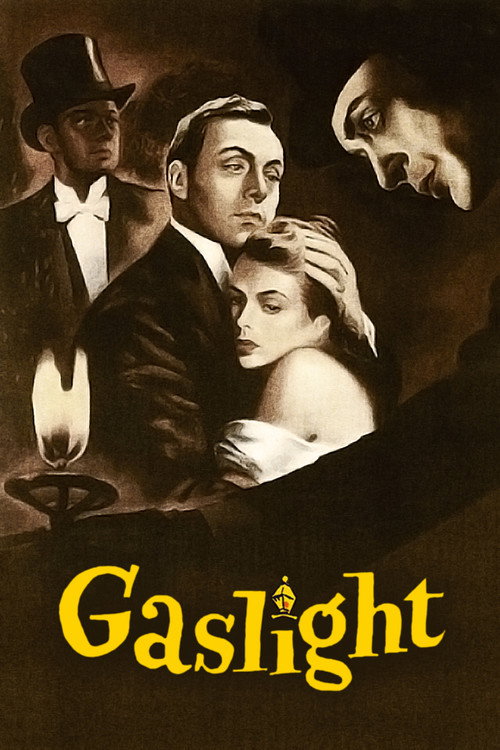
The template for psychological manipulation in cinema: a man systematically makes his wife doubt her own perception of reality. Ingrid Bergman's performance captures the slow erasure of self with devastating clarity.
But Melodramatic by modern standards, and the resolution feels neat in a way that undercuts some of the psychological damage already done.
Suspicion1941
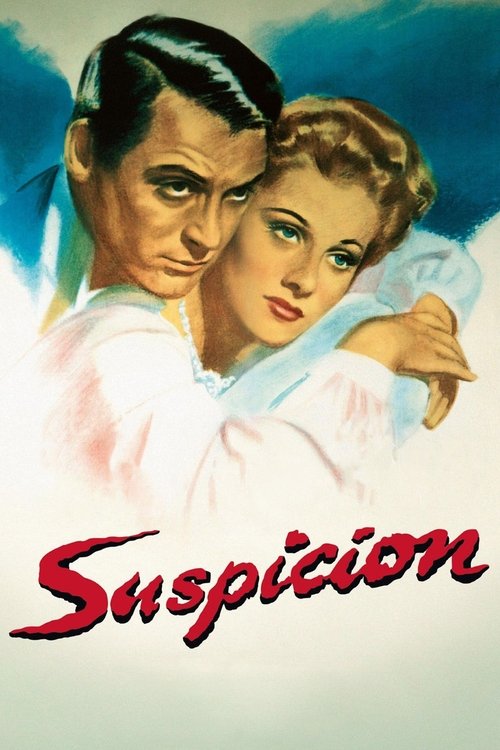
Cary Grant as a charmer his wife grows to fear might be a murderer. Hitchcock's control of doubt and misdirection—making you suspect someone you want to like—is masterful.
But The ending capitulates to studio pressure and undermines much of what came before. Historically interesting but narratively frustrating.
The Spiral Staircase1946
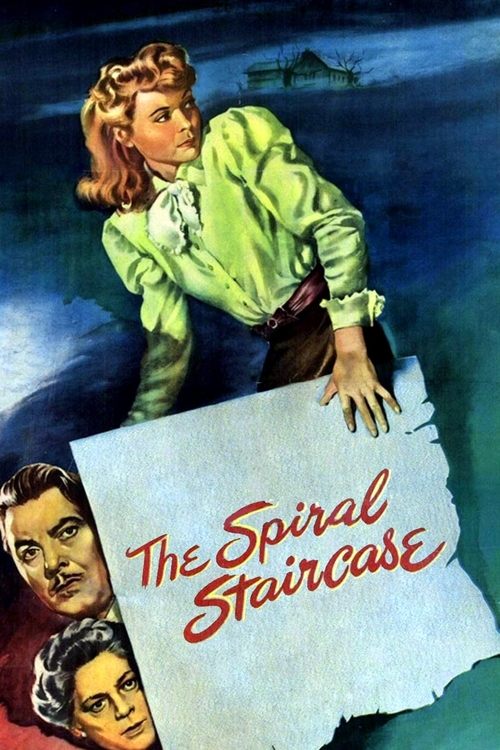
A woman alone in a house with a killer. Taut, visual, minimum dialogue—the threat is almost abstract, which makes it more terrifying than any explanation could be.
But The mute protagonist limits character development, and some of the plot mechanics feel contrived when you think about them afterward.
Not sure tonight? Get a pick in a minute, starting from Cause for Alarm!
The wildcard
Something you would not have found on your own.
The Third Man1949
Both trap their protagonist in a landscape of suspicion where reality becomes unreliable; both use confined spaces (physical or mental) to generate claustrophobia.
Not a paranoia thriller, but a story where every character is uncertain about whom to trust, and the ground itself—postwar Vienna—feels unstable. Same engine of doubt and suspicion, deployed on a grander scale with incomparable style.
But The zither score is divisive, and the film's politics are ambiguous in ways that might read as evasive depending on your patience for that kind of ambiguity.

More like this (8)
In a Lonely Place1950
Bogart as a man suspected of murder; Grahame as the woman who might save or betray him. The paranoia here is mutual and romantic, utterly modern in how it explores trust breaking down.
But Noir conventions mean plot takes a backseat to mood and character, which won't satisfy anyone wanting a tidy mystery.

The Asphalt Jungle1950
Huston's heist procedural set the template for every caper that followed. Methodical, intelligent, interested in how ordinary criminals think and plan.
But The heist is only the skeleton; the film sprawls into several character arcs, and some viewers will find it unfocused.

Kiss of Death1947
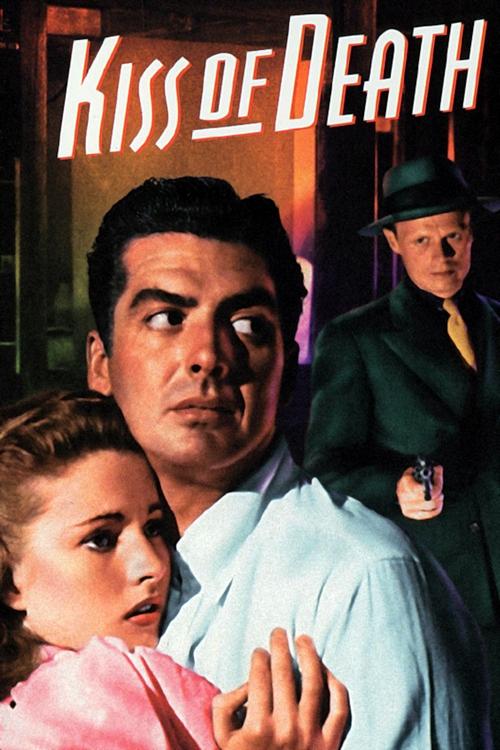
Richard Widmark as a sociopathic killer so terrifying he nearly derails the whole film just by showing up. Brutal, modern, and Victor Mature does interesting work as the conflicted protagonist.
But The tonal shifts between noir and social drama don't always land, and the ending feels like it's from a different movie.
The Killers1946
Siodmak's precise direction and a Hemingway source material create a lean, fatalistic story about a man waiting for the men coming to kill him. Pure noir architecture.
But The narrative jumps around—Siodmak's visual storytelling is clearer than the plot, which can feel scattered on first viewing.

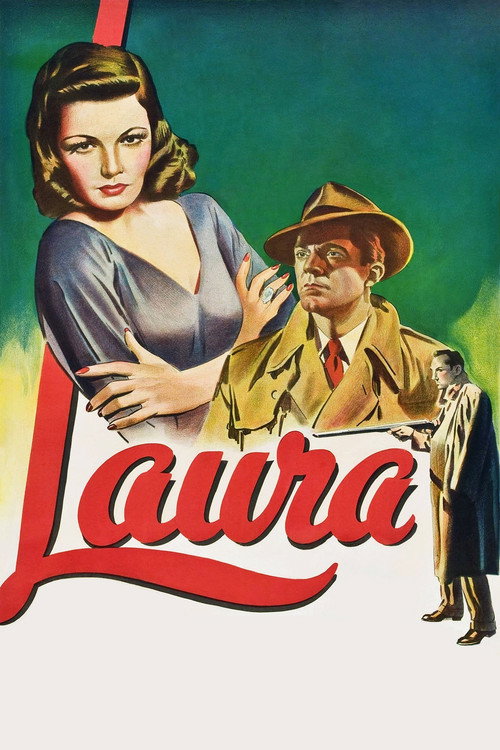
Laura1944
A detective investigating a murder falls in love with the dead woman's portrait. Elegant, sexy, surprising—it redefines what a mystery can be by making the mystery secondary to obsession.
But The twist, while clever, can feel like a cheat if you're not charmed by the film's overall elegance and style.
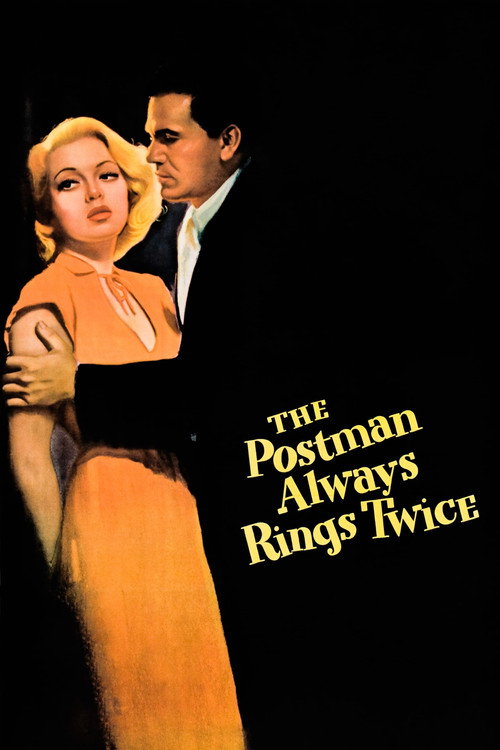
The Postman Always Rings Twice1946
Lana Turner and John Garfield in a sweaty, desperate crime story about ordinary people who decide to murder. Tess of the d'Urbervilles meets pulp—surprisingly thoughtful about complicity and desire.
But The sexual tension reads as dated now, and the moralism of the ending will feel preachy to anyone who came for the lurid setup.
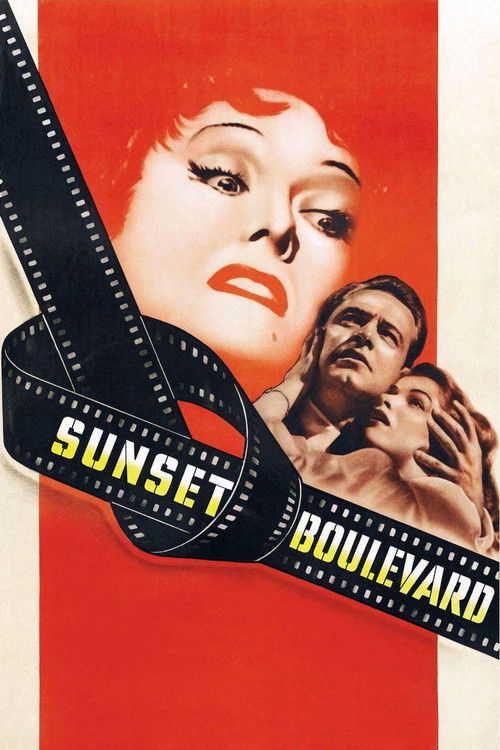
Sunset Boulevard1950
Both ask: if someone believes something badly enough, does the truth matter? Both pit the unreliable narrator against a world that may or may not validate their fear.
A screenwriter falls into the orbit of a faded silent film star who may or may not be a monster. It shares Cause for Alarm!'s interest in delusion and the blurring of victimhood and culpability—but it's in color, widescreen, and operatic.
But Wilder's cynicism about Hollywood can feel heavy-handed, and the film's darkness is unrelenting in a way that exhausts some viewers.
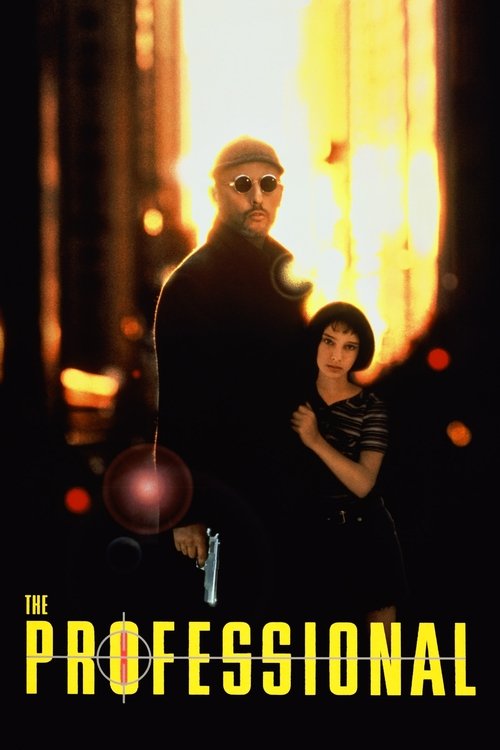
Léon: The Professional1994
Both compress maximum psychological pressure into a small runtime; both understand that isolation and pursuit are interchangeable states of mind.
A hitman and a 12-year-old orphan form an unlikely bond while corrupt cops close in. Yes, it's from 1994, but it's a paranoia thriller at heart—everyone's hunting, everyone's hunted, trust is survival. The tautness of Cause for Alarm! applied to a chase narrative with genuinely modern violence.
But Besson's visual style overwhelms plot; some find the child's sexuality uncomfortable; it's structurally simpler than its reputation suggests.
People
Cast
 Loretta YoungEllen Jones
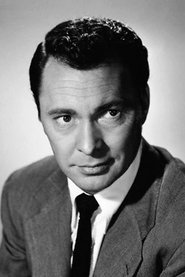 Barry SullivanGeorge Z. Jones
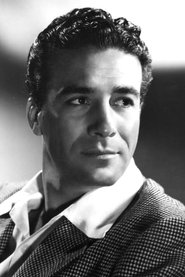 Bruce CowlingDr. Ranney Grahame
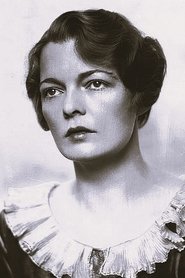 Margalo GillmoreMrs. Edwards
 Brad MorrowHoppy / Billy
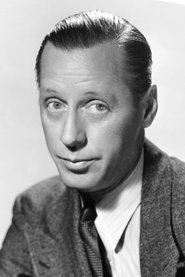 Irving BaconMr. Carston, Postman
 Georgia BackusMrs. Warren
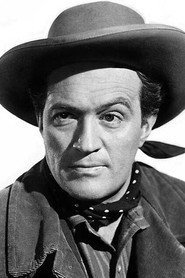 Don HaggertyMr. Russell
 Art BakerSuperintendent
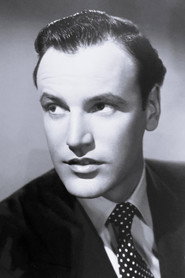 Richard AndersonLonesome Sailor
- Jack DaleyElderly Man
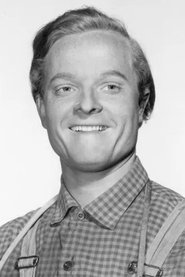
Directing
- Jack GreenwoodAssistant Director
- Tay GarnettDirector
Writing
- Mel DinelliScreenplay
- Tom LewisScreenplay
- Lawrence B. MarcusStory
Production
- Tom LewisProducer