
Film
Unlawful Entry
A home-invasion thriller that pivots into psychological terror when the helpful cop who responds to the Carrs' robbery becomes dangerously obsessed with the wife. It's a '90s anxiety machine: paranoid, propulsive, and genuinely unsettling about how institutional power can mask predatory intent. For anyone who enjoys watching normalcy corrode under pressure.
Should you watch it?
Watch it if you enjoy slow-building home-invasion dread where the menace grows out of politeness and a neighbourly favour, and you would rather be unsettled by a character than jolted by a set piece.
Skip it if you need a lean, fast-moving thriller, since this one takes its time easing into the couple's domestic life before the pressure builds.
What it asks of you: A brisk 112 minutes, mostly quiet rooms and unhurried conversation, with dread built through small details you have to keep watching rather than big set pieces.
Not sure? Find tonight's pick in a minute.
If you liked this
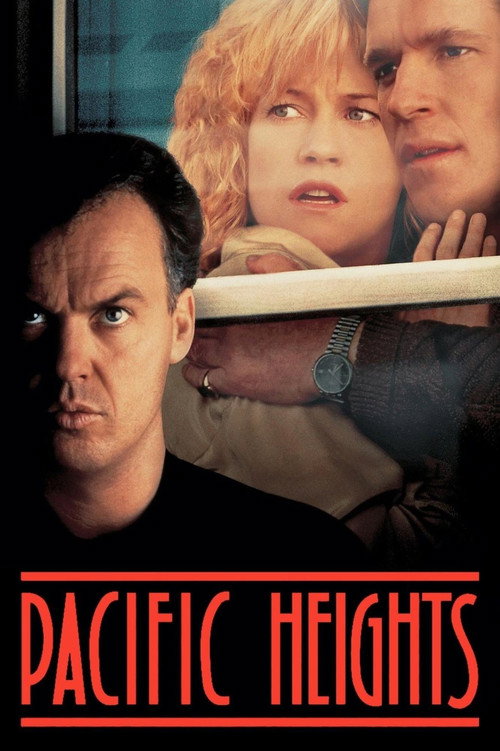
Pacific Heights1990
Michael Keaton as a tenant-from-hell weaponizes property law to destroy a young couple. Same era, same DNA—a nightmare that metastasizes from a single wrong decision, with an antagonist who is terrifyingly, bureaucratically patient.
But The pacing sags in the middle. Some of the legal maneuvering feels dated and occasionally unintentionally funny.
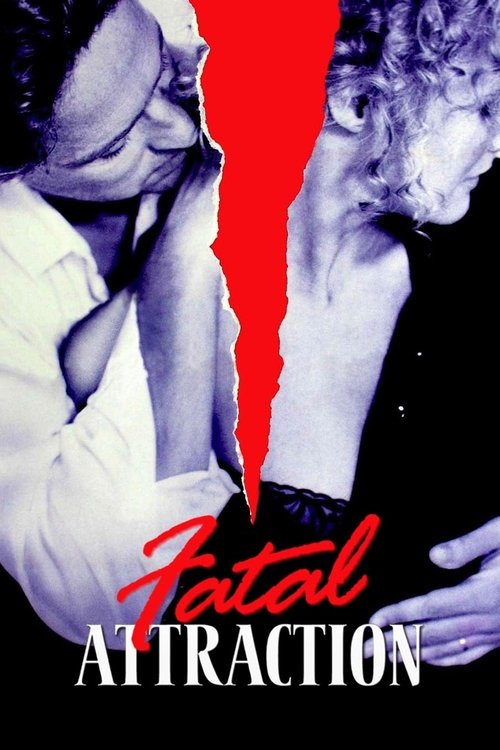
Fatal Attraction1987
Glenn Close's Alex Forrest rewrites the rules for psychological thrillers by making the obsessed party impossible to dismiss. Relentless, gorgeously shot, and it understands that the real terror is losing control of your own life.
But The film's stance on its female villain has aged into something complicated. Some scenes feel lurid rather than frightening.
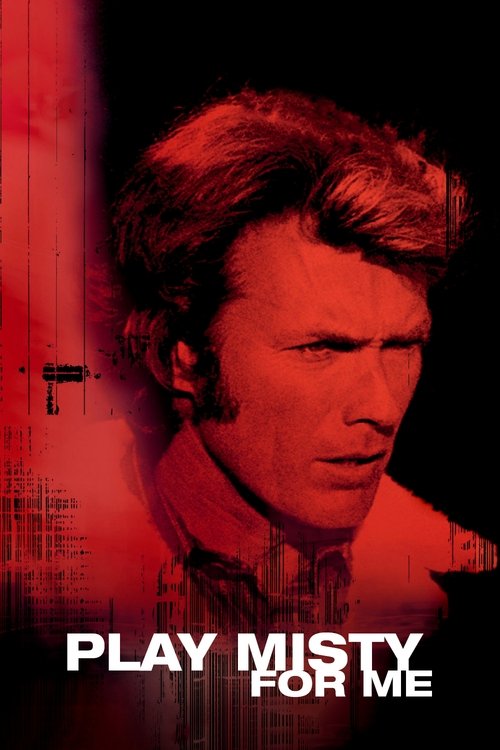
Play Misty for Me1971
Clint Eastwood's directorial debut about a radio DJ stalked by an unhinged caller. The first modern obsession thriller, lean and smart, where danger creeps in quietly before it explodes. Jessica Walter is magnetic and terrifying.
But It's deliberately slow-burn. The opening twenty minutes are almost languid, and some viewers find the pacing slack until the third act ignites.
Not sure tonight? Get a pick in a minute, starting from Unlawful Entry
The wildcard
Something you would not have found on your own.
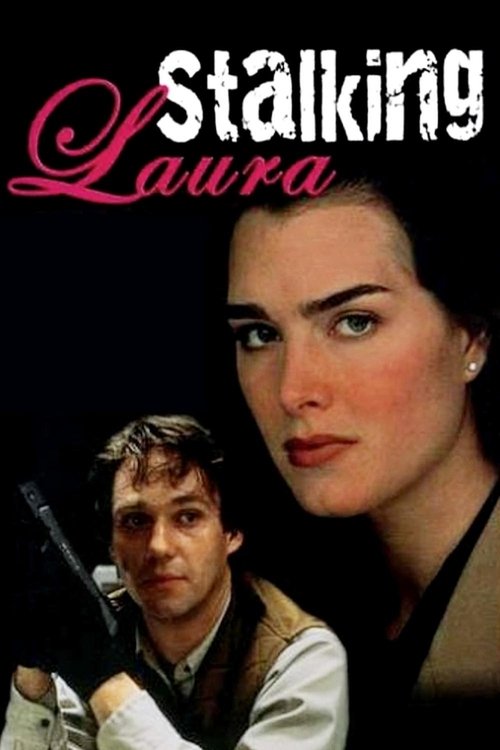
I Can Make You Love Me1993
Both are about how protection systems fail, and how a woman's reasonable trust in authority becomes the vector for danger. Both were made in the same moment when this fear was crystallizing in American cinema.
A TV movie made for CBS, which sounds marginal until you realize it's a genuinely thoughtful look at obsession and institutional failure. Penny Marshall directs and stars—her everyman competence makes the creep-factor land harder.
But It moves at a TV-movie pace, which means slower and with more airtime-padding than a theatrical thriller. The resolution is smaller and less climactic than genre fans expect.
More like this (8)
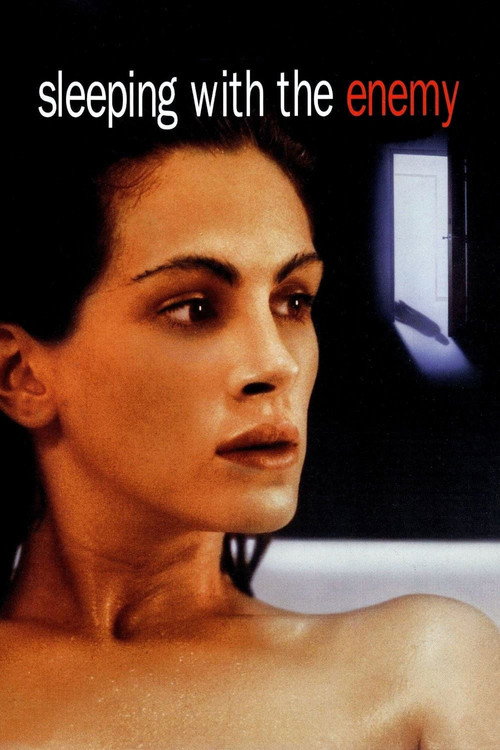
Sleeping with the Enemy1991
Julia Roberts on the run from an abusive husband who won't accept the marriage is over. Taut and satisfying, with real stakes—this is about survival, not seduction games, and it never lets you forget the danger.
But The third act becomes more conventional thriller than the nuanced portrait of control in the first half. The tone shifts in ways that feel slightly manipulative.
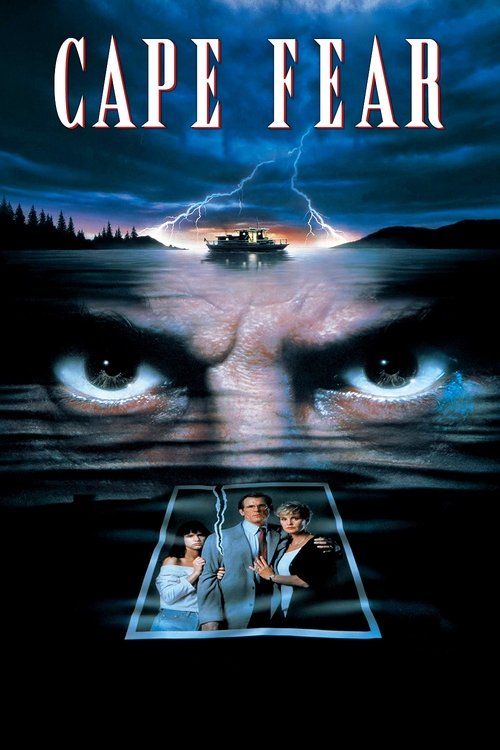
Cape Fear1991
Scorsese's remake is baroque and operatic—Robert De Niro's Max Cady is pure malevolence with a law degree. The film understands that the real horror is that he's intelligent, patient, and the law keeps failing his victims.
But It's aggressively violent and sexual in ways that can feel like overkill. Some find Scorsese's style drowns out the actual suspense.
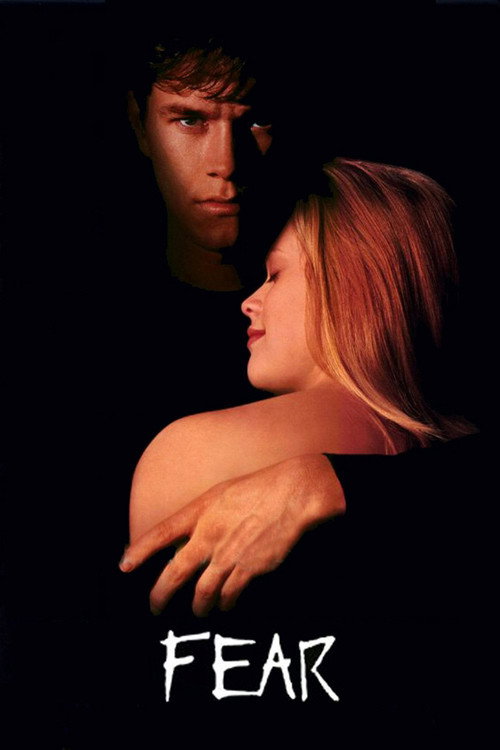
Fear1996
Mark Wahlberg as a boyfriend who insinuates himself into a family through charm before revealing himself as a calculating abuser. Genuinely disturbing about how abusers operate—the erosion of boundaries, the isolation tactics, the weaponized love.
But The tonal shifts are severe. It moves from thriller to home-invasion action film, which diffuses some of the psychological dread that made it work.
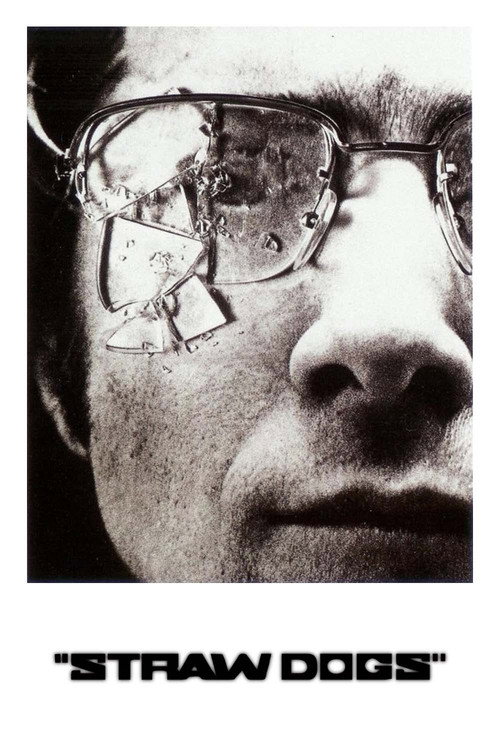
Straw Dogs1971
Peckinpah's original is a masterwork of pressure-cooker tension. A meek mathematician and his wife are besieged in their home by locals. The violence, when it comes, is shocking and totalized—a complete collapse of civility.
But The sexual violence is genuinely ugly and controversial. The film's moral stance on that violence is still debated, which makes it difficult for many viewers.
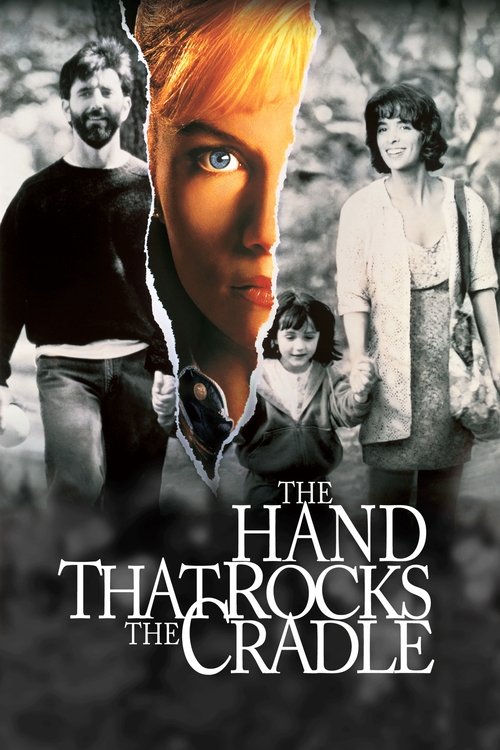
The Hand That Rocks the Cradle1992
Rebecca De Mornay as a nanny bent on revenge disguised as maternal instinct. Specifically of the same moment as Unlawful Entry and just as paranoid. The film trusts that the threat is terrifying without needing gore.
But The plot relies on a few too many convenient revelations. By the end, you're watching mechanics rather than genuine suspense.
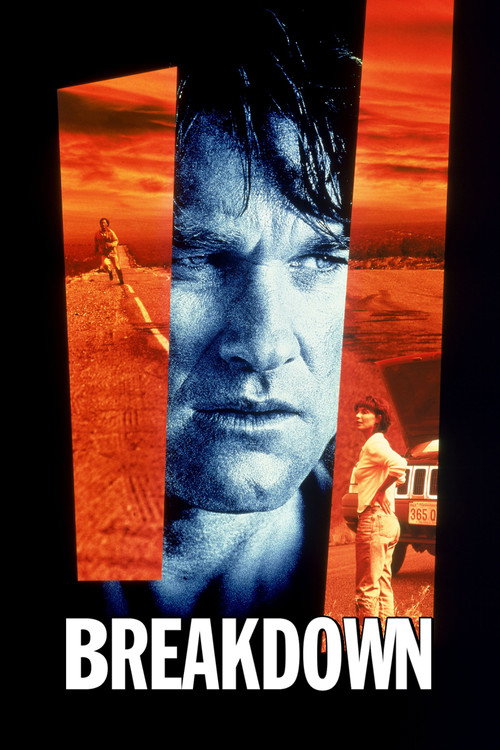
Breakdown1997
Kurt Russell again—alone in the desert with strangers who may or may not be conspiring against him. It's a lean, efficient thriller about helplessness. No wasted moments, high velocity, surprisingly dark.
But The script prioritizes momentum over character. You're along for the ride, but you won't think deeply about anyone in it.
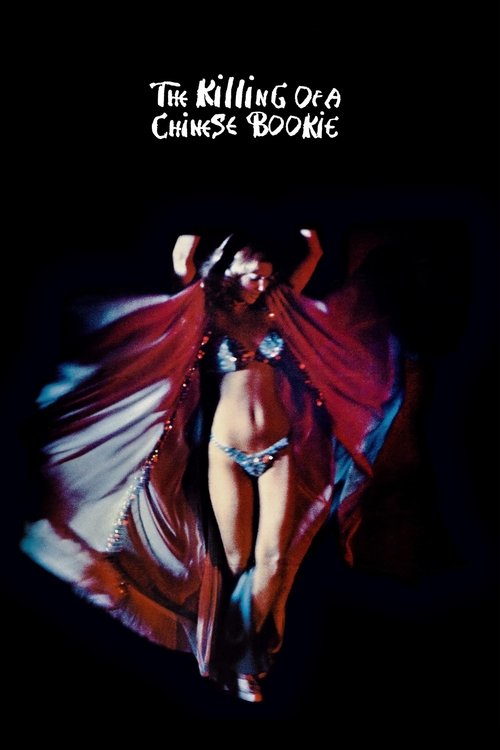
The Killing of a Chinese Bookie1976
Both explore how a single moment of vulnerability or obligation can transform someone's entire world. Both understand that the real terror isn't the dramatic confrontation—it's the slow, inexorable closing of exits.
Cassavetes' film about a nightclub owner coerced by gangsters into a murder. It's oblique, jazzy, shot like a memory—nothing like a conventional thriller. But the paranoia, the entrapment, the way circumstances narrow your choices: identical emotional core.
But It's formally experimental and narratively shapeless by mainstream standards. If you're expecting a plot with clear cause-and-effect, this will frustrate you.
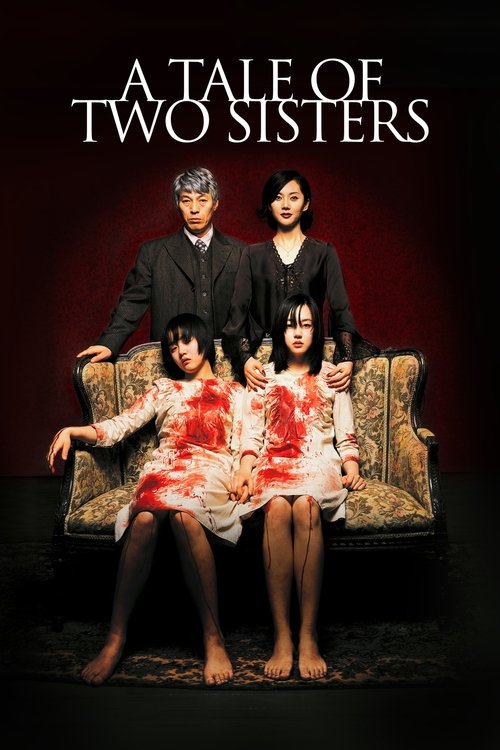
A Tale of Two Sisters2003
Like Unlawful Entry, it's about being trapped in proximity to someone whose nature you misunderstood, and the way that misunderstanding can poison every domestic space. The horror is intimate, not external.
A South Korean horror film that looks like a fairy tale and operates as a psychological haunting. Visually hypnotic, deeply unsettling about family and control, with a twist that makes you rethink everything. Genre and beauty used to devastate.
But It's oblique and poetic, not explicit. If you want clear explanations and direct answers, you'll leave frustrated. It asks you to sit with ambiguity and dread.
People
Cast
 Kurt RussellMichael Carr
 Ray LiottaOfficer Pete Davis
 Madeleine StoweKaren Carr
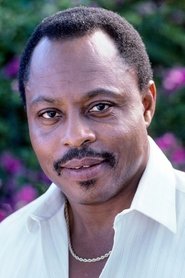 Roger E. MosleyOfficer Roy Cole
 Ken LernerRoger Graham
 Deborah OffnerPenny, Karen's Friend
 Johnny Ray McGheeErnie Pike
 Carmen ArgenzianoJerome Lurie
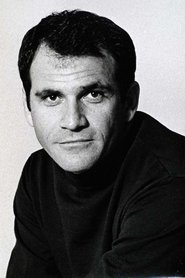 Andy RomanoCaptain Russell Hayes
 Sonny Carl DavisNeighbor Jack
 Sherrie RoseGirl in Jeep
 Lynn Eastman-RossiCandace Lurie
Directing
- Jonathan KaplanDirector
Writing
- Lewis ColickScreenplay
- George PutnamStory
- John KatchmerStory
- Lewis ColickStory
Production
- Sulla HamerAssociate Producer
- Jackie BurchCasting
- Gene LevyLine Producer
- Charles GordonProducer
- Joseph Newton CohenProducer
Recommended by
Sleeping with the Enemy, Cape Fear, The Hand That Rocks the Cradle, The Stepfather, Pacific Heights