
Film
True Confessions
Two brothers—a corrupt detective and an ambitious priest—collide over a murdered prostitute in 1940s Los Angeles. Grosse, morally turbid, and anchored by De Niro and Duvall at their finest, it's a film about how power corrupts differently depending on where you wield it. Not easy to watch, but unforgettable.
If you liked this
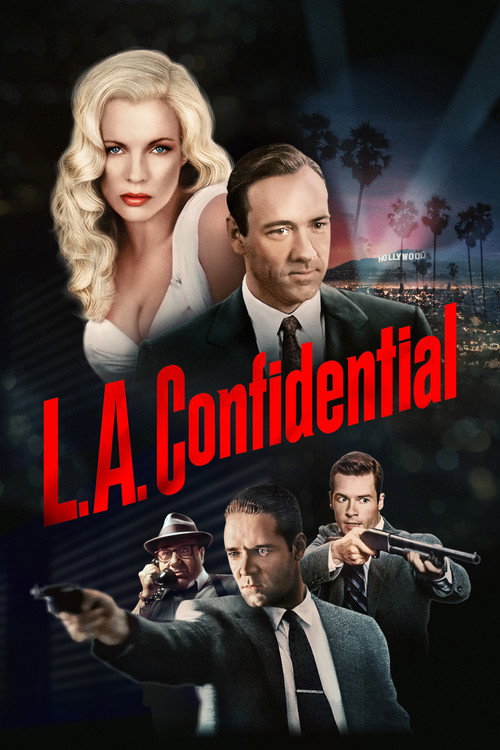
L.A. Confidential1997
A different era of LA corruption, but the same ruthless machinery: cops, sex workers, and the men willing to destroy lives to climb. Brilliantly plotted and morally unsparing.
But It's slicker and more purely entertaining than True Confessions—you might find True Confessions' murk and moral ambiguity harder to sit with after this.
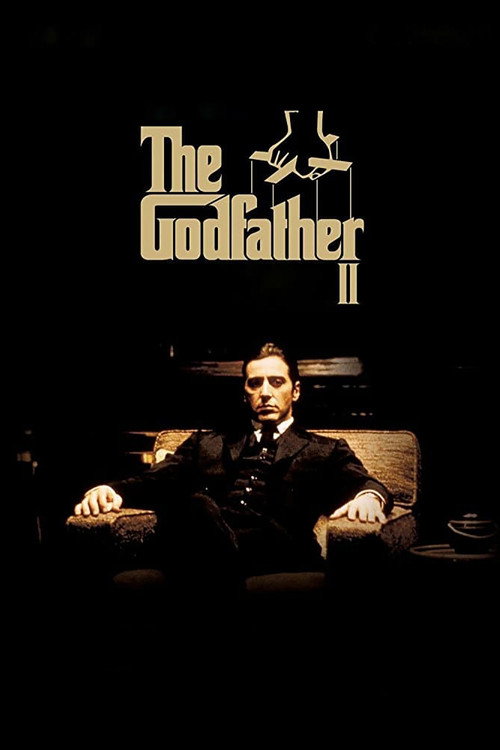
The Godfather Part II1974
Two parallel stories of power and compromise. One brother rises through crime, the other through institutional authority. The architecture of corruption across different kingdoms.
But At over three hours, it demands patience. Some find its scope exhausting rather than illuminating.
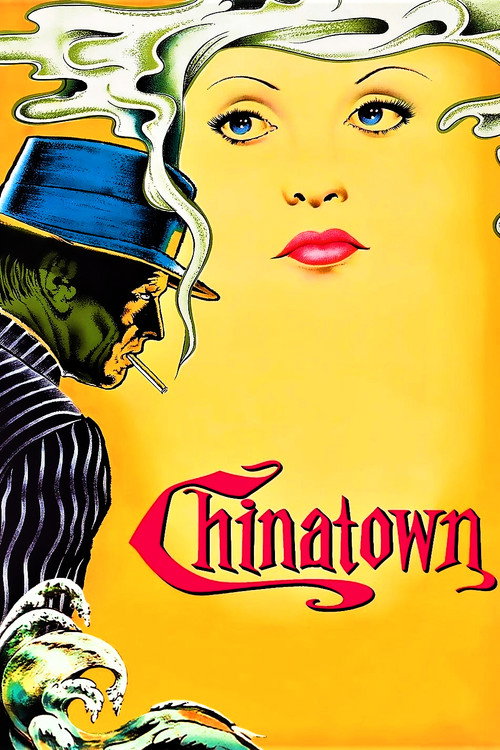
Chinatown1974
LA's ugliest secrets laid bare by a detective who can't stop digging. Same moral poison, same refusal to let anyone off the hook. Perfection in every frame.
But It's so perfectly crafted it can feel cold. Some viewers want more warmth in their noir.
Not sure tonight? Get a pick in a minute, starting from True Confessions
The wildcard
Something you would not have found on your own.
The Seventh Seal1957
Both films are about faith corroded by the world around it—not lost, but twisted into something unrecognizable. The priest in True Confessions is Bergman's priest asked the same questions in the same unforgiving language.
Death plays chess with a knight in medieval Sweden. A priest and a parish actor move through a plague-stricken landscape asking what faith means when everything fails. True Confessions' spiritual dread distilled to pure cinema.
But It's a 1957 Swedish film in black and white moving at its own pace. If you need plot momentum, you will feel like you're drowning.

More like this (8)
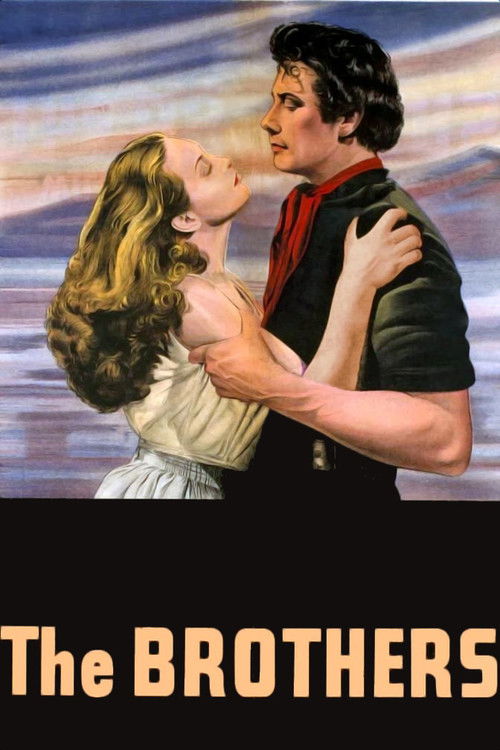
The Brothers1947
Two Scottish brothers, divided by conscience and circumstance, in a story about loyalty versus principle. Older and gentler than True Confessions, but wrestling with the same core tension.
But It's obscure for good reason. The pacing is slow and the emotional register can feel muted.
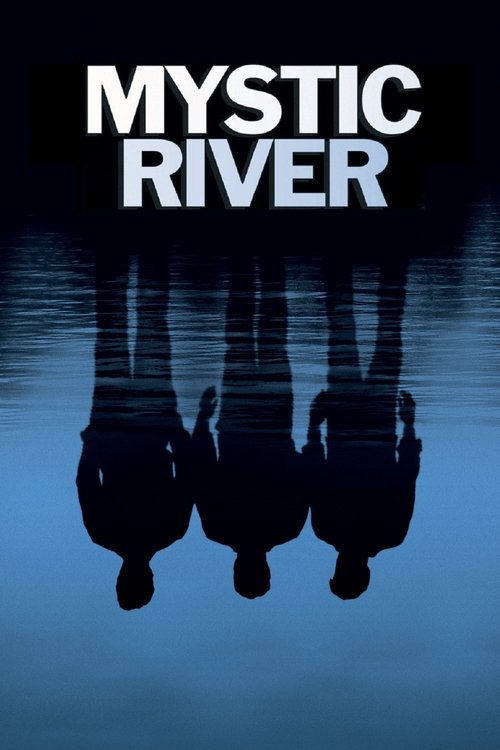
Mystic River2003
Three childhood friends, now adults on different sides of Boston's law, converge on a murder. Duvall is in this too, and it has that same sense of institutions failing people.
But At 138 minutes, it takes its time. Some find the deliberate pacing frustrating rather than hypnotic.
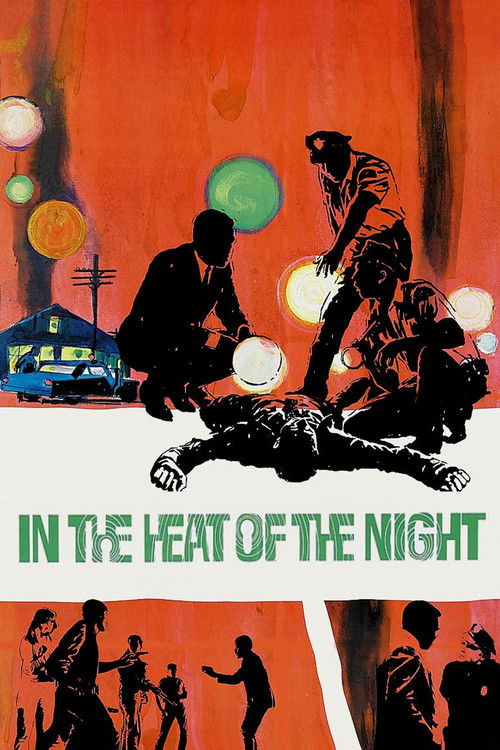
In the Heat of the Night1967
A Black detective and a white Southern sheriff forced to work together on a murder. The moral authority shifts constantly. A masterclass in using genre to examine power and prejudice.
But It's a product of its era in its framing and language, which some find dated and others find important to sit with.
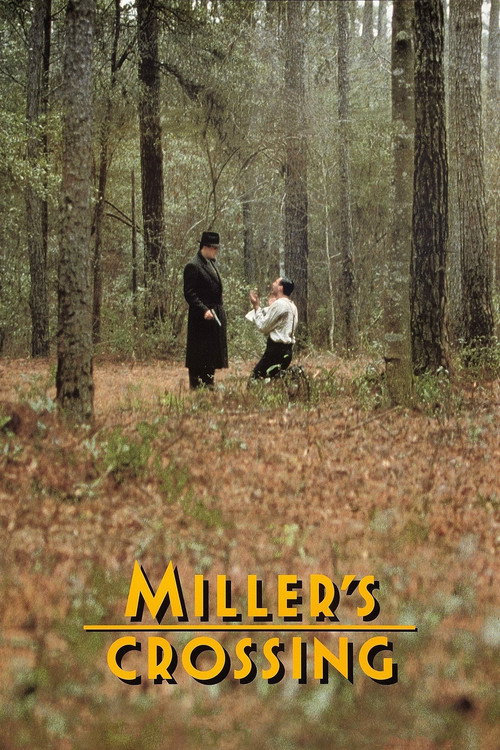
Miller's Crossing1990
Coen Brothers take on 1920s gangster LA. Duvall and De Niro aren't in it, but that baroque, poisoned-well sense of everyone compromised is exactly here.
But It's stylised to the point of artifice. If you want naturalism, this baroque fog will frustrate you.
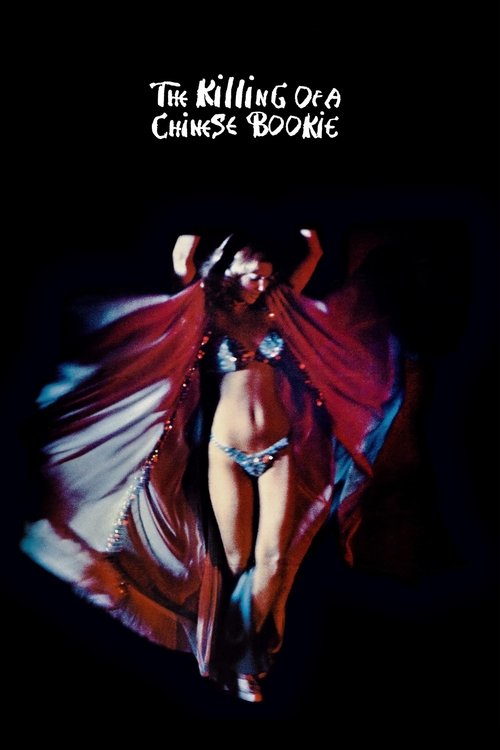
The Killing of a Chinese Bookie1976
Cassavetes' visceral look at a nightclub owner spiralling into debt and murder. Raw, unglamorous, and truly about the weight of moral failure.
But It's 135 minutes of bleakness with almost no relief. The handheld camera work is deliberately ugly.
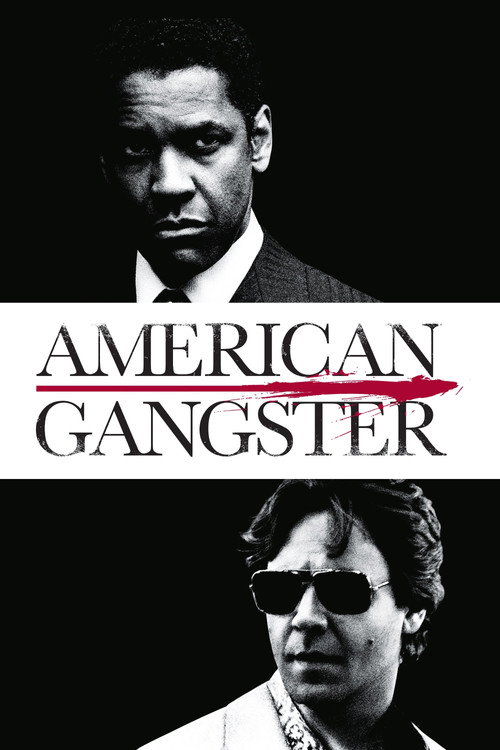
American Gangster2007
Denzel Washington and Russell Crowe as a drug lord and the detective chasing him. That same architecture: two men on opposite sides of a system both are corrupted by.
But It's Ridley Scott operating at half-throttle. Competent but not urgent, and 169 minutes of competence tests your patience.
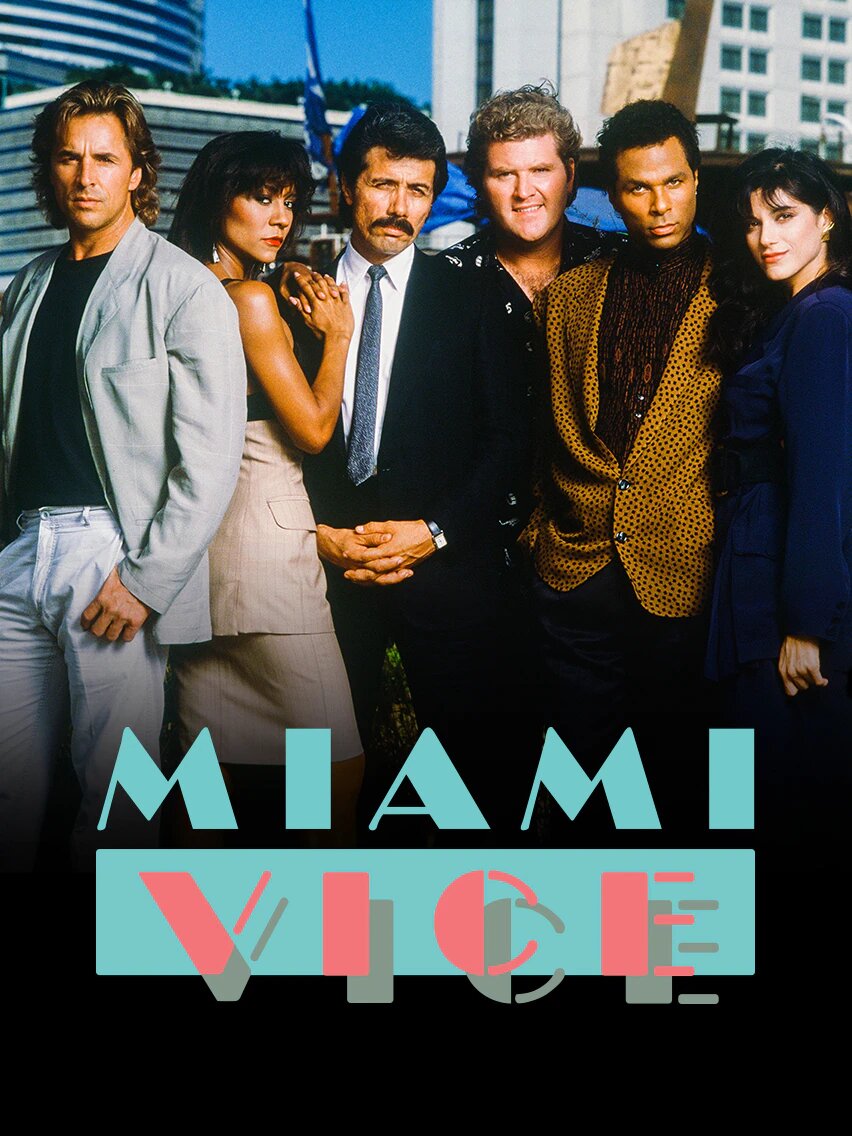
Miami Vice1984
Same DNA: two men on opposite sides of power, the institution that employs them as corrupting as the crime they're fighting. Mann understands the wear on a soul in a way most crime stories don't.
A miniseries (only five episodes) about two undercover detectives in Miami's cocaine trade. Michael Mann directing, the same sense of beautiful corruption, of two men shaped by the world they're trying to police.
But It's very much a 1980s aesthetic—neon, synthesizer score, soft-focus nighttime driving. The look dates it visibly.
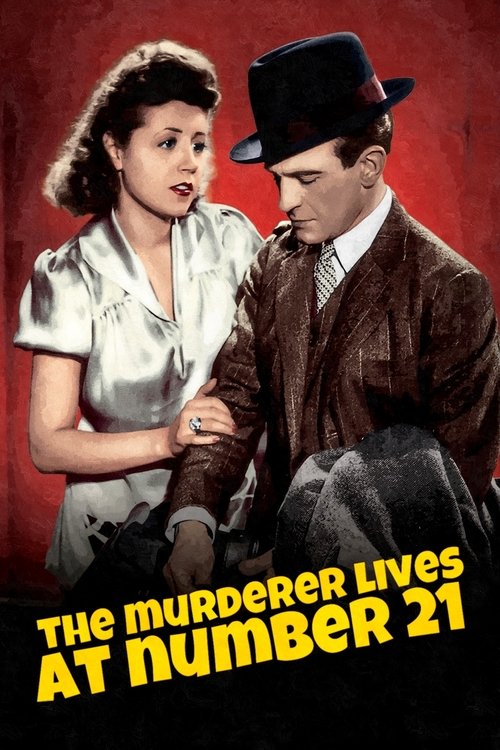
The Murderer Lives at Number 211942
Both films treat the space between brothers (or men who might as well be brothers) as a moral arena. Here it's literally a house. Both films understand that proximity doesn't create understanding.
A 1942 French mystery that disguises itself as a game-like puzzle about a detective and a priest renting rooms in the same boarding house. Playful, precise, and totally alive. A very different key than True Confessions, but the same preoccupation: how well do we know each other when we share a roof?
But It's in French, it's pre-war in sensibility, and it's entirely unconcerned with your investment in plot momentum. The pleasure is in the architecture, not the urgency.
People
Cast
 Robert De NiroFather Des Spellacy
 Robert DuvallDet. Tom Spellacy
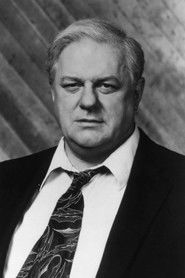 Charles DurningJack Amsterdam
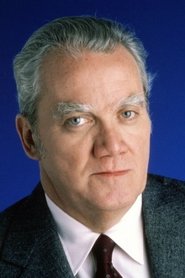 Kenneth McMillanFrank Crotty
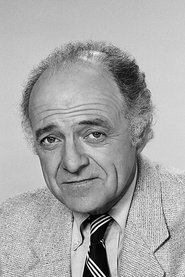 Ed FlandersDan T. Campion
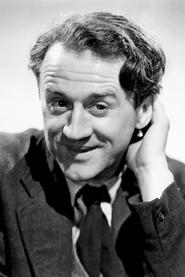 Cyril CusackCardinal Danaher
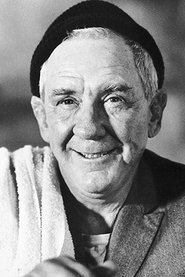 Burgess MeredithMsgr. Seamus Fargo
 Rose GregorioBrenda Samuels
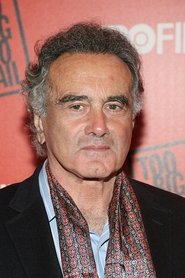 Dan HedayaHoward Terkel
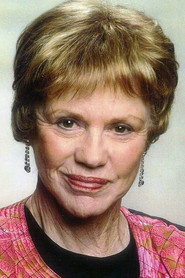 Gwen Van DamMrs. Fazenda
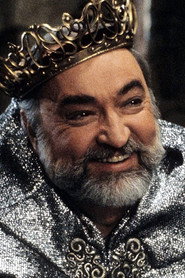 Thomas HillMr. Fazenda
 Jeanette NolanMrs. Spellacy
Directing
- Ulu GrosbardDirector
Writing
- John Gregory DunneNovel
- Joan DidionScreenplay
- John Gregory DunneScreenplay
Production
- James D. BrubakerAssociate Producer
- Irwin WinklerProducer
- Robert ChartoffProducer