
Film
The Murderer Lives at Number 21
A French police commissioner infiltrates a Parisian boarding house to catch a serial killer, only to find himself trapped in a maze of secrets, eccentricities, and false leads. It's a clever, playful mystery that blends dark comedy with genuine suspense—a film that knows when to wink at the audience and when to tighten the screw. Made during the Nazi occupation, it's a small masterpiece of wit under pressure.
If you liked this
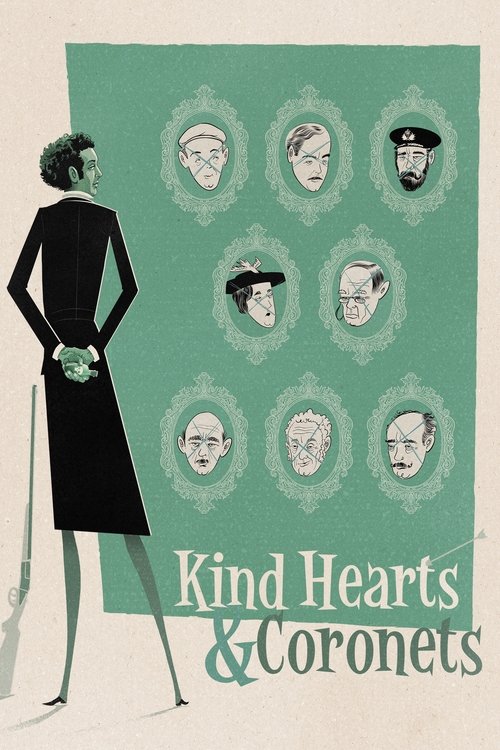
Kind Hearts and Coronets1949
Another postwar European gem about murder and inheritance, with a fractured family and moral chaos. Alec Guinness's multiple roles echo the carnival of personalities you'll meet at Number 21.
But It's British rather than French, and the tone is darker—less playful than the film you're coming from, more mordant.
Rififi1955
Another French noir about crime, deception, and hidden identities. The heist plot is tighter, but the atmosphere—that Parisian underworld feeling—will be familiar and equally gripping.
But Straight crime thriller with no comedy. If you loved the lightness of Murderer, this will feel heavier and less forgiving.

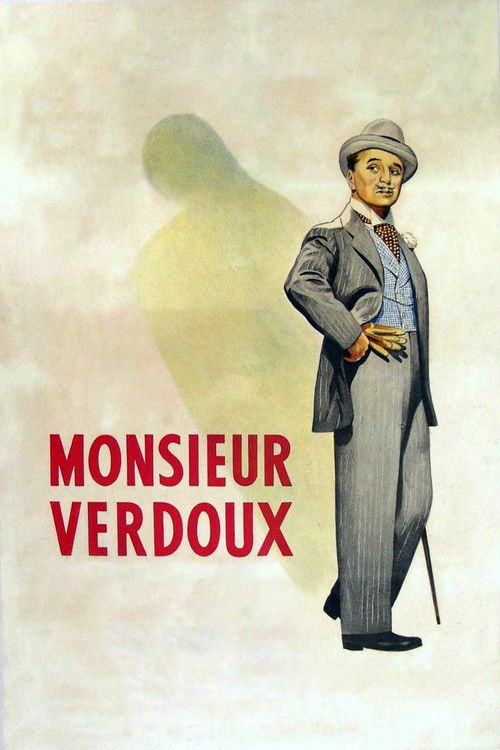
Monsieur Verdoux1947
Chaplin plays a serial killer for dark laughs. It shares the moral ambiguity and genre-blending energy of your film—murder played as dark farce, with a conscience underneath.
But Chaplin's persona dominates; it's much more about his performance than plot. Some find his Charlie Chaplin mannerisms jar with the subject matter.
Not sure tonight? Get a pick in a minute, starting from The Murderer Lives at Number 21
The wildcard
Something you would not have found on your own.
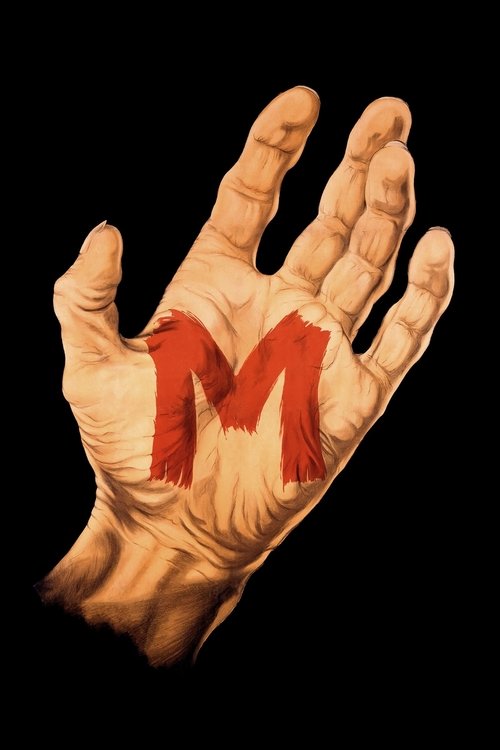
M1931
Both are masterpieces of social thriller made under political threat, using the hunt for a killer to explore an entire society. Both find dark comedy in the machinery of investigation. Both trust the audience's intelligence.
Fritz Lang's masterpiece: a city hunted by a child murderer, with a parallel investigation by police and criminals. It's the blueprint for everything you're watching—serial killer, urban maze, moral questions about justice. Made in Germany as fascism rose, it shares Murderer's dark intelligence under siege.
But Silent film (with some sound), black and white, German Expressionism. The pacing is deliberate; modern audiences often find it slow. The subject matter—child murder—doesn't offer the lightness Murderer finds in darkness.
More like this (7)
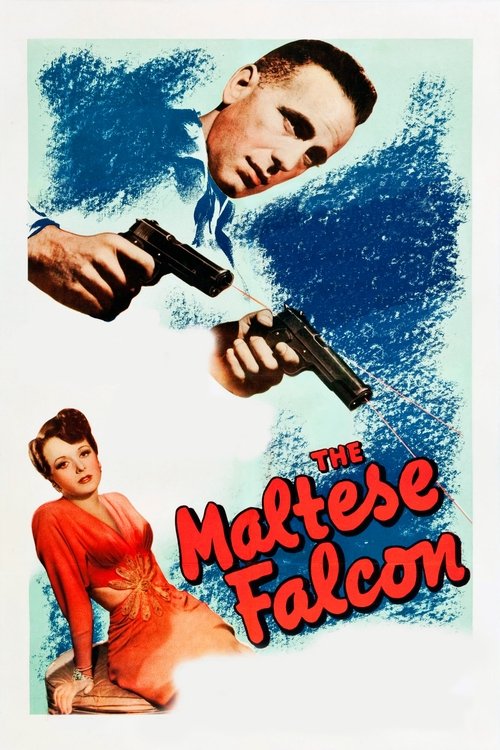
The Maltese Falcon1941
The definitive mystery thriller: sharp dialogue, a web of suspects, nobody quite trustworthy. Bogart navigates chaos with style. It has the intelligence and snap of Murderer, though in American not French dress.
But More cynical and less playful. The mystery is harder to follow on first watch; it doesn't hold your hand the way Murderer does.
Rope1948
Hitchcock's chamber piece about two men hiding a body in a room full of guests. Like Murderer, it's a locked-space puzzle where tension builds from ordinary interactions and hidden knowledge.
But Confined to one room for 80 minutes. Some find the artificiality of the single-take approach more interesting than the plot itself.

The Third Man1949
Vienna, 1949: corruption, black markets, double lives, and a mystery at the heart of everything. A masterpiece of shadow and paranoia, with the same European postwar atmosphere that haunts Murderer.
But It's longer, slower, and far bleaker. The zither score is divisive. Not a comfortable watch—it leaves you unsettled by design.

The Asphalt Jungle1950
A heist film that influenced everything after it. The web of characters, the intricate plotting, the sense that everyone's hiding something—it has the same architectural elegance as your film.
But American, not French. Longer and more deliberate. The heist genre may feel less inventive if you've seen its many successors.

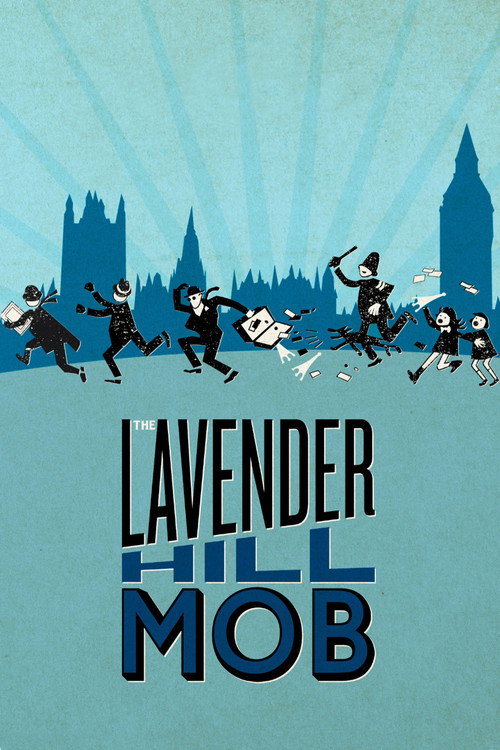
The Lavender Hill Mob1951
A cheerful heist comedy about ordinary people planning gold bullion theft. British humor, lighter tone, and an ensemble cast working against each other—close in spirit to what Murderer does so well.
But The actual execution of the plot is less clever than the setup. It sags a bit in the middle before recovering for the finale.
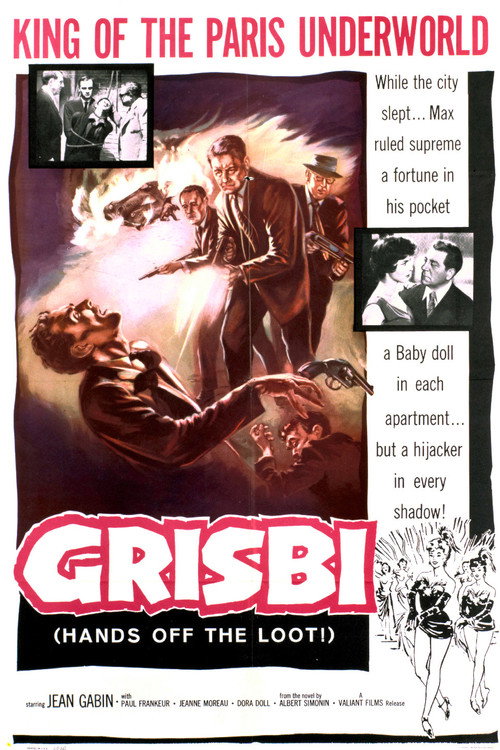
Touchez Pas au Grisbi1954
Both are French films about men trapped by circumstance in Paris, where the city itself becomes a character. Both understand that in noir, the past always catches up. Murderer is playful; this is its tragic mirror.
An aging gangster tries to retire with his heist money in postwar Paris. It's a character study disguised as a crime film—slower, sadder, more about fate than plot. Jean Gabin's weathered weariness is unforgettable.
But Very French cinema of the 1950s: long takes, philosophical melancholy, minimal action. If you want plot momentum, this will feel digressive and glacial.
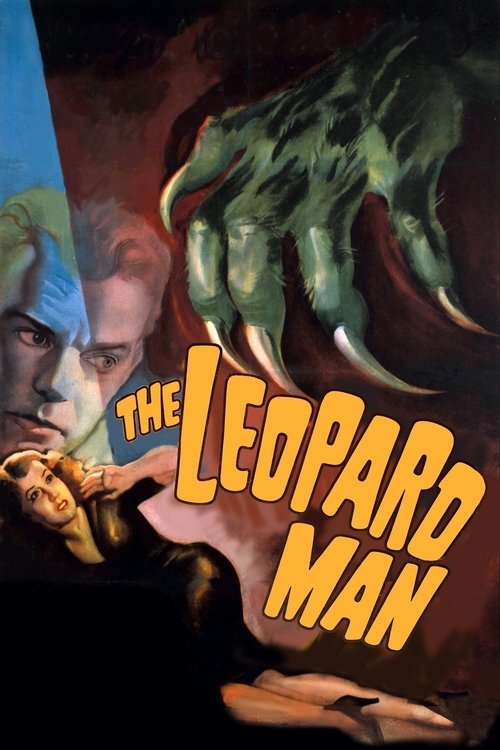
The Leopard Man1943
Both are 1940s films that blend mystery with something stranger and more unsettling than the plot alone should allow. Both prove that a tight runtime and limited budget can sharpen rather than dull a premise. Both have that wartime European atmosphere even when made elsewhere.
A B-movie thriller: a leopard escapes at a circus, and murders start. It's much cheaper and wilder than Murderer—pulpier, sexier, more genuinely eerie. Val Lewton knew how to build dread on a shoestring.
But The logic is thinner; it's more interested in mood than sense. Black and white 1940s Hollywood B-picture aesthetics—some find it cheap-looking rather than atmospheric.
People
Cast
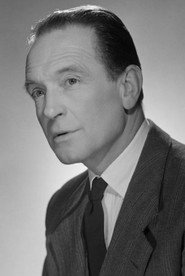 Pierre FresnayCommissaire Wens
 Suzy DelairMila Malou
 Jean TissierTriquet
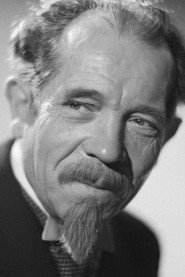 Pierre LarqueyMr. Colin
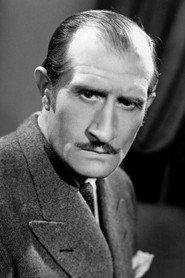 Noël RoquevertDr. Linz
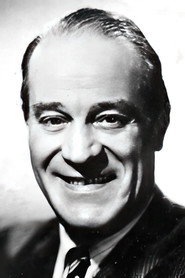 René GéninAlfred
- Jean DespeauxKid Robert
- Marc NatolArmand
 Huguette VivierNurse Vania
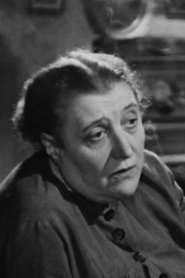 Odette TalazacMadame Point
- MaximilienneMiss Cuq
- Sylvette SaugéChristiane
Directing
- Henri-Georges ClouzotDirector
Writing
- Henri-Georges ClouzotAdaptation
- Stanislas-André SteemanAdaptation
- Stanislas-André SteemanNovel
- Henri-Georges ClouzotScreenplay
- Stanislas-André SteemanScreenplay
Production
- Alfred GrevenProducer