
Film
Natsamrat
- Family drama
- Very dark
- Slow-burning
A Marathi masterpiece about a retired Shakespearean actor confronting the cruelty of aging, family indifference, and the erasure of his life's work. Nana Patekar gives a career-defining performance as a man watching his own irrelevance unfold. It's tender and devastating without sentiment, moving with the weight of lived experience.
If you liked this
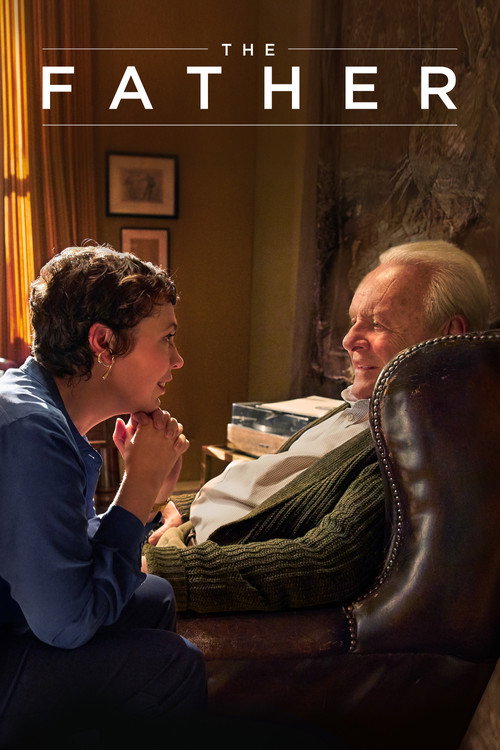
The Father2020
Anthony Hopkins plays a man losing grip on reality and his place in his family's life. Like Natsamrat, it's about the terror of becoming invisible to those closest to you, rendered with unflinching compassion and formal brilliance.
But It's bleak and repetitive by design—the disorientation can feel exhausting rather than enlightening if you're not prepared for relentless psychological unease.
Tokyo Story1953
An elderly couple visits their children and confronts the distance between generations, love that cannot quite bridge the gap, and acceptance of diminishment. The quiet devastation feels inevitable, never manipulative.
But Ozu's elliptical pacing and refusal of dramatic climax will feel like nothing happens if you're expecting plot. Some find it glacial; others find it sacred.

The Farewell2019
Lulu Wang explores aging and family obligation across cultures, asking what we owe each other and what gets lost in translation. It has warmth where Natsamrat has ash, but the same core wound about invisibility and time.
But It pivots toward humor and softness in the final act. If you want your alienation undiluted, this offers reprieve you might resent.

Not sure tonight? Get a pick in a minute, starting from Natsamrat
The wildcard
Something you would not have found on your own.
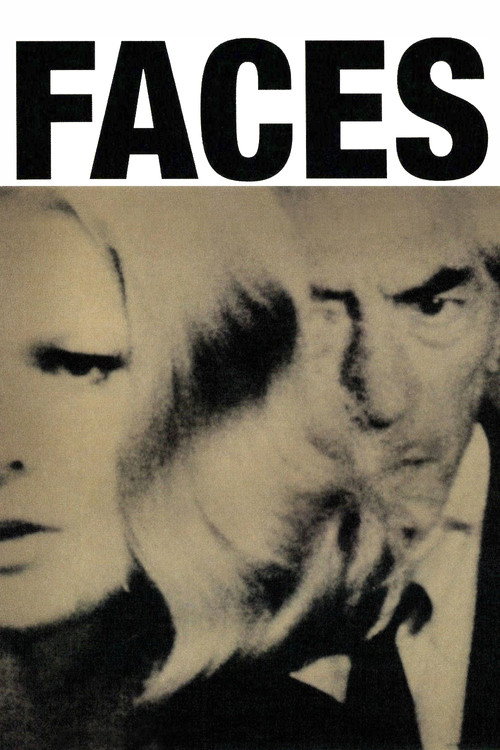
Faces1968
Both films treat aging and marital/familial alienation as philosophical subjects rather than narrative problems. Both place camera on faces for impossible lengths of time, trusting performance over plot.
John Cassavetes shot this in a Manhattan apartment with non-professional actors improvising scenes of middle-aged infidelity and dissolution. It has the same raw, unflinching eye for human failure and time's damage—but it's American, modern, and shot in grainy video that predates cinema verité.
But It's a four-hour experiment in spontaneity that often feels shapeless. Many sequences repeat with minor variations, and the emotional catharsis never arrives—some experience that as honest, others as indulgent.
More like this (8)
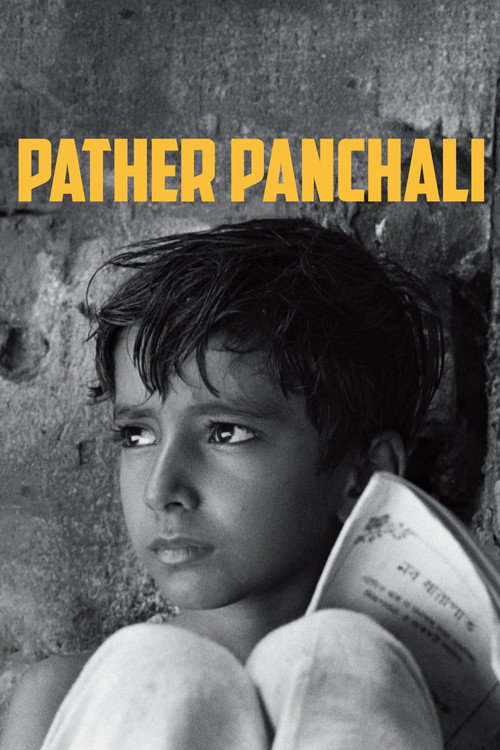
Pather Panchali1955
Satyajit Ray's debut observes a poor family with such specificity and tenderness that every moment becomes eternal. The grandmother character carries similar quiet dignity in the face of irrelevance—cinema as lived experience rather than story.
But Shot in 1950s Bengal with non-professional actors, it moves at its own meditative pace. Contemporary viewers often find it slow; that slowness is the entire point.
Another Round2020
Four middle-aged men test a theory about living better through constant low-level intoxication. It becomes a meditation on aging, purpose, and the gap between who you were and who you've become—funnier than Natsamrat but just as melancholic.
But The tonal shifts from comedy to genuine darkness can feel uneven if you're not expecting them. Some sequences feel like a different film.

Amarcord1973
Fellini's memory-film captures a community across seasons, layered with nostalgia, desire, and the peculiar tragedy of lives that matter enormously to those living them and nothing to the world. Baroque but deeply human.
But It's a film about remembering rather than a film with a plot. The aesthetic excess and lack of narrative throughline frustrate viewers wanting a clear story arc.
Poetry2010
An elderly woman discovers poetry late in life and finds language for feelings she's never articulated. Lee Chang-dong creates an almost unbearably tender portrait of awakening consciousness in old age, set against real moral ambiguity.
But It's glacial and oblique. The narrative feels deliberately under-explained, and the moral questions it raises never resolve—that ambivalence won't satisfy everyone.

About Elly2009
Asghar Farhadi crafts a mystery about complicity and how a group of adults deceive themselves about a tragic accident. It shares Natsamrat's interest in how people rationalize their failures and how truth becomes unbearable.
But The entire film hinges on extended interrogation scenes that are repetitive in structure. If you need momentum, this will feel static and punishing.

Nebraska2013
Bruce Dern plays an aging man convinced he's won a fortune, traveling across America with his son. It's about masculine dignity, delusion, and the love that persists even when respect has curdled—funny and sorrowful at once.
But Shot in black-and-white, paced like a dirge, featuring a protagonist most would write as purely pathetic. The style demands patience and generosity from the viewer.

Still Walking2008
Both center a patriarch haunted by his irrelevance and a family's inability to see him. Both use formal restraint to suggest emotions too large for expression.
Hirokazu Kore-eda observes a family reunion where grief and resentment simmer beneath politeness. It's Japanese domestic cinema—quiet, observant, devastating—examining how families become strangers to each other and how the past refuses burial.
But Almost nothing happens. It's a film of glances and silences structured like a play. If you need incident or revelation, this will feel like watching nothing.

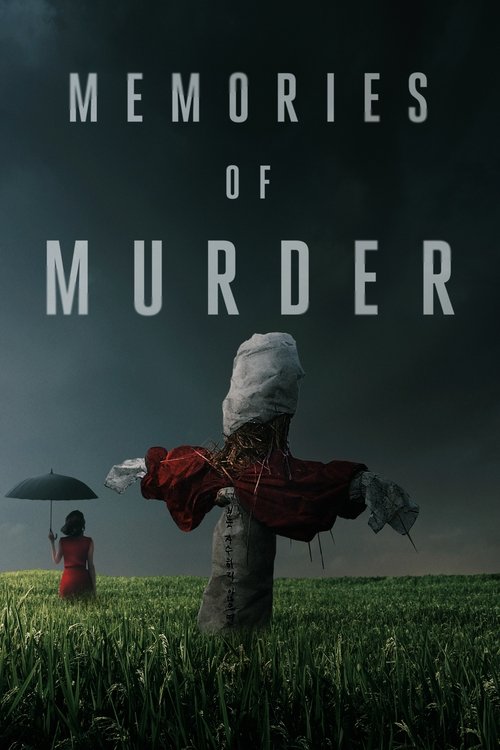
Memories of Murder2003
Both examine men confronting the gap between who they believed they were and the insignificance they discover. Both suggest that dignity is performance and performance is all we have.
Bong Joon-ho's serial-killer procedural is also a portrait of a detective watching his life become unsalvageable—professional failure bleeding into personal powerlessness. It has thriller momentum Natsamrat lacks, but the same moral and existential despair at its core.
But It's violent, sometimes gratuitously so, and structured as genre cinema rather than introspection. The tonal shifts between procedural and philosophical can feel jarring or manipulative.
People
Cast
 Nana PatekarGanpat Ramchandra Belwalkar
 Medha ManjrekarKaveri Ganpat Belwalkar
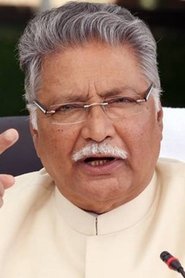 Vikram GokhaleRambhau
 Mrunmayee DeshpandeVidya Ganpat Belwalkar / Vidya Rahul Barve
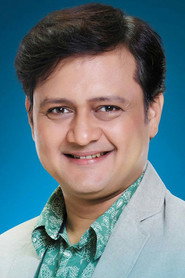 Sunil BarveRahul Barve / Vidya's Husband
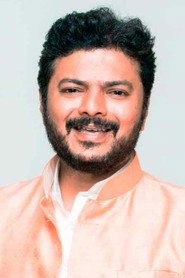 Ajit ParabMakrand Ganpat Belwalkar
 Neha PendseNeha Makrand Belwalkar
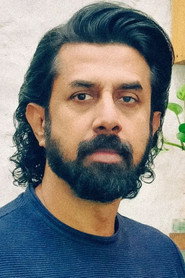 Nilesh DivekarRaja
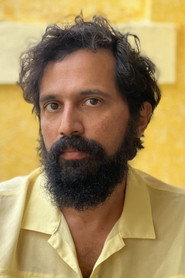 Sarang SathayeSiddharth
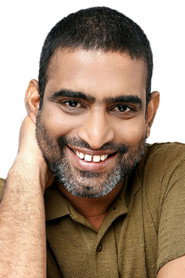 Sandeep Pathak[Drunkard]
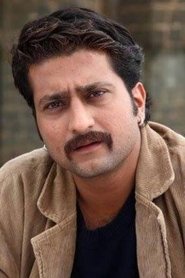 Jitendra JoshiMr. Dixit's Son
- Shridhar LimayeMr. Dixit
Directing
- Satish PadwalAssistant Director
- Mahesh ManjrekarDirector
Writing
- Abhijeet DeshpandeDialogue
- Kiran YadnyopavitDialogue
- Abhijeet DeshpandeScreenplay
- Kiran YadnyopavitScreenplay
- Mahesh ManjrekarScreenplay
- Vishnu Vaman ShirwadkarStory
Production
- Nikhil SaneCo-Producer
- Nishant Roy BombardeExecutive Producer
- Nana PatekarProducer
- Vishwas JoshiProducer