
Film
Stolarna
A Swedish absurdist comedy about an elderly couple preparing chairs for invisible guests to hear an orator's great revelation. Beckett-adjacent in its logic—the waiting, the ritual, the cosmic joke—but warmer and stranger, rooted in physical comedy and domestic chaos. For anyone who loves the uncanny lurking in the mundane.
Should you watch it?
Watch it if you relish the slow mounting absurdity of Ionesco's The Chairs, and you enjoy watching two old people work themselves into a lather over nothing.
Skip it if you want a story with room to develop characters or a plot that builds, since this is slight, stylized and rests almost entirely on its single gag.
What it asks of you: Brief and brisk, it moves at a stage-play rhythm and needs your patience for repetition, since it builds by piling the same frantic movements higher.
Not sure? Find tonight's pick in a minute.
If you liked this
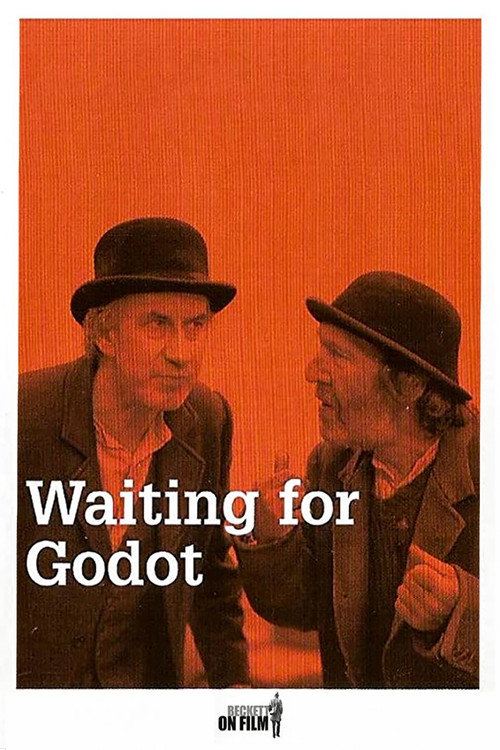
Waiting for Godot2001
The foundational absurdist play about waiting for someone who never comes. Same philosophical DNA as Stolarna—the pointless rituals we perform, meaning we manufacture from nothing, the comic dignity of persistence.
But Deliberately static and repetitive. If you need plot momentum or emotional catharsis, this will feel like watching paint dry (intentionally).
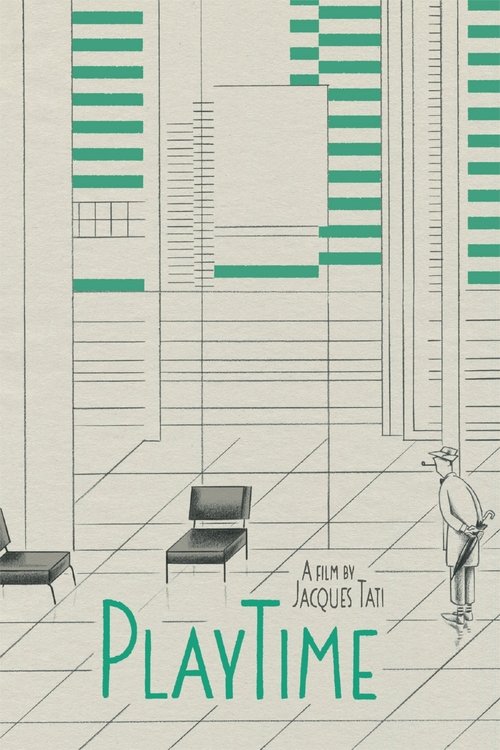
PlayTime1967
Tati's masterpiece: a feature-length visual gag about modern life's absurd rituals and invisible social rules. Humans as automatons following invisible choreography. Pure cinema, barely a plot.
But Extremely long, quiet, and demands patience. The humor is architectural—you have to lean in. Easy to miss or find tedious.
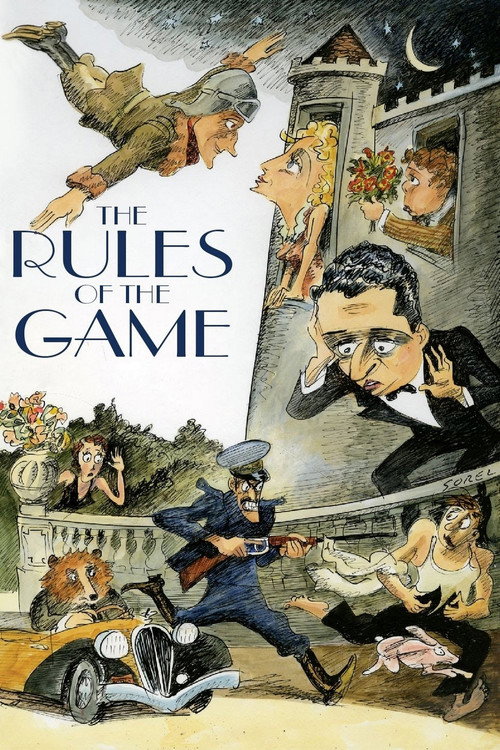
The Rules of the Game1939
Renoir's comedy about social pretense and invisible hierarchies governing human behavior. Characters trapped by etiquette and expectation. The invisible rules are the real subject, like the invisible guests in Stolarna.
But Over three hours. Period French comedy can feel mannered. You have to care about the social dynamics to find it funny rather than slow.
Not sure tonight? Get a pick in a minute, starting from Stolarna
The wildcard
Something you would not have found on your own.
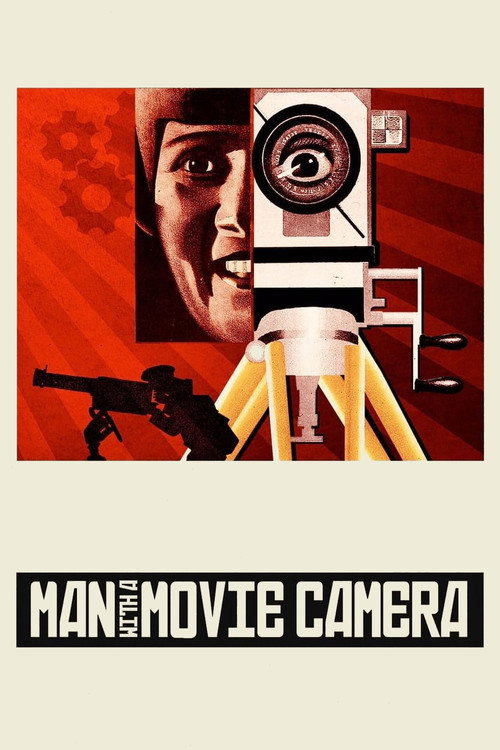
Man with a Movie Camera1929
Both films treat the invisible (unspoken social rules, mechanical systems) as the true subject. Both find dark comedy in how humans perform for forces they cannot control.
Vertov's silent Soviet documentary is pure visual poetry about invisible systems organizing modern life: factories, transport, crowds. Like Stolarna, it finds cosmic absurdity in everyday rituals and unseen forces. No narrative, just cinematic revelation.
But Silent, from 1929, deliberately experimental. No plot or characters. Requires active, engaged viewing—you're not being carried by story.
More like this (8)
Come and See1985
A Belarus New Wave film about ritual and community on the edge of apocalypse. Surreal, visually stunning, shares Stolarna's sense that normalcy is a fragile performance.
But Profoundly bleak and disturbing. Not remotely a light watch. The tonal whiplash from comedy to horror is severe.

Mulholland Drive2001
Lynch's Los Angeles mystery where reality fractures and invisible forces shape what we see. The viewer becomes the confused guest; narrative expectation becomes the joke.
But Deliberately enigmatic and frustrating by design. Some find it pretentious. Needs multiple viewings to track its logic, and some people resent that demand.

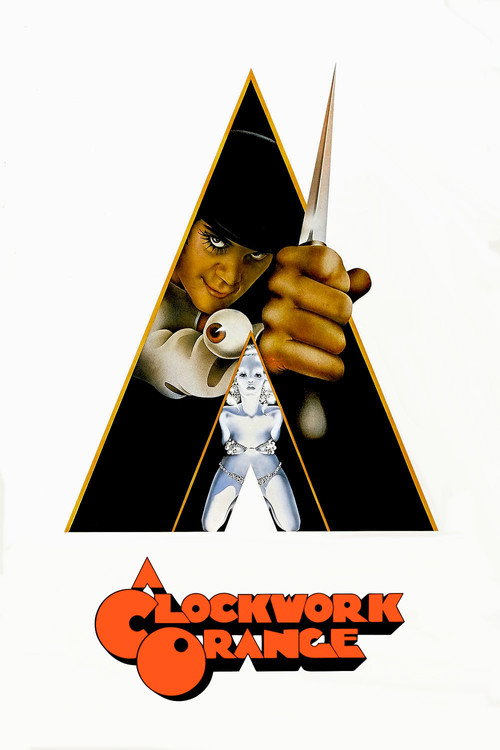
A Clockwork Orange1971
Kubrick's grotesque comedy about ritual, social control, and the performance of civilization. Darkly absurd in its logic. The invisible rules society enforces are the real subject.
But Graphically violent and morally repellent by design. The dark humor won't land if you're squeamish or need the film to take a clear ethical stance.
The Seventh Seal1957
Bergman's knight plays chess with Death while peasants perform passion plays. Ritual and meaning-making in the face of the absurd. Swedish cinema's answer to existential dread.
But Intensely serious and symbolically dense. If you're seeking lightness, this is the opposite direction. Can feel heavy-handed in its symbolism.

Synecdoche, New York2008
Kaufman's labyrinthine meditation on art, scale, and the invisible architecture of consciousness. A filmmaker creating a replica world within a world. Reality as performance.
But Deliberately confusing and emotionally punishing. The narrative collapses by design. Many people find it self-indulgent or simply incomprehensible.

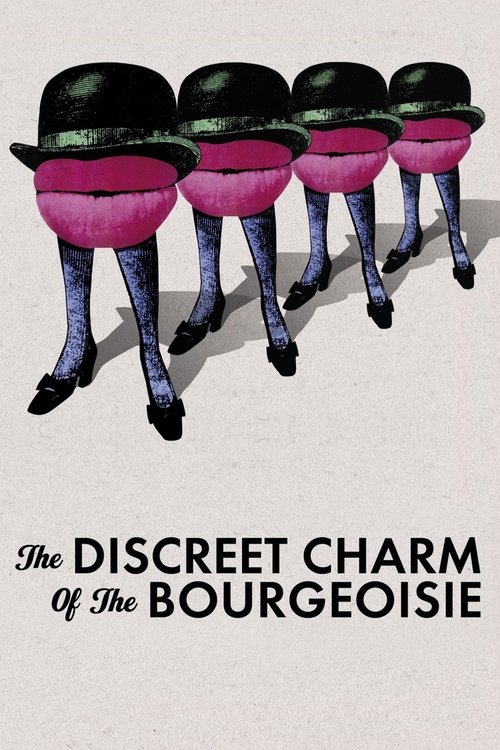
The Discreet Charm of the Bourgeoisie1972
Buñuel's surrealist comedy where people keep trying to have dinner and fail for increasingly absurd reasons. Ritual interrupted, social order breaking down. Visual gags and dark intelligence.
But Surrealist logic means plot coherence dissolves. If you need narrative clarity or character development, you'll find it maddening rather than funny.
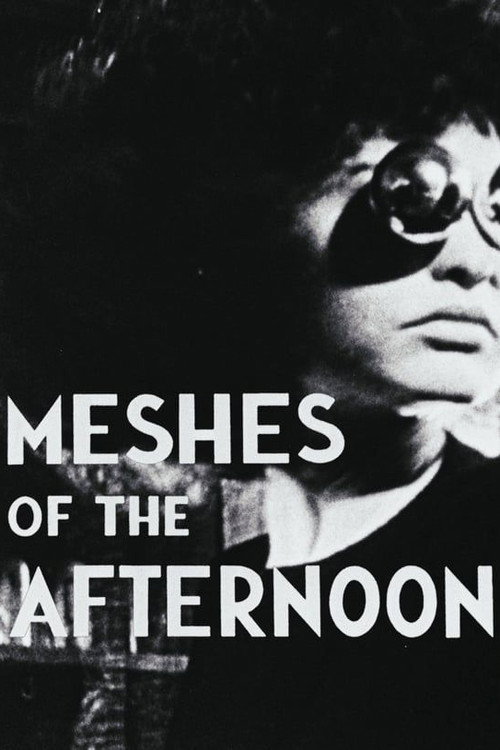
Meshes of the Afternoon1943
Both collapse the distance between the mundane and the uncanny. Both use repetition and domestic space to suggest something cosmic and trapped beneath normalcy.
Maya Deren's 14-minute avant-garde masterpiece: a woman endlessly reenacting the same ritual, trapped in loop and mirror. Chamber piece about repetition, performance, and invisible control. Hypnotic and deeply strange.
But Experimental film language from 1943. Not narrative. Very short but demands intense attention. Some find it pretentious or impenetrable.
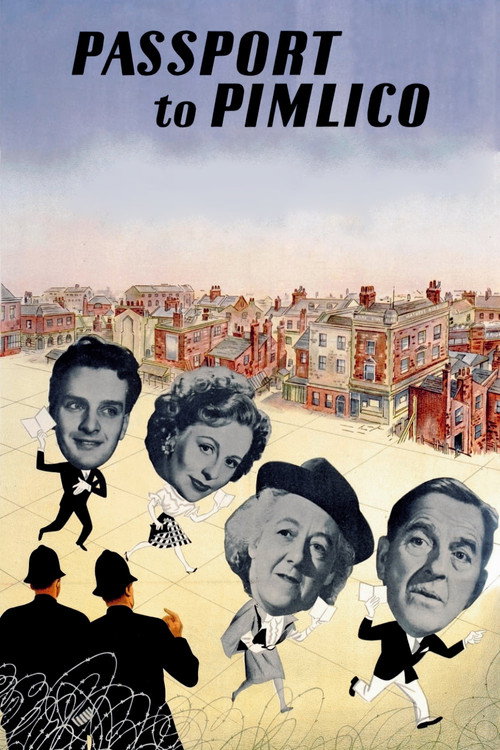
Passport to Pimlico1949
Like Stolarna, it's a brilliant comedy about invisible social structures—but where Stolarna finds darkness, this finds community and kindness. Same structural insight, opposite emotional register.
Ealing comedy where a London neighborhood briefly declares independence from Britain. Absurdist premise played deadpan: invisible lines and invisible rules suddenly matter everything. Warmth and humor amid social chaos. British cinema at its most ingenious.
But Very British, very 1949. If postwar London humor doesn't appeal, the cultural references and tone will feel parochial and slow.
People
Cast
 Halvar BjörkOrator
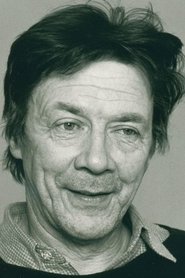 Allan EdwallOld man
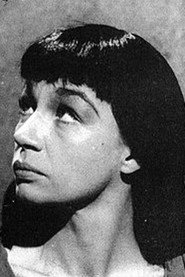 Ulla SjöblomOld woman
Directing
- Yngve NordwallDirector
Writing
- Eugène IonescoStory