Television series
The Abbott and Costello Show
- Comedy
- Light-hearted
- Dip in and out
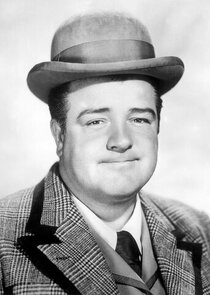
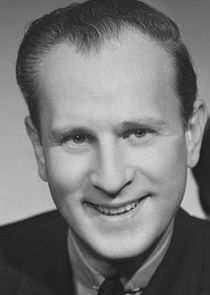
Abbott and Costello at their comedic peak, translating their music-hall genius to television. Half-hour sketches built on wordplay, physical comedy, and the perfect timing of two men who'd spent decades perfecting their craft. Essential viewing for anyone curious how comedy worked before the laugh track became a crutch—and deeply funny if you let it.
Should you watch it?
Watch it if you love old-school verbal comedy built on fast patter, mistaken identities and a bumbling straight man, the kind of timing where a single misunderstood word can carry a whole sketch.
Skip it if you want modern pacing, serialized storylines or characters who change over time, since each half-hour mostly resets and leans on vaudeville-style routines that can feel creaky to newer eyes.
What it asks of you: Half an hour per episode, with the laughs coming from repetition and wordplay rather than plot, so it rewards patience with a familiar setup and close attention to the back-and-forth.
Not sure? Find tonight's pick in a minute.
If you liked this
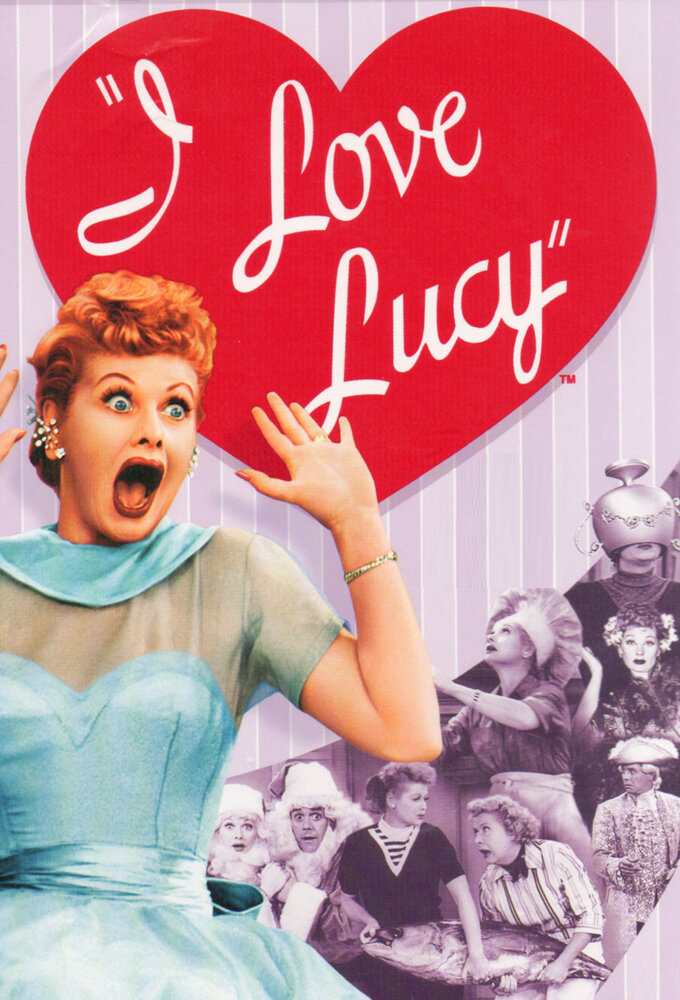
I Love Lucy1951
Lucille Ball's physical comedy operates in the same register as Costello's—absurd, committed, hilarious. She had the same gift for making disaster funny and her show proved slapstick could anchor network television.
But The pacing can feel slow by modern standards, and some of the domestic politics haven't aged particularly well.
Singin' in the Rain1952
Gene Kelly and Donald O'Connor tap into that same vaudeville DNA—comedy built from movement, timing, and the sheer joy of performance. O'Connor's 'Make 'Em Laugh' sequence is Abbott and Costello's energy in dance form.
But It's a musical first and foremost; if you're not invested in the love story, the comedy can feel like it's interrupting the plot.

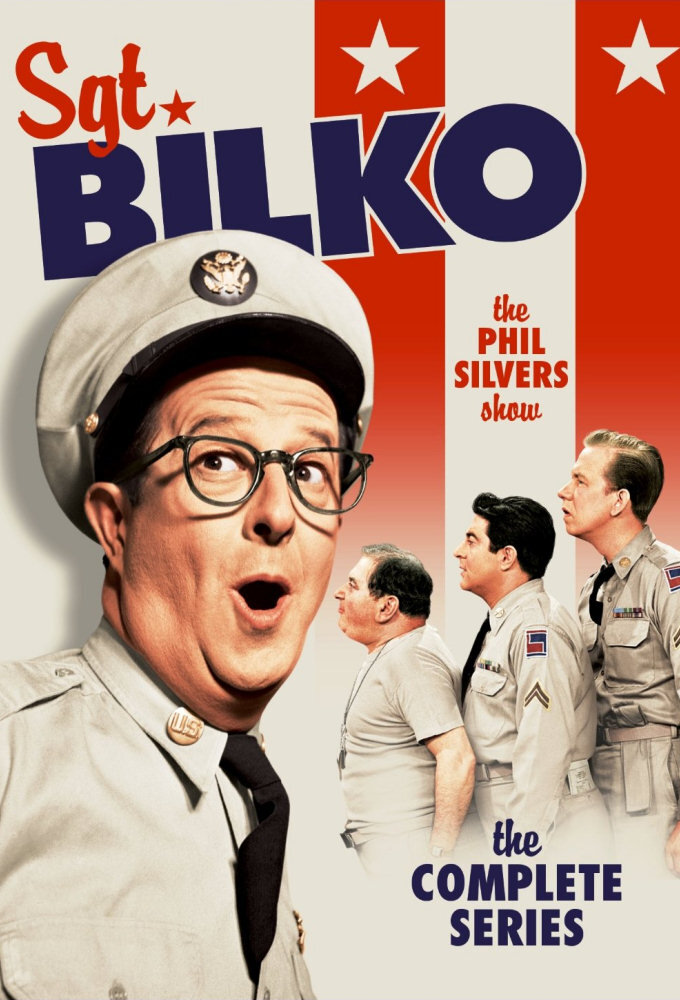
The Phil Silvers Show1955
Silvers brought verbal dexterity and scheming energy to fifties television—a different flavor of comedy, but built on the same foundation of character actors who understood ensemble timing and the power of repetition.
But It's very broad and very of its era in ways that can feel dated if you're not acclimated to mid-century sitcom rhythms.
Not sure tonight? Get a pick in a minute, starting from The Abbott and Costello Show
The wildcard
Something you would not have found on your own.
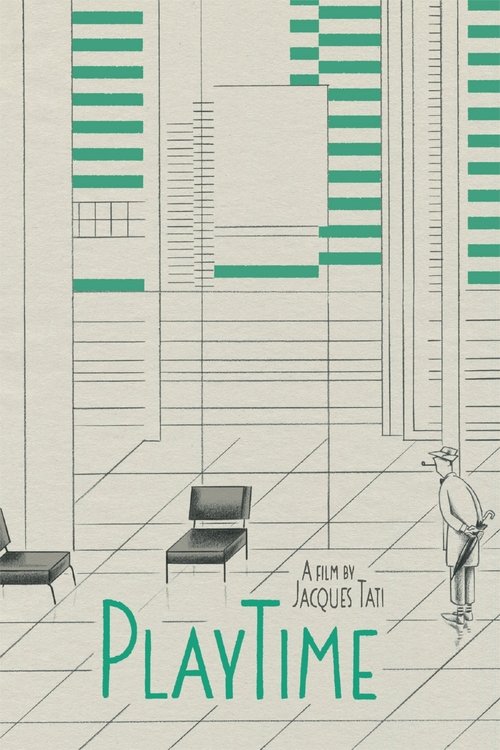
PlayTime1967
Like Abbott and Costello, Tati believed comedy came from physical precision and the contrast between human intention and what actually happens. Both understood that watching someone fail in a well-designed space is endlessly funny.
Jacques Tati's masterpiece uses slapstick in spaces designed entirely for comedy—a airport, office buildings, a restaurant—where the geometry of the frame becomes part of the gag. It's slapstick as architecture, not dialogue.
But It's nearly three hours, mostly silent, and you have to work to catch all the gags happening in the busy frames. Patience required. Some find it tedious rather than delightful.
More like this (3)
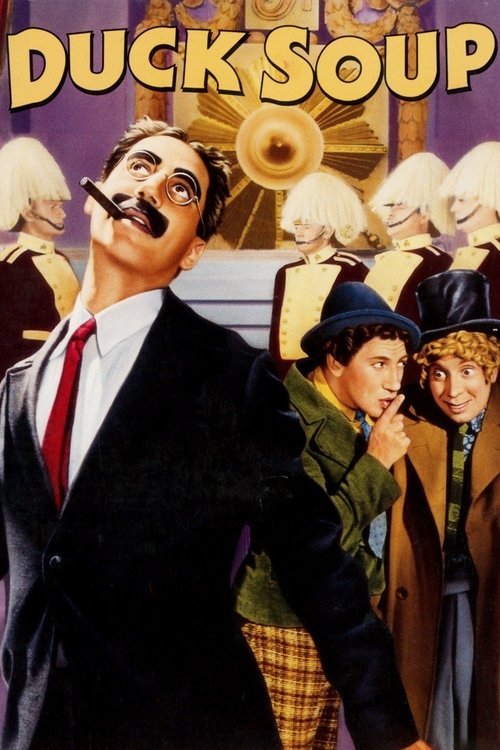
Duck Soup1933
The Marx Brothers deconstructed narrative entirely in favor of pure comedic anarchy. Where Abbott and Costello worked within sketch structure, the Marxes tore down the walls—it's comedy stripped to its wildest self.
But There's no story to speak of, and the humor is so relentless and surreal that it can feel exhausting rather than fun if you're not in the right headspace.
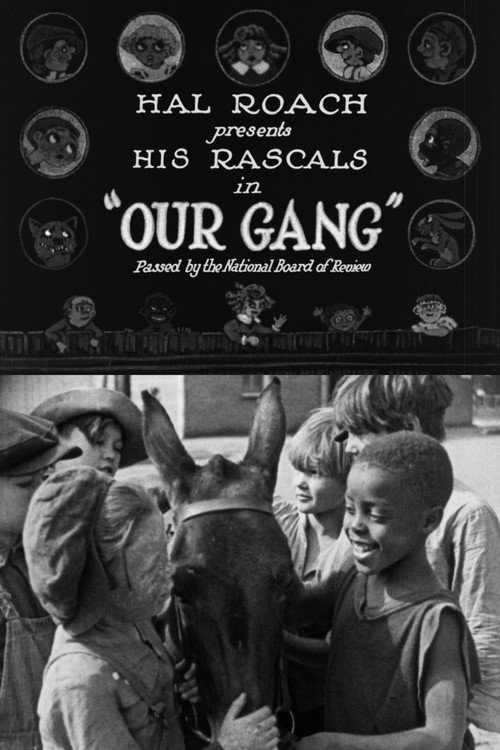
Our Gang1922
The theatrical shorts that preceded television comedy, featuring child performers improvising and riffing with the same timing discipline Abbott and Costello had mastered. Pure slapstick fundamentals in their clearest form.
But Child performers in old comedies can feel uncomfortable to modern viewers, and the racial content in some episodes is deeply problematic.
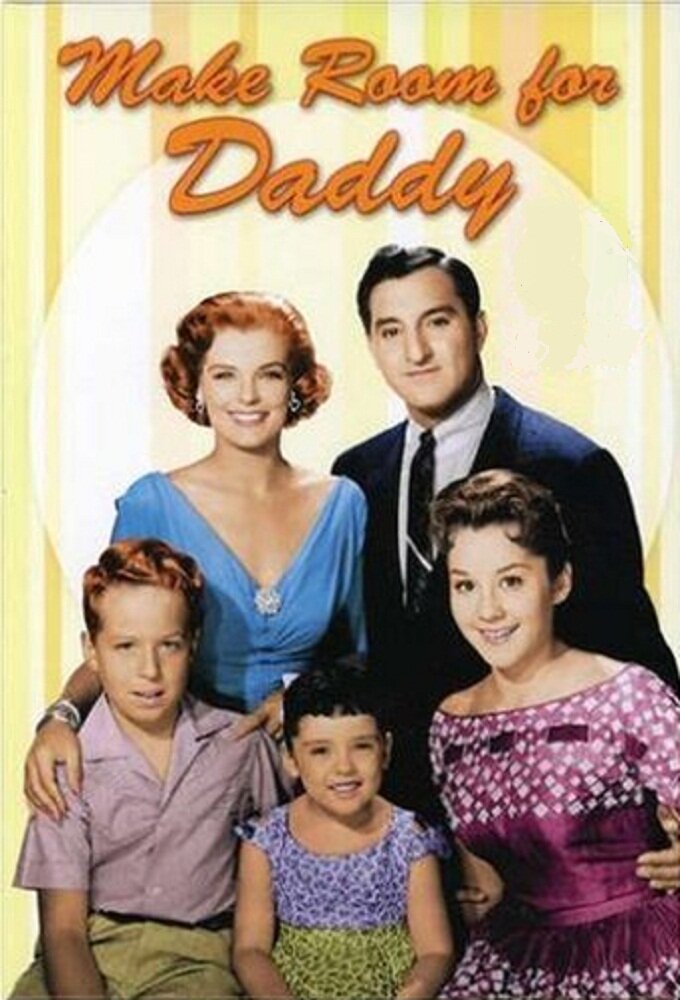
Make Room for Daddy1953
Thomas was a vaudeville guy too, and his variety-show approach proved there was life for sketch comedy on television even as the sitcom began to take over. Similar energy, slightly smoother edges.
But It hasn't aged as well as it should have, and the variety format makes it feel scattered compared to Abbott and Costello's focused absurdity.