
Television series
The Red Skelton Show
A weekly grab-bag of sketches, pratfalls and recurring characters built entirely around Red Skelton's rubber-faced physical clowning — Freddie the Freeloader, Clem Kadiddlehopper, San Fernando Red. It's gentle, silly, and unapologetically corny, closer to vaudeville than modern sketch comedy. Good for anyone who wants comfort-food TV or a history lesson in how American comedy learned to move before it learned to talk.
If you liked this
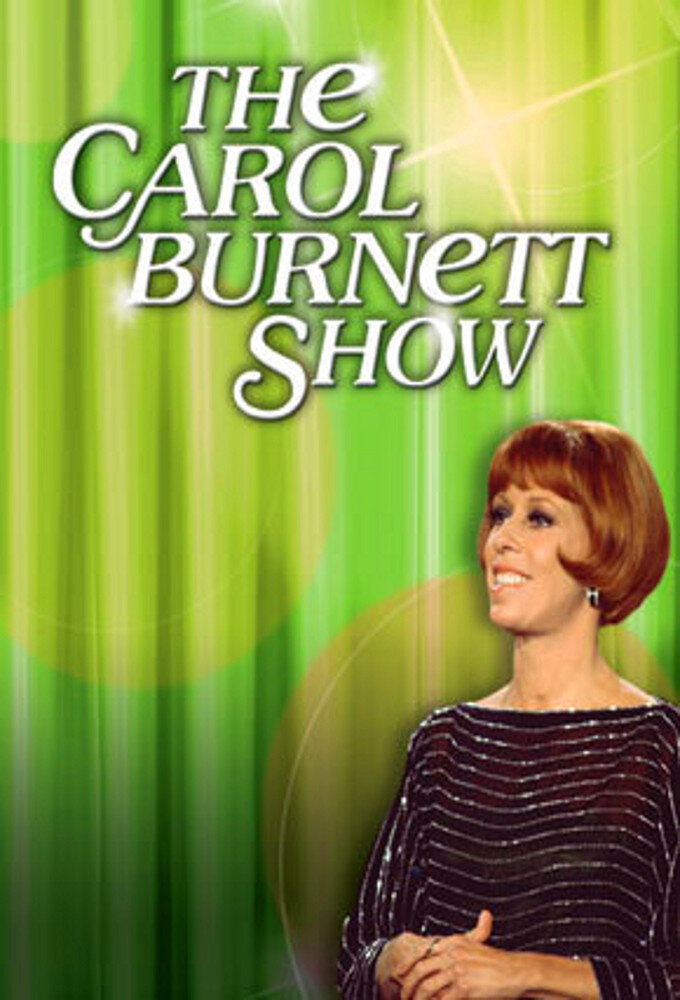
The Carol Burnett Show1967
The direct descendant — sketch comedy built on recurring characters and physical commitment, with a cast willing to fully embarrass themselves for a laugh, just like Skelton did.
But Faster and more polished than Skelton's show; some of the topical references have aged into obscurity.
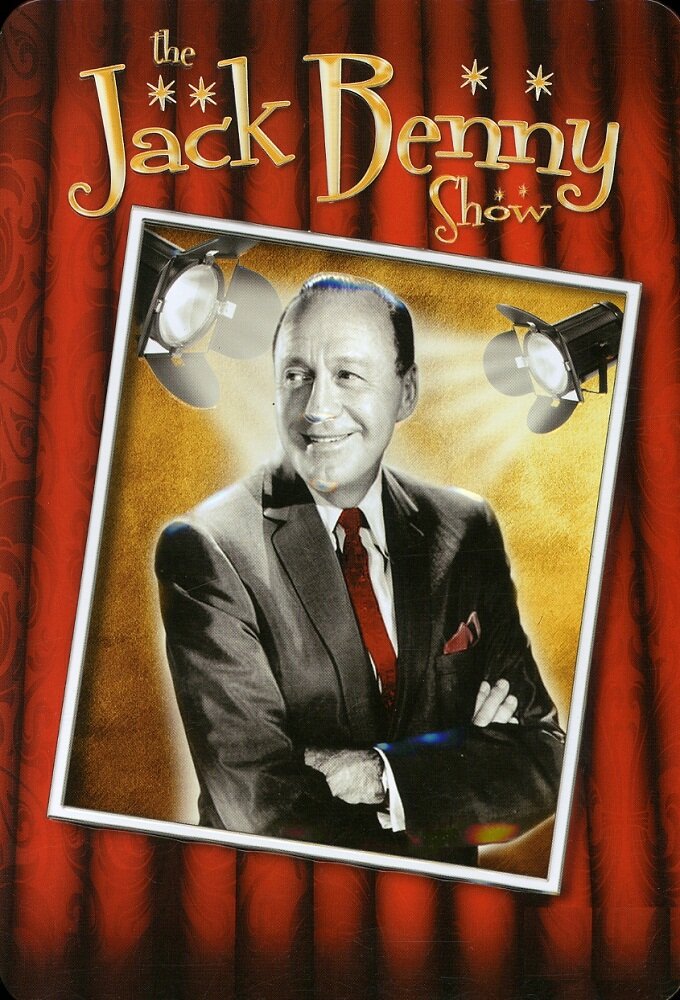
The Jack Benny Program1950
Same era, same CBS lineage, but built on deadpan timing rather than pratfalls — a great contrast to see how differently 1950s comics used silence and character.
But Slower paced and more verbal; if you loved Skelton for the physical stuff, this can feel talky.
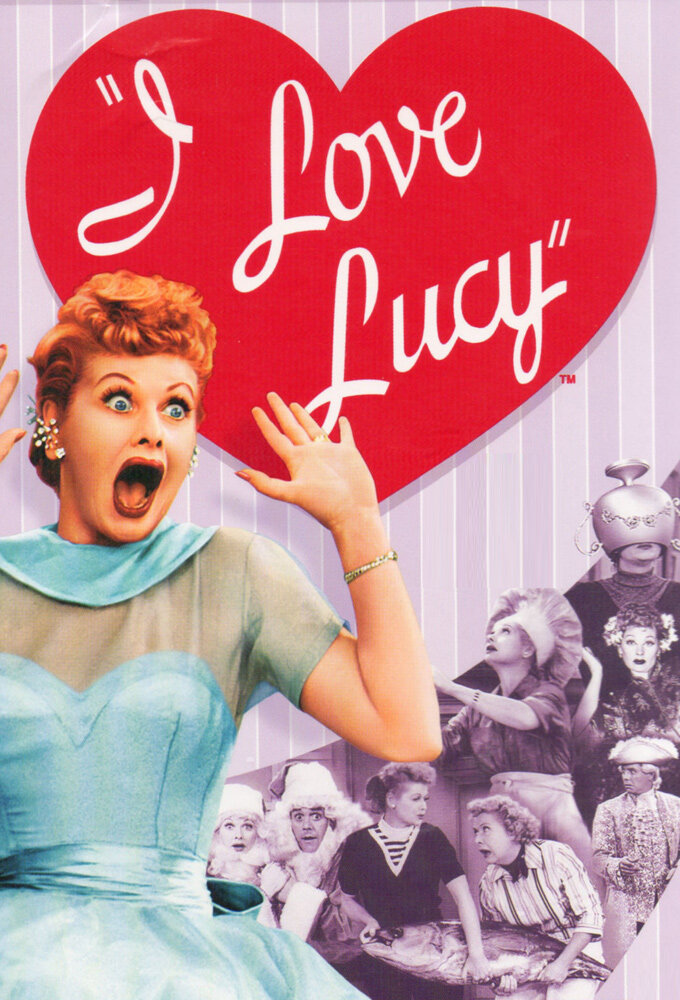
I Love Lucy1951
Lucille Ball brings the same full-body slapstick commitment Skelton had, wrapped in an actual sitcom structure instead of loose sketches.
But It's a narrative show, not variety — you lose the guest-star grab-bag energy Skelton traded on.
The wildcard
Something you would not have found on your own.
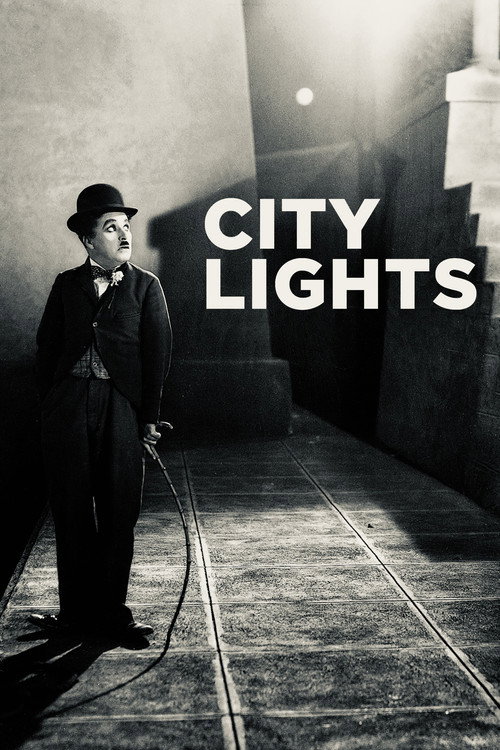
City Lights1931
Skelton's Freddie the Freeloader is a direct descendant of Chaplin's tramp — same lineage of the sweet, ragged clown who's funnier for being a little sad.
Chaplin's silent masterpiece is the wellspring Skelton's whole clown persona drinks from — pathos wrapped in pratfalls, a tramp figure who makes you laugh and then quietly breaks your heart.
But Silent film with no spoken jokes at all; some viewers find the sentimentality of the ending too much.
More like this (7)
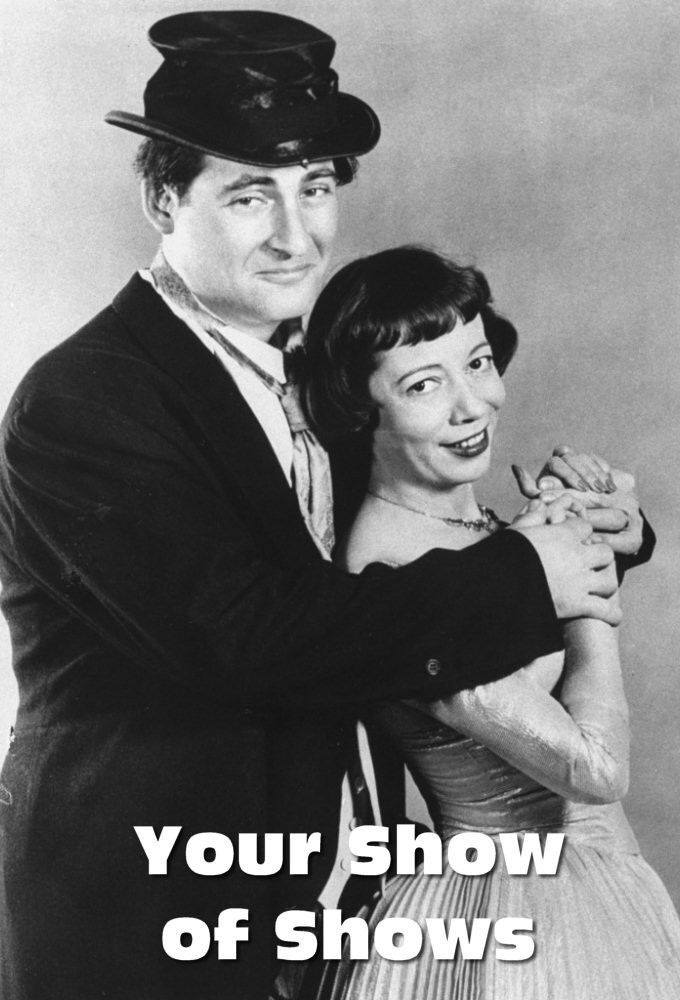
Your Show of Shows1950
Sid Caesar's live sketch marathon is the other great pillar of early-TV comedy, sharper-edged and more manic than Skelton's warmth.
But Much of it survives only in fragments; the live-TV rawness can feel chaotic compared to Skelton's tighter bits.
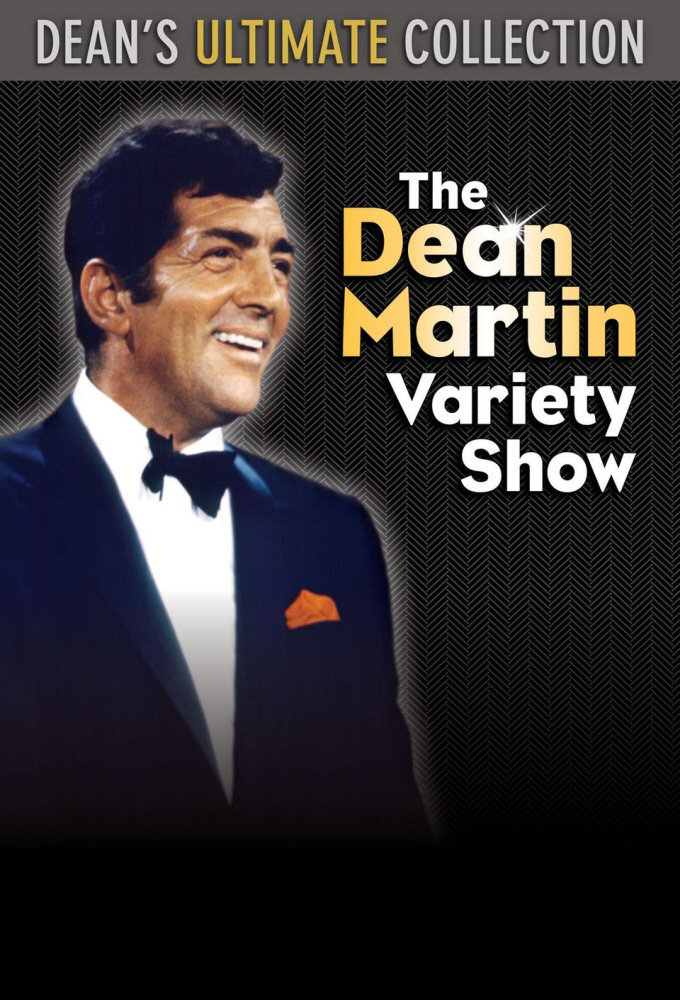
The Dean Martin Show1965
A later, boozier, more laid-back variety format — good for seeing how the genre loosened up and got cooler through the '60s.
But Martin's charm is cocktail-lounge cool, not clown-nose earnest; a very different comic temperature.
Saturday Night Live1975
The format's true heir — sketches, recurring characters, a live studio audience — proof the variety-show DNA never really died, just got weirder.
But Sharper, more satirical, often mean where Skelton was sentimental; tonally almost opposite.
The Ed Sullivan Show1948
The genre's other giant — a broader variety format mixing comedy, music and novelty acts, useful context for how packed these shows once were.
But Sullivan himself wasn't a performer, so there's none of Skelton's personal clowning at the center.
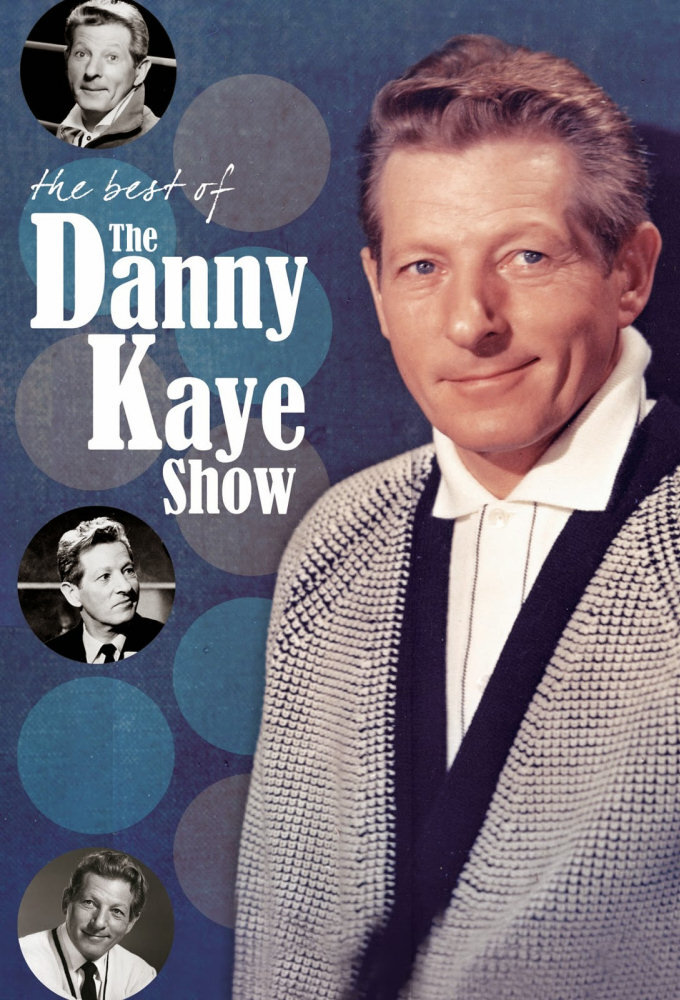
The Danny Kaye Show1963
Another rubber-limbed variety host with vaudeville roots and a soft, family-friendly touch very close to Skelton's own persona.
But Less remembered and harder to find; the material can feel like a fainter echo of what Skelton did first.
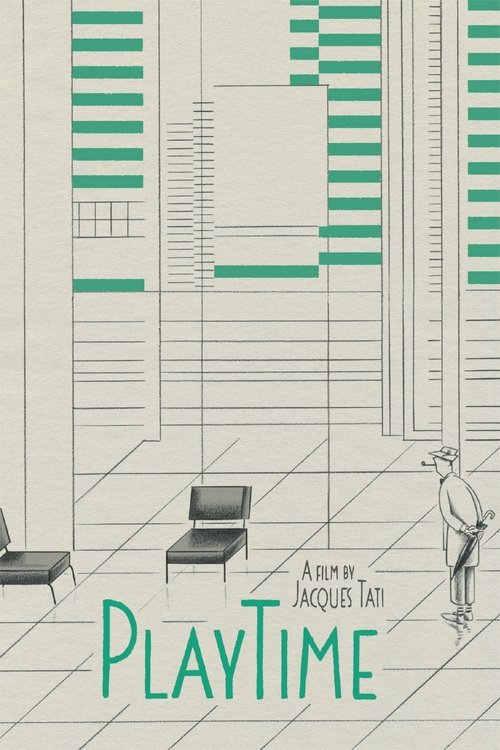
PlayTime1967
Same faith Skelton had — that a face, a body and a prop can be funnier than any script — just filtered through French formalism instead of vaudeville.
Jacques Tati's nearly wordless comedy turns modern life into an elaborate physical sketch show — every scene a small, precisely choreographed gag, no dialogue required.
But Glacially paced by American-comedy standards; it asks you to watch the whole frame rather than wait for punchlines.
Jackass: The Movie2002no page yet
Both are built entirely on the comedy of bodies failing on purpose — Skelton just wore a costume and pulled his punches.
Strip away the sentiment and the character names and this is Skelton's physical-comedy engine running at full, reckless throttle — grown men falling down for your amusement.
But Genuinely gross and dangerous in places; there's no warmth or storytelling cushioning the stunts like Skelton always provided.
People
Cast
 Art GilmoreAnnouncer
Production
- Guy Della CioppaExecutive Producer
- Howard A. QuinnExecutive Producer
- Seymour BernsProducer