
Film
Clockwatchers
A smart, funny film about four office temps whose friendship fractures when a new hire threatens their precarious stability. Writer-director Spike Jonze captures the mundane desperation of temporary work—the fluorescent waiting, the pointless tasks, the way workplaces can turn kindred spirits into competitors. It's both comedy and genuine drama about aspiration, loyalty, and how easily economic anxiety can poison connection.
Should you watch it?
Watch it if you enjoy small workplace comedies where the real story is the quiet resentment between people who share a desk and a lunch break, and you like wry observation over plot.
Skip it if you want a brisk narrative with clear stakes and steady momentum, since this one drifts through ordinary office days and leans on mood and awkward silences rather than events.
What it asks of you: At about ninety-six minutes it moves slowly and stays low-key, asking you to sit with small glances and sharp little exchanges rather than waiting for a big payoff.
Not sure? Find tonight's pick in a minute.
If you liked this
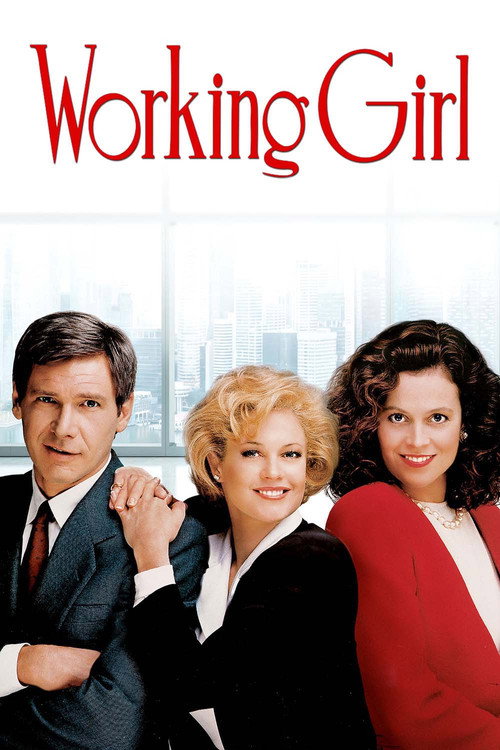
Working Girl1988
Another film about women navigating office politics and climbing from the bottom. Sharp, entertaining, and genuinely invested in its characters' ambitions and the real obstacles they face.
But The 1980s setting and some dated attitudes about gender dynamics in the workplace may feel slightly removed, though that's part of its period charm.
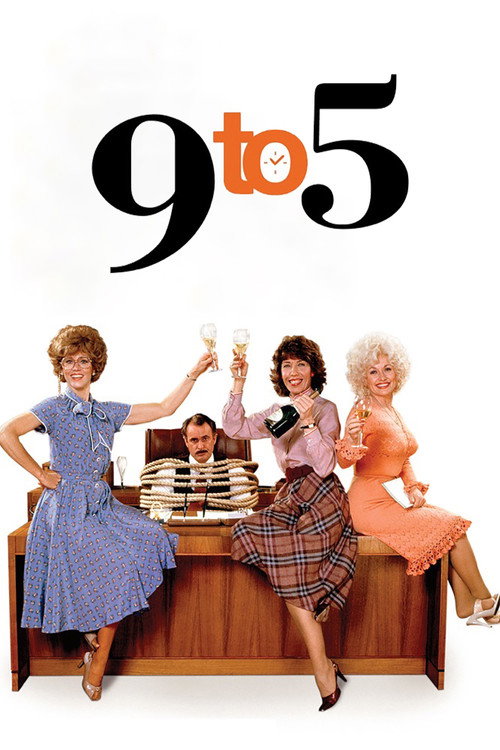
Nine to Five1980
Three women take revenge on their sexist boss in this workplace comedy that's both hilarious and surprisingly pointed about workplace inequality. A classic that still lands.
But It's broader and more obviously comedic than Clockwatchers—if you want something grittier or more realistic, this swings toward pure fantasy wish-fulfillment.
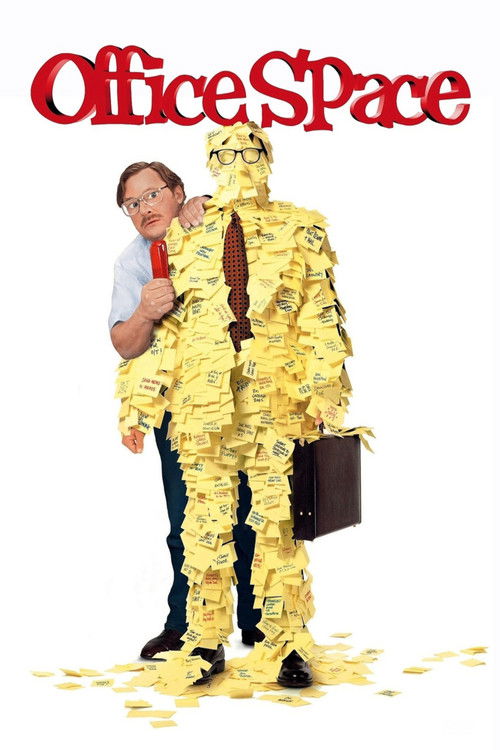
Office Space1999
Mike Judge's cult film about office ennui and the absurdity of corporate bureaucracy. Funny, angry, and deeply sympathetic to people trapped in meaningless jobs.
But It's male-centered and leans heavier on satire than character development. The humor is broader, less interested in relationships than in mocking systems.
Not sure tonight? Get a pick in a minute, starting from Clockwatchers
The wildcard
Something you would not have found on your own.
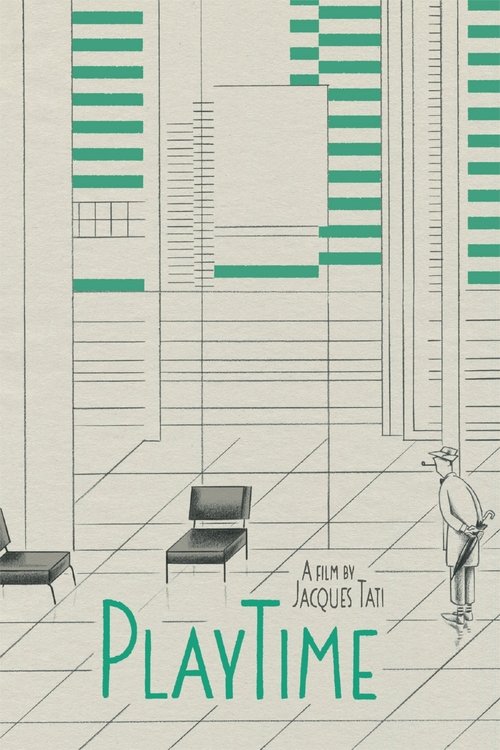
PlayTime1967
Both films understand that office spaces are emotional and spiritual environments, not just settings. Both use the mundane to find something profound about labor and belonging.
Jacques Tati's masterpiece is a film about offices and modernity—vast, architectural, full of tiny figures in bureaucratic spaces. It's visually overwhelming, funny, and deeply sad about how systems dwarf people. A completely different language than Clockwatchers, but the heart is the same: how do human beings survive in spaces designed to ignore them?
But It's almost three hours with minimal dialogue and a visual style that demands patience. The comedy is subtle and structural; if you want character-driven drama, this is abstract and distant.
More like this (8)
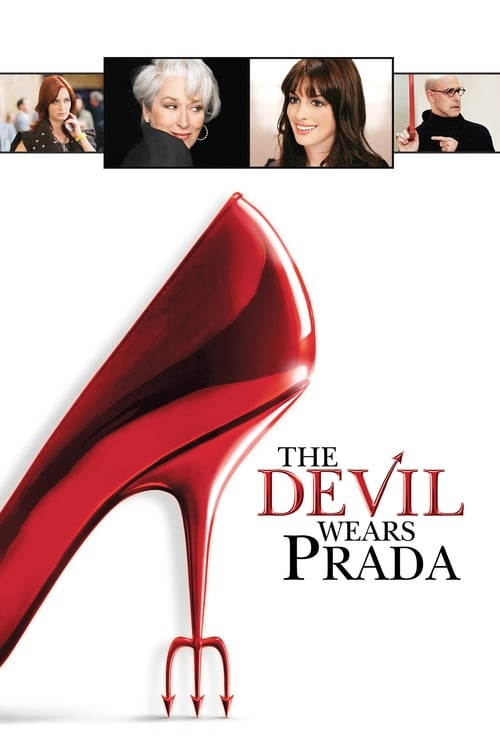
The Devil Wears Prada2006
Meryl Streep is magnificent, and the film captures workplace ambition, mentorship, and the cost of climbing. Smart writing about women in professional spaces.
But It's glossier and more aspirational than Clockwatchers—less interested in the precarity of low-level work, more interested in the seduction of fashion and power.
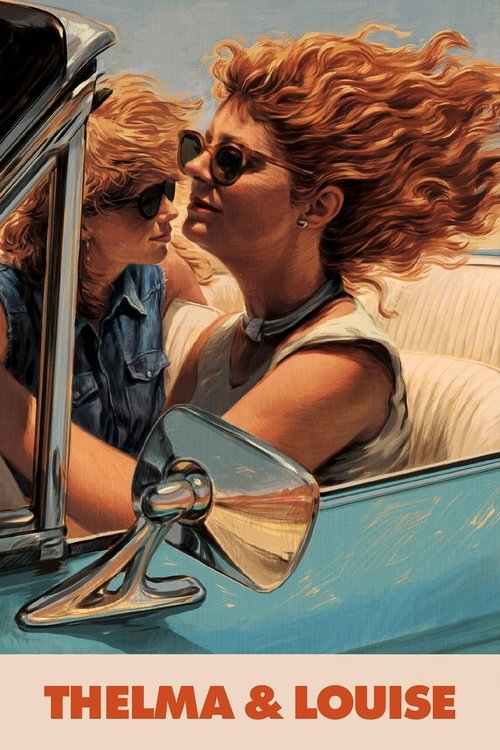
Thelma & Louise1991
A masterpiece about female friendship under pressure, where loyalty is tested and choices have weight. Beautifully shot, superbly acted, and genuinely moving.
But It's a road movie and eventually a tragedy—darker and more violent territory than Clockwatchers explores. Much bigger in scale and stakes.
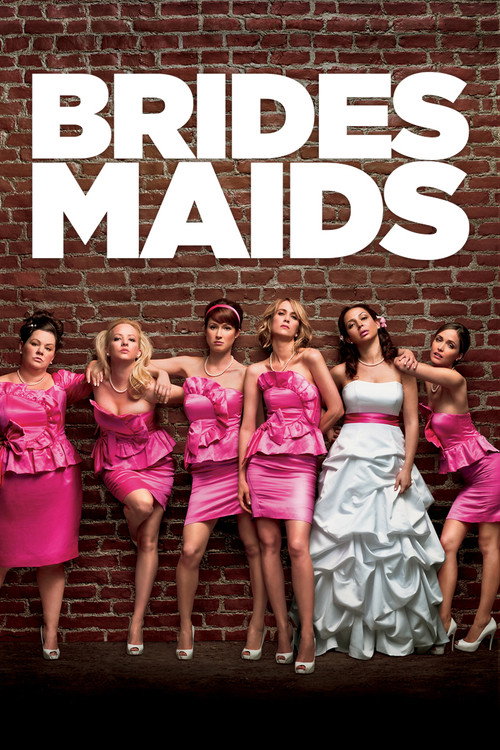
Bridesmaids2011
Paul Feig's film about female friendship, jealousy, and competition among women. Hilarious and honest about how envy can corrode relationships and self-worth.
But It's broad comedy played for laughs; Clockwatchers is more interested in quiet moments and the pain beneath the surface. The tone is fundamentally lighter.
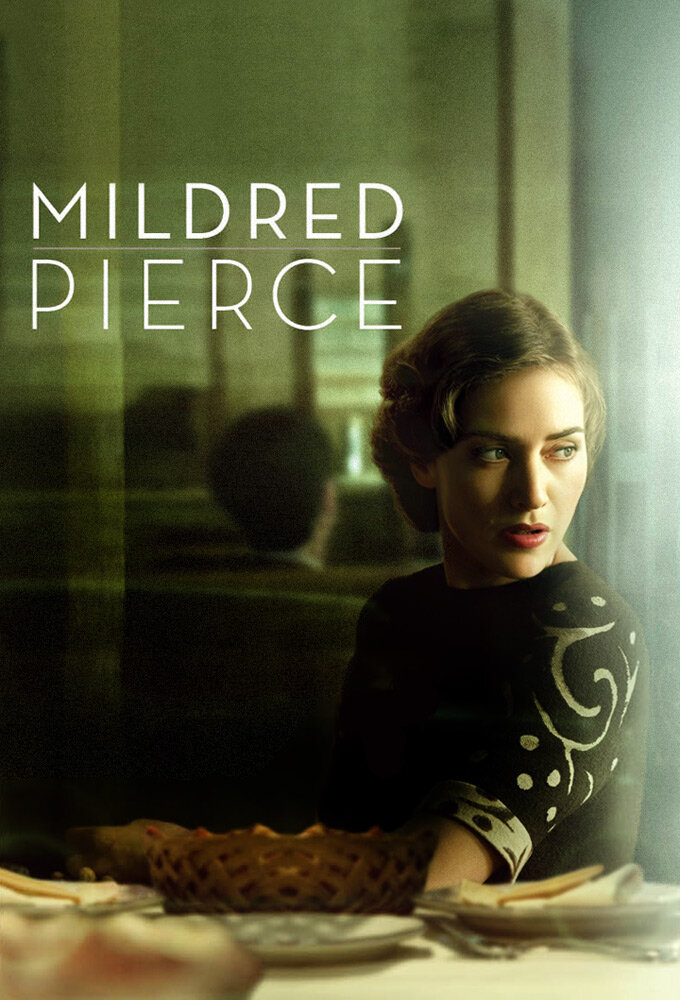
Mildred Pierce2011
Kate Winslet in Todd Haynes' miniseries about ambition, maternal sacrifice, and the cost of success. Beautifully made and emotionally complex.
But It's set in the 1930s and concerns a restaurant owner, not temps—the emotional register is more tragic and less comedic than Clockwatchers.
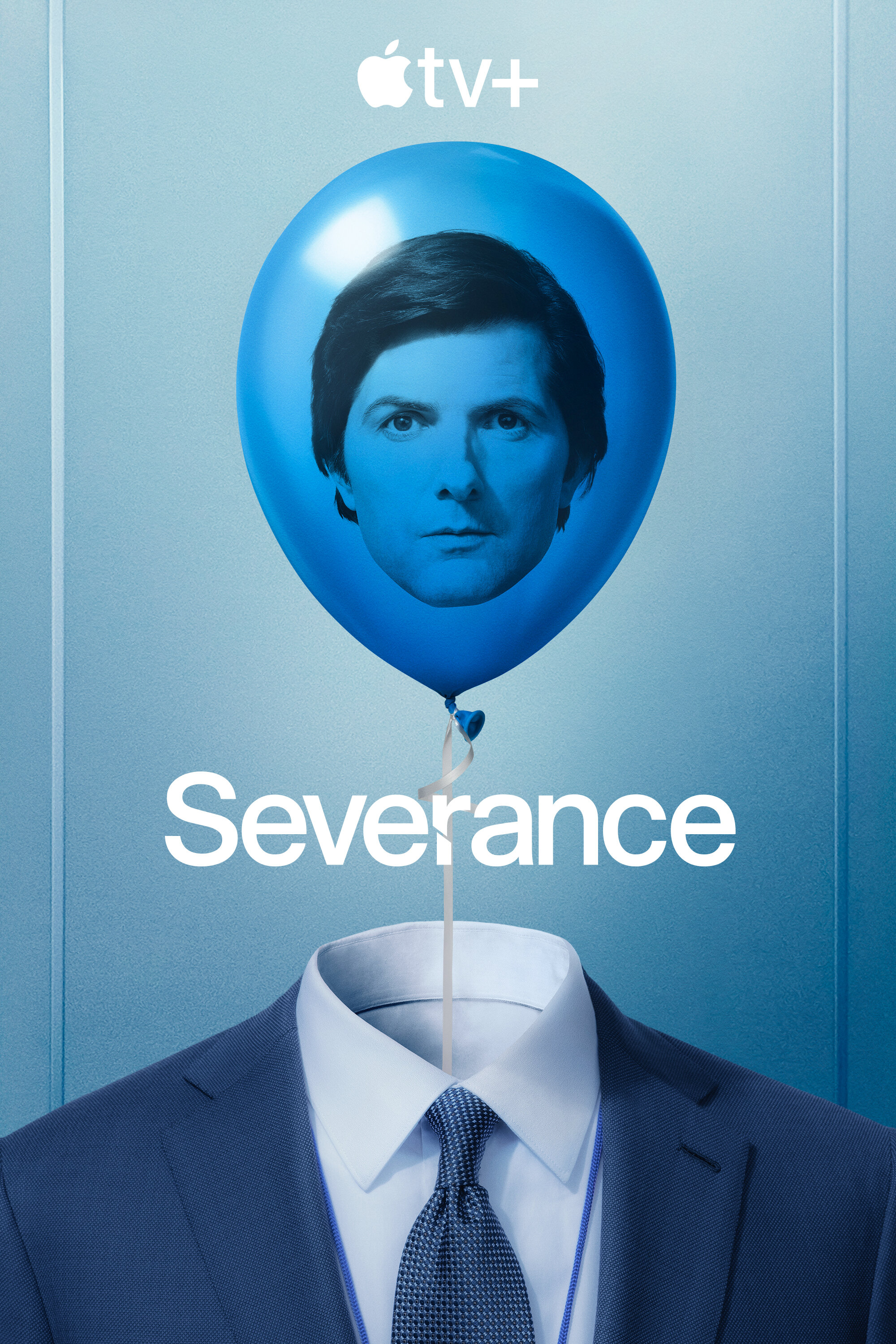
Severance2022
Dan Erickson's surreal series about corporate control and workers stripped of identity. Unsettling, darkly comic, and obsessed with how jobs hollow people out.
But It's science fiction and philosophically bleak—Clockwatchers is grounded and more focused on human relationships than dystopian metaphor.
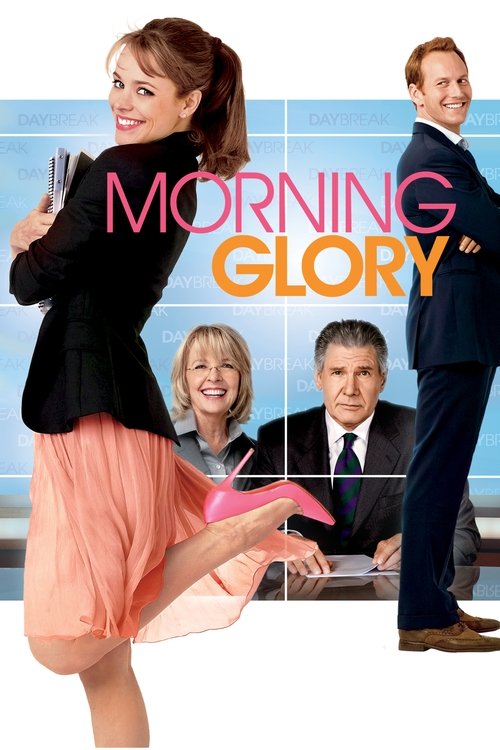
Morning Glory2010
Rachel McAdams navigates a workplace full of difficult personalities and impossible expectations. Light, feel-good, and genuinely charming about professional ambition.
But It's fluffy and optimistic where Clockwatchers is anxious and class-conscious. The stakes feel lower and the resolution neater.
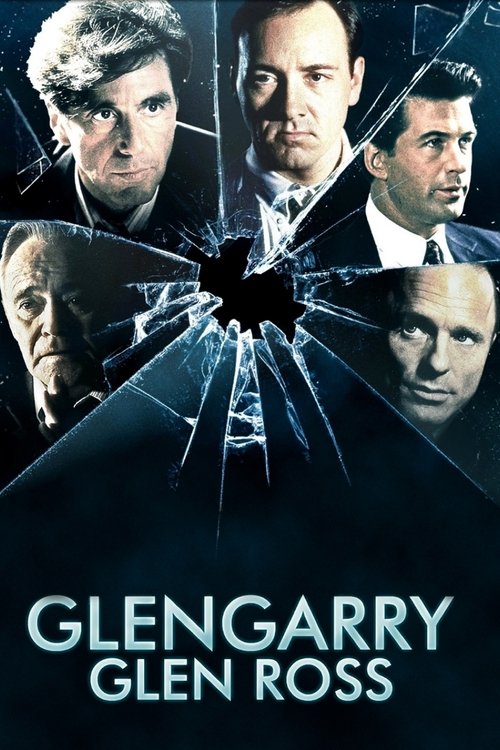
Glengarry Glen Ross1992
Both explore how workplaces systematically turn colleagues into competitors. Both understand that the real tragedy isn't failure—it's the way economic pressure makes people betray each other.
David Mamet's adaptation of his play is a brutal masterclass in how capitalism corrodes relationships. Four characters locked in competition, their friendships weaponized by the system they work in. Tense, linguistically dazzling, and genuinely painful to watch.
But It's all men, entirely focused on sales aggression and dominance. Where Clockwatchers finds dark comedy in friendship, this finds only carnage. It's also very much a play—dialogue-heavy, claustrophobic, uneasy.
Stalker1979
Both films are interested in what people want from their lives and whether the things we're told to want are worth wanting. Both find sadness and occasional humor in that gap between aspiration and reality.
Andrei Tarkovsky's philosophical science-fiction film moves at the pace of thought. Three men journey through a mysterious zone toward a room that promises wishes. It's meditative, occasionally funny, and completely absorbed in questions about desire, hope, and what we actually want from life.
But It's 163 minutes, in Russian, and philosophically dense. Nothing happens in the conventional sense. If you want plot momentum or clarity, this film actively resists you.

People
Cast
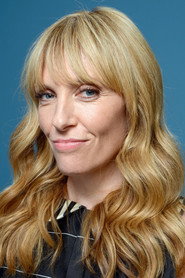 Toni ColletteIris Chapman
 Parker PoseyMargaret J. Burrell
 Lisa KudrowPaula
 Alanna UbachJane
 Helen FitzGeraldCleo
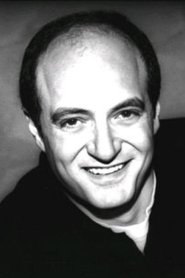
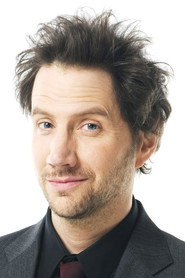 Jamie KennedyEddie
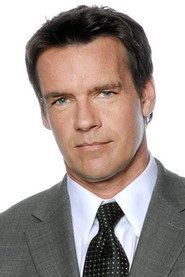 David James ElliottMr. MacNamee
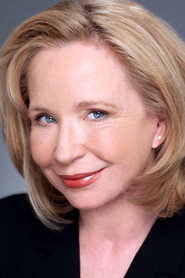 Debra Jo RuppBarbara
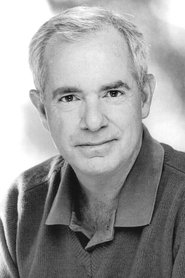 Kevin CooneyMr. Kilmer
 Bob BalabanMilton Lasky
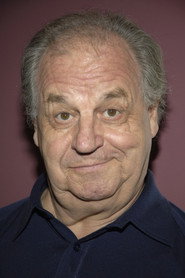 Paul DooleyBud Chapman
Directing
- Jill SprecherDirector
- Eric MoffordFirst Assistant Director
- Wendy DallasScript Supervisor
- Keith ShawSecond Assistant Director
- Lauren CloudSecond Assistant Director
- Heather WeinstockSecond Second Assistant Director
- Joe ColemanSecond Second Assistant Director
Writing
- Jill SprecherWriter
- Karen SprecherWriter
Production
- Chanel SalzerAssistant Location Manager
- Jun C. LinAssistant Location Manager
- Matthew CasselAssistant Location Manager
- Paul SchreiberAssistant Location Manager
- Jen WallAssistant Production Coordinator
- Jeanne McCarthyCasting
- Daysun PerkinsCasting Assistant
- Guy CollinsCo-Executive Producer
- John QuestedCo-Executive Producer
- Karen SprecherCo-Producer
- John FlockExecutive Producer
- W. Mark McNairLine Producer
- Darrin LipscombLocation Manager
- Gina ResnickProducer
- Todd GroveProduction Accountant
- Elizabeth BauerProduction Coordinator
- Sue JenningsProduction Manager
Recommended by
Support the Girls, Undercover Boss, Scenes from the Class Struggle in Beverly Hills, Better Off Ted, The Temp, The Prisoner of Second Avenue, Fun with Dick and Jane