
Film
The Prisoner of Second Avenue
Jack Lemmon in full unraveling mode: a middle-aged New York ad executive loses his job and slowly falls apart during a sweltering heat wave, while his long-suffering wife Anne Bancroft watches the marriage contract strain to breaking. It's a Neil Simon comedy that trades easy laughs for something rawer—frustration, indignity, the specific terror of obsolescence. For anyone who's felt the walls close in.
If you liked this
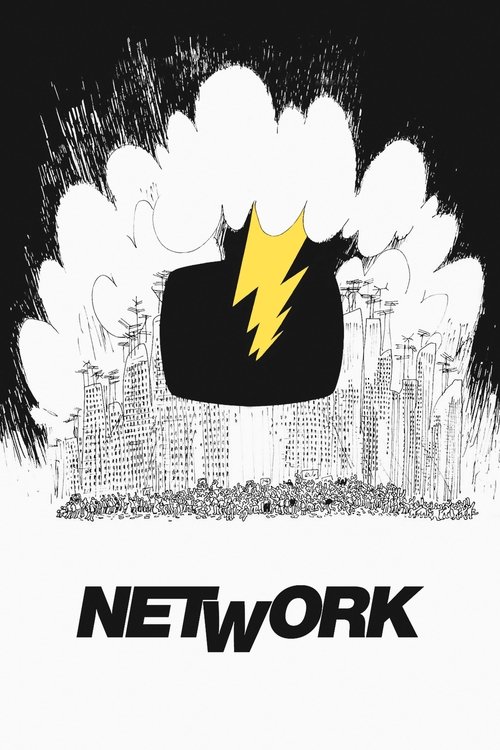
Network1976
A man's career implodes on live television. Like Mel's breakdown, but amplified to apocalyptic scale and made absurdist prophecy. Paddy Chayefsky's fury at the system that chews people up is electric.
But It's dated in its specifics about television, and the satire sometimes overshoots into sermon. The pacing can feel ragged if you're not matching its manic energy.
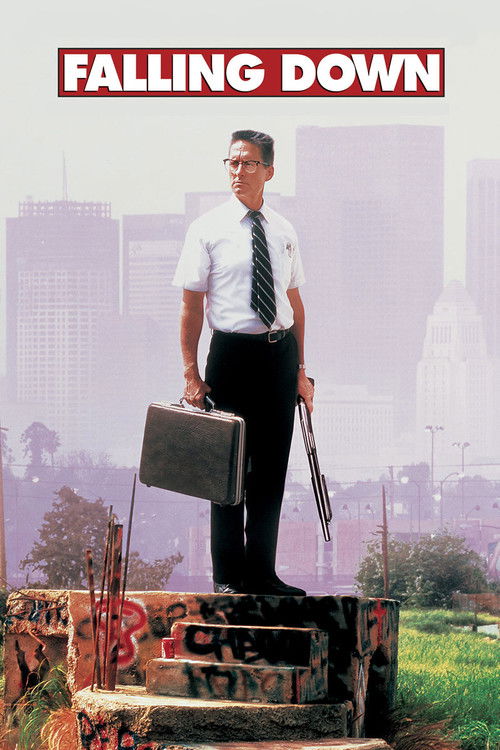
Falling Down1993
Michael Douglas as a man pushed past his limit by Los Angeles, petty humiliations, and systemic indifference. The same pressure-cooker logic as Mel's day, but darker and more violent. Uncomfortably gripping.
But The film itself is a little confused about whether it's critiquing its protagonist or endorsing him. Some scenes feel gratuitously cruel rather than illuminating.
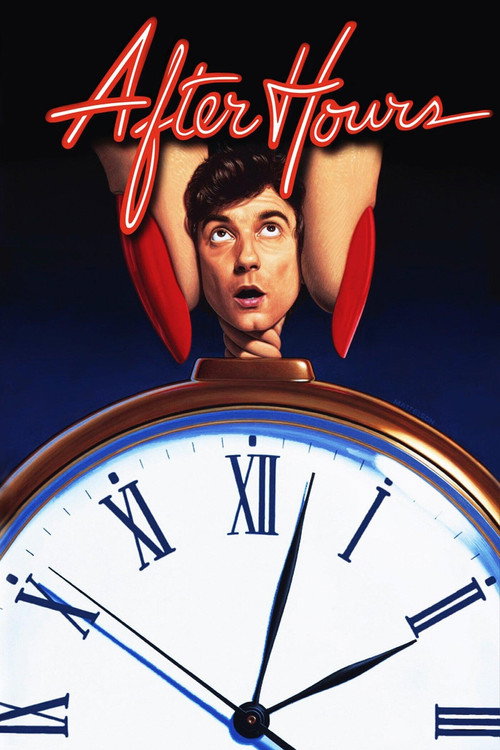
After Hours1985
Griffin Dunne loses his grip on reality over one disastrous night in downtown Manhattan. Scorsese channels urban nightmare comedy—the same sense of a man unmoored, pursued by circumstance, the city itself becoming hostile.
But It's deliberately disorienting and surreal. If you want plot clarity or character motivation spelled out, you'll be frustrated.
Not sure tonight? Get a pick in a minute, starting from The Prisoner of Second Avenue
The wildcard
Something you would not have found on your own.
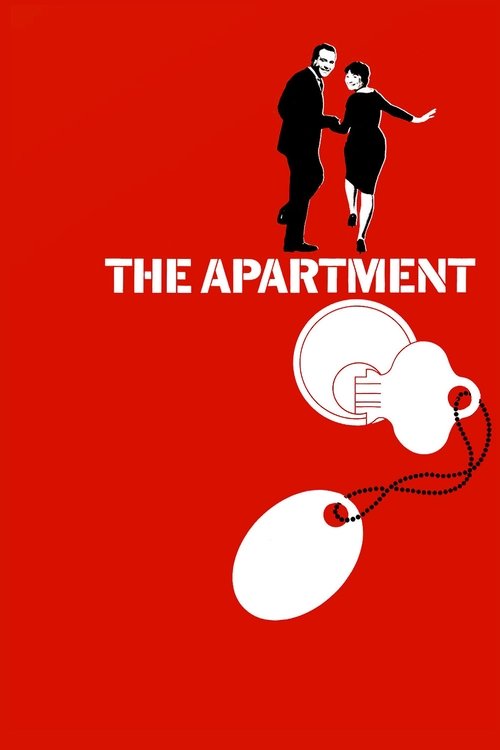
The Apartment1960
Both films use New York as a character and comedy as a way to survive professional humiliation. But Wilder's film is about systemic corruption and personal integrity, while Simon's is about personal collapse. Wilder offers a way out; Simon offers no escape.
Billy Wilder's masterpiece about a New York office worker trapped in corporate machinery and moral compromise. The same city, same workplace despair, same marriage under strain—but told as a tragicomedy where kindness actually matters. Essential viewing.
But The pacing is deliberate, and some scenes of workplace politics feel like period pieces now. The romantic subplot might feel tacked on if you're not attuned to 1960s sensibilities.
More like this (7)
Barton Fink1991
John Turturro as a man paralyzed by creative and personal crisis in a decaying Hollywood hotel. The Coens find dark comedy in creative despair and the machinery that grinds people down. Suffocating and brilliant.
But It's deliberately obtuse about what's actually happening. Some will find it pretentious; others will think it's deliberately frustrating in a way that doesn't pay off.

American Beauty1999
Kevin Spacey as a man having a breakdown in middle-class America, shedding his life layer by layer. The same erosion of identity and dignity, though wrapped in darker, more sinister package than Simon's heartbreak.
But The film can feel smug about its own insights, and the twist ending divides people sharply. It's aged less gracefully than it seemed at the time.

Lost in America1985
Albert Brooks as an ad executive who quits his job and tries to reinvent himself, only to watch everything unravel. It's a gentler film than Mel's story, but the same anxiety about identity and reinvention drives it.
But The humor is understated and deadpan. If you're expecting broad comedy, you'll be waiting. Some scenes drag.

Clockwatchers1997
Four office workers navigate corporate indifference and soul-death with gallows humor. It captures the petty humiliations and camaraderie of workplace life that precedes Mel's catastrophe. Funny and quietly devastating.
But It's very 90s in its sensibility, and the plot is deliberately slight. The film moves slowly and without much dramatic urgency.

Armageddon1998
A working-class man (Bruce Willis) forced to save the world while his personal life crumbles. It's silly where Mel is serious, but both films understand the specific horror of being called upon when you're already broken.
But It's a Michael Bay action film. If you hate that, nothing here will convert you. The sentimentality is laid on thick.

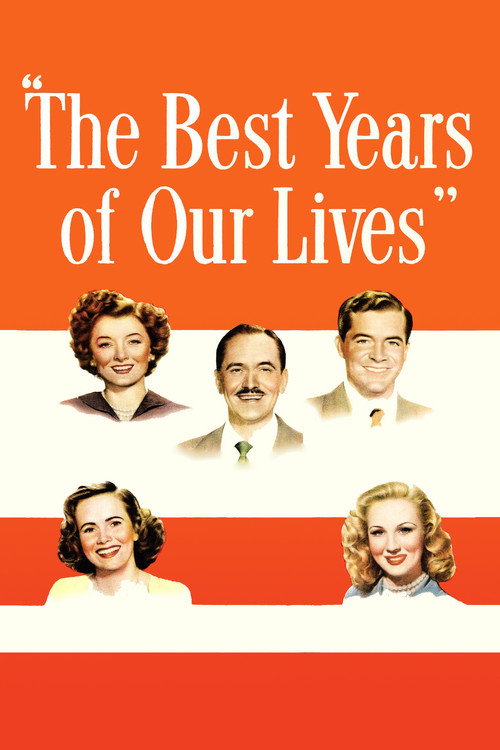
The Best Years of Our Lives1946
Three servicemen try to rebuild their lives after WWII, discovering that coming home is its own kind of trauma. It's a fuller, more generous treatment of reinvention and damaged men trying to fit back into ordinary life.
But It's long, stately, and deeply sincere. Modern viewers sometimes find the pacing glacial and the optimism cloying. It requires patience.
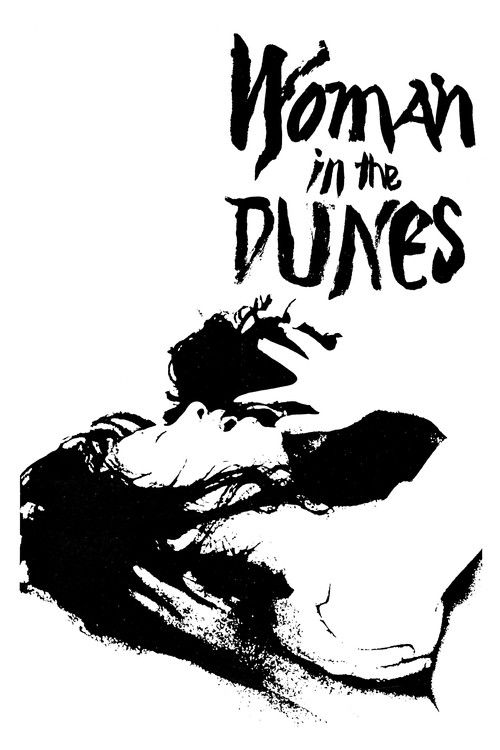
Woman in the Dunes1964
Both are about men watching their agency drain away, unable to control events or outcomes. But Simon treats it as social realism and dark comedy; Hiroshi Teshigahara treats it as philosophic nightmare. One is about losing your job; one is about losing your humanity to circumstance itself.
A man trapped in a sand pit, slowly understanding he cannot escape or change his circumstance, must find meaning in repetition and futility. Surreal existential horror about powerlessness—what Mel's breakdown might look like filtered through Kafka and Japanese cinema.
But It's slow, abstract, and deeply uncomfortable. The metaphor is deliberately opaque. If you want naturalistic storytelling or emotional catharsis, you'll find this maddening rather than moving.
People
Cast
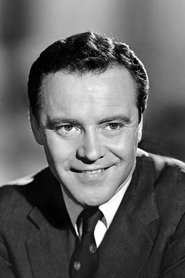 Jack LemmonMel Edison
 Anne BancroftEdna Edison
 Gene SaksHarry Edison
 Elizabeth WilsonPauline
 Florence StanleyPearl
 Maxine StuartBelle
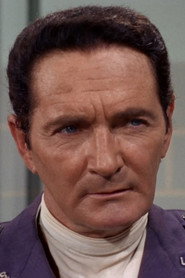 Ed PeckMan Upstairs
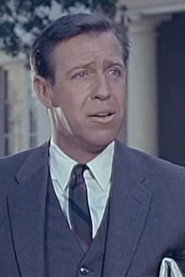 Gene BlakelyCharlie
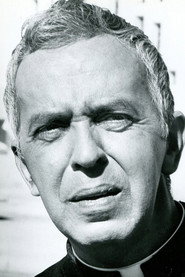 Ivor FrancisPsychiatrist
 Stack PierceDetective
 Patricia MarshallWoman Upstairs
- Dee CarrollHelen
Directing
- Melvin FrankDirector
- Howard RoesselFirst Assistant Director
- Hope WilliamsScript Supervisor
- Bruce SatterleeSecond Assistant Director
Writing
- Neil SimonScreenplay
- Neil SimonTheatre Play
Production
- Melvin FrankProducer
- Hal KleinUnit Production Manager