
Film
Monkey Business
- Screwball comedy
- Science fiction
- Light-hearted
A 1952 screwball comedy where a mad-scientist formula turns adults into children, unleashing Cary Grant, Ginger Rogers, and Marilyn Monroe to play toddlers. It's pure carnival chaos—physical comedy, double-takes, and the sight of grown professionals acting ridiculous. For anyone who loves mid-century Hollywood at its most unhinged.
If you liked this
It Happened One Night1934
Capra's prototype for romantic screwball: witty, fast, genuinely moving beneath the pratfalls. Cary Grant learned from this. It's the blueprint that made everything after it possible.
But The pacing is snappy but demands attention; if you want to half-watch something, it'll lose you in the rapid-fire dialogue.

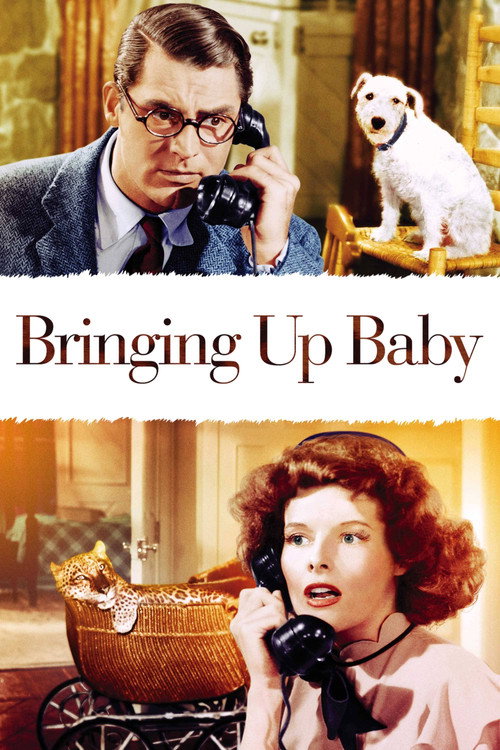
Bringing Up Baby1938
Grant and Katharine Hepburn in Hawks' masterpiece of controlled chaos. A leopard, a car wreck, escalating lunacy—every scene builds on the last. Pure comedic architecture.
But Black and white, 1938 pacing, and the humour is entirely in performance and situation rather than jokes. If you need a punchline spelled out, it won't land.
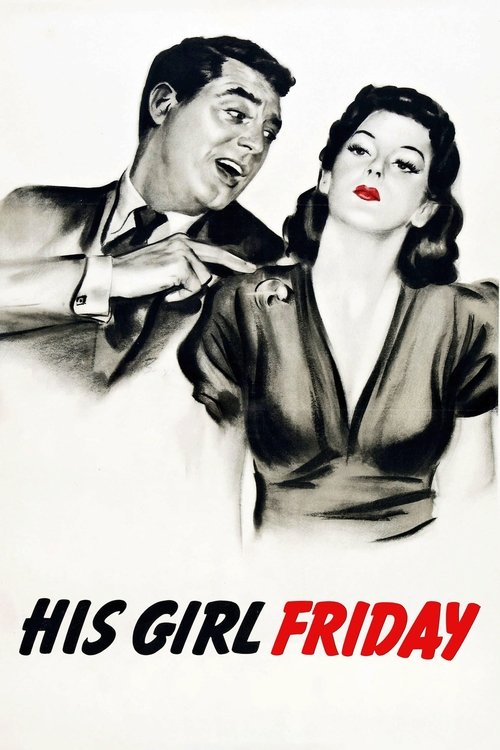
His Girl Friday1940
Rapid-fire dialogue comedy where people interrupt each other constantly, the camera moves constantly, and the energy never dies. It influenced everything comedic that came after it.
But The overlapping dialogue can be exhausting if you're tired, and some of the dated gender politics will make you wince.
Not sure tonight? Get a pick in a minute, starting from Monkey Business
The wildcard
Something you would not have found on your own.
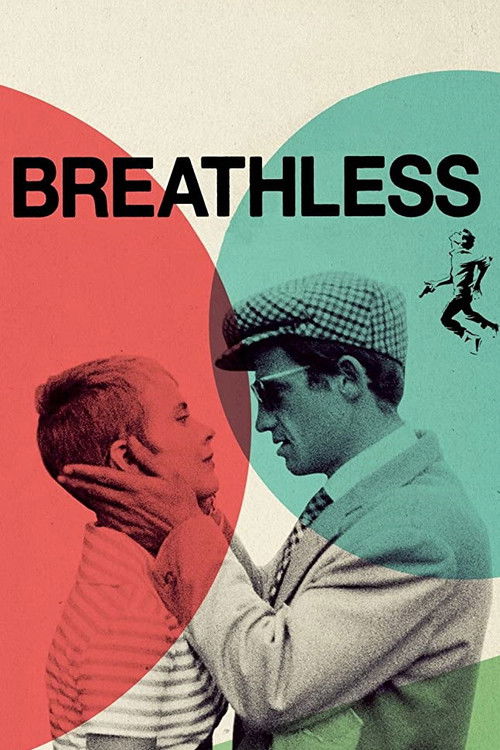
Breathless1960
Both use physical comedy and unexpected tone shifts, but Godard strips away the studio polish. Where Monkey Business says 'look how fun chaos is,' Breathless says 'what if chaos is all there is?' Same engine, opposite destination.
Godard reinvents cinema itself with Jean-Paul Belmondo as a small-time crook who doesn't know how to be a criminal. Jump cuts, direct camera address, romance, violence, games—pure freedom. It's what happens when screwball logic meets existential dread.
But The narrative is deliberately scattered, subtitles demand reading, and the ending refuses to satisfy. It's about the refusal to work like a normal film.
More like this (8)
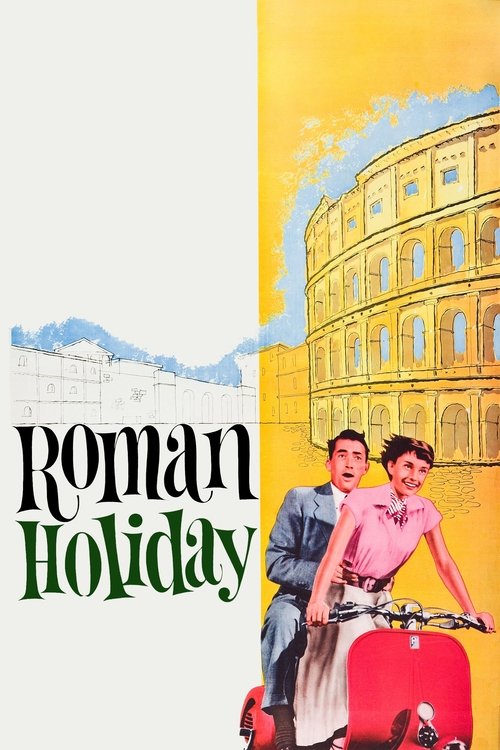
Roman Holiday1953
Grant's contemporary showing him in a gentler mode—romantic rather than manic. A princess on holiday in Rome, charming and a little sad. The real sophistication beneath the charm.
But It's a romance first, which means it lands differently than the pure comedies. If you want chaos, this is calmer.
The Philadelphia Story1940
Grant, James Stewart, and Katharine Hepburn in a comedy about marriage, class, and the mess of wanting someone. Witty, romantic, and works as social satire and genuine emotion.
But At nearly two hours, it takes its time. The pace is elegant rather than frenetic.

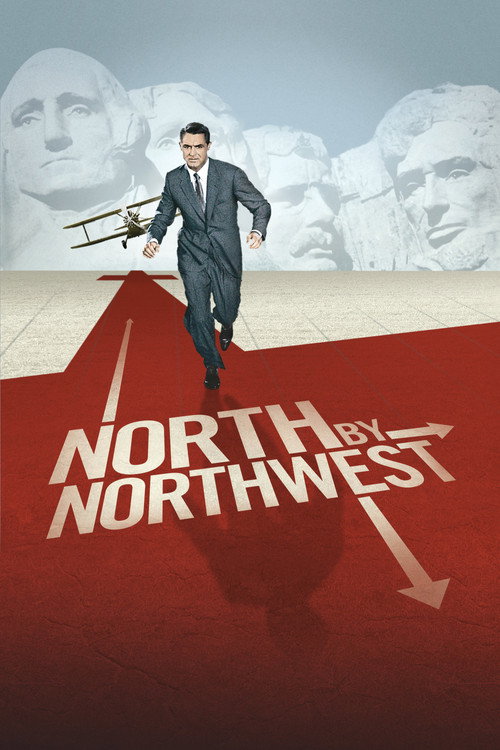
North by Northwest1959
Hitchcock uses Grant's charm and comedic timing in a thriller. Mistaken identity, crop-dusting, Mount Rushmore. Proof he could play danger as well as laughs.
But It's a thriller before it's a comedy, so the tone shifts. Some set pieces drag if you're not invested in the plot.
Breakfast at Tiffany's1961
Monroe in a different register—wistful, funny, heartbreaking. Shot through New York in the early 60s with a score that defines an era. A film that knows what it's doing.
But The Mickey Rooney subplot is genuinely offensive by today's standards. It's a scar on an otherwise lovely film.

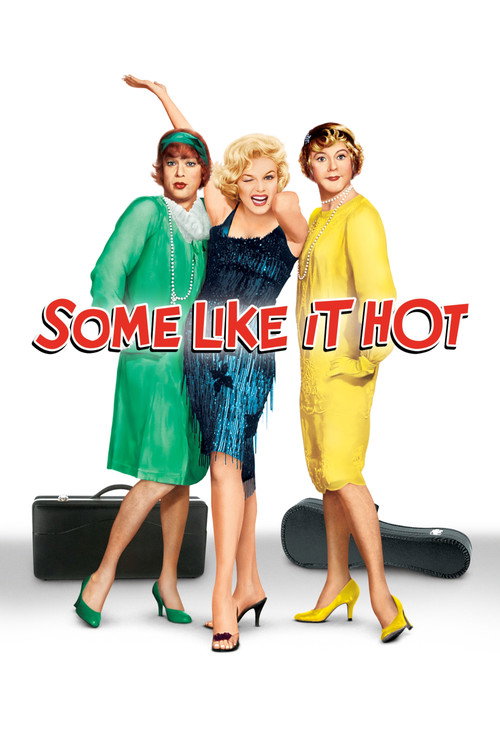
Some Like It Hot1959
The greatest comedy ever made. Grant's contemporaries Jack Lemmon and Tony Curtis in drag, Monroe as the target, and a script so tight nothing is wasted. Watch for how it's constructed.
But At 120 minutes it's longer than Monkey Business, and while it's funnier, some scenes can feel dated now.
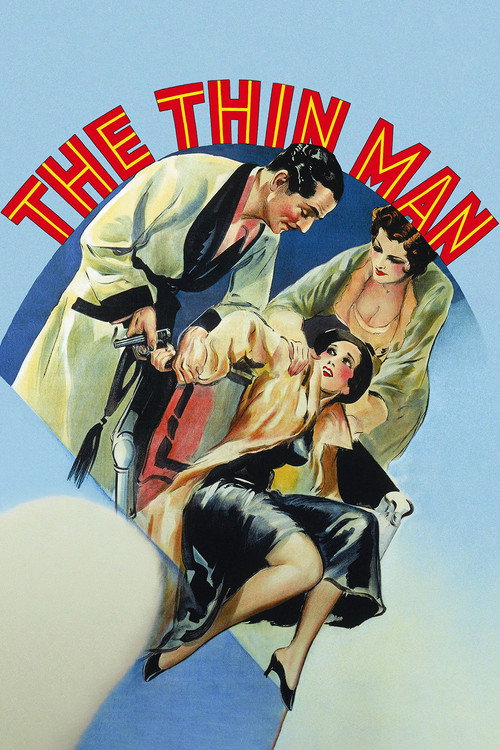
The Thin Man1934
William Powell and Myrna Loy as a married detective team who are witty, drunk, and in love. Fast-paced mystery wrapped in comedy. It proves a couple can be smart *and* romantic.
But It's a mystery first, so if you're only here for the romance and comedy, the plot might feel like filler between the good bits.
Singin' in the Rain1952
Both films emerged from Old Hollywood at the moment it understood physical comedy perfectly. Monkey Business is dialogue and pratfall; Singin' in the Rain is dance and spectacle. Same confidence, different tool.
Released the same year as Monkey Business, it's Gene Kelly and Donald O'Connor doing what Hollywood comedy could be at its peak—dance as character, joy as the entire point, technical brilliance made effortless.
But If you don't engage with dance as storytelling, it can feel like padding. And the sexual politics of the plot are very 1952.

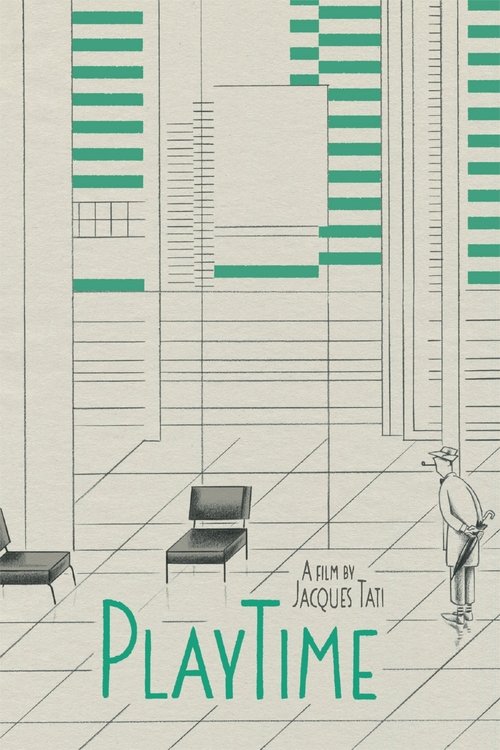
PlayTime1967
Tati watched the comedians who came before him and decided to invent a new language. Where Grant and Rogers rely on charm and quickness, Tati removes the person almost entirely—the architecture is the star. Both prove comedy doesn't need what you think it needs.
Jacques Tati's masterpiece: a film where the joke is the entire frame, not one person. A modernist Paris office building as labyrinth. Tati barely speaks; the world is the comedy. Shot in 65mm, utterly unique.
But It's nearly two hours of wordless observation. If you need characters to drive you forward, you'll find it slow. Some find it brilliant; some find it a test.
People
Cast
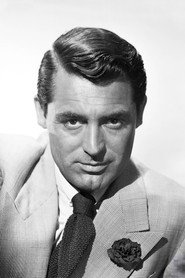 Cary GrantBarnaby Fulton
 Ginger RogersEdwina Fulton
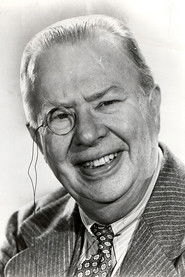 Charles CoburnOliver Oxley
 Marilyn MonroeLois Laurel
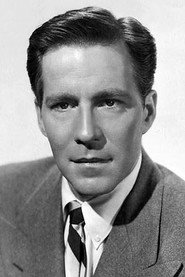 Hugh MarloweHank Entwhistle
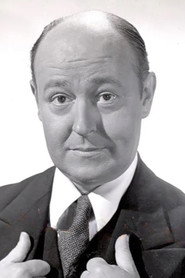 Henri LetondalJerome Kitzel
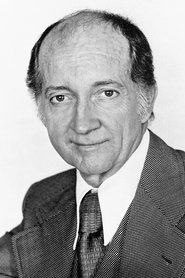 Robert CornthwaiteDr. Zoldeck
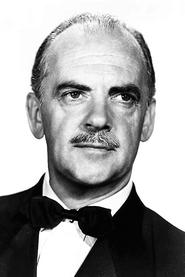 Larry KeatingGJ Culverly
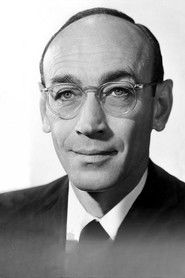 Douglas SpencerDr. Brunner
 Esther DaleMrs. Rhinelander
 George WinslowLittle Indian
- Marjorie HollidayOxley Receptionist (uncredited)
Directing
- Howard HawksDirector
Writing
- Ben HechtScreenplay
- Charles LedererScreenplay
- Howard HawksScreenplay
- I. A. L. DiamondScreenplay
- Harry SegallStory
Production
- Sol C. SiegelProducer
Recommended by
I Was a Male War Bride, Bedtime for Bonzo, The Barefoot Executive, Androcles and the Lion, The Monkey's Uncle