
Film
Targets
- Serial killer
- Very dark
Peter Bogdanovich's directorial debut cuts between a retiring horror actor and a methodical sniper terrorizing Los Angeles. It's tense, intimate, and unsettlingly relevant—a film that treats mass violence not as spectacle but as banal tragedy. For anyone interested in how cinema confronts real evil.
Should you watch it?
Watch it if you enjoy unhurried, carefully framed thrillers where an old-Hollywood horror legend's melancholy matters as much as the menace around him.
Skip it if you need a gunman's rampage handled with brisk momentum, since the film is slow and talky and its violence lands with a flat, uneasy matter-of-factness.
What it asks of you: Patience is the price here: long stretches of quiet talk and measured pacing, then sudden, jarring bursts of violence, all within a runtime of barely ninety minutes.
Not sure? Find tonight's pick in a minute.
If you liked this
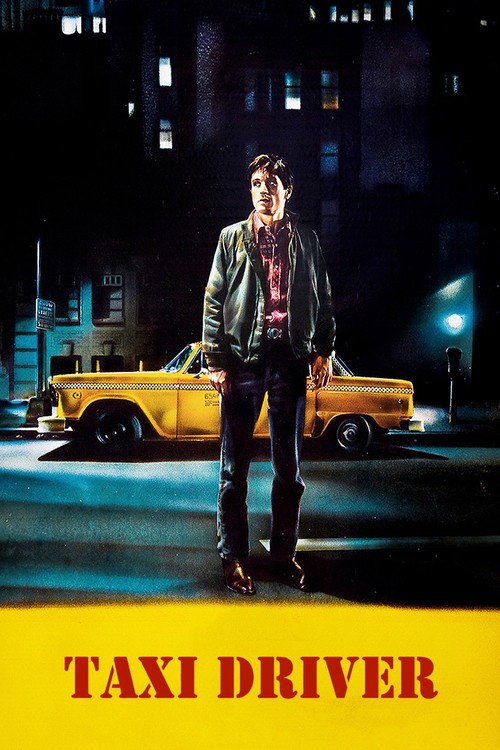
Taxi Driver1976
A portrait of urban alienation and violence that digs into the psychology of a man unraveling. Scorsese captures the same claustrophobic dread and moral weight that Bogdanovich brings to his sniper.
But Travis Bickle's monologues can feel overwrought, and the film's misogyny is genuine and difficult. Some find it self-indulgent rather than revelatory.
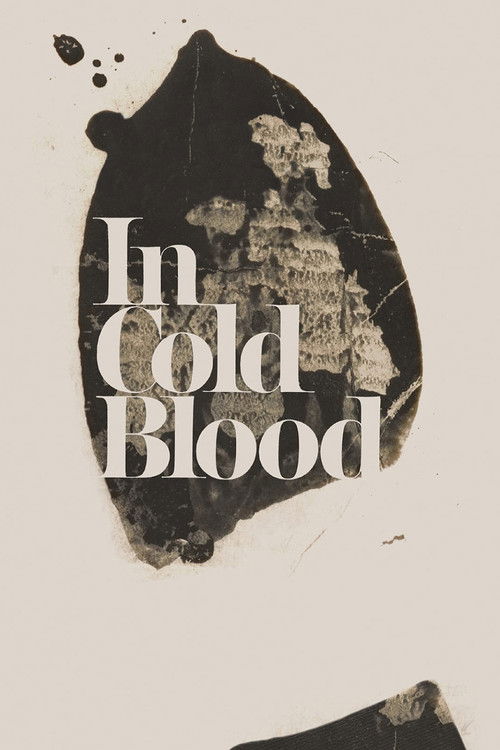
In Cold Blood1967
A methodical true-crime procedural that refuses sensationalism. It treats killers and victims with equal gravity, examining how violence ripples through communities in ways Targets was pioneering.
But Shot in stark black-and-white with minimal score, it moves slowly. If you want thrills, this is patient to the point of austerity.
The Killing1956
Kubrick's racetrack heist film shares Targets' interest in ordinary men committing extraordinary crimes. Non-linear storytelling and tight suspense, with an eye for how small decisions compound into tragedy.
But The narrative structure can feel choppy on first viewing. Some scenes linger on mundane details when you're waiting for the crime itself.

Not sure tonight? Get a pick in a minute, starting from Targets
The wildcard
Something you would not have found on your own.
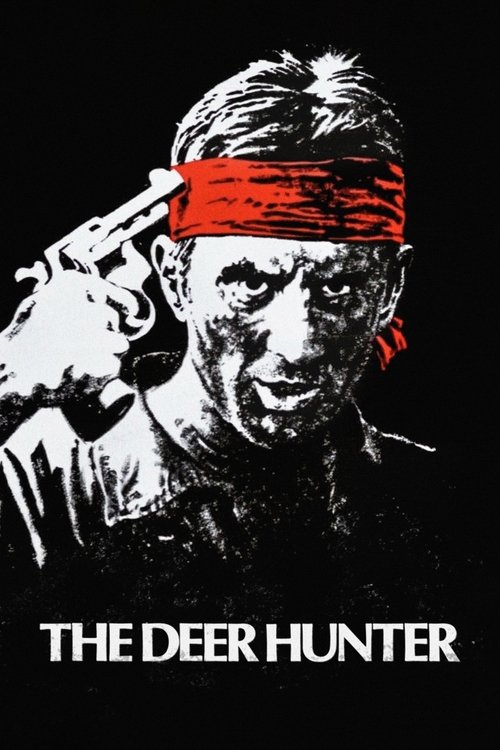
The Deer Hunter1978
Both films understand that violence—whether inflicted or witnessed—transforms who you are at a cellular level. Neither is interested in heroes or redemption, only in the cost.
Cimino's three-hour epic about blue-collar trauma and the Vietnam War. It captures something Targets is circling: how violence strips people of identity and leaves them hollow. The Russian roulette sequences are the cinema of psychological annihilation.
But Extremely long, sometimes didactic, and the anti-Russian sentiment hasn't aged well. Some scenes feel bloated, and the patriotism can read as unexamined.
More like this (8)
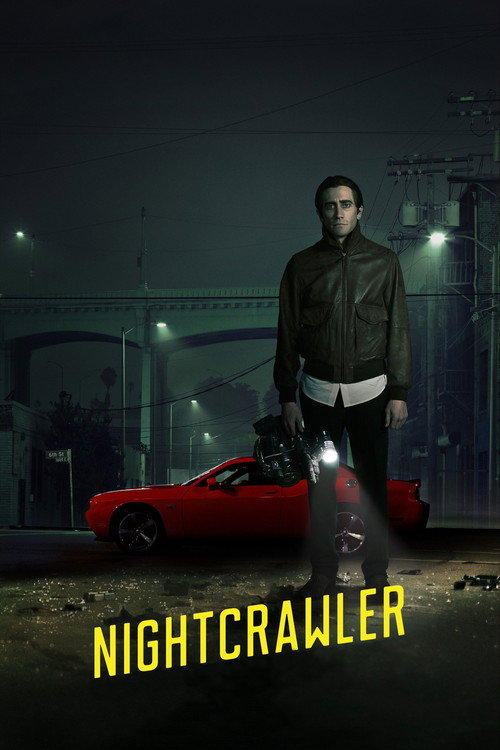
Nightcrawler2014
A scathing portrait of a sociopath indifferent to human suffering, willing to film tragedy for profit. It shares Targets' unflinching examination of how we consume violence.
But Lou Bloom is so repugnant that some viewers find it exhausting rather than illuminating. The satire can read as thin.
Rififi1955
A French crime thriller that influenced generations of suspense filmmaking. A meticulous heist and its consequences told with elegance and a sharp eye for human weakness.
But Shot in the mid-1950s, the pacing is deliberate—long takes without dialogue. It's less propulsive than modern thrillers.

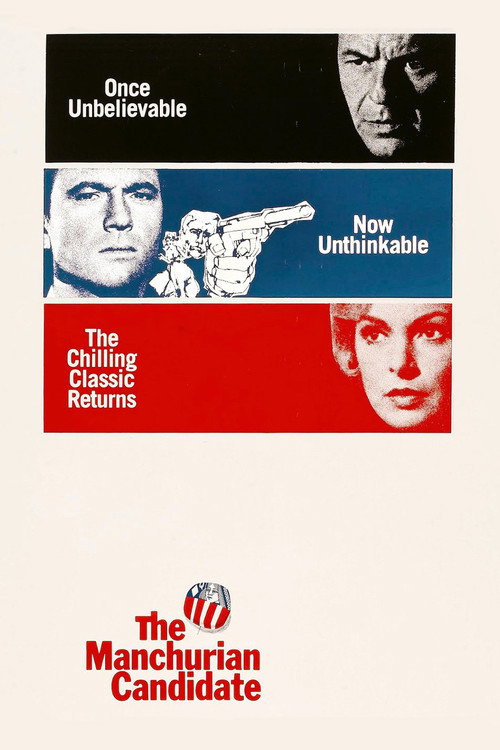
The Manchurian Candidate1962
Political paranoia meets brainwashed assassin in a film that understands how trauma can turn someone into a weapon. Anxious, intelligent, and genuinely frightening.
But The plot tangles itself in places, and the satirical tone can clash with the darker material. Some find it dated in its concerns.
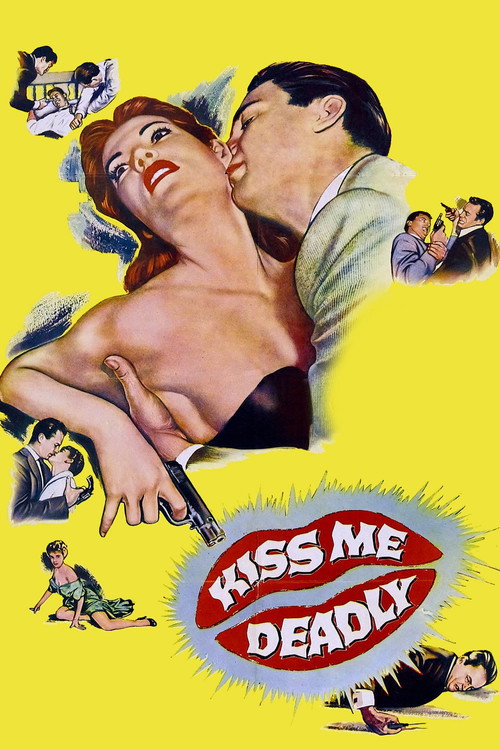
Kiss Me Deadly1955
Aldrich's noir masterpiece follows a private eye into atomic-age chaos. Brutal, visually stunning, and willing to let its world be genuinely corrupt and violent.
But Mike Hammer is a contemptible protagonist, and the film doesn't always condemn him. If you need a moral anchor, you won't find one.
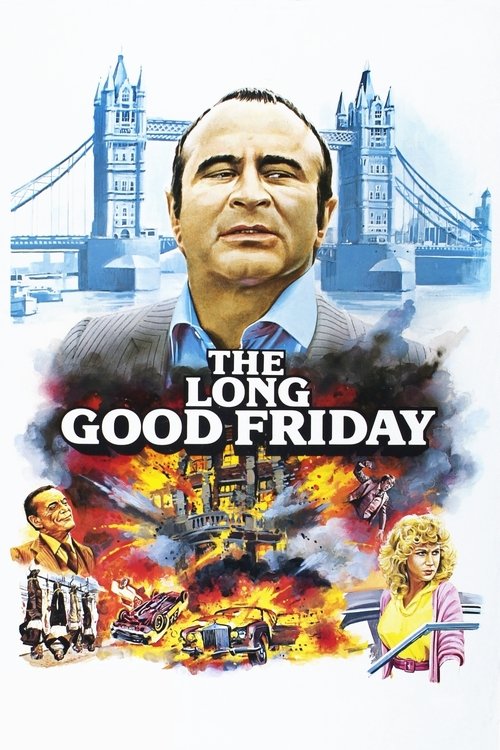
The Long Good Friday1980
Bob Hoskins as a London crime boss watching his empire implode in twenty-four hours. Raw, visceral, and furious—a film about the cost of violence on those who deal in it.
But It's brutal to the point of being difficult. There's little relief or humanity among the carnage, which some find punishing rather than cathartic.
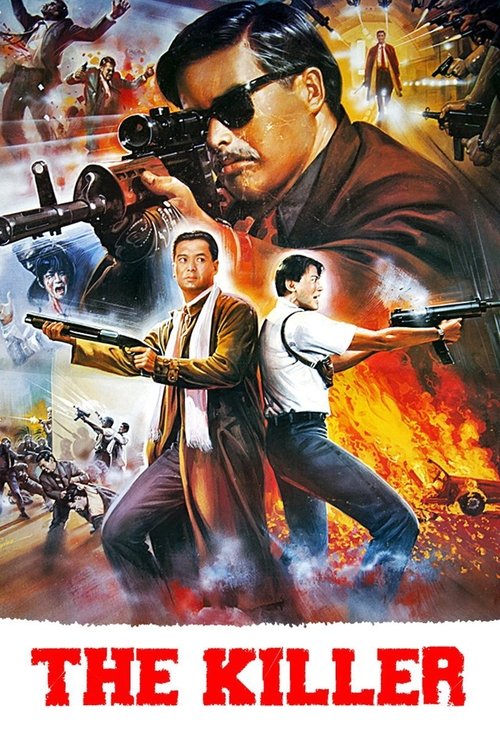
The Killer1989
Fincher's breakout film—a glacial portrait of a contract killer executing a job. Clinical, composed, and hypnotic, with an understanding of how violence becomes routine.
But Glacial is literal. Long stretches of the protagonist driving, waiting, thinking. If you need momentum, this will test your patience.
The Seventh Seal1957
Both films pit an aging artist against the reality of death—one literal, one the indifference of a younger, more violent world. Both ask what cinema owes us when confronting mortality.
Bergman's meditation on mortality, performance, and the machinery of death. A knight plays chess with Death himself. It's about the artificiality of meaning in the face of inevitable violence and ending.
But Glacially paced philosophical rumination in Swedish. If you don't like subtitles or metaphysical questions without answers, this is not for you.

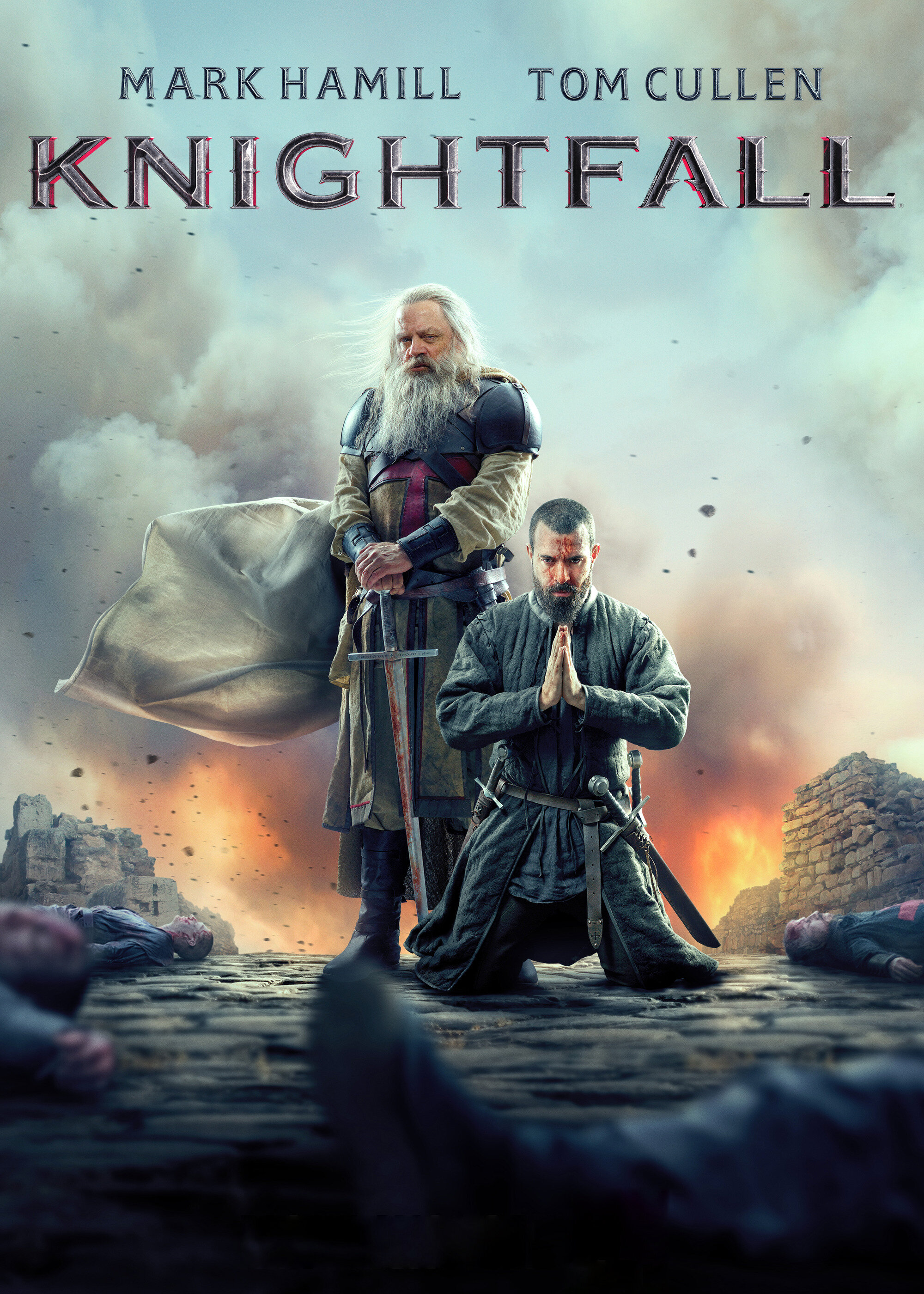
Knightfall2017
Both are about the collision between the mundane and the catastrophic, filmed in real-time. Both understand that sometimes the countdown is what matters more than the explosion.
A forgotten episode of a CBS anthology series, adapted from Asimov's story about a planet where three suns set and eternal darkness arrives. Small cast, live-action intensity, and the claustrophobia of knowing something irrevocable is coming.
But Virtually impossible to find, filmed live as television drama in the 1950s. If you can't accept technical limitations and theatrical acting, the experience won't work.
People
Cast
 Tim O'KellyBobby Thompson
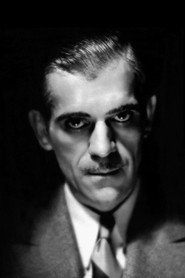 Boris KarloffByron Orlok
 Arthur PetersonEd Loughlin
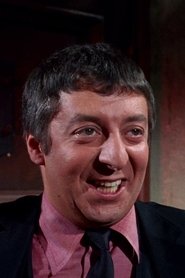 Monte LandisMarshall Smith
 Nancy HsuehJenny
 Peter BogdanovichSammy Michaels
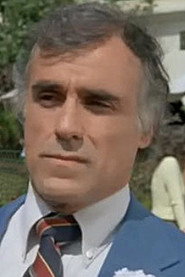 Daniel AdesChauffeur
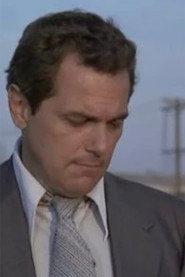 Stafford MorganSalesman - 1st Gunshop
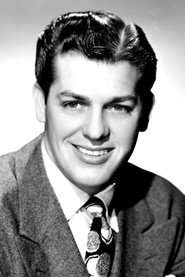 James BrownRobert Thompson Sr.
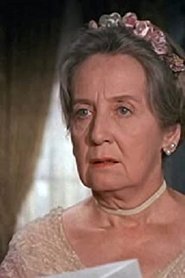 Mary JacksonCharlotte Thompson
- Tanya MorganIlene Thompson
- Timothy BurnsWaiter
Directing
- Gilles de TurenneAssistant Director
- Joyce KingContinuity
- Peter BogdanovichDirector
Writing
- Peter BogdanovichScreenplay
- Samuel FullerScreenplay
- Peter BogdanovichStory
- Polly PlattStory
Production
- Daniel SelznickAssociate Producer
- Roger CormanExecutive Producer
- Peter BogdanovichProducer
- James MorrisProduction Assistant
- Tamara AsseyevProduction Assistant
- Paul LewisProduction Manager
- Phil MillerProduction Manager
Recommended by
The Stunt Man, Winter Song, The Three Stooges Go Around the World in a Daze