
Film
Man of Iron
Andrzej Wajda's urgent drama follows a Communist propagandist sent to discredit Solidarity's shipyard strikers in 1980 Gdańsk. Shot during the actual uprising, it's a film of raw political conviction—tense, morally intricate, deeply moving. Essential for anyone interested in how cinema can bear witness to history as it unfolds.
If you liked this
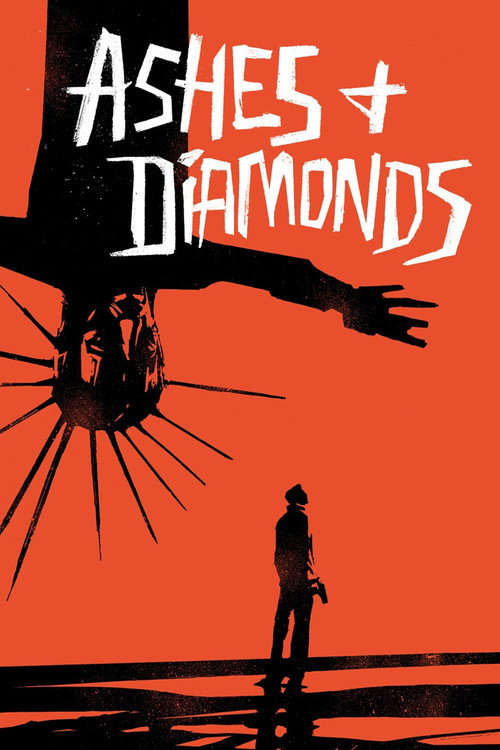
Ashes and Diamonds1958
Wajda's masterpiece about Polish resistance fighters in the final hours of WWII. Like Man of Iron, it's a portrait of conscience under impossible pressure, shot with extraordinary visual grace and moral clarity.
But The pacing is deliberate and the ending deliberately ambiguous in ways that demand patience and reflection rather than resolution.
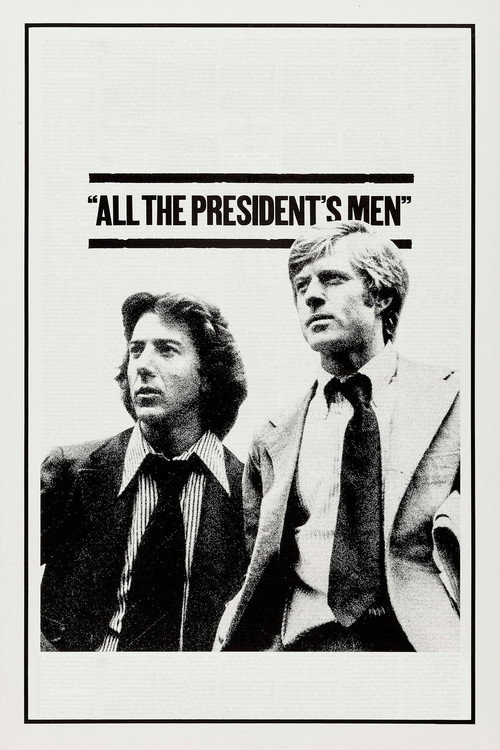
All the President's Men1976
A thriller about journalism as moral duty, where investigation becomes a form of resistance. Both films show how individuals pursue truth against institutional pressure, though here the stakes are Watergate rather than Solidarity.
But It's very American, very procedural, and lacks the raw emotional weight of witnessing a movement as it happens.
The Lives of Others2006
East German secret police surveillance of a playwright—like Man of Iron, it's about ideology colliding with human conscience. A Stasi operative becomes the moral centre of the film, just as Winkel does here.
But The script can feel schematic, and the redemption arc is more conventional than Wajda's ambiguities allow themselves to be.

Not sure tonight? Get a pick in a minute, starting from Man of Iron
The wildcard
Something you would not have found on your own.
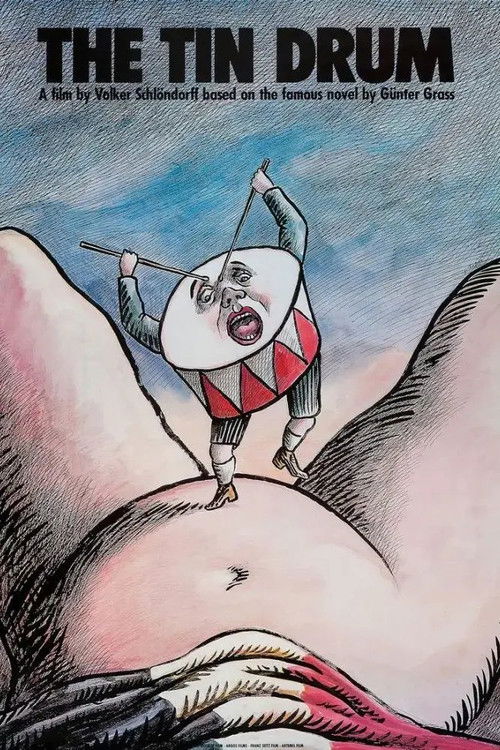
The Tin Drum1979
Both use an individual's refusal (or inability) to participate in ideology as a lens on how systems destroy ordinary people.
Volker Schlöndorff's adaptation of Günter Grass—a German child who refuses to grow up during the Nazi rise. It's a history film about ideology consuming society, but told through magical realism and grotesque comedy rather than realist drama. The perspective is utterly different, but the moral questions about complicity and resistance are identical.
But It's genuinely weird and sometimes perverse, and its surrealism can feel self-indulgent rather than illuminating.
More like this (6)
Winter Light1963
Bergman's portrait of a pastor losing faith in God and meaning. It's similarly austere, similarly concerned with what people owe each other when systems fail, similarly unwilling to offer false comfort.
But It's bleak, slow, and entirely interior—no dramatic action, only the slow erosion of certainty.

Three Colors: White1994
Kieślowski's meditation on Polish identity and humiliation after Communism's fall. It's a different film from Man of Iron, but made by someone processing the same historical wound from a different angle.
But It's cryptic and symbolic in ways that resist straightforward interpretation, and the emotional beats are subtle to the point of being easy to miss.

Stalker1979
Tarkovsky's sci-fi meditation on desire, faith, and the price of conviction. Like Man of Iron, it's about people pursuing something they believe in despite the cost, rendered in images of hypnotic intensity.
But It's 163 minutes of philosophical ambiguity with almost no plot. If you need propulsion, this will feel glacial.

Come and See1985
Elem Klimov's devastating portrait of a Soviet child soldier. Both films are about ideological systems grinding human beings, though this one is far more visceral and far less interested in nuance.
But It's one of the most traumatising films ever made. You're not watching it for entertainment; you're bearing witness to atrocity.

The Seventh Seal1957
Bergman's knight playing chess with Death. Both films are about people confronting mortality and meaning under impossible circumstances, rendered with visual poetry.
But The symbolism is sometimes overt, and the philosophical questions matter more than the characters' fates.

Moonlight2016
Both films show a man navigating identity and complicity across time, understanding that moral clarity is a luxury not everyone can afford.
Barry Jenkins' portrait of a Black man across three periods of his life—childhood, adolescence, adulthood. It's a completely different world and aesthetic, but it shares Man of Iron's refusal to simplify its protagonist or judge his compromises. Both films understand that survival sometimes requires becoming someone you didn't intend to be.
But It's elliptical and poetic rather than plot-driven, and its quietness can feel impenetrable if you're not attuned to its rhythm.

People
Cast
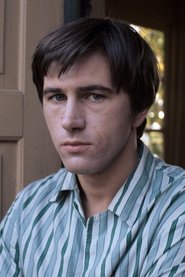 Jerzy RadziwiłowiczMaciek Tomczyk / Mateusz Birkut
 Krystyna JandaAgnieszka
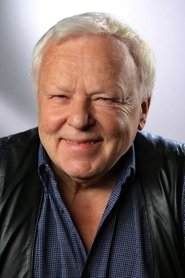 Marian OpaniaWinkel
 Irena Byrskamatka Hulewicz
 Wiesława KosmalskaWiesława Hulewicz
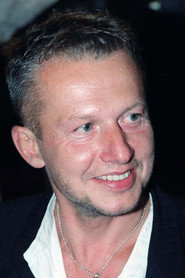 Bogusław LindaDzidek
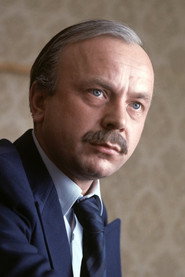 Franciszek TrzeciakBadecki
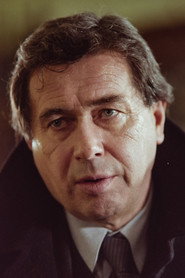 Janusz Gajoszastępca szefa Radiokomitetu
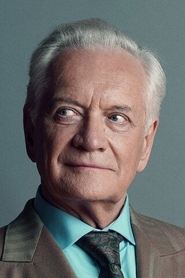 Andrzej Sewerynkapitan Wirski
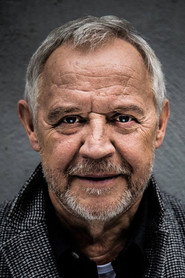 Marek KondratGrzenda
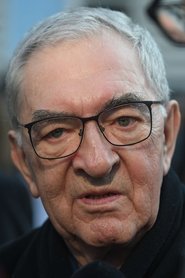 Jerzy TrelaAntoniak, działacz opozycji
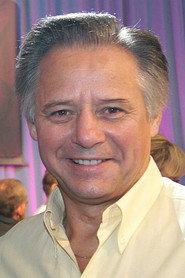 Krzysztof JanczarKryska, przyjaciel Maćka w 1970
Directing
- Andrzej WajdaDirector
Writing
- Aleksander Ścibor-RylskiWriter
Production
- Barbara Pec-ŚlesickaProduction Manager