
Film
Utu
Utu is a 1983 New Zealand war film about a Māori warrior who switches sides after colonial betrayal, igniting a cycle of revenge across 1860s frontier territory. Director Geoff Murphy crafts something rare: a Western-inflected action film that refuses to center whiteness, treating Māori resistance as morally complex rather than exotic backdrop. It's operatic and brutal, with long stretches of landscape and sudden violence. For anyone hungry for non-English-language perspectives on colonialism, or who loves ambitious genre cinema that thinks.
If you liked this
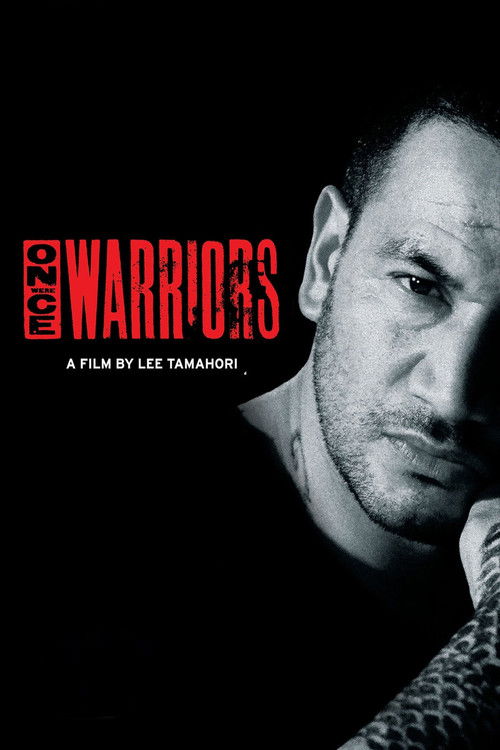
Once Were Warriors1994
A later New Zealand film that also refuses easy answers about Māori experience, trauma, and survival. Visceral family drama with the same refusal to soften reality that makes Utu so distinctive.
But Considerably darker in its domestic violence content. Some find the bleakness punishing rather than cathartic.
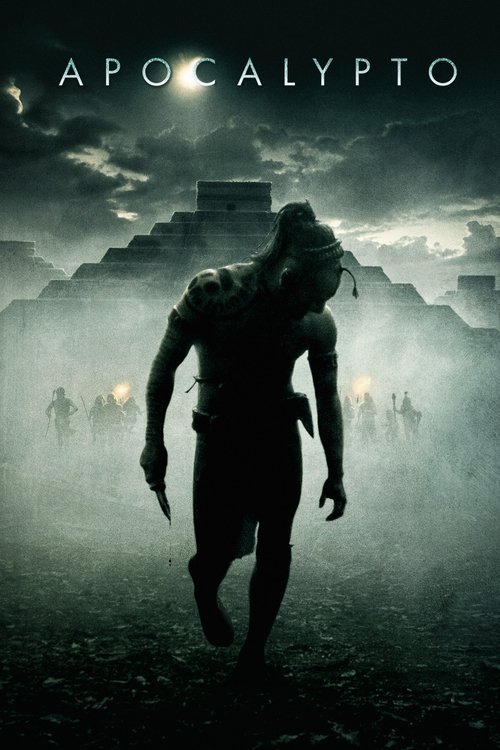
Apocalypto2006
Mel Gibson's Mayan revenge epic with a similar structure: indigenous protagonist, colonial collapse, spectacular action sequences rooted in real historical grievance. Also visually stunning and morally ambiguous.
But Gibson's filmmaking can feel exploitative of violence. Some resent the film's aesthetic choices around suffering.
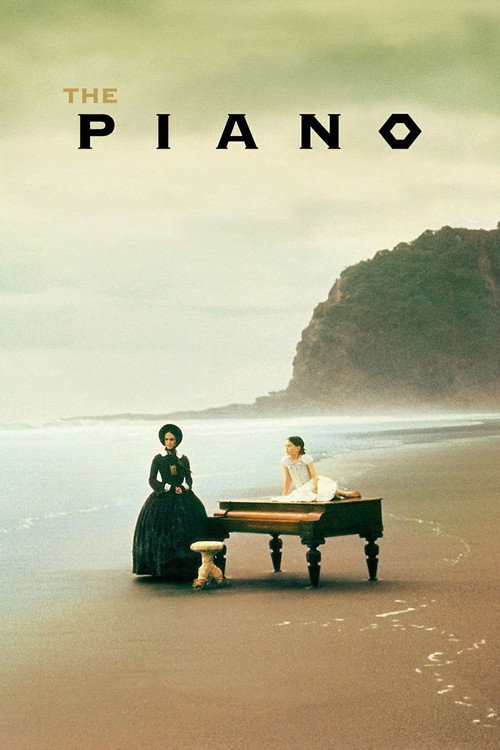
The Piano1993
Jane Campion's New Zealand period film featuring Bruno Lawrence (who's also in Utu). Explores colonial power, desire, and resistance through an entirely different lens—intimate rather than epic.
But Slow, interior, and sexually explicit in ways that won't satisfy anyone looking for action or adventure.
Not sure tonight? Get a pick in a minute, starting from Utu
The wildcard
Something you would not have found on your own.
Come and See1985
Both use a revenge narrative and a protagonist caught between sides to explore the dehumanizing cost of warfare. Both are visually ambitious in ways that refuse to make violence beautiful.
Elem Klimov's Soviet film about a Belarusian boy soldier in WWII. Like Utu, it's a war film that uses a protagonist's transformation—here from innocence to something harder—to ask what revenge and violence actually cost. Operatic and devastating.
But Genuinely traumatic. This is not entertainment. It's a film that demands you sit with atrocity without flinching or looking away.

More like this (8)
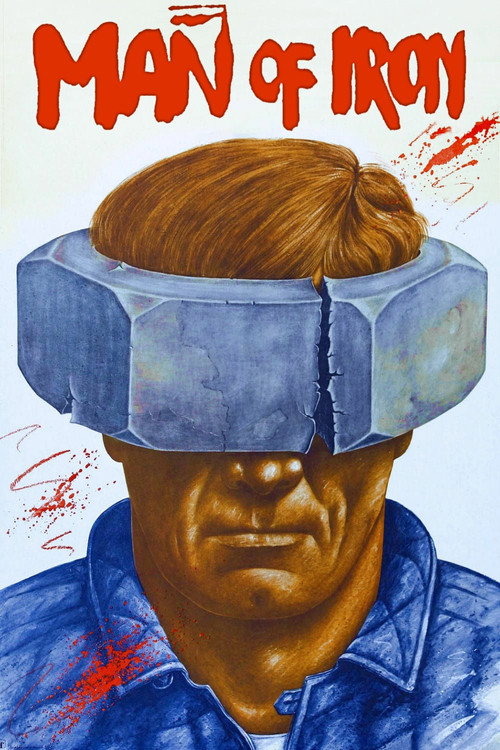
Man of Iron1981
Polish Andrzej Wajda film about Solidarity and state repression. Similar moral complexity about resistance, collaboration, and what violence costs. The historical specificity makes it bite.
But Requires patience with subtitles and political nuance. No action sequences to speak of.
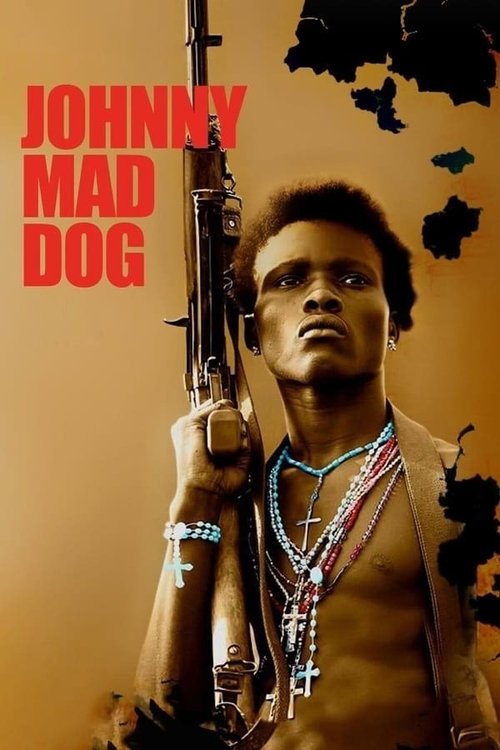
Johnny Mad Dog2008
Jean-Pierre Amélin's unflinching look at child soldiers in Liberia. Like Utu, it refuses to sentimentalize its protagonist or make violence cathartic. Technically brilliant and ethically rigorous.
But Genuinely difficult to watch. The realism is the point, but it's punishing.
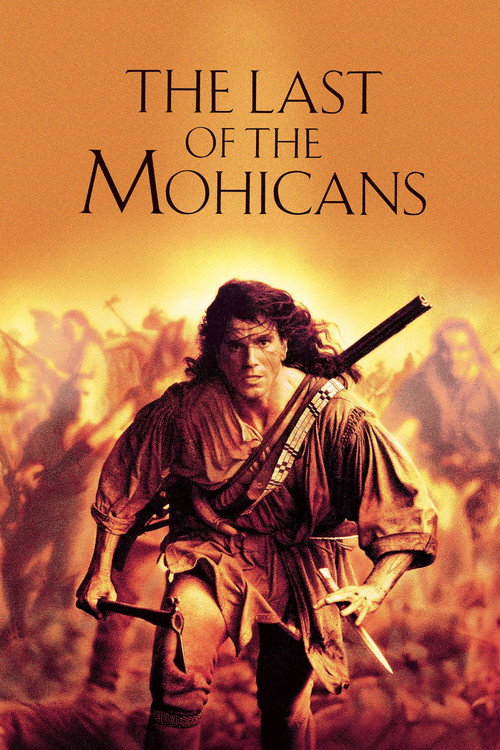
The Last of the Mohicans1992
Michael Mann's adaptation treats its Indigenous protagonist with surprising respect and gives him genuine agency. The action is superb, the landscape mythic. It's the adventure-film version of what Utu attempts.
But Still a Hollywood product centering a white hero. If you want non-white perspectives, this only partly delivers.
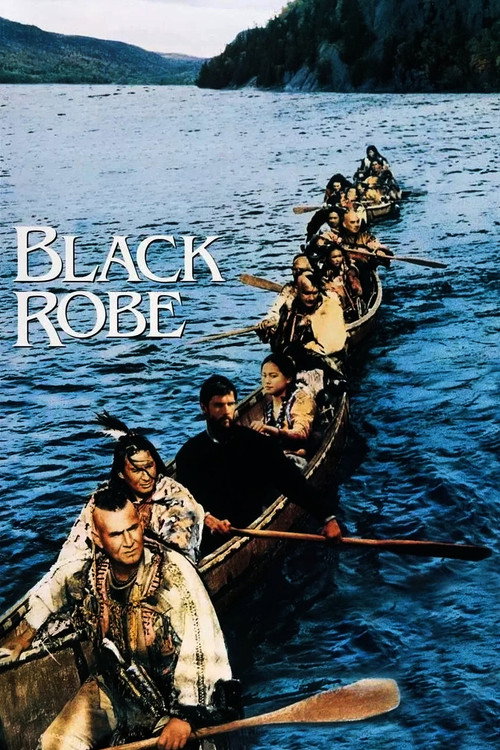
Black Robe1991
Bruce Beresford's Canadian film about Jesuit missionaries and Haudenosaunee people in the 1630s. Thoughtful, slow-burn, and genuinely interested in cultural collision rather than triumph.
But Meditative to the point of stasis. The violence is sparse, the pacing glacial.
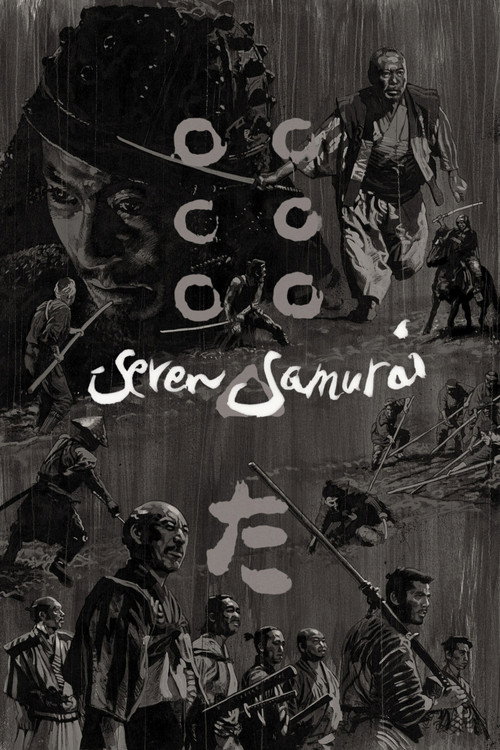
Seven Samurai1954
Kurosawa's masterpiece about hired warriors defending a village. Like Utu, it's a genre film (adventure) that uses action to ask questions about honor, loyalty, and the cost of fighting.
But Nearly four hours. The black-and-white cinematography and subtitles will alienate some viewers.
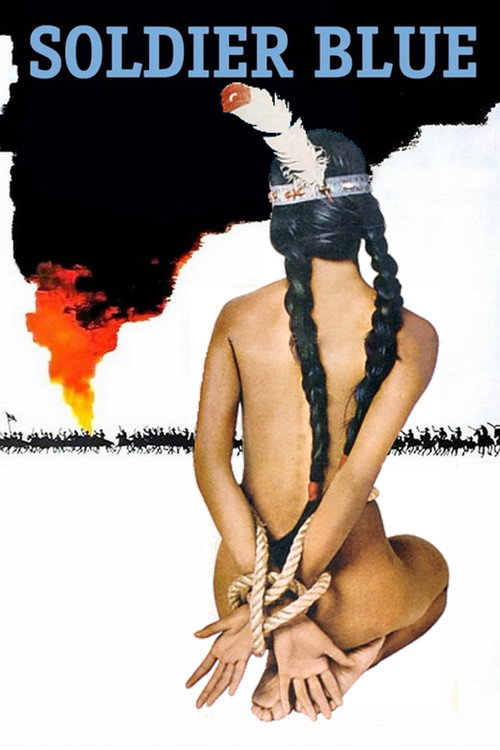
Soldier Blue1970
Ralph Nelson's revisionist Western that doesn't shy from showing U.S. cavalry atrocities. Crude by modern standards but genuinely committed to showing colonialism's brutality without apology.
But Dated aesthetics and some problematic elements by contemporary standards. The directness can feel clumsy.
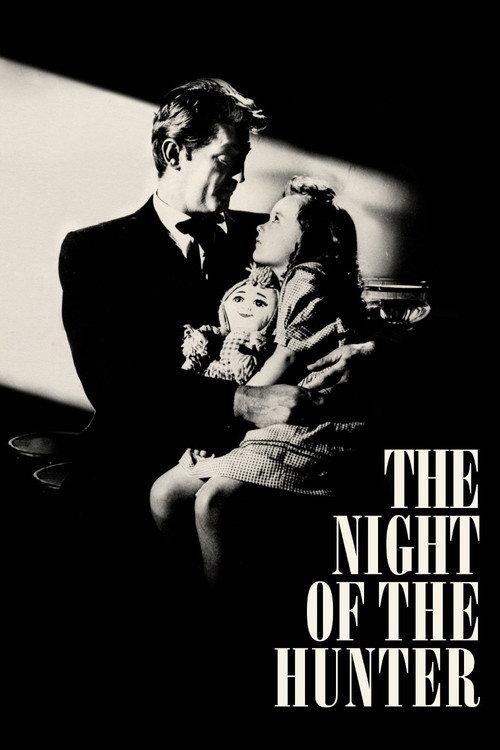
The Night of the Hunter1955
Both treat landscape as mythic and moral space. Both use the pursuit structure to explore predation and survival. Both refuse to let good and evil be simple.
Charles Laughton's only film as director: a Gothic, operatic thriller about a preacher pursuing children down a river. Like Utu, it's a genre film (thriller/adventure) that's genuinely interested in mythology and moral darkness.
But The register is entirely different—this is nightmare logic, not historical realism. Some find the stylization artificial.
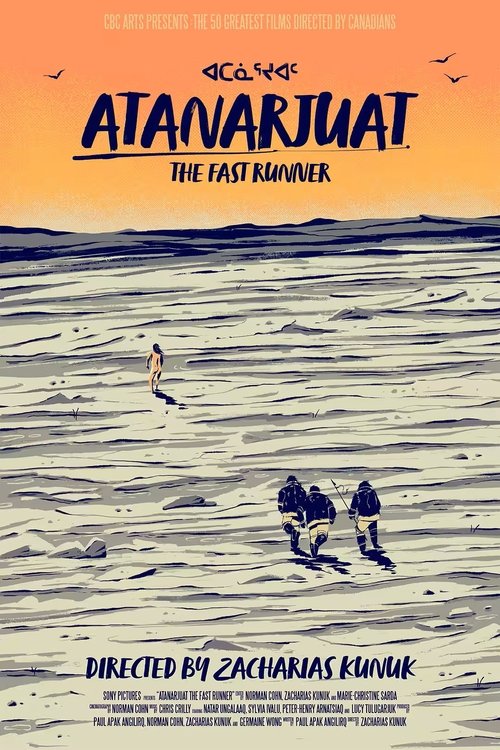
Atanarjuat: The Fast Runner2002
Both center Indigenous protagonists and Indigenous understandings of honor, revenge, and community. Both refuse to translate themselves into Western idiom. Both are visually extraordinary without being pretty.
Zacharias Kunuk's Inuit-language film about myth, betrayal, and survival in the Arctic. Shot entirely by Inuit crew and cast. It's epic, strange, and structurally operatic—a revenge narrative that feels genuinely culturally rooted.
But Challenging pacing and a register unlike Western cinema. Three hours in a language most viewers don't speak, with minimal exposition. Requires active attention.
People
Cast
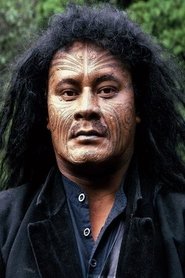 Anzac WallaceTe Wheke
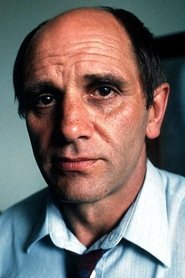 Bruno LawrenceWilliamson
- Tim ElliottCol. Elliot
- Kelly JohnsonLt. Scott
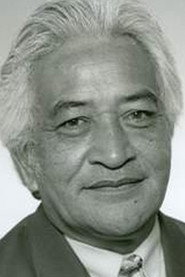 Wi Kuki KaaWiremu
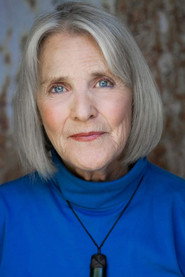 Ilona RodgersEmily
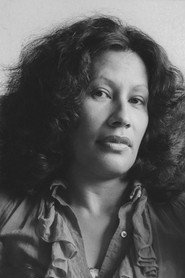 Merata MitaMatu
- Faenza ReubenHersare
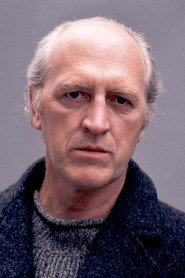 John BachBelcher
- Tom PoataPuni
- Tania BristoweKura
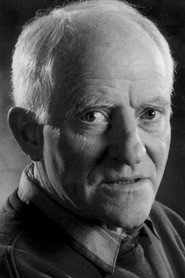 Martyn SandersonVicar
Directing
- Geoff MurphyDirector
- Lee TamahoriFirst Assistant Director
- Chris ShortSecond Assistant Director
- Jonothan CullinaneThird Assistant Director
Writing
- Geoff MurphyWriter
- Keith AberdeinWriter
Production
- David Carson-ParkerExecutive Producer
- Kerry RobinsExecutive Producer
- Don BlakeneyProducer
- Geoff MurphyProducer
- Ron HighfieldProduction Designer
- Pat RobinsProduction Manager