
Film
A Sunday in the Country
- Family drama
- Slow-burning
A French chamber piece about a widowed painter's Sunday afternoon with his fractious family: a dutiful son, his restless wife, their children, and the painter's independent daughter who visits rarely. Bertrand Tavernier's film is all glances and silences, more interested in the shape of longing than plot. It's for anyone who believes the smallest moments can hold entire lives.
If you liked this
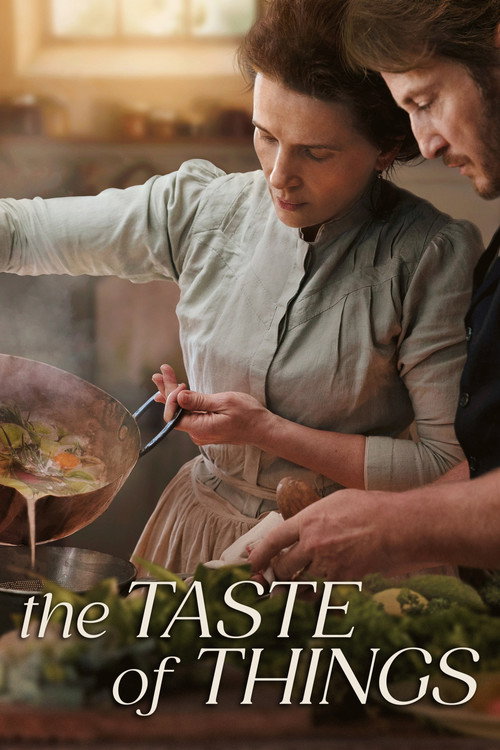
The Taste of Things2023
A recent French film about a widowed man's quiet life with a housekeeper, equally invested in unspoken bonds, ritual, and the ache of attachment. The same director's gift for making domesticity feel profound.
But It's deliberately paced and asks you to notice what isn't said. If you need plot momentum, you will find this glacial.
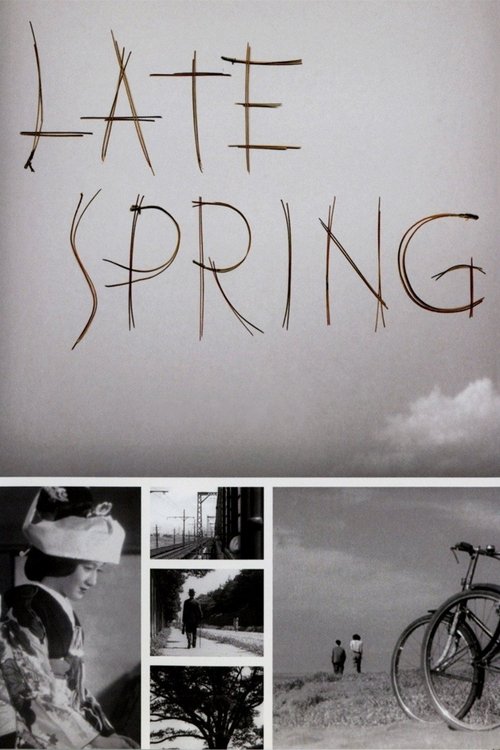
Late Spring1949
Ozu's masterpiece about an aging father and daughter circling the question of her marriage. Same DNA: the weight of family obligation, the spaces between love and resentment, quiet visual storytelling.
But Very slow, very Japanese in its emotional restraint. The subtlety can feel like nothing is happening until you realize everything has.
Moonlight2016
Three chapters of a life told through glances, touch, and what's left unsaid. Like Tavernier, Barry Jenkins finds the profound in small moments—a conversation in a car, a hand on a shoulder.
But Some find the narrative fragmentation frustrating. It won't give you easy emotional beats.

Not sure tonight? Get a pick in a minute, starting from A Sunday in the Country
The wildcard
Something you would not have found on your own.
Ikiru1952
Both films use a gathering—a Sunday, a hospital vigil—to excavate what each character has settled for, and whether they can still reach each other across that distance.
Kurosawa's portrait of a dying bureaucrat learning to live. Like Tavernier, it finds transcendence in an ordinary life and the way family relationships mask what we actually need from each other.
But A film about mortality and regret with no false comfort. The second half shifts tone in ways some find manipulative.

More like this (8)
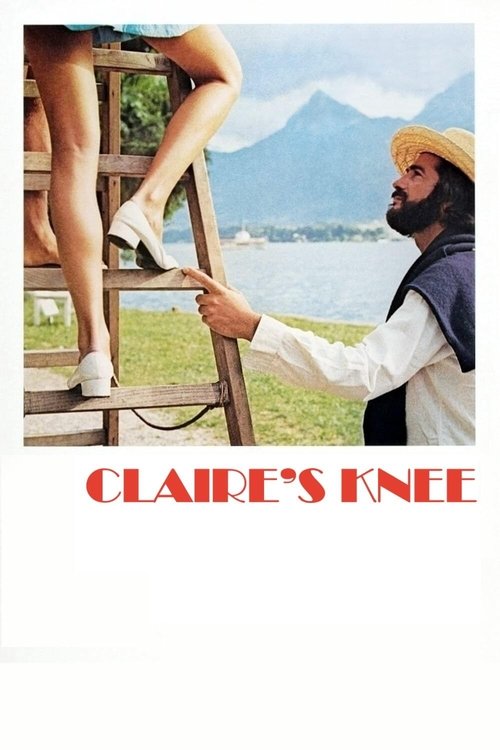
Claire's Knee1970
Rohmer's chamber film about adult desire and restraint, set in a summer house where nothing much happens but everything matters. The same precision about what people want and won't admit.
But Dialogue-heavy and philosophical. The drama is entirely internal, which some experience as tedium.
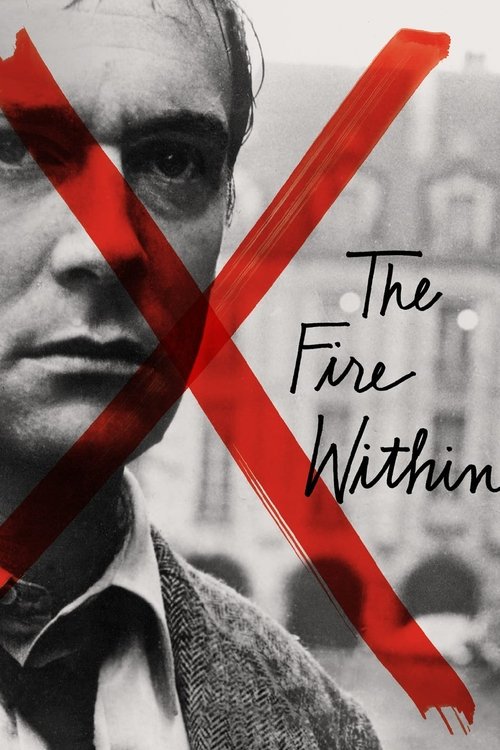
The Fire Within1963
Malle's unflinching portrait of a man visiting old friends, each encounter revealing a small failure of connection. Intimacy and isolation in the same room—the film's true subject.
But It's bleak and doesn't offer you comfort. The ending is devastating and earned.
The Leopard1963
Visconti's portrait of a Sicilian aristocrat watching his world change, focused on duty, family, and the quiet grief of obsolescence. Operatic where Tavernier is intimate, but the same elegiac core.
But Nearly three hours, heavily stylized, and its politics are complex. Easy to admire from a distance and feel nothing.

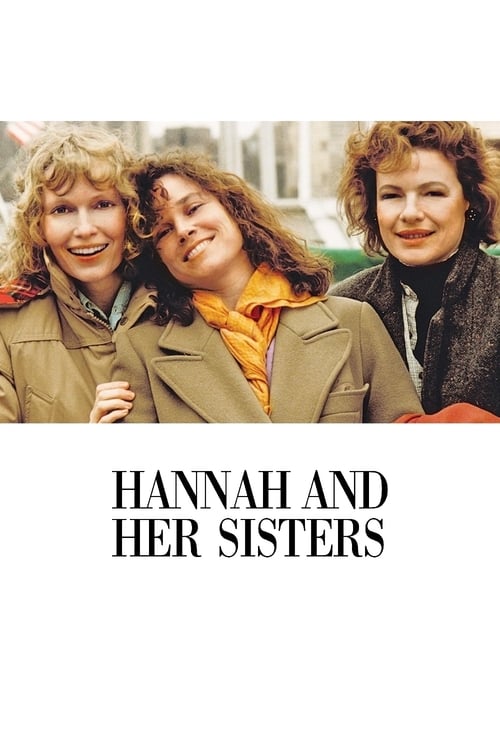
Hannah and Her Sisters1986
Allen's warmest film: three sisters and the men around them across a year, told with actual affection. Like Tavernier, it trusts small scenes between people to accumulate into something true.
But Allen's anxiety is all over it. Some find his neurosis wearing; the ending is openly sentimental.
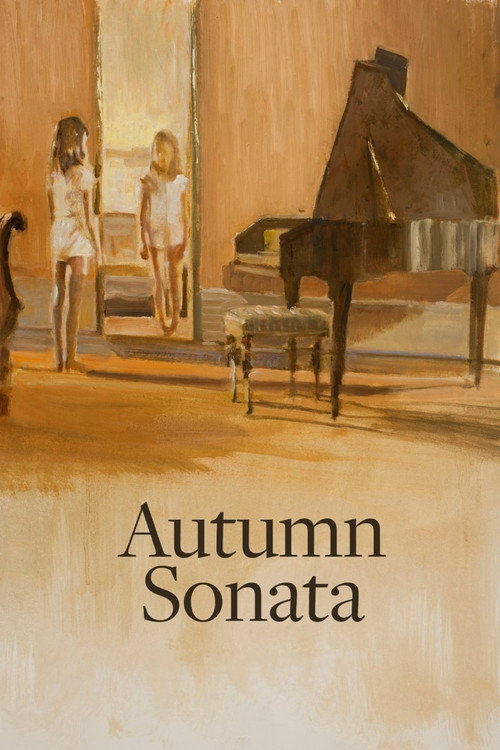
Autumn Sonata1978
Bergman's chamber piece: a mother and daughter alone for a weekend, their conversation excavating decades of hurt. Raw where Tavernier is subtle, but the same commitment to the weight of family.
But Intensely psychological and claustrophobic. Liv Ullmann's pain is exhausting to watch, which is rather the point.
In the Mood for Love2000
Wong Kar-wai's film about two neighbors discovering their spouses' affair, told almost entirely through silhouettes and surfaces. Style as emotional truth, unspoken feelings made visible.
But Visual beauty can feel like its own subject. Plot is minimal and the melancholy is total.

A Prophet2009
Both understand that what matters most is what you see in someone's eyes across a table, and how little words explain about human connection.
A French film, brutally contemporary, about a young man in prison learning power and survival. It has Tavernier's precision about how people actually relate—the glances, the silences, the hierarchies.
But It's violent and bleak. The world it depicts has no gentleness, and neither does the film.

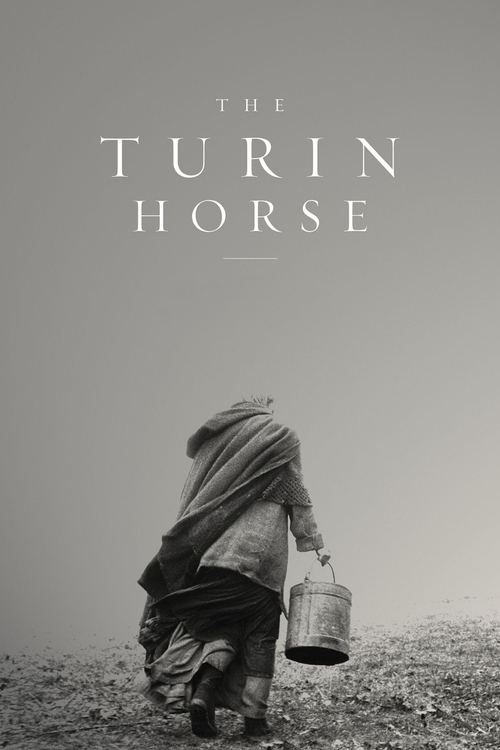
The Turin Horse2011
Both use a confined space and a small family unit to ask what remains when everything inessential is stripped away. Tavernier's answer is tender; Tarr's is void.
Béla Tarr's austere apocalypse: an old man and his daughter in an empty house as the world runs down. Black and white, repetitive, hypnotic—it makes Tavernier look almost effusive, but the core is the same.
But Genuinely punishing to watch. No plot, no comfort, no musical score. Pure atmosphere and dread. Not for a casual Sunday.
People
Cast
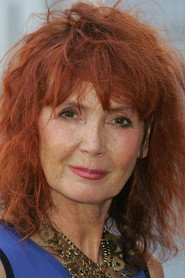 Sabine AzémaIréne
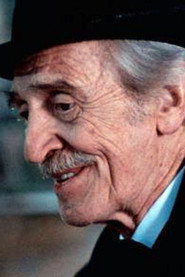 Louis DucreuxMonsieur Ladmiral
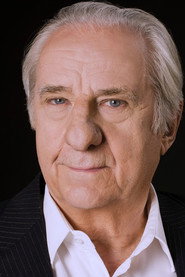 Michel AumontGonzague
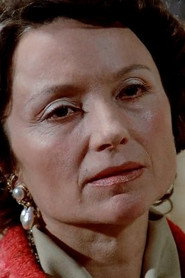 Monique ChaumetteMercedes
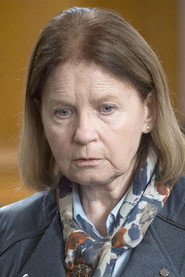 Geneviève MnichMarie-Thérèse
- Thomas DuvalEmile
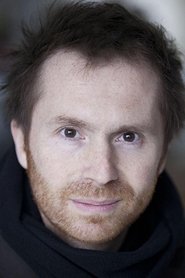 Quentin OgierLucien
- Katia WostrikoffMireille
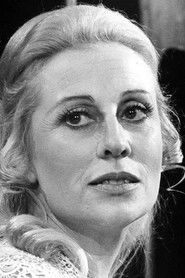 Claude WinterMadame Ladmiral
 Jean-Roger Milole pêcheur
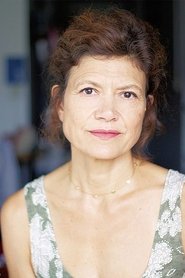 Pascale Vignalla serveuse
- Valentine Suardune petite fille
Directing
- Bertrand TavernierDirector
Writing
- Pierre BostNovel
- Bertrand TavernierScreenplay
- Colo Tavernier O'HaganScreenplay
Production
- Alain SardeProducer
- Bertrand TavernierProducer