
Film
The Test
Other titles called The Test: the 2020 film.
A fifteen-minute Chinese drama about a professor discovering student cheating, then choosing a response that spirals outward—threatening institutional foundations and her own carefully constructed life. Sharp-eyed, quietly devastating, it's a story about integrity's cost when systems demand compromise.
If you liked this
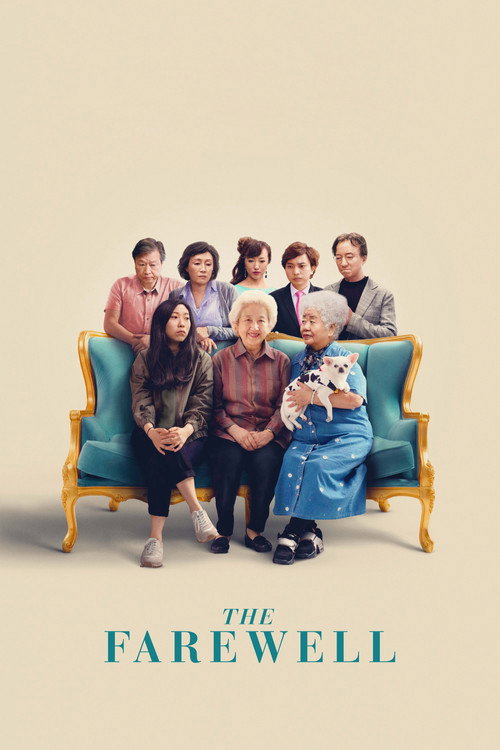
The Farewell2019
Family secrets and cultural duty collide when a Chinese-American woman returns home for a deceptive gathering. Like *The Test*, it finds moral complexity in how we navigate between honesty and love across generational and cultural divides.
But Measured pacing and emotional restraint rather than dramatic catharsis might feel slow if you're after conventional plot momentum.
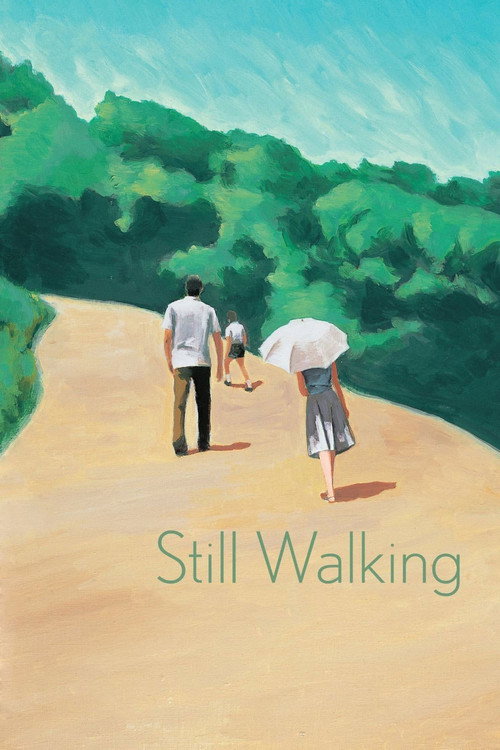
Still Walking2008
A Japanese family reunion becomes a portrait of accumulated regret, unspoken resentments, and the lies we tell to hold things together. Same DNA as *The Test*—quiet observation of how institutions (family, society) demand we betray ourselves.
But Hirokazu Kore-eda's style is glacial. If you need plot forward momentum or emotional release, this will frustrate you.
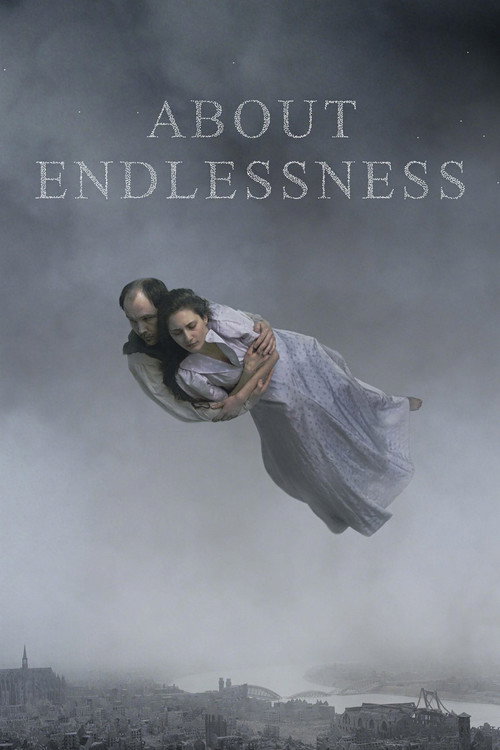
About Endlessness2019
Roy Andersson's portrait of modern existence in fragments—people caught between duty and desire, complicity and conscience. The same moral vertigo as *The Test*, but sprawling across many lives instead of focusing inward on one woman.
But Abstract and essayistic rather than narrative. If you want a clear three-act structure, you won't find it here.
Not sure tonight? Get a pick in a minute, starting from The Test
The wildcard
Something you would not have found on your own.
Stalker1979
Both examine integrity and desire confronted by systems—institutional in one, existential in the other. Each asks: what happens when your principles meet a test you can't refuse?
Andrei Tarkovsky's philosophical science-fiction film about a man guiding people toward a room that grants wishes—if they can bear the moral weight of wanting. The connection: both films are about systems (institutional and metaphysical) that ask you to confront what you actually believe when tested.
But 163 minutes of meditative, dialogue-heavy cinema. If you came to *The Test* expecting taut drama, this will feel glacially distant.

More like this (8)
The Audition2015
Takashi Miike's twisted exploration of deception and performance in professional hierarchies. Darker than *The Test*, but working the same territory—how systems corrupt the people within them, and how far integrity can actually bend.
But Graphic violence and stomach-turning images. It's not gratuitous, but it will disturb you deliberately.
A Prophet2009
A young man imprisoned must navigate between institutional survival and personal ethics. Like *The Test*, it's about systems that force you to become complicit in order to survive within them.
But Two-and-a-half hours and deliberately paced. The prison setting and criminal world might feel remote from your own concerns.

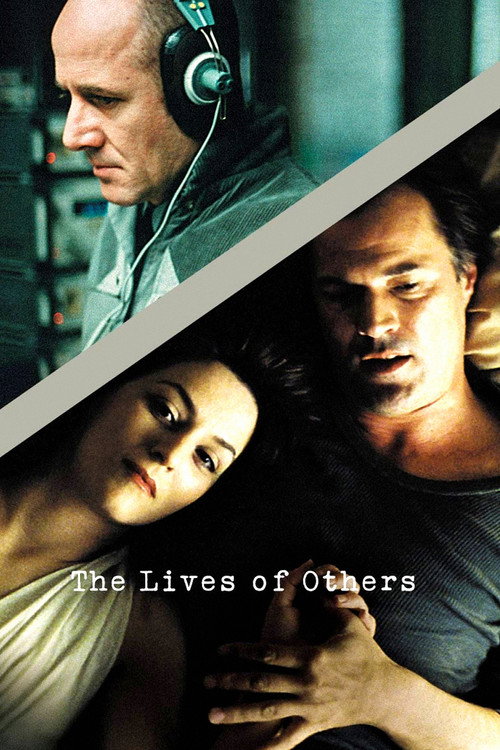
The Lives of Others2006
A Stasi informant starts to question the system he serves after spying on a playwright and actress. It shares *The Test*'s central question: at what point does your complicity become your guilt?
But A historical thriller that resolves more cleanly than *The Test* does. If you loved the short film's refusal of easy answers, this might feel too neat.
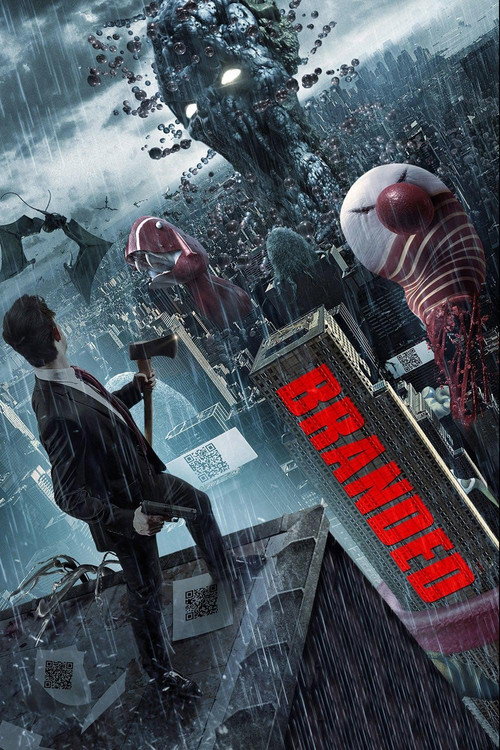
Branded2012
A Russian advertising executive starts seeing the hidden machinery behind consumer culture and can't unsee it. Both films are about awareness of corruption becoming your personal moral crisis.
But Visually experimental in ways that distract from story. The symbolism can feel heavy-handed and the narrative fragmented.
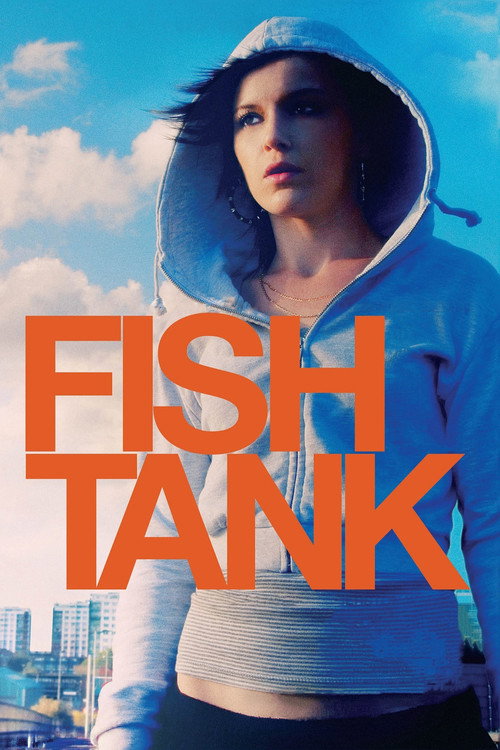
Fish Tank2009
Andrea Arnold's unflinching portrait of a young woman navigating class, desire, and self-deception in contemporary Britain. The same clear-eyed attention to how people compromise their own principles.
But Gritty and unglamorous. There's no catharsis here, just accumulating smallness.
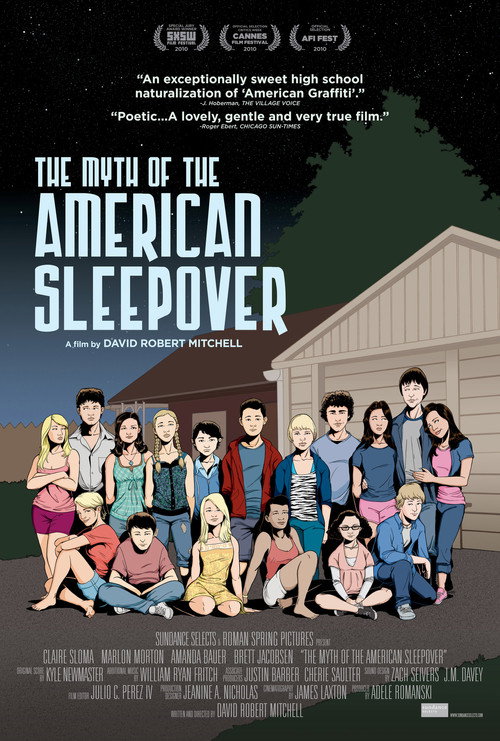
The Myth of the American Sleepover2011
David Robert Mitchell's elliptical high-school story about attraction, yearning, and the small deceits of adolescence. A different register but the same moral antenna—catching the moments where integrity gets negotiated away.
But Plotless and deliberately vague. The lack of dramatic payoff will feel evasive if you need clear stakes.
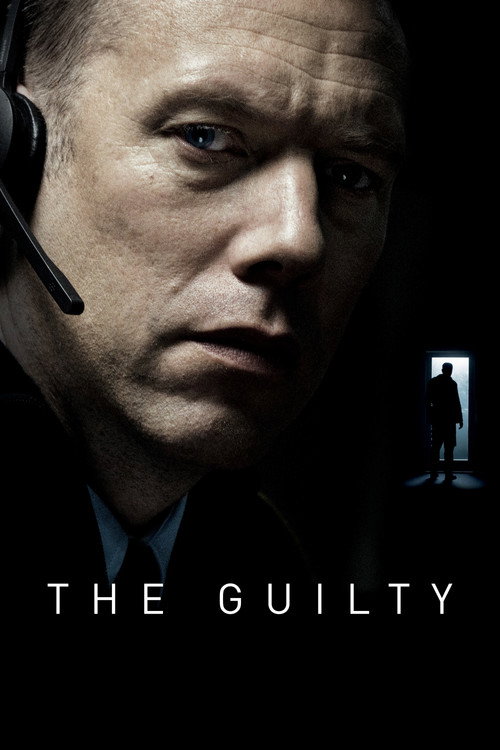
The Guilty2018
Both are about ordinary people in systems where doing the right thing has cascading, uncontrollable consequences. Both refuse easy answers.
A Danish emergency dispatcher takes a call from a woman in danger and begins a harrowing moral descent. Where *The Test* is quiet and inward, this is a contained pressure cooker—but identical in its exploration of complicity and the limits of responsibility.
But Claustrophobic and psychologically punishing. The real-time structure and single setting will exhaust rather than excite some viewers.
The Act of Killing2012
Both use institutional frameworks to expose how people rationalize complicity. *The Test* is intimate and fictional; this is confrontational and documentary. Both reveal the architecture of self-deception.
Joshua Oppenheimer's documentary asks Indonesian death-squad killers to reenact and reflect on their own atrocities. A completely different form, but the same skeletal question as *The Test*: how do people rationalize systematic harm? How do we live with what we've done?
But Morally uncomfortable and structurally unusual. Watching perpetrators perform their crimes is deeply unsettling, and the film offers no redemption.

People
Cast
 Han WenProfessor Xu
- Joyce DaitaLi Siting
- Tao HuangDean Wang
- Dawo WangLover
- Xiangtian ZhengRadio broadcast (face)
Directing
- Timmy PanAssistant Director
- Caroline GuoDirector
- Kanghui YaoSecond Assistant Director
Writing
- Caroline GuoWriter
- Ziqin HanWriter
Production
- Yun LiangProduction Designer
- Lenny ZengProduction Manager