
Film
Tokyo Sonata
- Family drama
- Very dark
A Tokyo family fractures when the father loses his job and hides it from his wife. Kiyoshi Kurosawa's film watches quietly as unemployment, shame, and silence corrode the bonds between parents and children. It's tender and devastating—less a plot than an atmosphere of creeping dread. For anyone who understands that catastrophe often whispers.
Should you watch it?
Watch it if you like quiet domestic dramas where a family's cracks widen through small, exact gestures, and where unsettling turns arrive with a dry, almost deadpan calm.
Skip it if you need plot momentum or clear emotional payoffs, since this is slow to build and keeps its characters at a careful distance from the audience.
What it asks of you: It runs two hours at a measured, unhurried pace, and it wants you to sit with awkward silences and rooms where nobody says what they mean.
Not sure? Find tonight's pick in a minute.
If you liked this
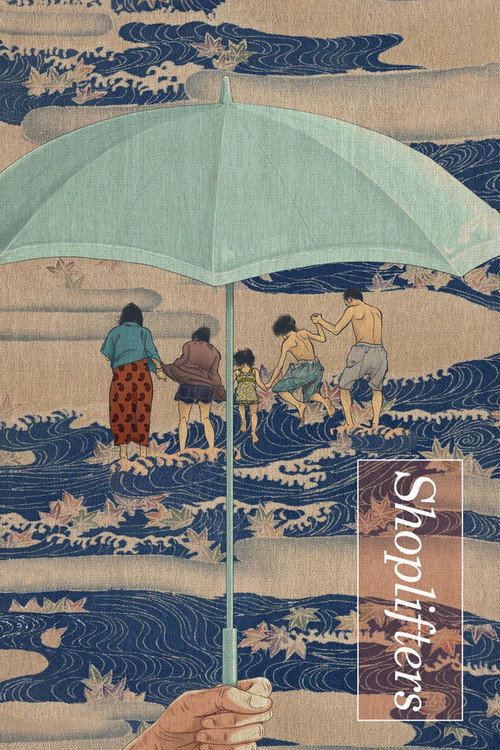
Shoplifters2018
Hirokazu Kore-eda finds profound humanity in a makeshift family held together by small deceits and genuine love. Like Tokyo Sonata, it asks what we owe each other when survival demands compromise.
But The pacing is glacial. If you need momentum or clear dramatic beats, this will feel like watching paint dry in real time.
Ikiru1952
Akira Kurosawa's masterpiece about a dying man searching for meaning in a bureaucratic life. The same quiet rage at futility, the same ache about time wasted on work that doesn't matter.
But Shot in black-and-white, deliberately paced, and emotionally exhausting. Modern viewers often find it slow despite its brilliance.

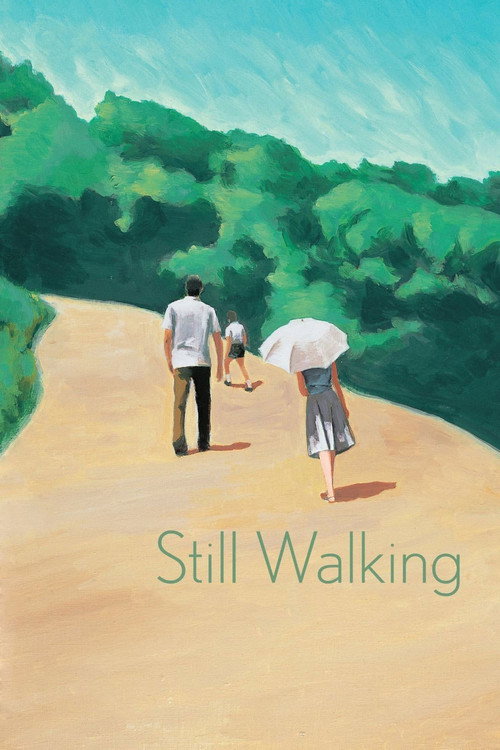
Still Walking2008
Kore-eda again, this time tracking a family gathering haunted by an old tragedy. The same year as Tokyo Sonata, same minimalist approach to family pain, same genius for silence.
But Nothing happens, really. If you watch films for plot propulsion, you'll spend two hours frustrated.
Not sure tonight? Get a pick in a minute, starting from Tokyo Sonata
The wildcard
Something you would not have found on your own.
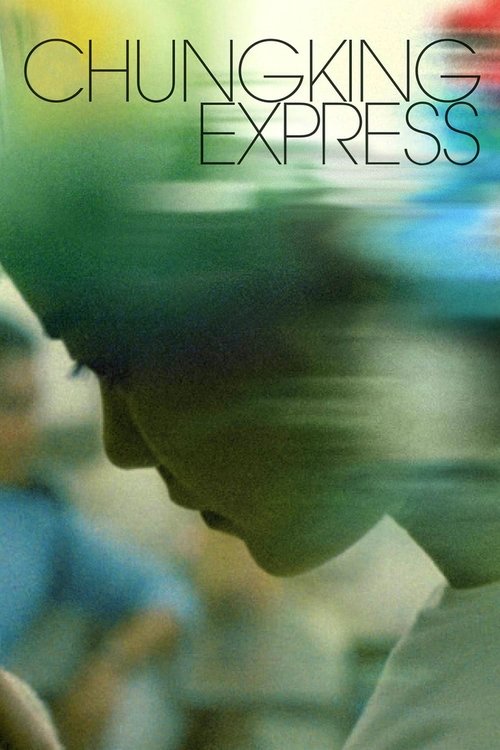
Chungking Express1994
Both depict urban isolation and the impossibility of real communication, but through opposite visual and tonal approaches.
Wong Kar-wai's neon fever dream seems nothing like Tokyo Sonata until you notice both are about urban loneliness, the difficulty of connection, people orbiting each other without touching. One is melancholy and quiet; one is bright and propulsive. Same heartache in different costumes.
But It's deliberately artificial—saturated color, overlapping sound, jump cuts, whimsy. If you want naturalism, this aesthetic will annoy you.
More like this (6)
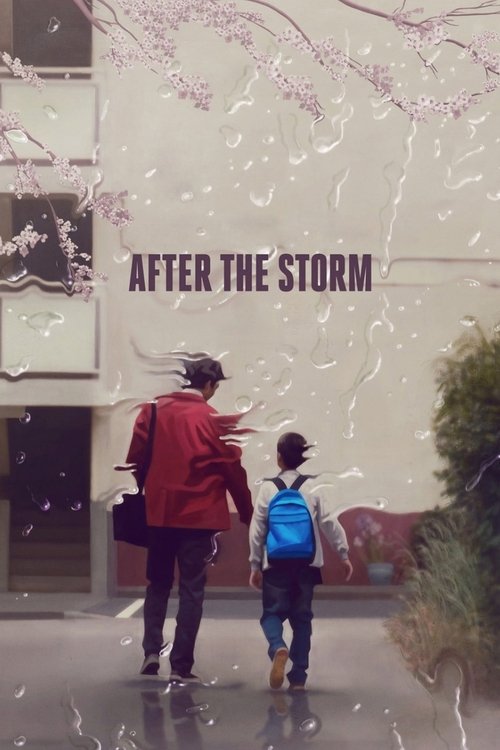
After the Storm2016
Kore-eda once more—a divorced father tries to reconnect with his son while adrift in middle age. The same tenderness toward ordinary failure, the same belief that small moments matter.
But It resists catharsis. You don't get the emotional release you've been promised. It just ends.
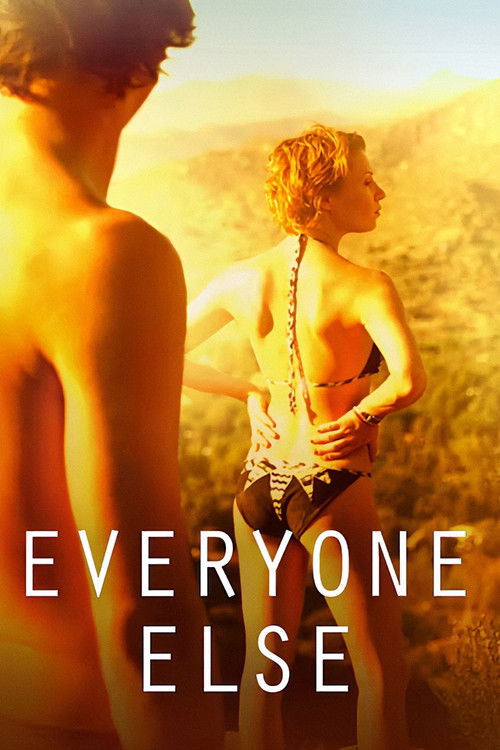
Everyone Else2009
A couple's vacation becomes a slow-motion argument about who they actually are to each other. Rainer Werner Fassbinder's precision in showing how intimacy curdles into alienation.
But It's essentially ninety minutes of people being unkind in small ways. Emotionally draining, not cathartic.
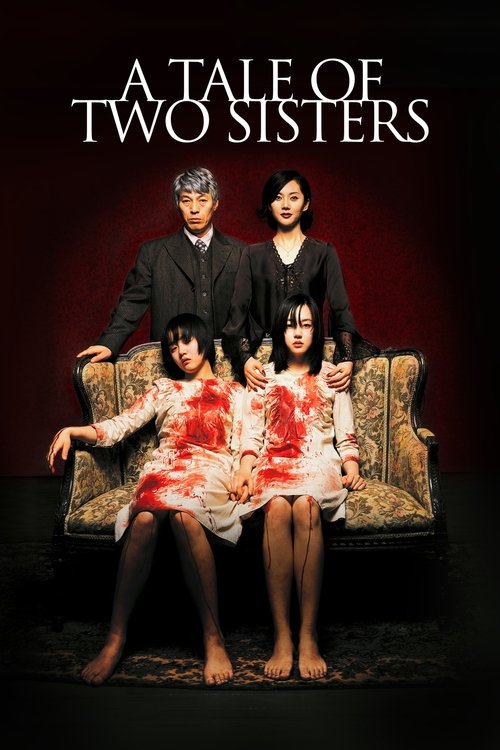
A Tale of Two Sisters2003
A Korean film about two sisters living in a home that becomes increasingly unsettling. Like Tokyo Sonata, it uses domestic space as a mirror for internal fracture and psychological breakdown.
But It's deliberately cryptic. If you need clarity about what's real and what's psychological, you won't get it, and that frustrates many.
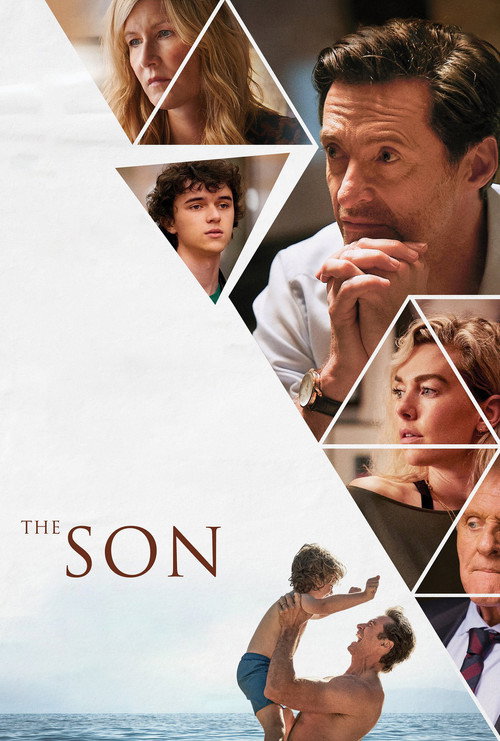
The Son2022
Florian Zeller's portrait of depression and family strain. A father, a mother, their adult son. The camera work itself becomes claustrophobic, trapping you in emotional paralysis.
But Unrelenting bleakness. There's no respite, no humor, no counterweight. It's like drowning in slow motion.
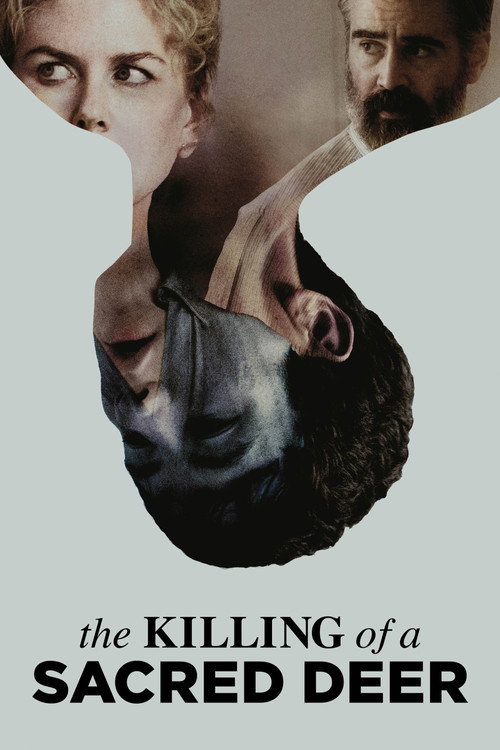
The Killing of a Sacred Deer2017
Both use a destructive secret to watch a family implode from within, but one is intimate realism and the other is controlled nightmare.
Yorgos Lanthimos wraps Tokyo Sonata's family collapse in the shape of a thriller. A surgeon's world implodes when a mysterious teenager enters it. Same theme of hidden guilt poisoning domestic life, but filtered through tension and dread instead of quiet desperation.
But Clinical and strange. Lanthimos shoots scenes from weird angles, characters speak in a flat register, the violence is sudden and disturbing. It repels as many as it fascinates.
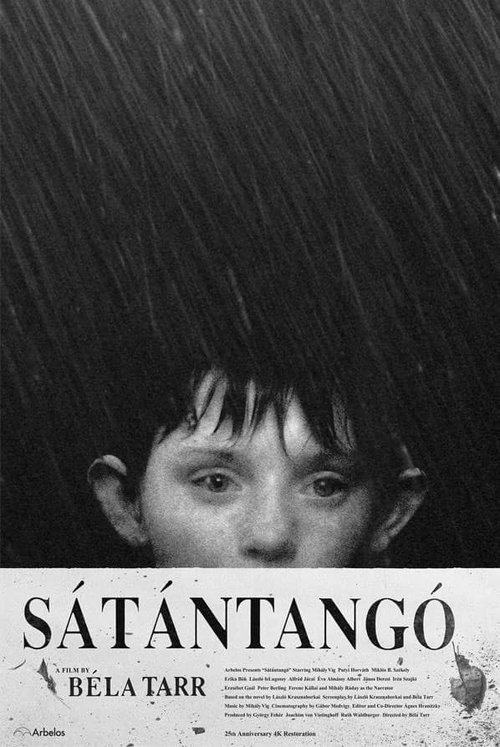
Satantango1994
Both see catastrophe not as a single rupturing moment but as a gray, inexorable process of things falling apart while people watch helplessly.
Béla Tarr's seven-and-a-half hour Hungarian masterpiece about a community in decay. Like Tokyo Sonata, it refuses to hurry, lets you sit with failure and hopelessness. Not a plot you can summarize—an experience of slow dissolution.
But It's a test of patience. Black-and-white, no music, static shots that hold for minutes. Most people cannot finish it. That's not a flaw; it's honest about what it is.
People
Cast
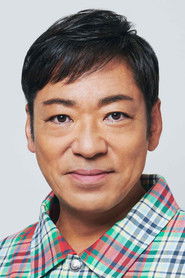 Teruyuki KagawaRyuhei Sasaki
 Kyoko KoizumiMegumi Sasaki
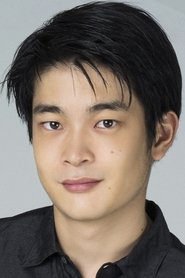 Kai InowakiKenji Sasaki
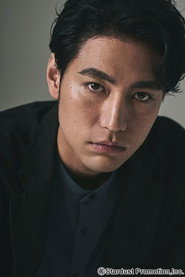 Yu KoyanagiTakashi Sasaki
 Haruka IgawaKaneko
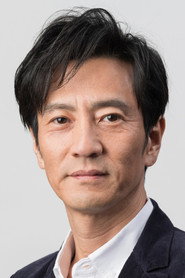 Kanji TsudaKurosu
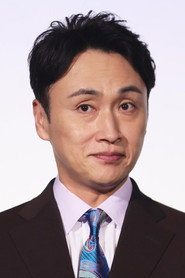 Kazuya KojimaMr. Kobayashi
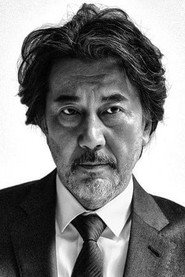 Koji YakushoRobber
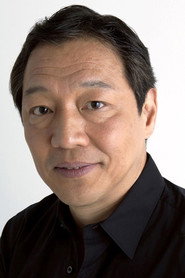
 Tao TsuchiyaMika
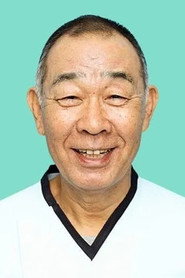 DendenJanitor
Directing
- Kiyoshi KurosawaDirector
Writing
- Kiyoshi KurosawaWriter
- Max MannixWriter
- Sachiko TanakaWriter
Production
- Tsuyoshi SuginoCasting
- Hiroto TakeishiLine Producer
- Michael J. WernerProducer
- Raymond PhathanavirangoonProducer
- Wouter BarendrechtProducer
- Yasushi KotaniProducer
- Yukie KitoProducer