
Film
Millennium Mambo
Hou Hsiao-hsien's hypnotic portrait of a young woman drifting through Taipei's nightclubs and underworld, trapped between a controlling boyfriend and an unlikely gangster protector. It moves like a dream—elliptical, gorgeous, occasionally opaque—and rewards patience with moments of startling emotional clarity. For viewers hungry for something far removed from conventional narrative.
Should you watch it?
Watch it if you love slow, hypnotic films where mood, music and rain-slicked neon carry the story more than plot, and you don't mind drifting with a restless heroine through her own memories.
Skip it if you need a clear narrative drive or brisk pacing; long stretches of stillness, repeated nightlife images and a fractured, memory-led structure can feel like wandering rather than arriving somewhere.
What it asks of you: It runs about an hour and forty-six minutes and moves at a languid, dreamlike pace, asking you to sit with long quiet shots and let its moods accumulate rather than follow tidy cause and effect.
Not sure? Find tonight's pick in a minute.
If you liked this
In the Mood for Love2000
Wong Kar-wai's other masterpiece of yearning and style in East Asia. Equally obsessed with colour, space, and the ache of connection—but this one finds its rhythm in restraint and repetition rather than nocturnal blur.
But It moves even slower than Millennium Mambo, and if you find Hou's pacing already testing, this will feel glacial. The emotional payoff is subtle to the point of whisper.

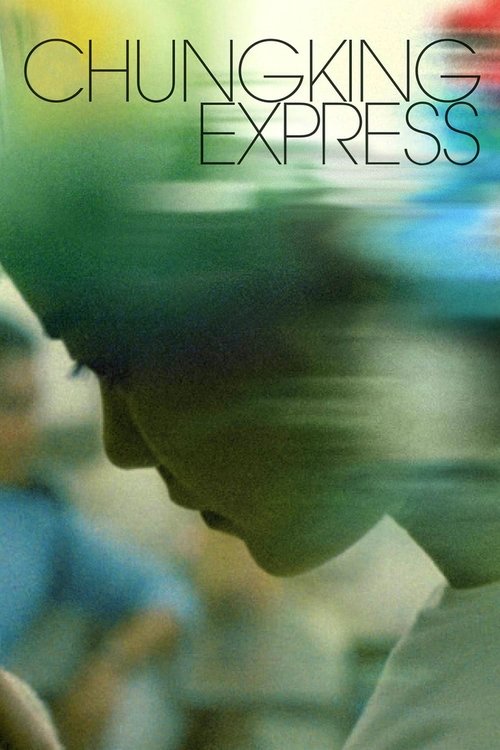
Chungking Express1994
Wong Kar-wai again, but younger and looser—a film about solitude, city life, and unexpected tenderness that dances where Millennium Mambo floats. The visual invention is astonishing, the mood intoxicating.
But It's bouncy and energetic in ways that might feel slight after Hou's gravity. Some find its charm mannered; it wears its style very openly.
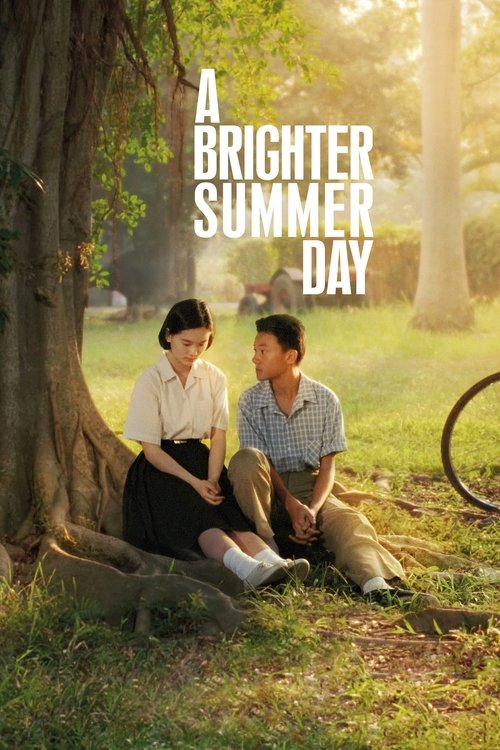
A Brighter Summer Day1991
Hou's own epic about youth, gangs, and moral confusion in 1960s Taiwan. The same director's meditation on belonging and violence, but with more narrative meat. Hypnotic and devastating.
But It's four hours long. The pacing is meditative to the point where some viewers experience it as slow regardless of how gripped they are.
Not sure tonight? Get a pick in a minute, starting from Millennium Mambo
The wildcard
Something you would not have found on your own.
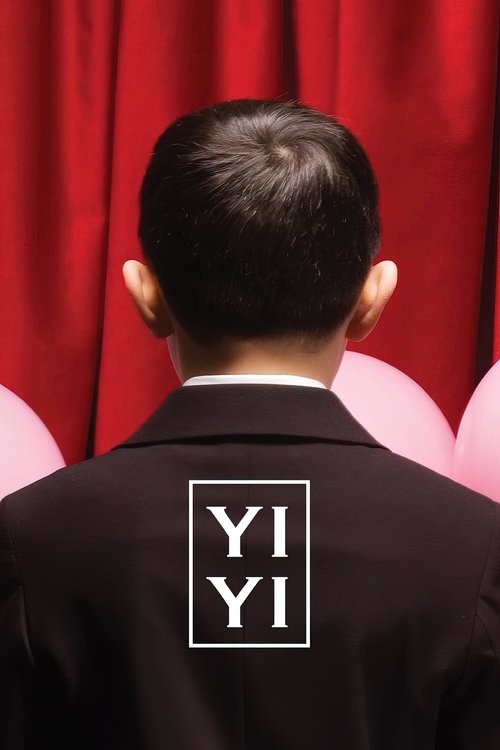
Yi Yi2000
Both are Taipei symphonies; both believe the city is a character and silence is eloquent.
Edward Yang's three-hour epic is also a kaleidoscopic view of contemporary Taipei life through multiple generations and class levels, also fascinated by how people orbit each other without quite connecting. The connection: both films use the city itself as a character and both trust the viewer to find meaning in what's *not* said.
But It's simultaneously less stylized and more plot-heavy than Millennium Mambo, which might disappoint you either way. Some find its scope dispersed rather than hypnotic.
More like this (7)
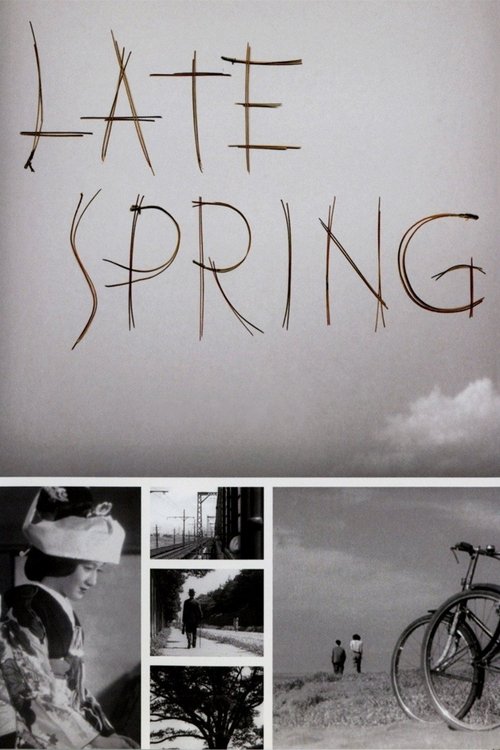
Late Spring1949
Ozu's meditation on a father and daughter in their final season together. The same quiet intensity, the same way of finding infinity in domestic space. A spiritual ancestor to everything Hou makes.
But Made in 1949 and it shows in every frame. If you need colour, movement, and contemporary setting, the aesthetic distance might be too great.
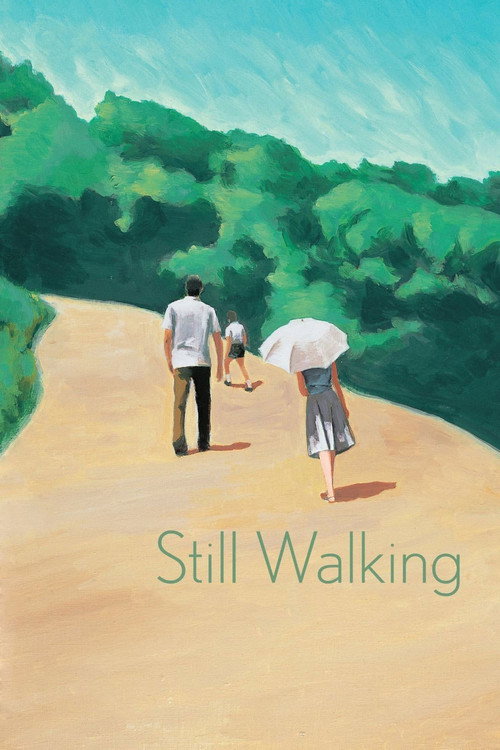
Still Walking2008
Hirokazu Koreeda's study of a family gathering and the weight of memory. Gentler than Hou, but with the same belief that meaning lives in glances and silences rather than speeches.
But Extremely quiet and domestic. There's no nightlife here, no danger—it might feel too safe if you came to Millennium Mambo for its underworld texture.
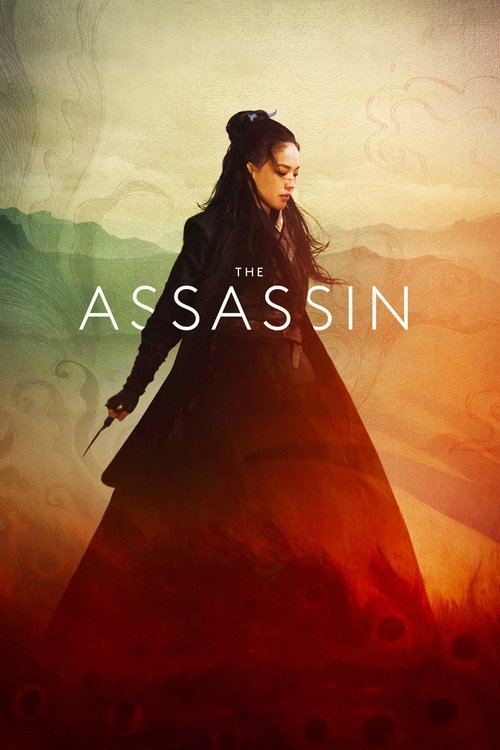
The Assassin2015
Hou himself, but in wuxia mode. Proves he can work in different genres while keeping his signature visual language. Mysterious, painterly, utterly controlled.
But It's his most oblique film. The plot recedes further than ever into pure style. If narrative clarity matters to you, this is a barrier.
A Ghost Story2017
Casey Affleck under a white sheet contemplates time, loss, and presence. Sounds absurd; it's devastatingly meditative. Like Hou, it finds profundity in space and repetition and the space between people.
But The gimmick (the sheet) never goes away. It reads as too precious for some, and the seventeen-minute pie-eating scene will test anyone's patience.

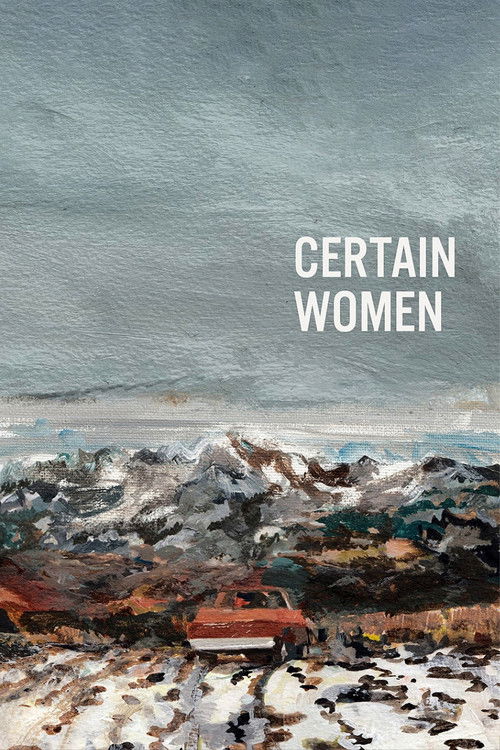
Certain Women2016
Kelly Reichardt's triptych of Montana women in quiet crisis. Sparse, elliptical, gorgeous—everyday life as a kind of mystery. The same faith that Hou has in letting viewers find their own way through.
But Nothing happens. Literally nothing—no plot resolution, no character arcs. If you want things to go somewhere, look elsewhere.
Mulholland Drive2001
Both feature women adrift in neon cities, both use the nightlife underworld as moral landscape, both are about dissolution and false intimacy.
Released the same year, Lynch's fever dream of LA nightlife and dream-logic also traps its protagonist in a maze of dependent relationships and shows us the city as a mirror of internal chaos. Wildly different in tone—baroque where Hou is minimal—but the same obsession with how we lose ourselves in other people.
But It's maximalist where Millennium Mambo is minimalist. If you loved the restraint, Lynch's excess might feel like screaming into the void rather than whispers in the dark.

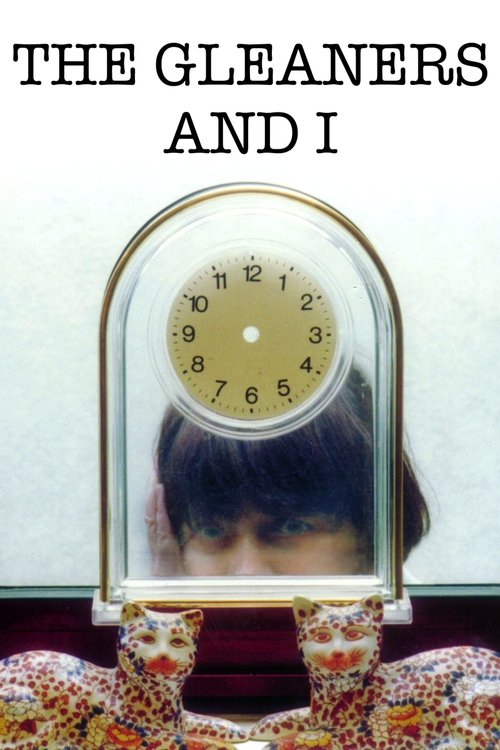
The Gleaners and I2000
Both are films about attention and texture over plot; both believe a camera held steady is enough; both were made around 2000 and represent a certain faith in cinema as meditation.
Agnes Varda's documentary essay—not fiction, but meditative and digressive the way Hou is. She wanders and observes; meaning emerges from texture and attention rather than argument. Similar belief that cinema is about *looking* rather than explaining.
But It's a documentary, and if you came to Millennium Mambo for narrative and character, the essay form might feel like cinema criticism rather than cinema. Also: Varda is French and observing France, which strips away the Taipei specificity.
People
Cast
 Shu QiVicky
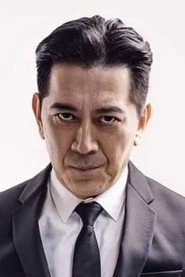 Jack KaoJack
 Duan Chun-haoHao-Hao
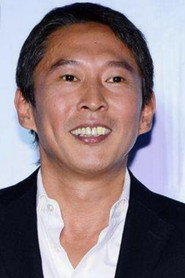
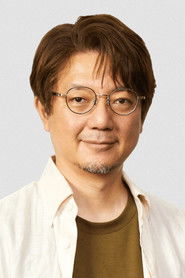 Jun TakeuchiJun
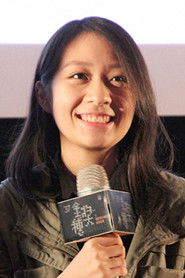 Yi-Hsuan ChenXuan
- Hsu Hui-NiCat
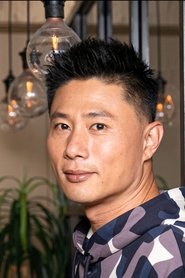 Rio PengDao
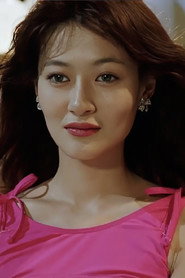
Directing
- Hou Hsiao-hsienDirector
Writing
- Chu Tien-WenScreenplay
Production
- Gilles CimentExecutive Producer
- Huang Wen-yingExecutive Producer
- Chu Tien-WenProducer
- Éric HeumannProducer