
Film
Prisoner of the Mountains
- War drama
- Very dark
A taut, humanizing war drama set in the Caucasus mountains during Russia's brutal conflict there. Two captured Russian soldiers become pawns in a desperate family's bid for ransom—and gradually, unexpectedly, people to each other. Sergei Bodrov Jr. and Oleg Menshikov anchor this story of proximity and moral complication with fierce intelligence. It's a film that refuses easy sides.
Should you watch it?
Watch it if you are drawn to tense two-hander stories where an uneasy bond forms between enemies stuck together, told with patience and a hard, unsentimental eye on the Chechen war.
Skip it if you need a fast pace or a clear-cut hero, since much of the running time is spent in a cramped mountain house, waiting and bargaining with little action.
What it asks of you: It runs under ninety minutes and moves at a deliberate, watchful speed, asking you to sit with long silences and slowly shifting loyalties rather than being carried along.
Not sure? Find tonight's pick in a minute.
If you liked this
Come and See1985
Elem Klimov's apocalyptic vision of a child soldier in WWII Belarus—raw, unsparingly violent, and structured like a descent into hell itself. It shares Prisoner's refusal to abstract war into heroism.
But The brutality is not stylized or cathartic. It accumulates until the film becomes almost unwatchable, which is exactly the point, and exactly why some will turn away.

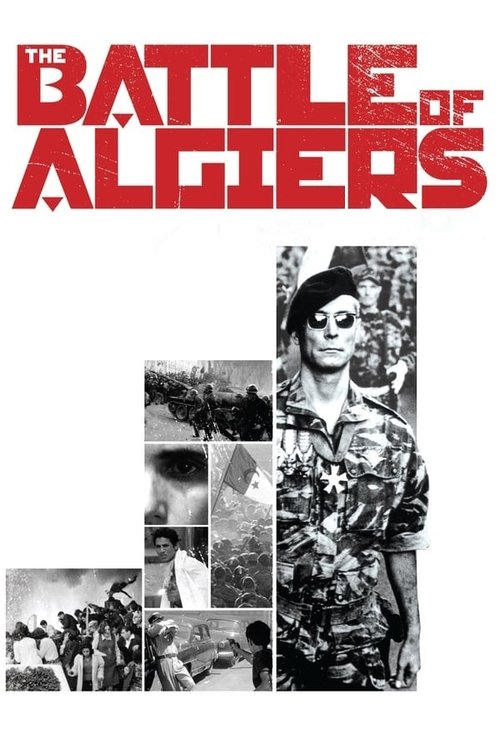
The Battle of Algiers1966
Gillo Pontecorvo's masterpiece about French colonialism and Algerian resistance treats both sides with anthropological precision. Like Prisoner, it finds the human inside the conflict, refusing propaganda from any direction.
But It's formally austere and shot in grainy black-and-white. The pacing is deliberate rather than propulsive. Patience is not negotiable.
In the Bedroom2001
Todd Field's study of grief and retaliation in a Maine fishing village has the same quiet moral weight—how ordinary people respond when the world breaks them. Tom Wilkinson and Sissy Spacek do career-best work.
But It's a slow burn about despair. There's no catharsis, only the cold logic of cause and effect. It can feel punishing.

Not sure tonight? Get a pick in a minute, starting from Prisoner of the Mountains
The wildcard
Something you would not have found on your own.
Stalker1979
Both films understand that captivity—whether physical or existential—strips away pretense and forces genuine encounter. The waiting is the story.
Andrei Tarkovsky's philosophical science-fiction film follows three men journeying through a mysterious zone toward a room that grants wishes. It shares Prisoner's deep investment in the texture of captivity and waiting, in men confined by circumstance learning to see each other.
But It's glacially paced, meditative to the point of near-stasis. Tarkovsky trusts silence and long takes. If you need plot momentum, this will feel like punishment.

More like this (8)
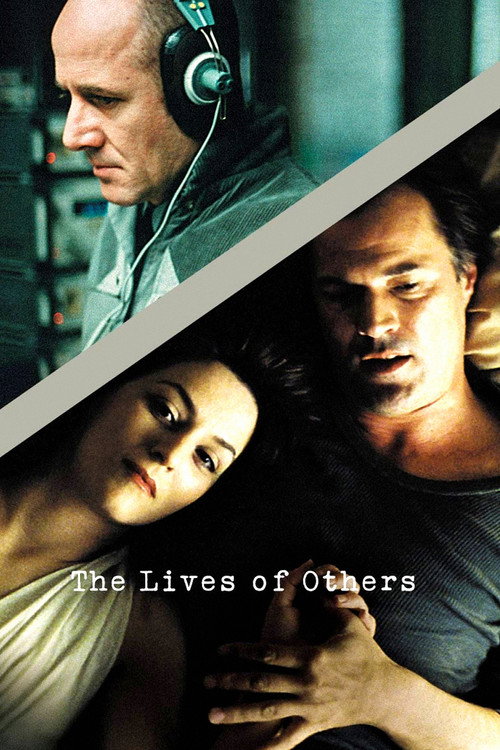
The Lives of Others2006
A Stasi agent surveilling a playwright begins to see the humanity he's been sent to destroy. It has Prisoner's central engine: two men in proximity, power imbalances collapsing, conscience awakening.
But It's more plot-driven than Prisoner, almost thriller-like at times. Some find the resolution too neat, too redemptive compared to the ambiguity you might crave.
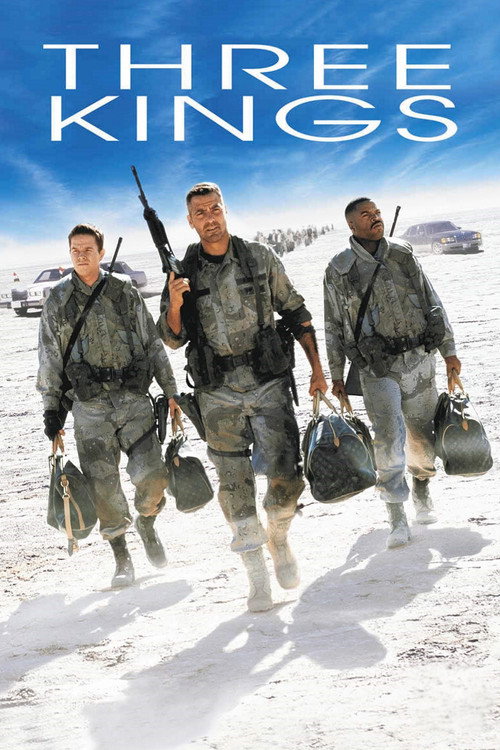
Three Kings1999
David O. Russell sends three American soldiers into the Iraqi desert after the Gulf War to find hidden gold—and stumbles into the moral weight of what they've done. It's funny and furious and devastated all at once.
But The tonal shifts are jarring by design. Some scenes play as dark comedy, others as unflinching suffering. If you want consistency, this will feel scattered.
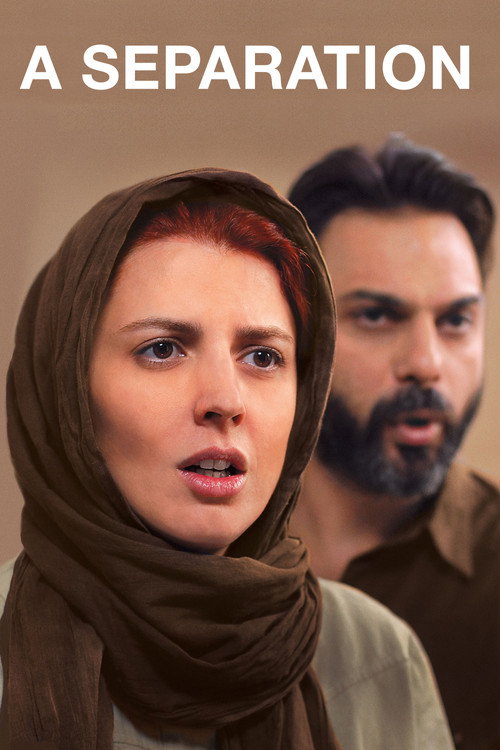
A Separation2011
Asghar Farhadi's Iranian divorce drama fractures perspective so carefully that you watch moral certainty dissolve. It shares Prisoner's refusal to let you sit comfortably on one side of a conflict.
But It's dialogue-heavy and set largely in apartments. There's no action, no scenery, only talk and the unbearable smallness of human failure.
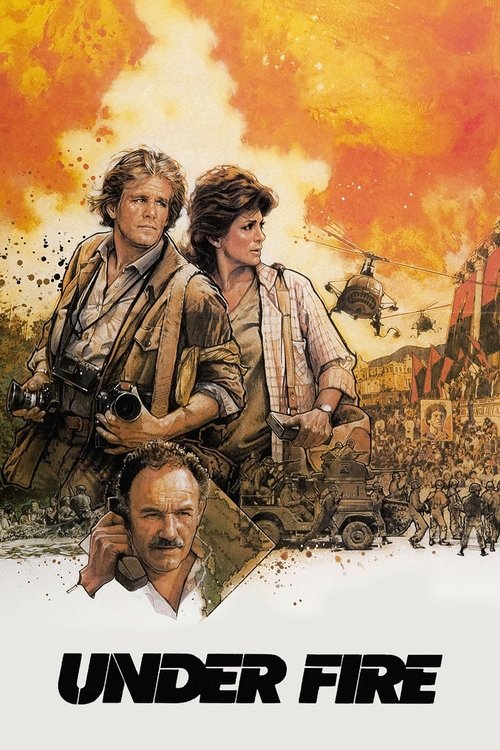
Under Fire1983
Roger Spottiswoode follows a photojournalist during the Nicaraguan Revolution, asking whether witnessing is the same as complicity. It's a thinking-person's war film, crackling with moral vertigo.
But It's a product of its moment, and sometimes that shows. The politics can feel dated, and Nick Nolte's performance has rough edges that don't always land.
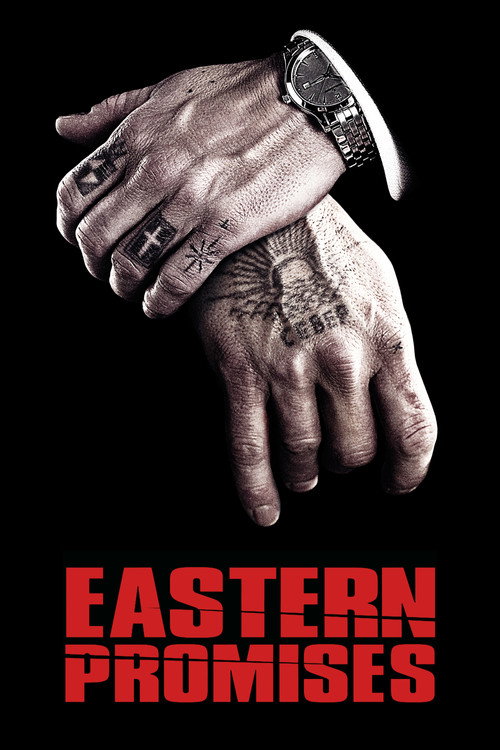
Eastern Promises2007
Cronenberg and Viggo Mortensen on Russian criminality and corrupted identity. It's sleeker than Prisoner, more genre-inflected, but it has the same fascination with how men become trapped in systems.
But It trades intimacy for style. The violence is more graphically staged. Some prefer their moral ambiguity less glossy.
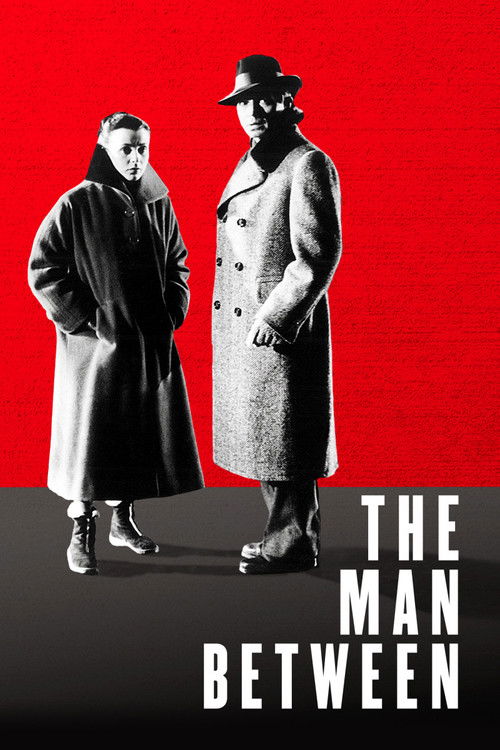
The Man Between1953
Carol Reed's Cold War thriller about a man caught between East and West Berlin. It's an older film, but it understands how ideology separates people who might have loved each other.
But It's a product of 1953 espionage cinema—melodramatic by modern standards, and the gender politics are dated. Some will find it quaint rather than moving.
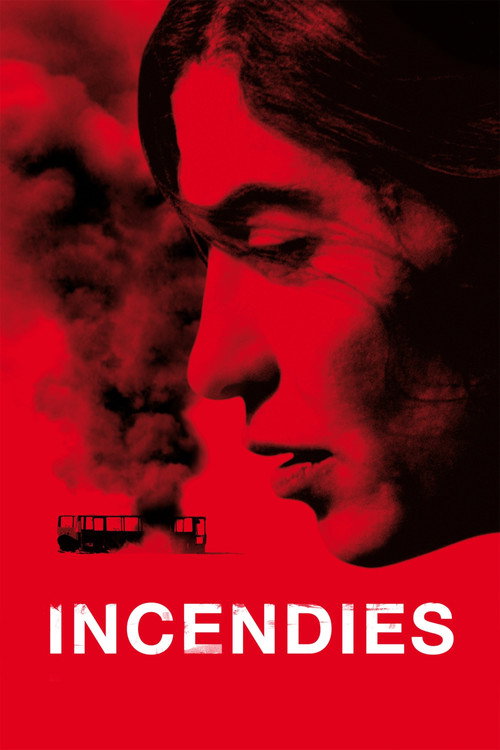
Incendies2010
Both films root the Caucasus/Middle Eastern conflict not in geopolitics but in the specific families destroyed by it. Both refuse abstraction. Both insist you feel the cost.
Denis Villeneuve's shattering film about a Lebanese family torn apart by sectarian violence, told through parallel timelines. It builds from intimate family drama into a portrait of how conflict mutilates generations. Operatic in scope but grounded in specific grief.
But The final revelation is brutal and unsparing. It trades realism for emotional extremity. Some will feel manipulated by its commitment to devastation.
Winter Light1963
Both are chamber pieces about moral failure and the possibility of grace between two men who have nowhere else to go. Both trust that small rooms contain everything.
Bergman's spare, anguished film about a pastor losing faith consists almost entirely of conversations in a small Swedish church. Like Prisoner, it's about two people forced into proximity, learning to see the other's interior wreckage. Existential rather than political, but the structure is identical.
But It's philosophically bleak and formally austere. There is no music, no beauty, no relief. It's a winter film in every sense. Bergman at his most punishing.

People
Cast
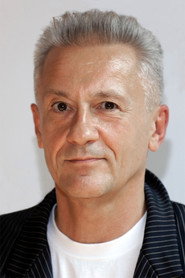 Oleg MenshikovSacha Kostylin
 Sergei Bodrov Jr.Ivan (Vanya) Zhilin
 Jemal SikharulidzeAbdul-Murat
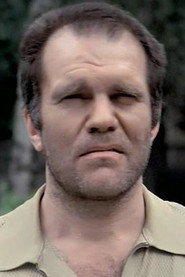 Aleksandr BureyevHasan
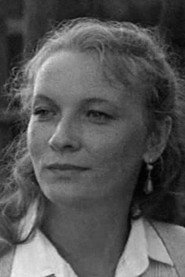 Valentina FedotovaZhilin's Mother
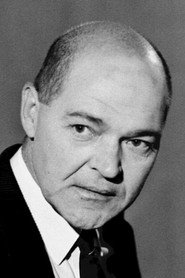 Aleksei ZharkovMaslov, the Russian Commander
Directing
- Irina TretyakovaAssistant Director
- Sergei BodrovDirector
Writing
- Leo TolstoyStory
- Arif AlievWriter
- Boris GillerWriter
- Sergei BodrovWriter
- Sergei Bodrov Jr.Writer
Production
- Boris GillerProducer
- Carolyn CavalleroProducer
- Eduard KrapivskyProducer