
Film
Which Way Is Up?
Richard Pryor plays three characters in this 1977 comedy about an orange picker caught between union organizing, family obligation, and desire. Raucous and loosely constructed, it's Pryor doing what he did best: finding humanity and hilarity in contradiction. Uneven but alive, and most alive when Pryor is riffing. For anyone who loves him at his most uninhibited.
If you liked this
Life of Brian1979
Monty Python's absurdist take on blind devotion and mistaken messiahs. Sharp, fearless, and genuinely funny about how we follow leaders we don't understand—a spiritual cousin to the union-organizer comedy here.
But Heavy on sketches and non-sequiturs; the satire sometimes matters more than narrative momentum or character coherence.

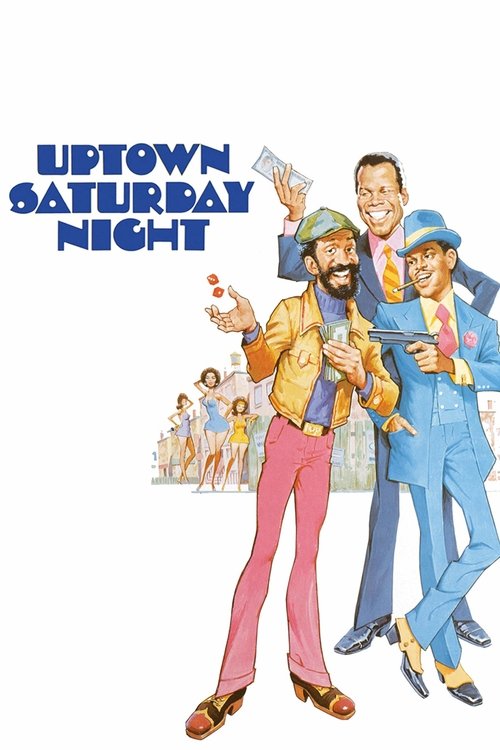
Uptown Saturday Night1974
Sidney Poitier and Bill Cosby in a heist-comedy set in Black nightlife, with ensemble energy and the kind of loose, character-driven humor that Pryor excels in. Warm without being sentimental.
But The plot is thin and meandering; if you need tight structure or forward momentum, this will frustrate you.
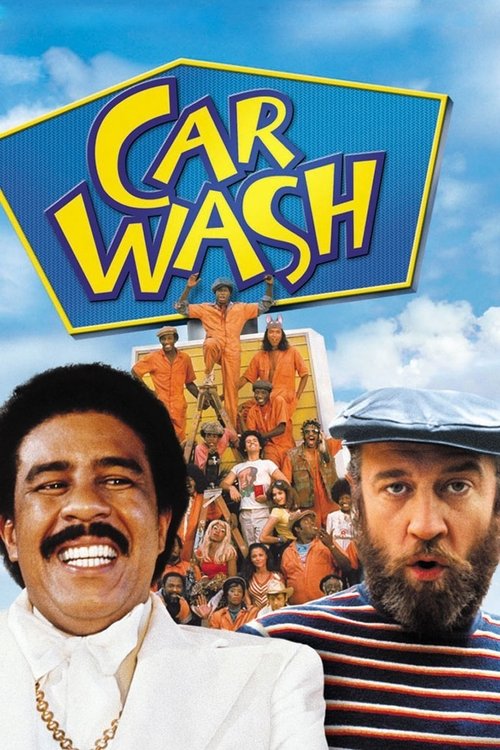
Car Wash1976
A genuinely ensemble film about working people making it through the day with humor and dignity. Features Joel Schumacher's chaotic directing and a cast that includes Richard Pryor in a smaller role, finding comedy in small moments.
But No protagonist—it's all observation and vignette. Some skits land and some don't; you're in for a ride, not a payoff.
Not sure tonight? Get a pick in a minute, starting from Which Way Is Up?
The wildcard
Something you would not have found on your own.
Killer of Sheep1978
Both center on working-class Black men navigating desire, family failure, and their own contradictions. Where Pryor explodes outward, Burnett implodes inward—same territory, opposite register.
Charles Burnett's experimental, poetic film about a Black slaughterhouse worker in Los Angeles. Long takes, minimal plot, soul-deep observation of a man trying to hold dignity and kindness together. The opposite of loud—and twice as moving.
But Plotless and paced for the viewer to sit with dread rather than to entertain. Shot in grainy 16mm without dialogue-driven comedy; some find it glacial.

More like this (7)
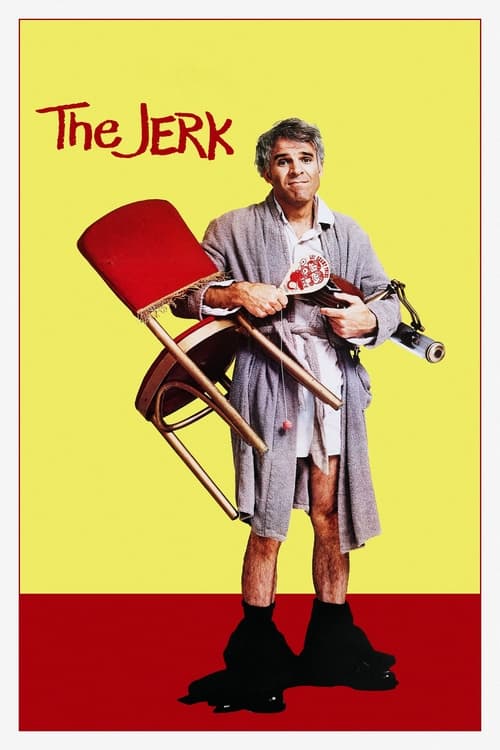
The Jerk1979
Steve Martin's innocent naif surrounded by family chaos and the indifferent world. Physical comedy meets character study; Martin brings both warmth and deadpan observation to a man learning he doesn't belong anywhere.
But The tone shifts unpredictably from silly to melancholy, and the satire can feel scattered.
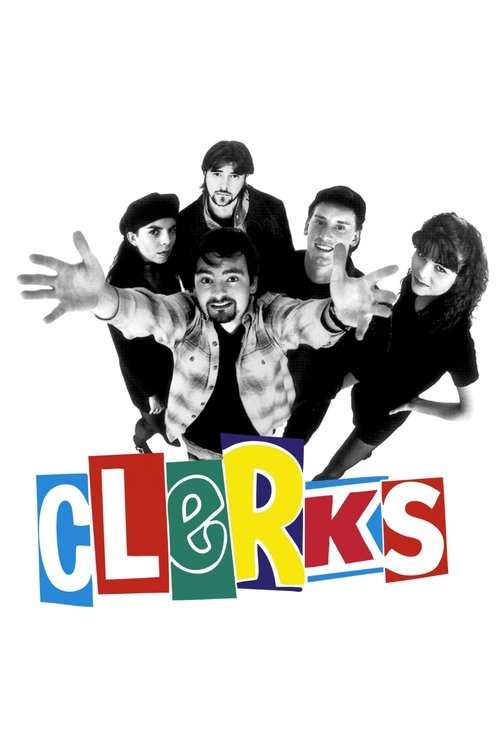
Clerks1994
Kevin Smith's two-hander set in a convenience store. No budget, all dialogue and character; pure riffing about work, sex, and the people who drift through your life. Comedy that grows from observation rather than setup.
But Black-and-white and deliberately static; if you need movement or polish, the aesthetic will read as cheap rather than clever.
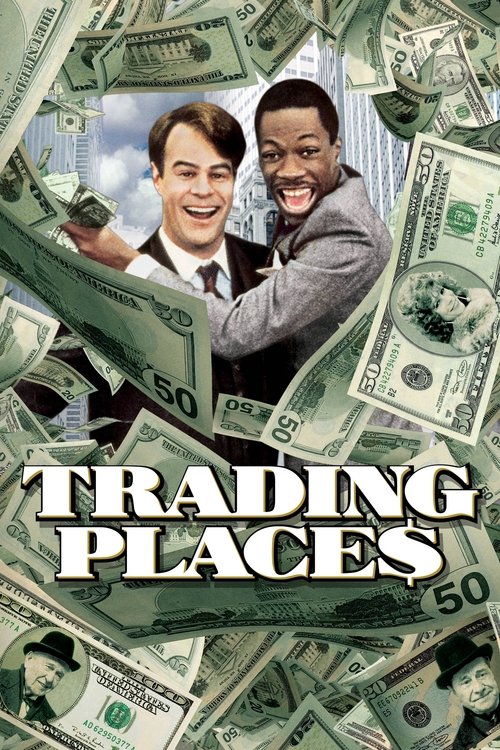
Trading Places1983
Eddie Murphy and Dan Aykroyd in John Landis's social comedy with real satirical bite underneath the heist plot. Murphy's energy is irrepressible and Aykroyd anchors him; it's funny and surprisingly smart about class.
But Some of the humor has aged poorly; a few sequences feel dated in ways that distract rather than amuse.
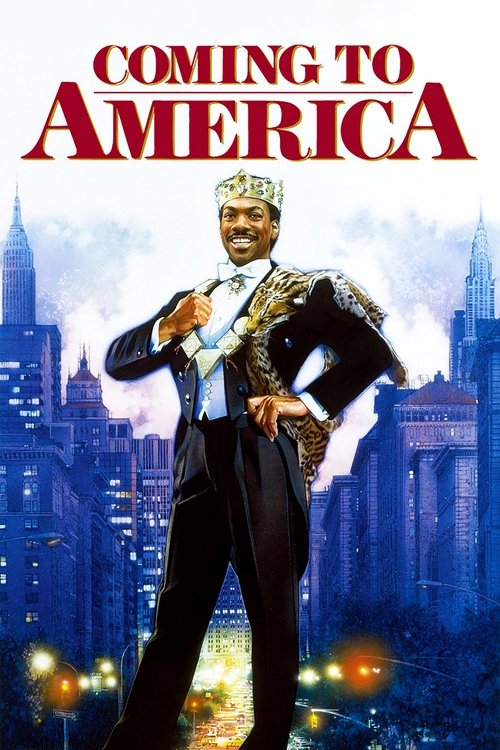
Coming to America1988
Murphy at peak charm, playing against type as an innocent. Eddie Hall and James Earl Jones provide foil and warmth; it's a silly, generous film about someone trying to find love without cynicism.
But The plot is gossamer-thin and the film relies entirely on Murphy's likability; if that doesn't work for you, nothing will.
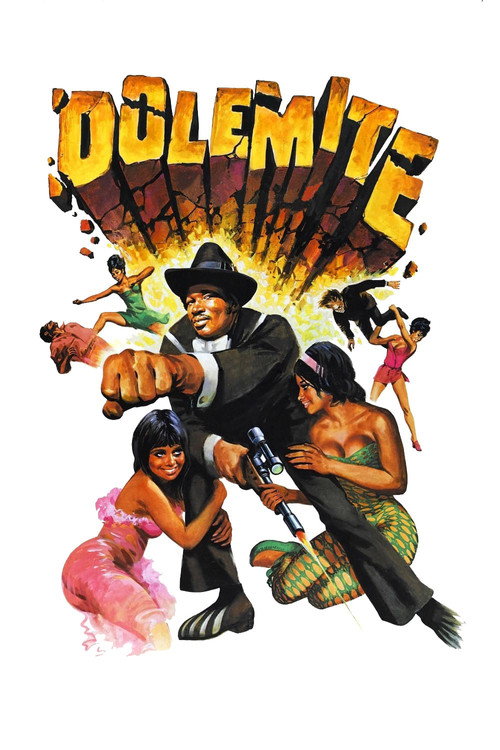
Dolemite1975
Rudy Ray Moore as a pimp-turned-vigilante in this gloriously incompetent blaxploitation film. Shot with almost no money, it's so earnest and unaware that it becomes transcendent—pure energy over craft.
But The production values are genuinely terrible; acting and plot are secondary to the sheer will behind it. If you need technical proficiency, look elsewhere.
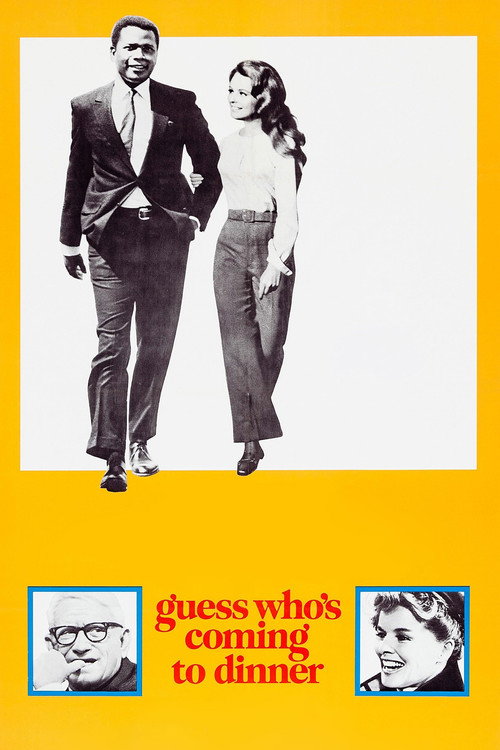
Guess Who's Coming to Dinner1967
Both films stake everything on a Black man's dignity and right to choose his own life. Poitier does it through eloquence and restraint; Pryor does it through chaos and sex and comedy. Same argument, opposite tools.
Sidney Poitier and Katharine Hepburn in Stanley Kramer's straightforward drama about an interracial couple meeting their parents. It's earnest where *Which Way* is chaotic; it argues for change through reason rather than riff.
But Preachy and theatrical; the dialogue explains everything and trusts the viewer not at all. Can feel more like a civics lesson than a film.
Possession1981
Both films are about marriages dissolving under the weight of who we actually are versus who we promised to be. One is comedy, one is tragedy, but the betrayal and thwarted desire live in the same place.
Andrzej Żuławski's apocalyptic marital nightmare set in divided Berlin. A man and woman destroy each other across a marriage while the Cold War collapses around them. Operatic, grotesque, hypnotic—pure anguish and obsession.
But Extremely graphic violence and sexual content; the tone is unrelentingly bleak and the pacing deliberate. Easy to find it punishing rather than profound.

People
Cast
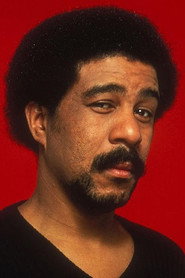 Richard PryorLeroy Jones / Rufus Jones / Rev. Lenox Thomas
 Lonette McKeeVanetta
 Margaret AveryAnnie Mae
 Morgan WoodwardMr. Mann
 Marilyn ColemanSister Sarah Thomas
 Joe TurkelHarry Boatwright
 Kathy CronkitePhotographer
- Diane RodriguezEstrella Reyes
- Ernesto HernándezJose Reyes
- Gloria EdwardsJanelle
 Bebe DrakeThelma
 DeWayne JessieSugar
Directing
- Michael SchultzDirector
Writing
- Lina WertmüllerOriginal Film Writer
- Carl GottliebScreenplay
- Cecil BrownScreenplay
Production
- Michael ChinichAssociate Producer
- Steve KrantzProducer