
Film
Watermelon Man
Melvin Van Peebles' 1970 satire follows a racist insurance agent who wakes up Black. It's a sharp social comedy that treats transformation as a setup for genuine reckoning rather than easy redemption. Uneven but fearless, it swings between laugh-out-loud absurdity and uncomfortable truths. For anyone interested in how Black cinema tackled race through comedy when mainstream Hollywood mostly ignored it.
Should you watch it?
Watch it if you like sharp, uneasy satire that pokes at white complacency with a broad, cheeky hand and doesn't mind being a little crude or unfinished.
Skip it if you need comedy that's polished and subtle; this one is blunt, unevenly paced, and leans on broad mugging that can feel dated.
What it asks of you: About 100 minutes, light on its feet but loose and episodic, and it asks you to sit with blunt satire rather than following intricate plotting.
Not sure? Find tonight's pick in a minute.
If you liked this
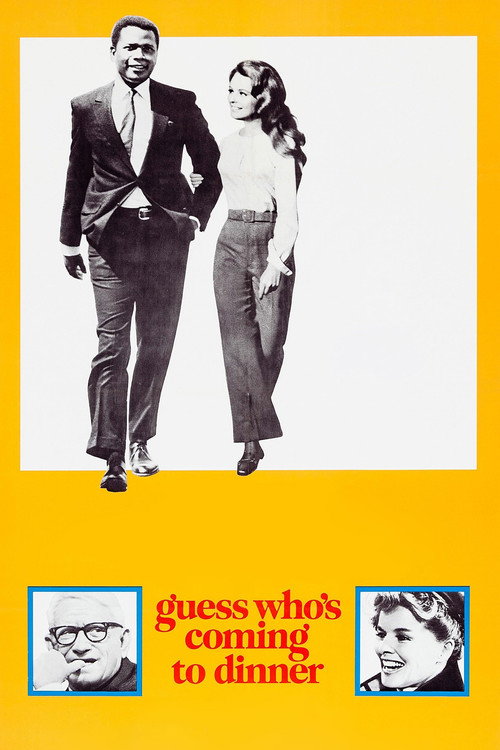
Guess Who's Coming to Dinner1967
Sidney Poitier and Spencer Tracy in a direct confrontation about racial prejudice in an interracial relationship. Intelligent, moving, and genuinely tense about what integration actually means to people's lives.
But It can feel careful and polite by modern standards, pulling some of its punches in service of palatability.
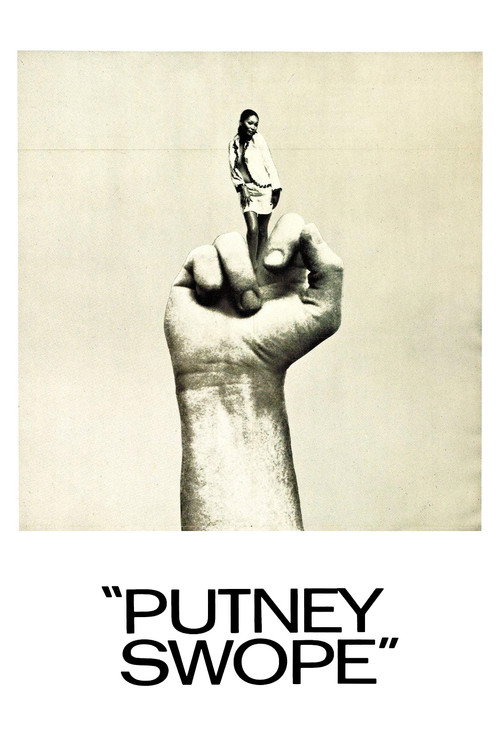
Putney Swope1969
Robert Downey Sr.'s absurdist masterpiece about a Black man accidentally running an advertising agency. Wild, surreal, viciously funny attack on racism, consumerism, and white mediocrity all at once.
But Deliberately avant-garde and chaotic—conventional narrative takes a backseat to scattershot brilliance and experimental technique.
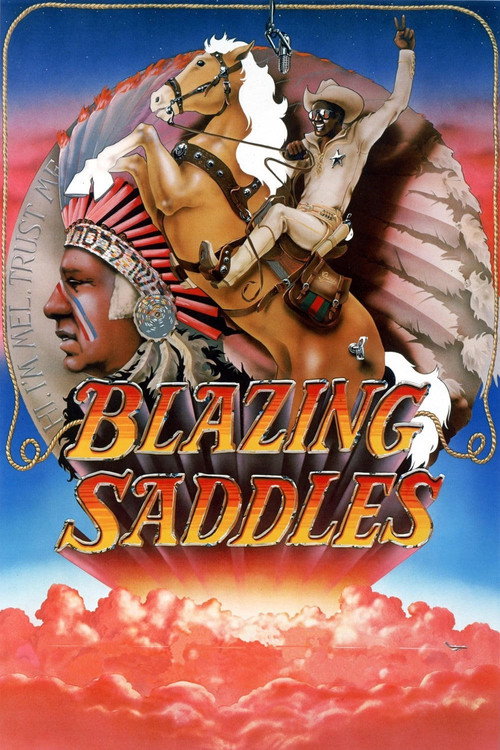
Blazing Saddles1974
Mel Brooks weaponizes racist language and Western tropes to mock racism itself. Audacious, hilarious, and structurally daring in a way that gets overlooked because the jokes land so hard.
But The satire requires you to accept aggressive language deployed against its actual targets, which isn't for everyone and hasn't aged smoothly.
Not sure tonight? Get a pick in a minute, starting from Watermelon Man
The wildcard
Something you would not have found on your own.
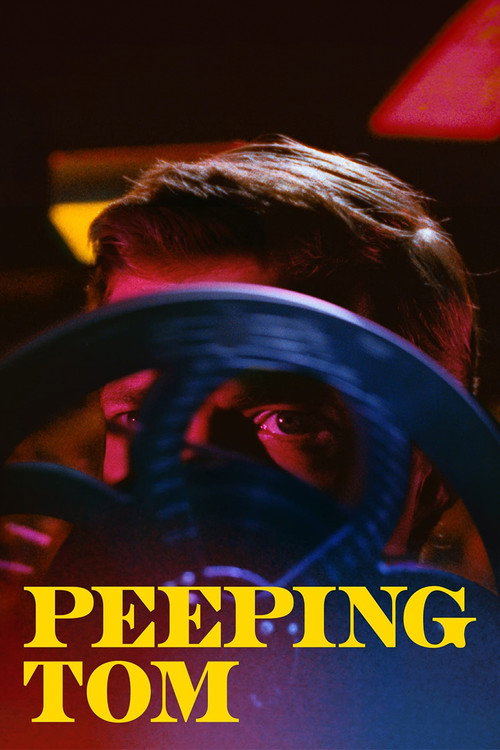
Peeping Tom1960
Both films use genre (comedy/thriller) to force audiences into uncomfortable recognition. Van Peebles makes you laugh at a racist man being stripped of power; Powell makes you implicate yourself in a killer's voyeurism. Both demand you feel complicit.
Michael Powell's British masterpiece about a filmmaker who kills while filming. Visually gorgeous and morally complex, it's about how we weaponize our perspective and see rather than connect. Centuries ahead of its time.
But Deeply, genuinely disturbing—Powell doesn't flinch from ugliness or ask you to forgive anything. The sexual murder subject matter is relentless.
More like this (6)
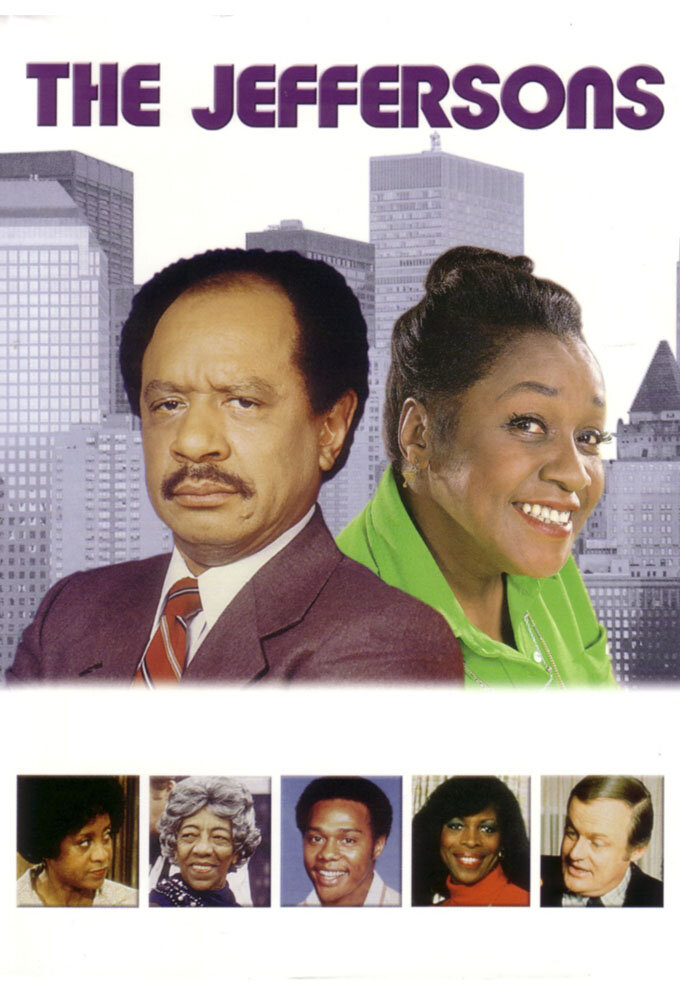
The Jeffersons1975
George Jefferson moved on up partly because of shows like Watermelon Man—this sitcom proved Black characters could anchor comedy that wasn't apologetic. Smart writing, warm ensemble, genuine character growth across seasons.
But Some early '70s sitcom rhythms feel dated now, and it softens its edges compared to contemporaries willing to go darker.
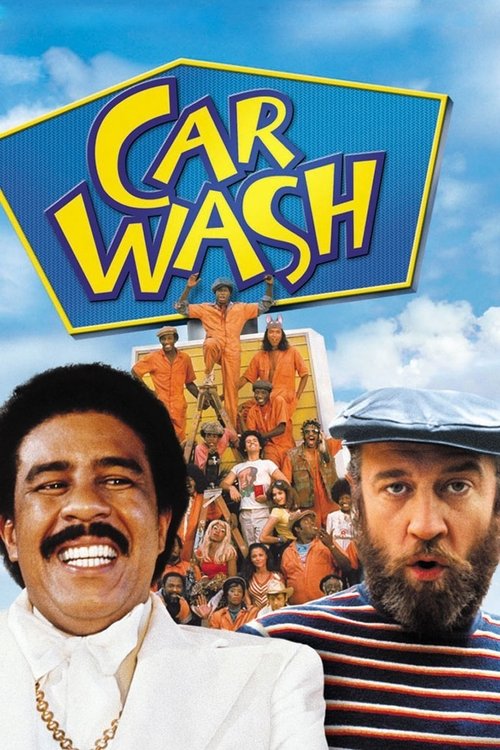
Car Wash1976
Ensemble comedy set at a Los Angeles car wash with mostly Black cast. Loose, warm, funny without punching down, genuinely affectionate about its characters' lives and struggles.
But Episodic and rambling by design; there's no forward momentum, just vignettes of varying quality strung together.
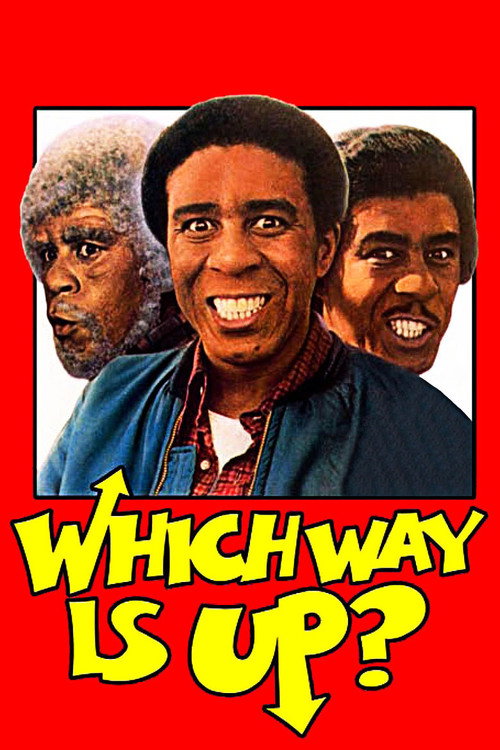
Which Way Is Up?1977
Richard Pryor in dual roles, playing both a poor farmer and his wealthy double. Bawdy, energetic comedy that uses absurdist body-swap logic to explore class and identity with genuine bite.
But Broad, occasionally sloppy, and sexual humor dominates—refined it is not.
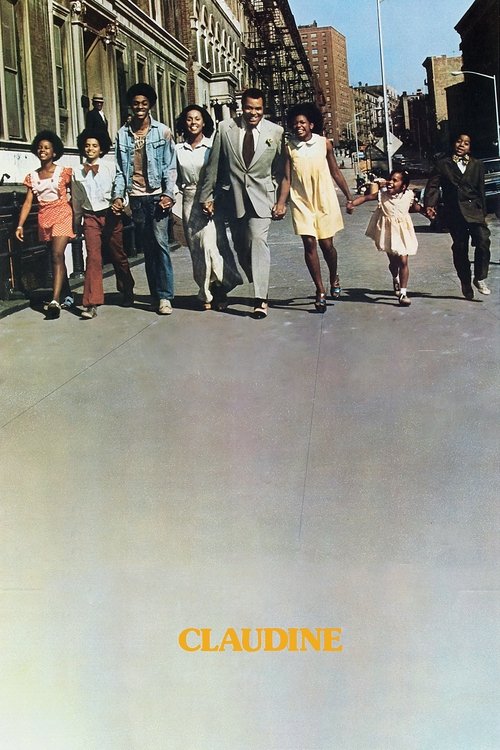
Claudine1974
Diahann Carroll and James Earl Jones in a romance about a welfare mother and a sanitation worker. Tender, funny, and genuinely romantic while addressing poverty and systemic failure without flinching.
But Softens into sentimentality at moments where harder edges might have served the material better.
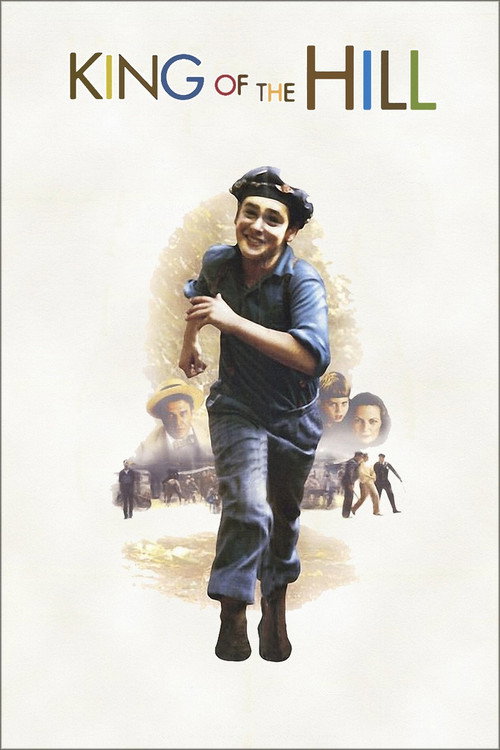
King of the Hill1993
Watermelon Man uses magical transformation to force recognition. Only Yesterday uses memory and reflection to achieve the same reckoning. Both are about a character suddenly unable to hide from who they've been, only with radically different tones—one furious, one elegiac.
Hayao Miyazaki's Only Yesterday as an animated feature—a character study disguised as gentle entertainment. Spends 100 minutes with a woman remembering her life and choices with real tenderness and unflinching honesty.
But Famously plot-resistant; if you need narrative momentum and big set-pieces, this introspective, domestic slow-burn will feel like nothing happens.
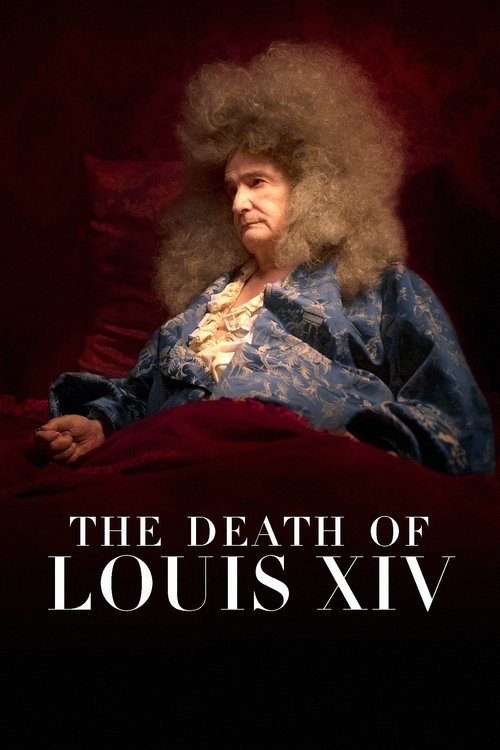
The Death of Louis XIV2016
Both use a single transformation—a man losing everything he depended on—to explore what remains when status and certainty vanish. Van Peebles is angry and comedic; Serra is elegiac and visual. But each asks: who are you when the world strips away your certainties?
Albert Serra's film about a dying king's final days. Gorgeous, slow, and hypnotic—a meditation on mortality, indignity, and power evaporating. Filmed like a museum painting come alive.
But Essentially plotless and purely visual; if you need dialogue and forward motion, you'll find it baffling and possibly torturous.
People
Cast
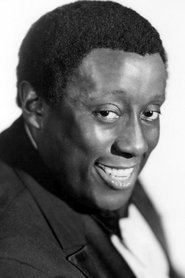 Godfrey CambridgeJefferson Washington 'Jeff' Gerber
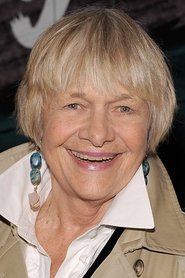 Estelle ParsonsAlthea Janine Gerber
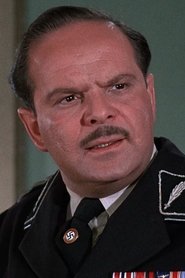 Howard CaineMr. Townsend
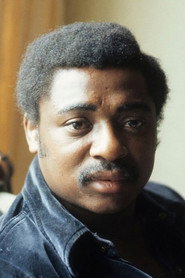 D'Urville MartinBus Driver
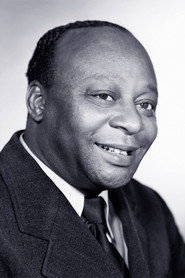 Mantan MorelandJoe the Counterman
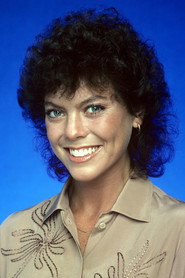 Erin MoranJanice Gerber
- Scott GarrettBurton Gerber
 Paul WilliamsEmployment Office Clerk
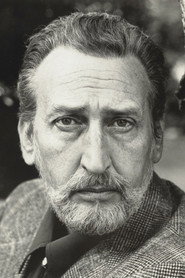 Kay E. KuterDr. Wainwright
- Kay KimberlyErica
- Irving SelbstMr. Johnson
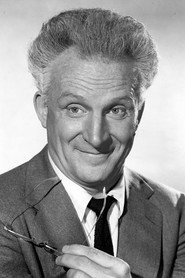 Emil SitkaDelivery Man
Directing
- Sheldon SchragerAssistant Director
- Melvin Van PeeblesDirector
Writing
- Herman RaucherWriter
Production
- Leon MirellExecutive Producer
- John B. BennettProducer