
Film
Tetsuo II: Body Hammer
- Science fiction
- Body horror
- Very dark
Shinya Tsukamoto's visceral cyberpunk nightmare follows an ordinary man whose fury at his son's kidnapping triggers a biological metamorphosis—his flesh weaponizes, his body becomes industrial machinery. Shot in stark black-and-white with relentless sound design and body horror, it's hypnotic and deeply unsettling. For those craving transgressive sci-fi that prioritizes sensation over sense.
If you liked this
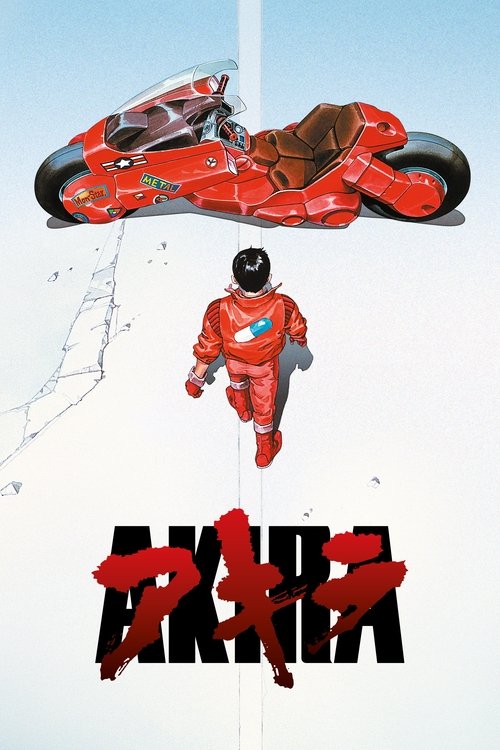
Akira1988
Neo-Tokyo's sprawl, apocalyptic dread, and transformation through latent psychic power mirror Tetsuo II's themes of the body as instrument of chaos. Equally visionary, gorgeously animated, and narratively dense.
But At 125 minutes with dense worldbuilding, it demands focus. The ending divides viewers—some find it transcendent, others opaque.
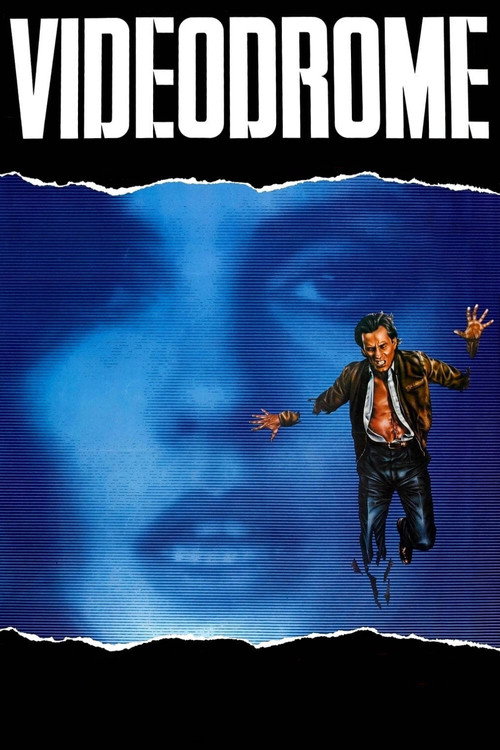
Videodrome1983
Cronenberg's hallucinogenic descent into body horror and media-induced transformation shares Tetsuo II's obsession with flesh as malleable text. Both pit a protagonist against forces remaking their physical form.
But Deliberately murky and slow-burn. If you want clarity and plot momentum, this cryptic 1980s experiment won't deliver it.
Paprika2006
Satoshi Kon's fractal dreamscape of technology invading consciousness echoes Tsukamoto's fusion of body and machine. Surreal, kinetic, and as formally inventive as anything in Japanese sci-fi cinema.
But The narrative thread is gossamer-thin and deliberately fragmented. Some find the visual maximalism exhilarating; others exhausting.

Not sure tonight? Get a pick in a minute, starting from Tetsuo II: Body Hammer
The wildcard
Something you would not have found on your own.
Mad Max: Fury Road2015
Both pit a man's rage and protective instinct against overwhelming force, visualizing his transformation into a living weapon. Both prioritize sensory experience—sound, movement, the body under duress—over narrative exposition. Both are masculine grimdark where vulnerability becomes weaponry.
Like Tetsuo II, it's a man driven by primal rage into a state of weaponization, expressed through kinetic visual language. Pure sensation and forward momentum; a masculine nightmare made visceral. The connection runs deeper than surface.
But Two hours of noise and vehicular destruction. If you need character development and dialogue, this pares everything to action and grunt.

More like this (8)
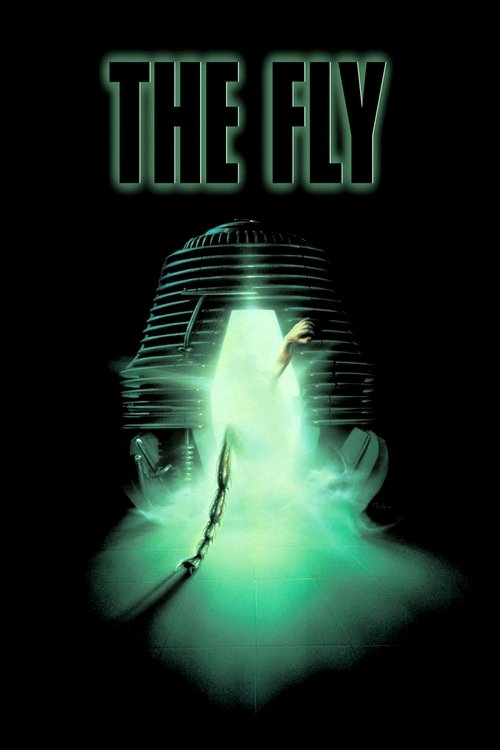
The Fly1986
Cronenberg's remake is body horror at its most intimate and tragic—a man losing his humanity cell by cell to something beyond his control. It grounds transformation in genuine pathos.
But The practical effects are viscerally stomach-turning. If you're squeamish, this will test you hard.
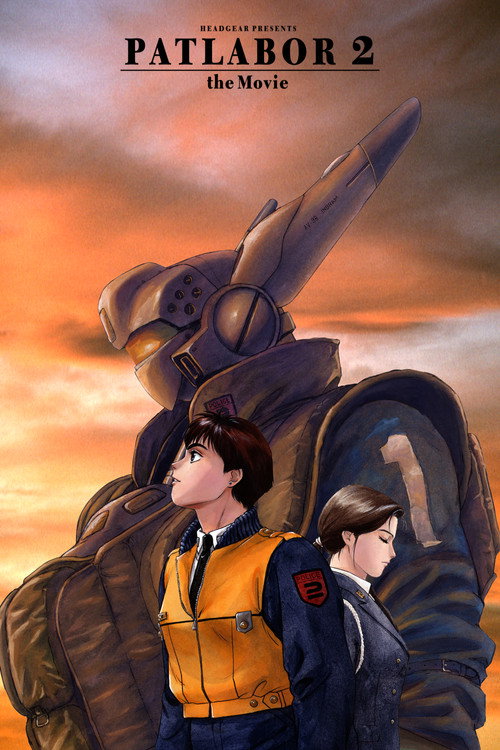
Patlabor 2: The Movie1993
Oshii's meditative mecha thriller interrogates technology, state power, and the individual caught between them. Cerebral where Tetsuo II is primal, but equally uncompromising in tone.
But Philosophically heavy with minimal action. The pacing is glacial. It's a thinking person's sci-fi, not a rush.
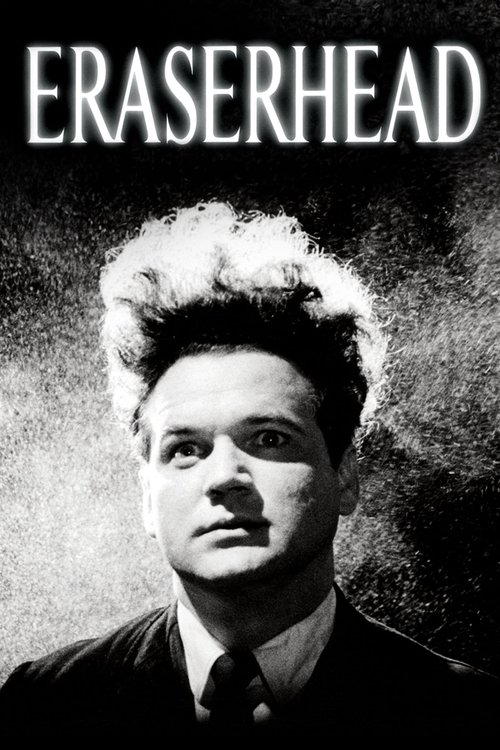
Eraserhead1977
Lynch's industrial nightmare—grainy, monochromatic, suffocating—shares Tetsuo II's visual language and commitment to dream logic over narrative coherence. Essential viewing for horror-adjacent experimentalists.
But Genuinely difficult to parse. No plot, no explanation, just mounting dread. Some call it a masterpiece; others call it pretentious sludge.
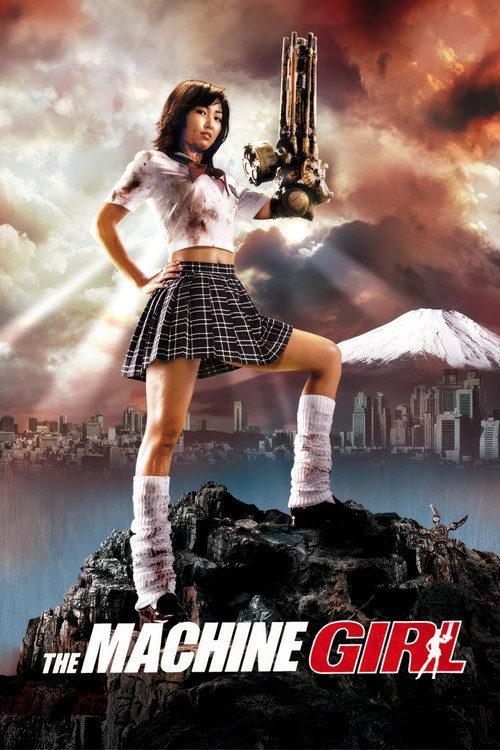
The Machine Girl2008
Takashi Miike's splatter-punk cyberpunk riff on revenge and body augmentation. Where Tetsuo II is austere, this is anarchic and darkly funny—same DNA, different energy.
But Relentlessly graphic and silly in tone. If you want horror to stay serious, the tonal whiplash will alienate you.
Possession1981
Andrzej Żuławski's unhinged chamber piece weaponizes bodies and relationships through surrealism and pure mania. Strange-weird rather than grotesque-weird, but equally transgressive.
But Incoherent by design. It's oppressive, shrill, and narratively frustrating. Some viewers find liberation in that; most find migraines.

Under the Skin2014
Glazer's meditative alien allegory uses body horror and industrial soundscapes to explore humanity from outside. Slow, hypnotic, and unforgettable if it clicks.
But Virtually plotless with minimal dialogue. If you need narrative momentum and clear stakes, you'll spend two hours watching nothing happen.

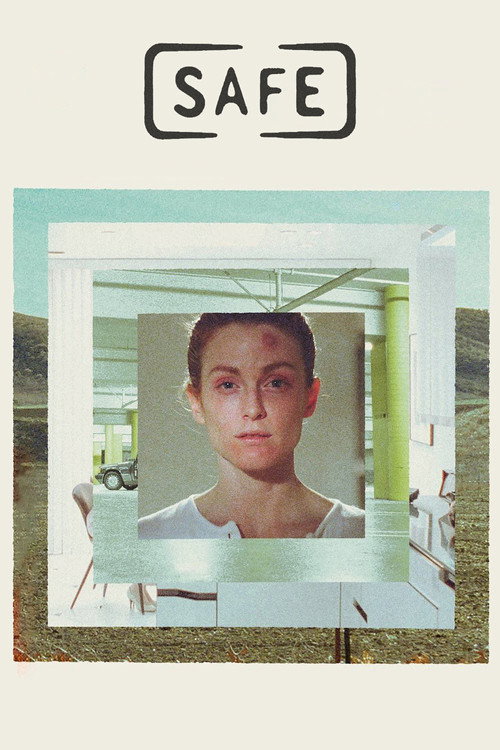
Safe1995
Both depict bodily transformation as a mirror of psychological or social rupture. Where Tetsuo II externalizes rage as metallurgic horror, Safe internalizes environmental dread as immunological collapse. Both treat the body as a readable text of social distress.
Todd Haynes' unsettling portrait of a woman whose body becomes inexplicably hostile to the world. Like Tetsuo II, it's about the body as enemy, but filtered through illness narrative and capitalist toxicity rather than rage.
But Deeply depressing with no catharsis. It's deliberately ambiguous about whether the threat is real or psychological—some find that brilliant, others find it cop-out.
Synecdoche, New York2008
Both collapse the boundary between inner and outer worlds. Tetsuo II externalizes psychological rage as literal body horror; Synecdoche externalizes existential despair as physical environment. Both use formal difficulty—stuttering editing, grotesque imagery, refusal of clarity—to represent minds in crisis.
Charlie Kaufman's formal bewilderment about art, identity, and scale. A man constructs a life-sized replica of his own existence, watching it collapse under its own contradictions. Emotionally devastating and structurally radical.
But Willfully obscure, narratively fractured, and emotionally exhausting. It's a three-hour migraine disguised as cinema. Many find it self-indulgent nonsense.

People
Cast
 Tomorowo TaguchiTaniguchi Tomoo
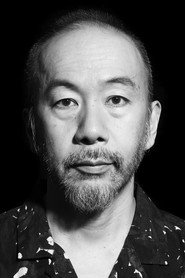 Shinya TsukamotoYatsu - The Guy
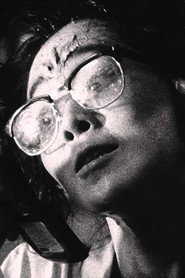 Nobu KanaokaKana
- Kim Soo-jinTaniguchi's Father
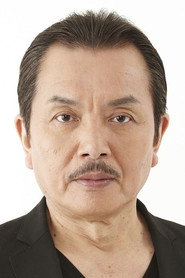 Hideaki TezukaBig Skinhead
- Tomoo AsadaYoung Skinhead
- IwataTaniguchi's Mother
- Keinosuke TomiokaMinori
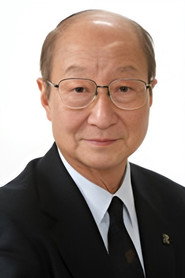 Torauemon UtazawaMad Scientist
Directing
- Shinya TsukamotoDirector
Writing
- Shinya TsukamotoWriter
Production
- Fuminori ShishidoProducer
- Fumio KurokawaProducer
- Hiromi AiharaProducer
- Hiroshi KoizumiProducer
- Nobuo TakeuchiProducer
- Shinya TsukamotoProducer