
Film
The Ballad of the Sad Cafe
- Drama
- Slow-burning
A Southern gothic chamber piece about love's cruelty. Vanessa Redgrave runs a mysterious café in her ramshackle home, drawing a strange boy and a drifter into a web of longing and betrayal. It's delicate, unsettling, funny in unexpected moments—Carson McCullers adapted with patience and genuine oddness. For those who find beauty in damaged people.
If you liked this
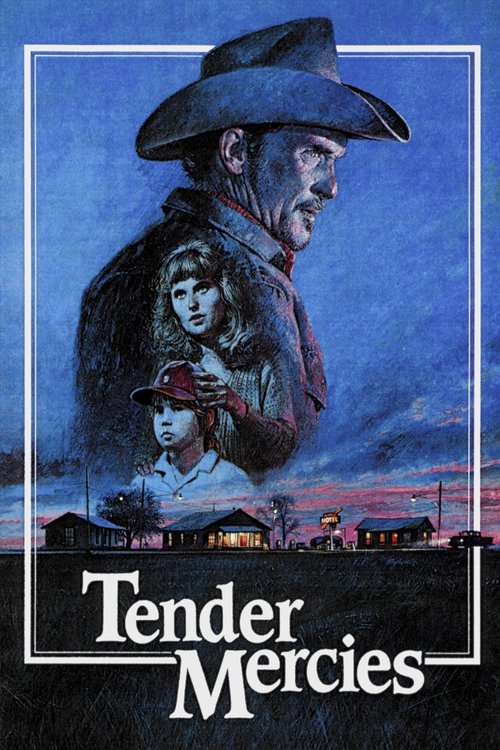
Tender Mercies1983
Bruce Dern and Robert Duvall navigate quiet devastation on a rural Texas farm. Like Café, it finds grace in isolation and the difficulty of loving anyone. Understated and deeply moving.
But The pacing is glacial. Nothing happens in the conventional sense, and the emotional payoff is whispered rather than earned.
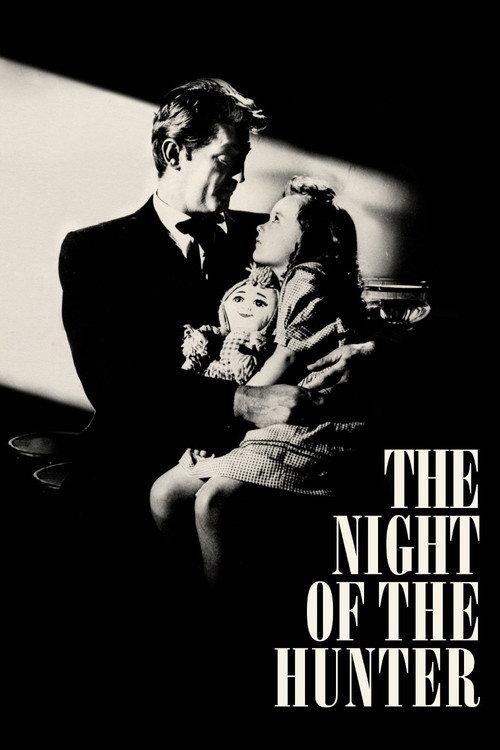
The Night of the Hunter1955
Robert Mitchum as a predatory preacher moves through a Southern landscape of moral ambiguity. Gothic atmosphere, strangers arriving to disrupt a closed world, beauty born from corruption—all Café's DNA.
But It's more thriller than character study. If you want psychological subtlety over melodrama, you'll feel the machinery showing.
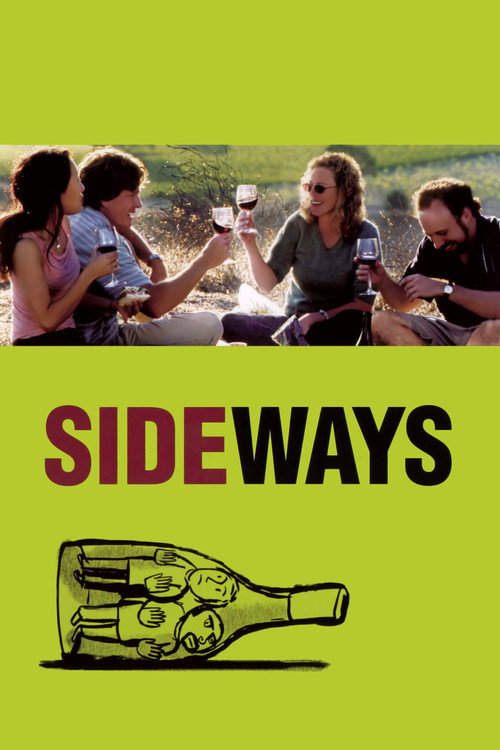
Sideways2004
Two flawed men and complicated desire. It's funny and sad about people who hurt each other without meaning to. The mood shifts from comedy to something genuinely aching, just like this film manages.
But It's contemporary California rather than Southern gothic, so the texture is completely different. The comedy might distract from what you're hunting for.
Not sure tonight? Get a pick in a minute, starting from The Ballad of the Sad Cafe
The wildcard
Something you would not have found on your own.
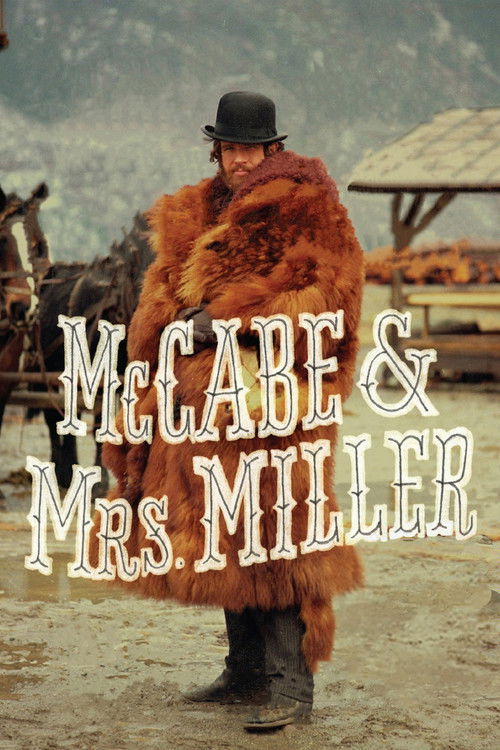
McCabe & Mrs. Miller1971
Both films center a physical space—the cafe—as the real character, and both understand that commerce and human connection are fundamentally at odds in small towns.
Robert Altman's antiwestern about two people trying to build something in an ugly frontier town. Warren Beatty and Julie Christie are exactly as lost and stubborn as Café's characters. The cafe itself becomes the story's heart.
But It's a rambling, unglamorous revisionist western shot in cold grays and browns. If you want momentum or clear narrative arcs, this will feel like watching paint dry in mud.
More like this (8)
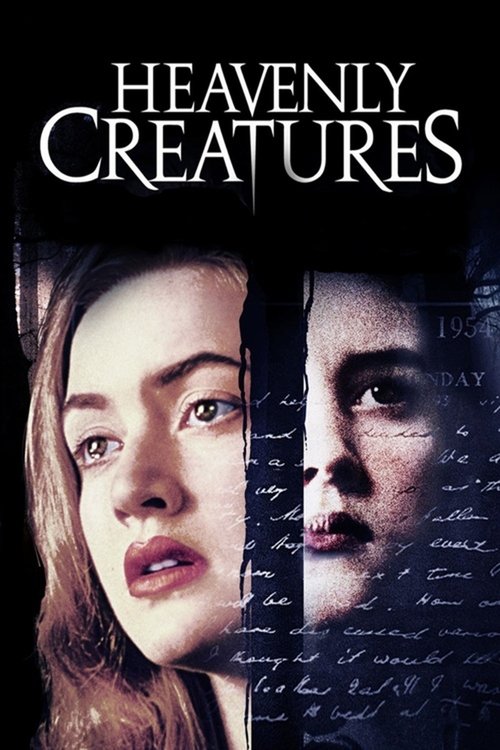
Heavenly Creatures1994
Peter Jackson's dreamlike account of two girls' intense, destructive obsession. Visually gorgeous, psychologically intricate, and fundamentally about how love can curdle into something unrecognizable.
But It's far more stylized and florid than Café's restraint. The heightened aesthetics might feel like it's showing off rather than serving the story.
In the Mood for Love2000
Two people circling each other through a cramped, gorgeous space, longing made visible through color and composition. Wong Kar-wai's romance is about what's withheld, like Café, and how that silence burns.
But It's a Hong Kong melodrama in Mandarin. The emotional register is entirely different, and some find the style too precious to trust.

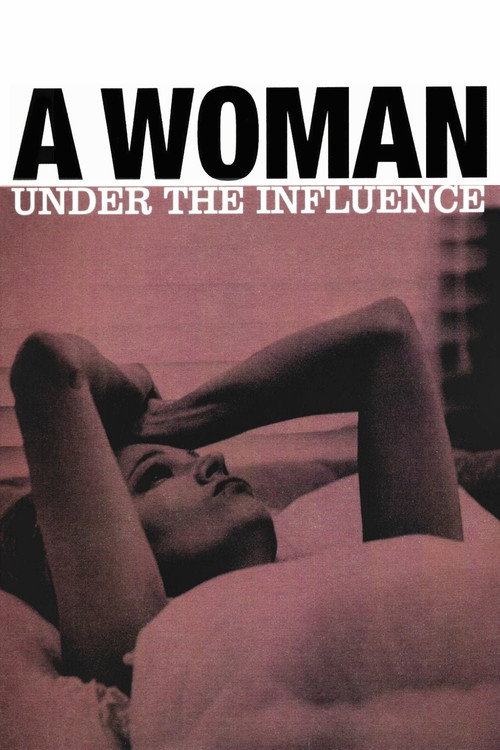
A Woman Under the Influence1974
Gena Rowlands and Peter Falk in Cassavetes' unflinching portrait of love and mental illness. Raw, improvised, ugly-beautiful—it shares Café's belief that intimacy can be as destructive as it is necessary.
But It's deeply uncomfortable watching. The scenes feel real because they hurt, and some will find that exhausting rather than cathartic.
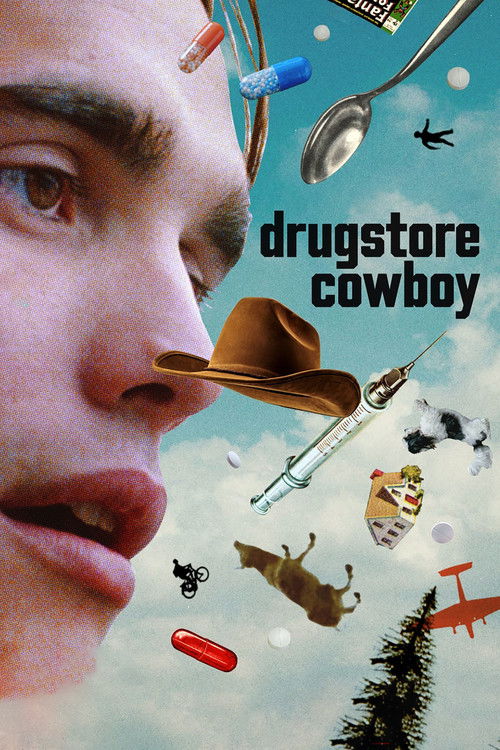
Drugstore Cowboy1989
Gus Van Sant's elegiac look at small-time criminals and the people they claim to love. Melancholic, strange, interested in the interior lives of people society has written off.
But It's about addiction and petty crime, not romance. The aesthetic is grittier, the world darker, and the hope more fragile than Café allows.
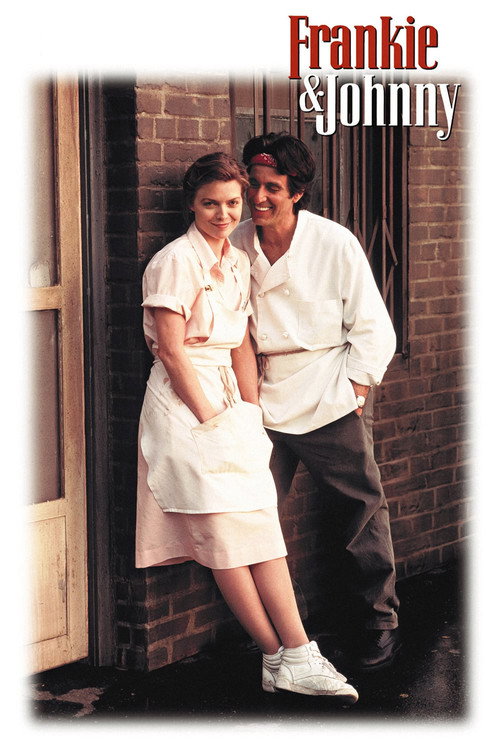
Frankie and Johnny1991
Al Pacino and Michelle Pfeiffer as two damaged people trying to connect in a working-class New York apartment. It understands how hard it is to let someone in, and how easily it can all collapse.
But Despite strong performances, the screenplay is sometimes too on-the-nose. It explains feelings rather than letting them breathe the way Café does.
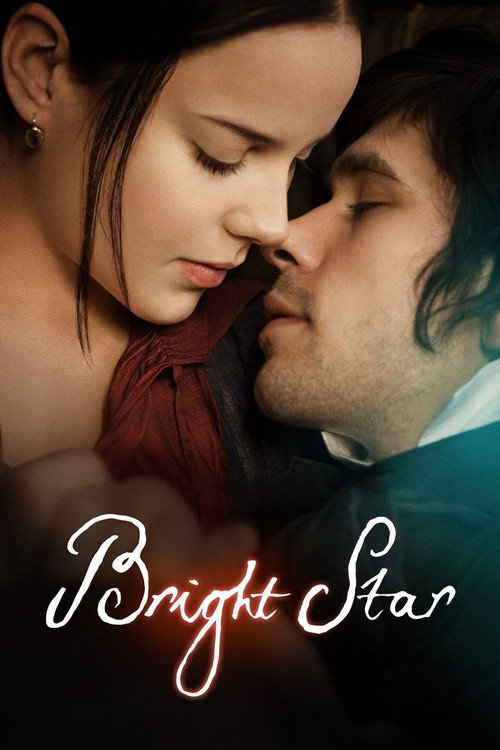
Bright Star2009
Jane Campion's luminous film about Keats and Fanny Brawne, two people separated by circumstance and his own self-destruction. Love rendered as yearning, with the awareness that it might never be enough.
But It's period and literary, which adds distance. Some find Campion's aesthetic too deliberate, and the romantic melancholy relentless rather than moving.
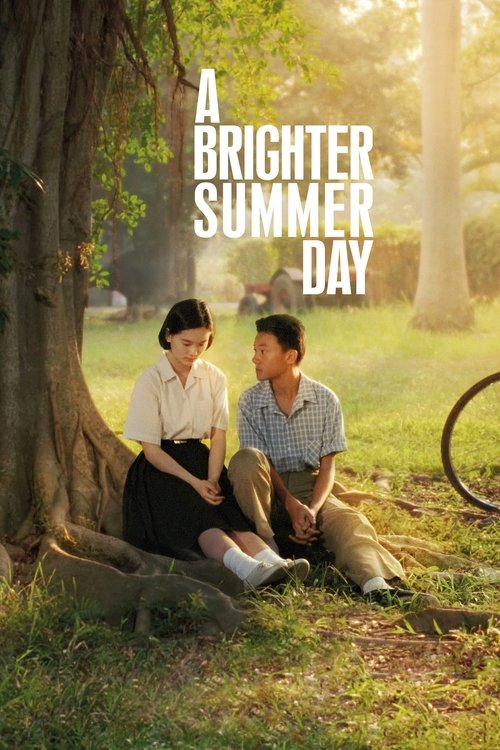
A Brighter Summer Day1991
Released the same year, both see small-town desire as inevitably tragic. Both use length not for grandeur but to let longing accumulate unbearably.
Edward Yang's four-hour Taiwanese epic about youth gangs and forbidden love in 1960s Taipei. It shares Café's interest in how desire moves through closed communities and ruins everything it touches, but with the scope of a novel.
But It's a four-hour Mandarin film with subtitles that demands active attention. The narrative sprawls, and the payoff is ambiguous despair rather than catharsis.
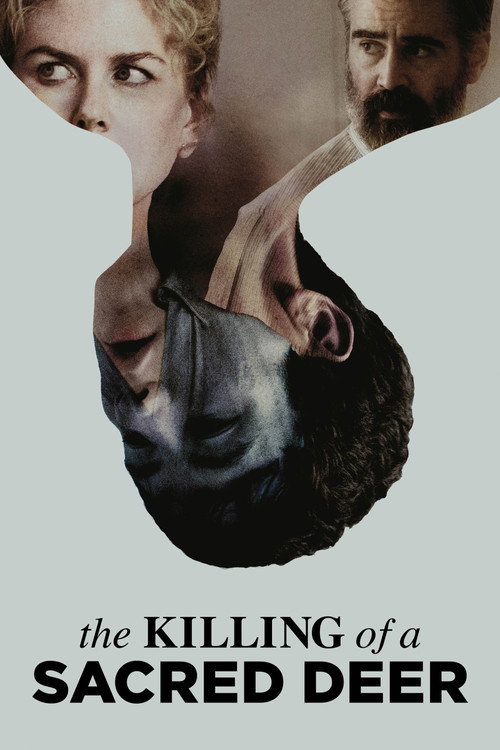
The Killing of a Sacred Deer2017
Both use the arrival of the outsider—Cousin Lymon, the boy—as a catalyst for moral collapse. Both refuse to judge their damaged characters while showing their damage clearly.
Yorgos Lanthimos creates a modern Greek tragedy where a surgeon's small act of negligence invites a strange boy into his family's life, bringing ruin. Like Café, it's formally controlled, morally opaque, and fascinated by how a stranger can destroy a closed world.
But It's deliberately cold and artificial—stilted dialogue, eerie sound design, no emotional shortcuts. If you want warmth or identification with characters, this will feel alienating by design.
People
Cast
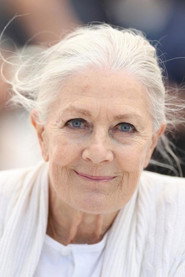 Vanessa RedgraveMiss Amelia
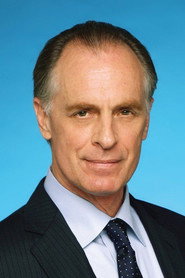 Keith CarradineMarvin Macy
 Cork HubbertCousin Lymon
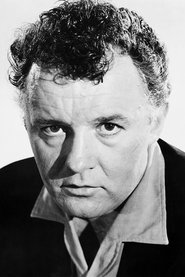 Rod SteigerRev. Willin
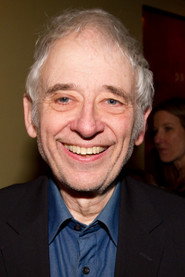 Austin PendletonLawyer Taylor
- Beth DixonMary Hale
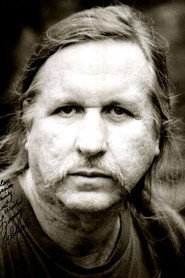 Lanny FlahertyMerlie Ryan
- Mert HatfieldStumpy McPhail
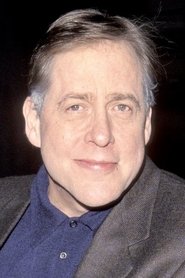 Earl HindmanHenry Macy
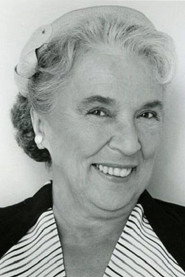 Anne PitoniakMrs. McPhail
- Lauri RaymondSadie Ricketts
Directing
- Simon CallowDirector
- Gary MarcusFirst Assistant Director
- Christena AlcornScript Supervisor
Writing
- Carson McCullersNovel
- Michael HirstScreenplay
- Edward AlbeeTheatre Play
Production
- Donald RosenfeldAssociate Producer
- Shirley RichCasting
- Paul BradleyExecutive Producer
- David KnottLocation Manager
- Ismail MerchantProducer
- Lisa GermanyProduction Coordinator
- Margaret WintersProduction Coordinator
- Mary ChurchProduction Manager
Recommended by
The Good Guys and the Bad Guys, Bandolero!, The Great Scout & Cathouse Thursday