
Film
The Edge of the World
A 1937 Scottish drama about isolation and change, filmed on a remote island where residents face evacuation. Shot with documentary precision but deeply felt as human drama, it captures a vanishing world through the eyes of those choosing to stay. For anyone moved by landscape, community, and the weight of inevitable transformation.
Should you watch it?
Watch it if you care more about a place and its weather-beaten rhythms than about plot, and you like films where landscape and ordinary work carry the emotion.
Skip it if you need brisk storytelling or snappy dialogue, since much of it unfolds in silence and slow observation, and its 1937 acting can feel creaky to modern eyes.
What it asks of you: A leisurely seventy-five minutes, with long stretches of watching people work and wait, and patience for the look and sound of the place over plot.
Not sure? Find tonight's pick in a minute.
If you liked this
Kes1970
Ken Loach's portrait of a working-class boy and his hawk captures the same unflinching affection for people and place, grounded in real locations and lived detail rather than sentiment.
But The pacing is deliberate and the ending is bleak; there's no arc that neatly resolves, which some find frustrating rather than moving.

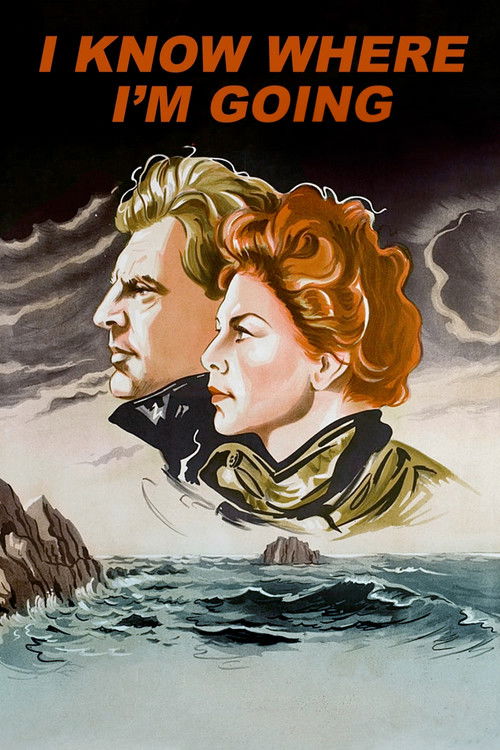
I Know Where I'm Going!1945
Powell and Pressburger's film, made just years later, shares Edge's passion for Scottish landscape as character, and explores similar tensions between duty and desire to stay or leave.
But It's a romantic comedy-drama, lighter in tone; if you want Edge's gravity, this might feel too playful in parts.
Stalker1979
Tarkovsky's meditation on desire, landscape, and what people will risk to stay in or escape from a place. Shares Edge's visual poetry and philosophical weight about human attachment to land.
But It's 163 minutes of slow, hypnotic Russian cinema with long takes of emptiness; entirely different register, demands total commitment.

Not sure tonight? Get a pick in a minute, starting from The Edge of the World
The wildcard
Something you would not have found on your own.
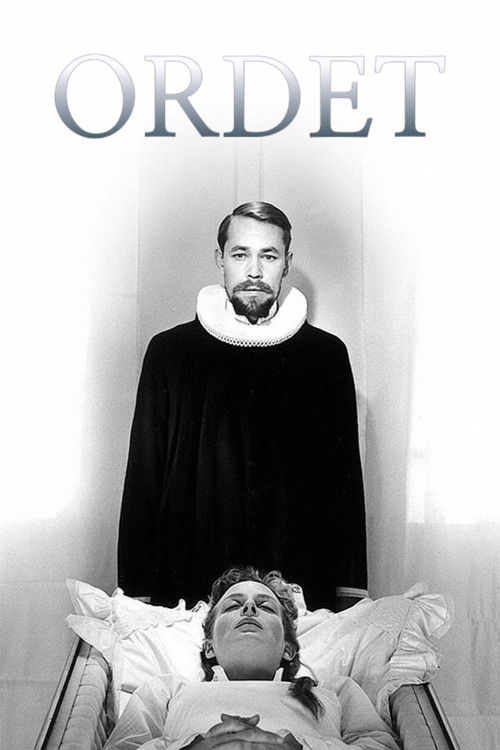
Ordet1955
Both films treat landscape and community as inseparable from the people living there; both are elegies for ways of life that formal belief—religious or cultural—holds together.
Dreyer's Danish film about faith, community, and a family facing crisis on isolated farmland. Like Edge, it's rooted in a specific place and people, but asks spiritual questions about what we hold onto and why.
But It culminates in a moment of religious miracle that will feel jarring or unconvincing if you're not open to that register; the pacing is glacial throughout.
More like this (7)
Moonlight2016
Like Edge, it's a brief, intimate portrait of lives shaped by place and circumstance, told through close observation rather than plot. Both films trust the viewer to feel the weight of small moments.
But Contemporary and formally experimental in ways Edge is not; if you're watching for historical Scottish drama specifically, this shifts context entirely.

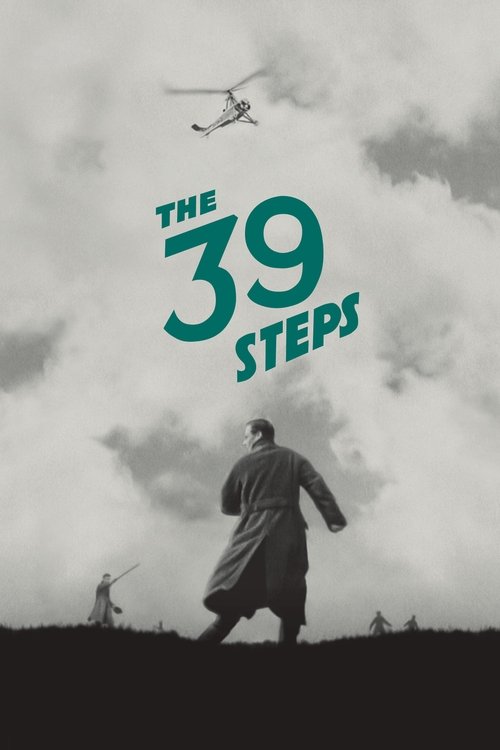
The 39 Steps1935
Hitchcock's 1935 thriller is also Scottish-set and explores landscape as both beautiful and isolating, made around the same time as Edge with genuine location shooting.
But It's a spy chase, not contemplative drama—the tone and pace are completely different, faster and more concerned with plot.
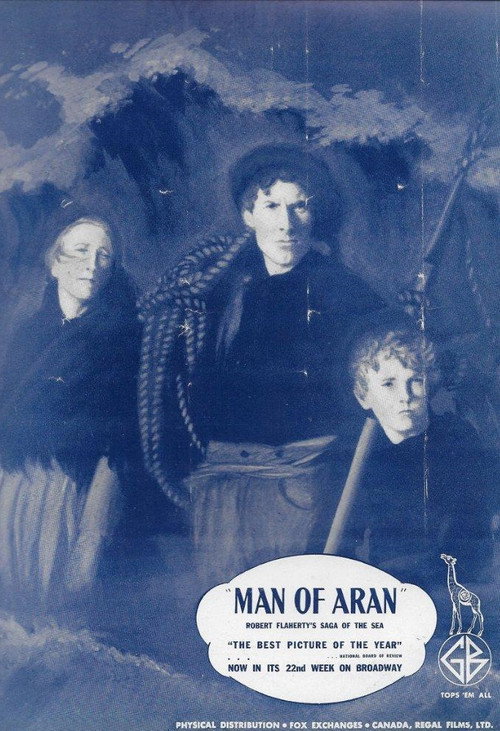
Man of Aran1934
Flaherty's documentary-drama about life on a remote Irish island predates Edge and shares its deep interest in people surviving on harsh land, shot with similar visual care.
But The line between documentary and drama is blurred and sometimes unclear; some sequences feel staged in ways that can feel dated or uncomfortable now.
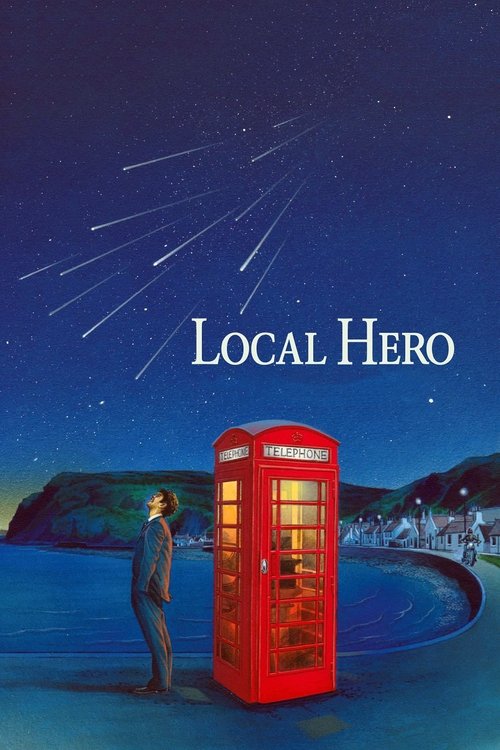
Local Hero1983
Bill Forsyth's comedy-drama about outsiders arriving in a small Scottish village to buy it out—the inverse of Edge's story, but equally interested in community bonds and what's worth keeping.
But It's warm and funny where Edge is austere; if you want the bleakness and gravity, this charm might feel evasive.
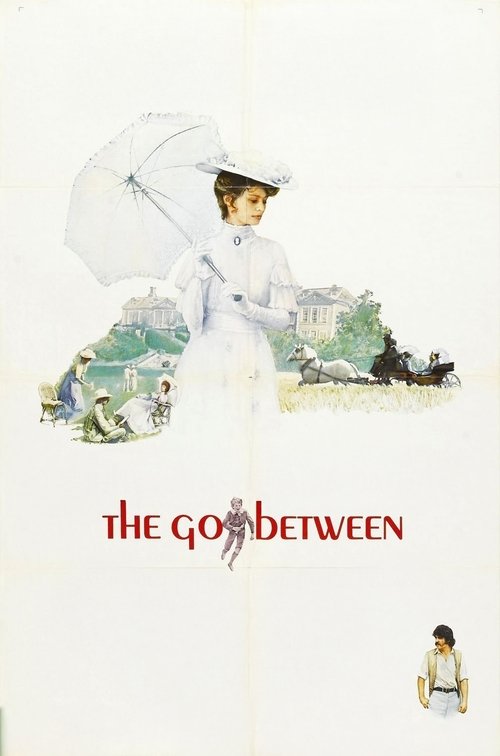
The Go-Between1971
Losey's nostalgic drama about a boy caught between social worlds shares Edge's interest in how places and circumstances shape lives, with similar visual precision and melancholy.
But It's set in Edwardian England, not Scotland; the period detail and focus on class may feel remote from Edge's more universal struggle.
Sunrise: A Song of Two Humans1927
Both are about people choosing between staying and leaving, between fidelity to place and the pull of elsewhere. Both see this choice as fundamentally moral, not just practical.
Murnau's 1927 masterpiece about a man torn between his wife and temptation uses landscape symbolically the way Edge does—the city and country as moral forces, place as character shaping fate.
But It's silent film with intertitles and uses theatrical German Expressionist style; the aesthetic is radically different, and requires adjustment to the format.

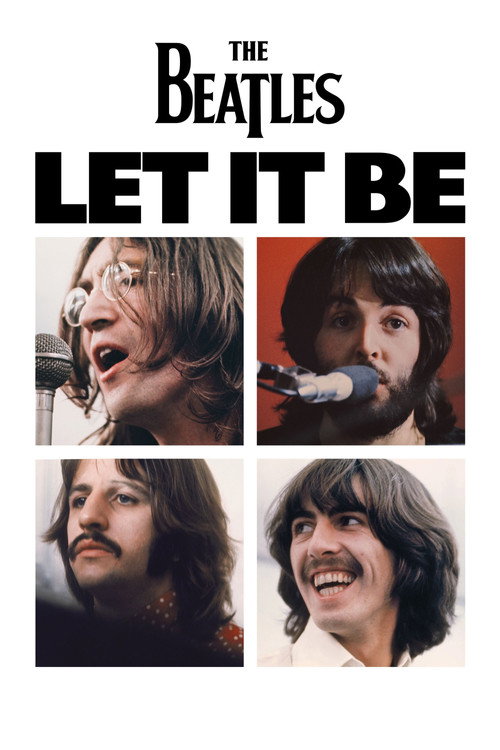
Let It Be1970
Both watch a world ending in real time, with affection but no nostalgia or sentiment. Both trust the viewer to feel the gravity of dissolution without being told it matters.
The Beatles' documentary captures a community dissolving—not by evacuation but by choice and circumstance—with the same unsparing observation of what's lost when people can no longer stay together.
But It's a rock documentary, radically different in register and subject; if you want narrative drama, this is fragmented, contemporary, and full of mundane tension.
People
Cast
 John LauriePeter Manson
- Belle ChrystallRuth Manson
- Eric BerryRobbie Manson
- Kitty KirwanJean Manson
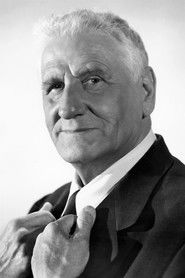 Finlay CurrieJames Gray
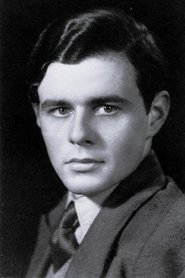 Niall MacGinnisAndrew Gray
- Grant SutherlandJohn, the Catechist
- Campbell RobsonMr. Dunbar, the Laird
- George SummersTrawler Skipper
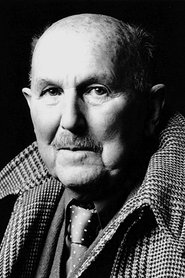 Michael PowellMr. Graham - the Yachtsman (uncredited)
- Frankie ReidyThe Yachtswoman (uncredited)